
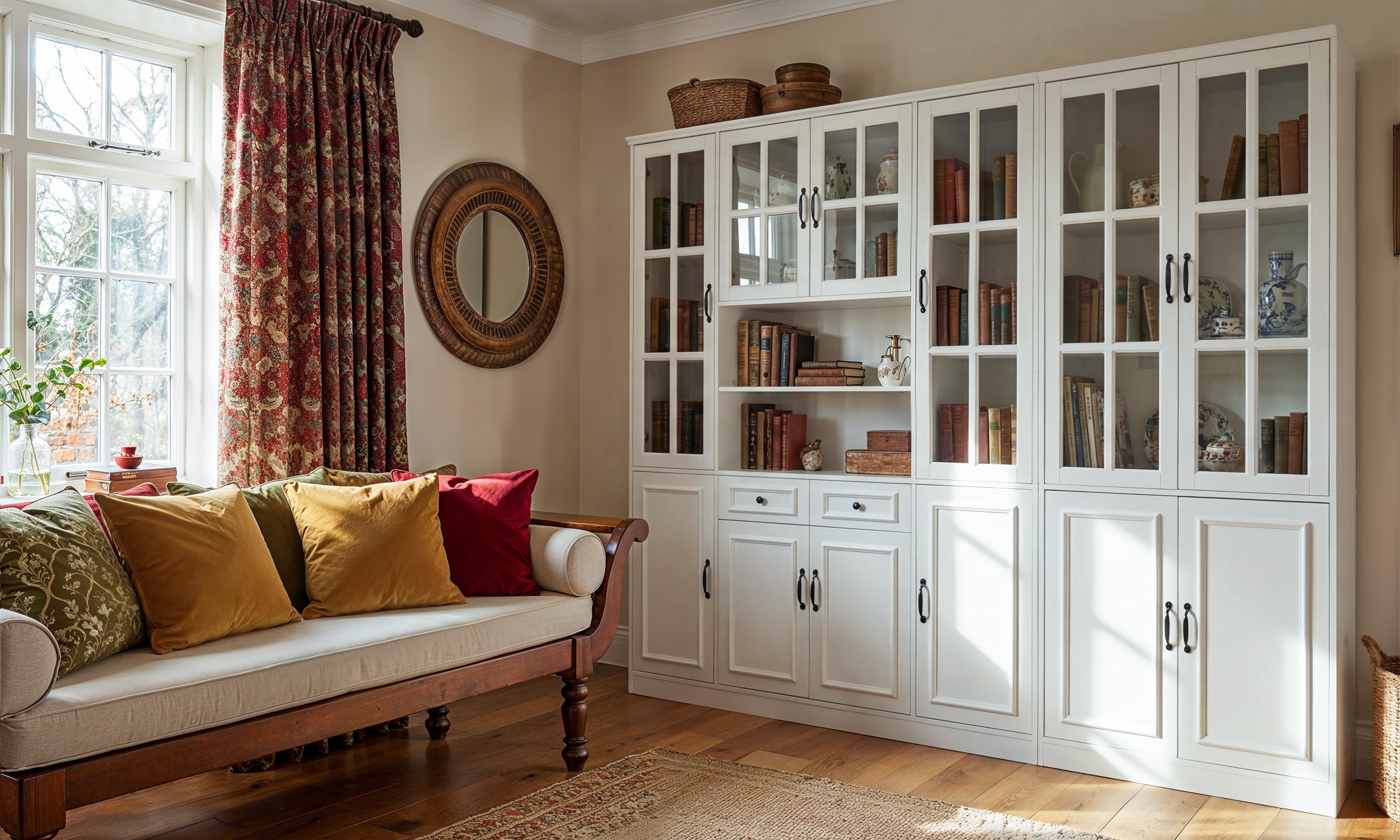
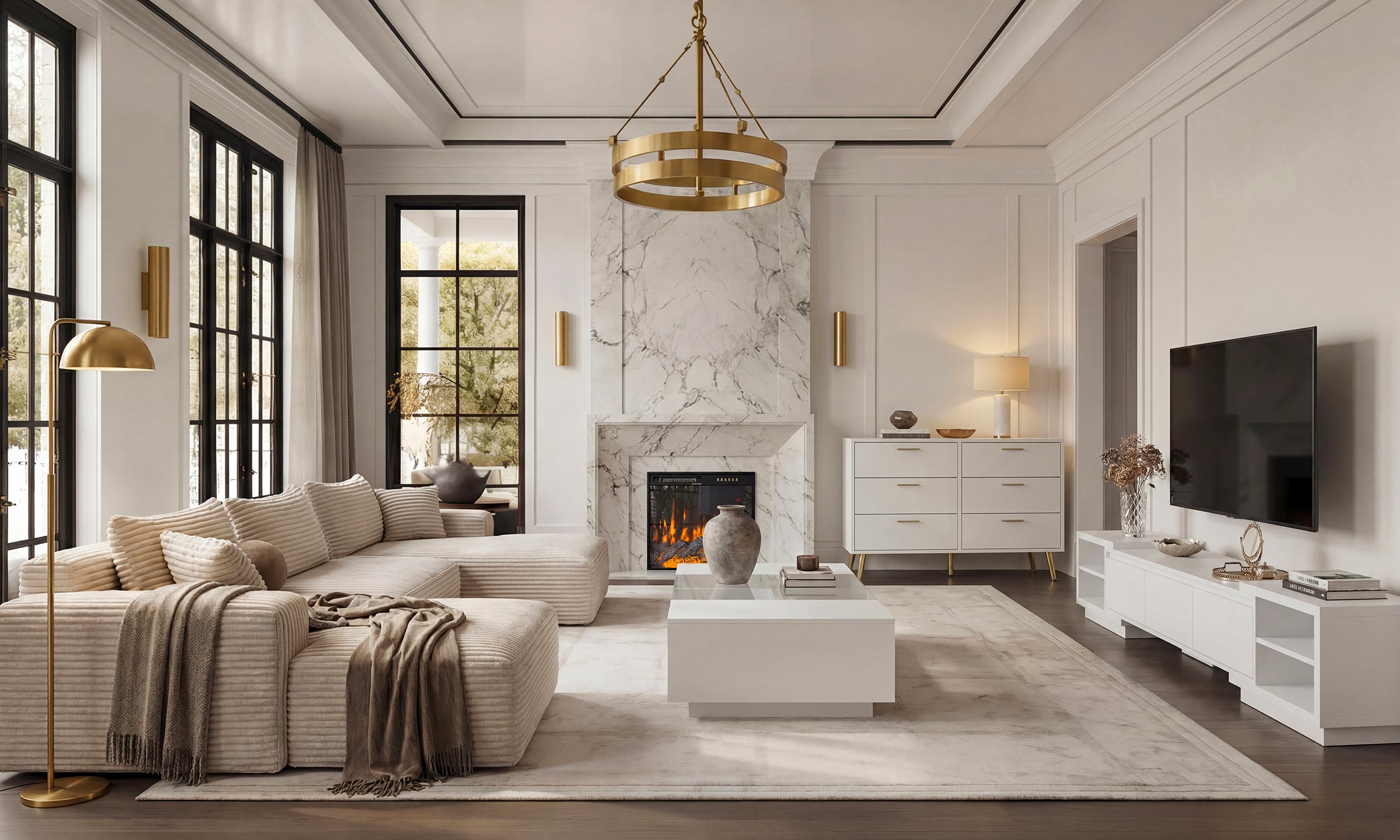
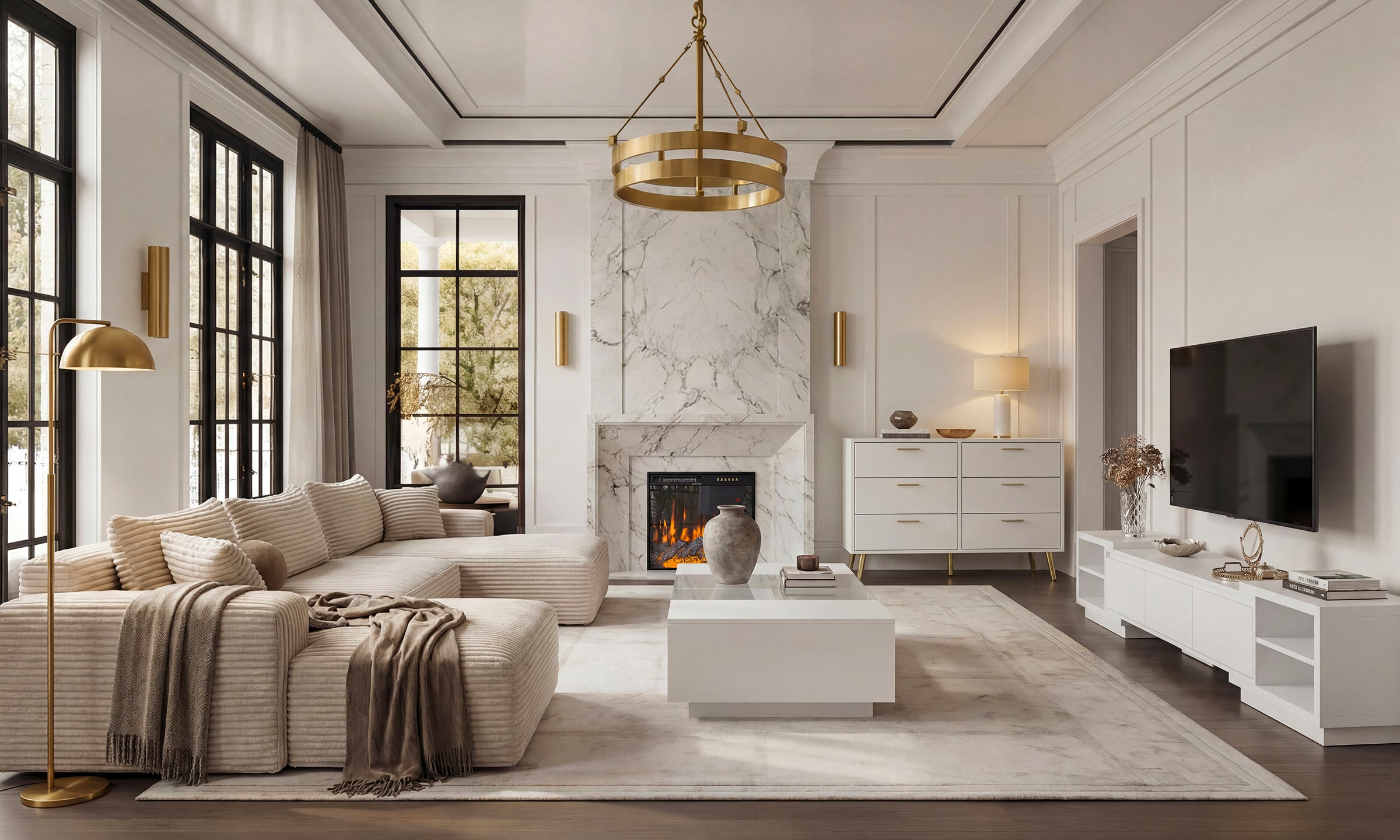



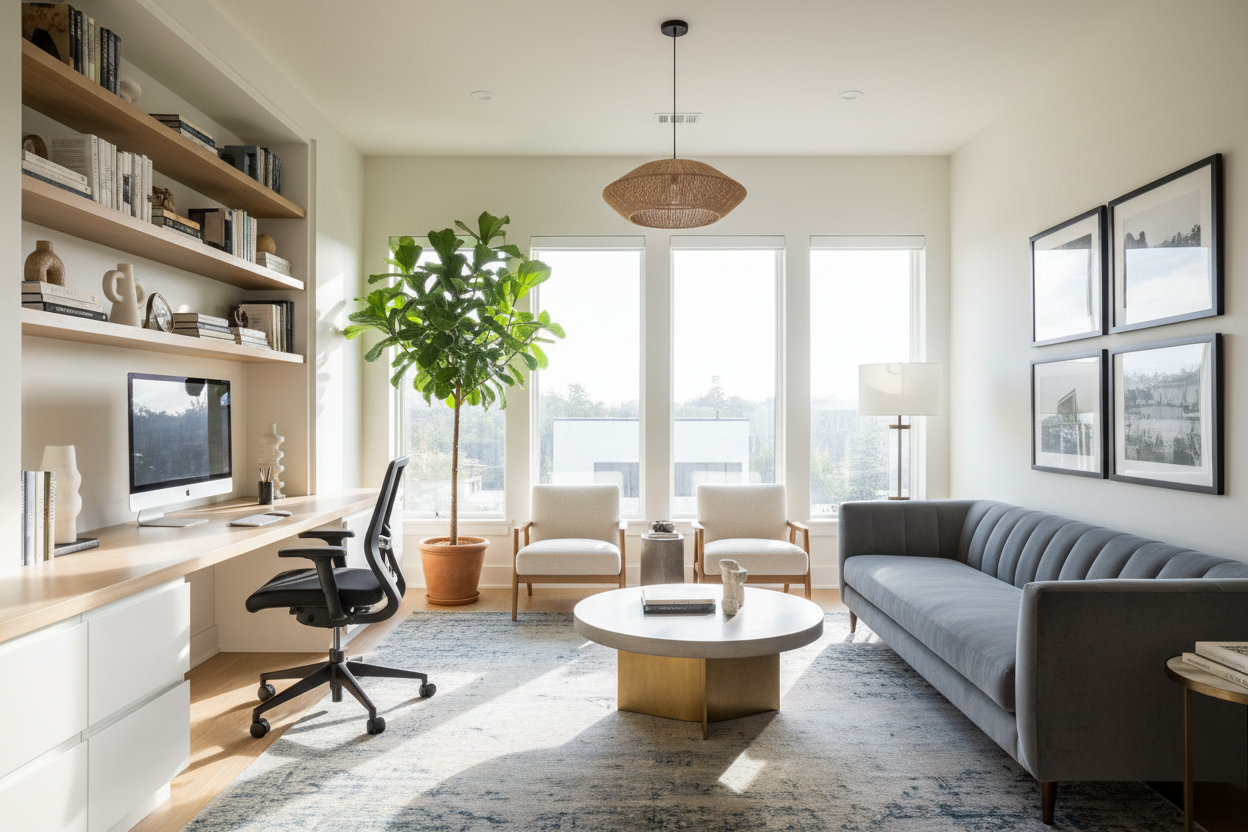
One of the most frequent dilemmas I encounter in residential design is the battle for square footage. You need a dedicated workspace for focus, but you also crave a retreat for evening relaxation. The days of having a dedicated room for every single function are fading; the modern home requires agility. This is where the den office combo shines. It is not just about shoving a desk into a TV room; it is about curating a space that respects both the 9-to-5 grind and the 5-to-9 unwind without visual clutter compromising your peace of mind.
Core Design Principles for Dual-Purpose Rooms
- Zoning Strategy: Clearly define the "work" zone versus the "relax" zone using area rugs or lighting changes, even in small footprints.
- Acoustic Control: Incorporate soft textiles (curtains, upholstered seating) to dampen the echo often found in rooms with hard office surfaces.
- Visual Continuity: Ensure the desk finish complements the lounge furniture; a mahogany desk clashes violently with a blonde oak media console.
- Lighting Layers: Install distinct circuits or smart bulbs to switch from cool task lighting to warm ambient glows instantly.
Mastering the Office Den Layout
The success of an office and entertainment room hinges entirely on the floor plan. In my experience, the biggest failure point is placing the desk so the user faces the television directly. This is a recipe for distraction.
The "Command" Position
Position your desk facing the door or a window, with the lounge area behind you. This creates a psychological separation. When you are seated at the desk, the room is a workspace. When you turn around to the sofa, you are entering the living zone. For office tv room combo ideas, mount the TV on a wall perpendicular to your window to prevent glare on the screen during the day and reflections on your monitor during video calls.
Curating Den Office Furniture Ideas
Selecting office den furniture requires a keen eye for scale and material integrity. In a dual-purpose room, utilitarian metal file cabinets kill the vibe. You want pieces that whisper "home," not "cubicle."
Material Quality and Aesthetics
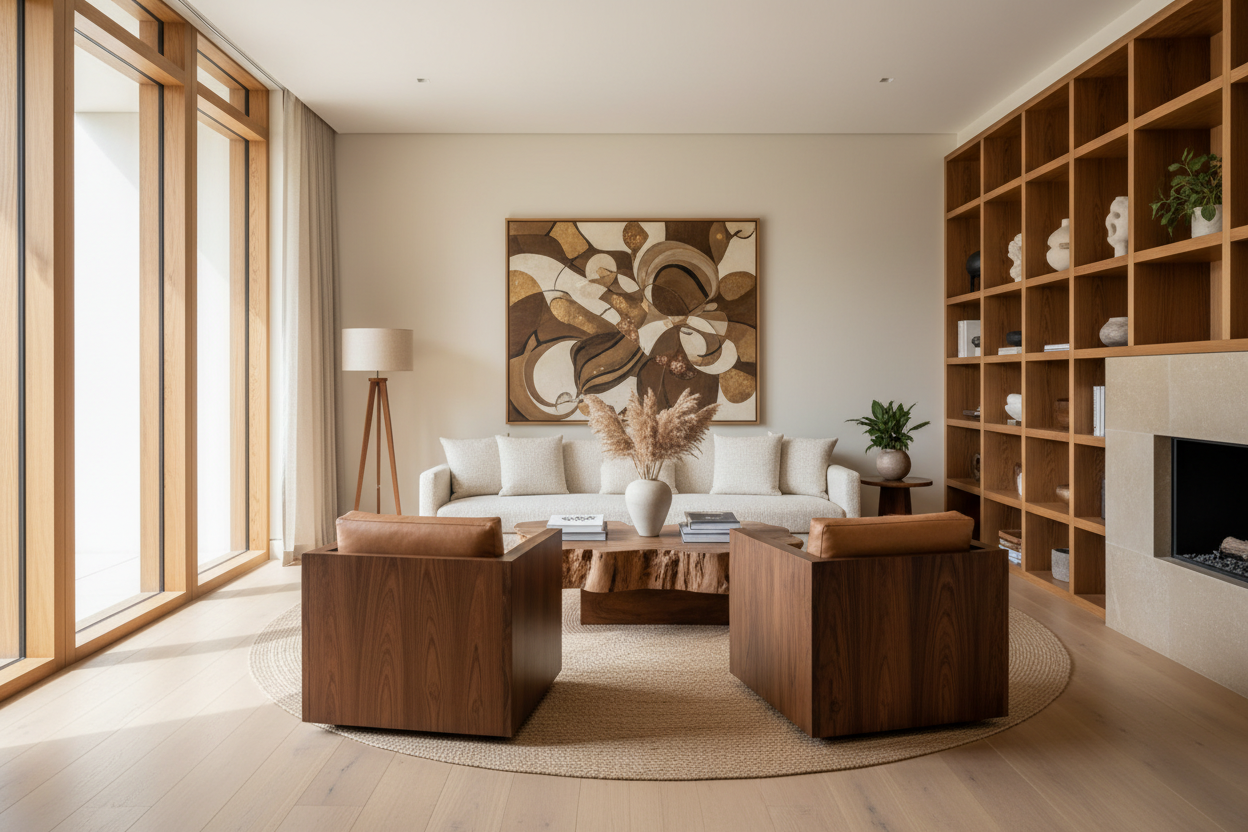
I always advise clients to invest in solid wood or high-grade veneer for the desk. Unlike a corporate laminate, natural wood grains add warmth that bridges the gap between den study design ideas and a cozy living area. If you are exploring home office design with couch configurations, match the legs of the sofa to the timber of the desk for a cohesive silhouette.
Seating: The Bridge Between Work and Rest
For a home office and reading room, the chair is paramount. Instead of a high-back, mesh ergonomic chair that looks strictly commercial, look for a mid-century modern task chair upholstered in leather or performance velvet. It offers the necessary lumbar support but looks like a piece of lounge furniture.
Integrating the Lounge Area
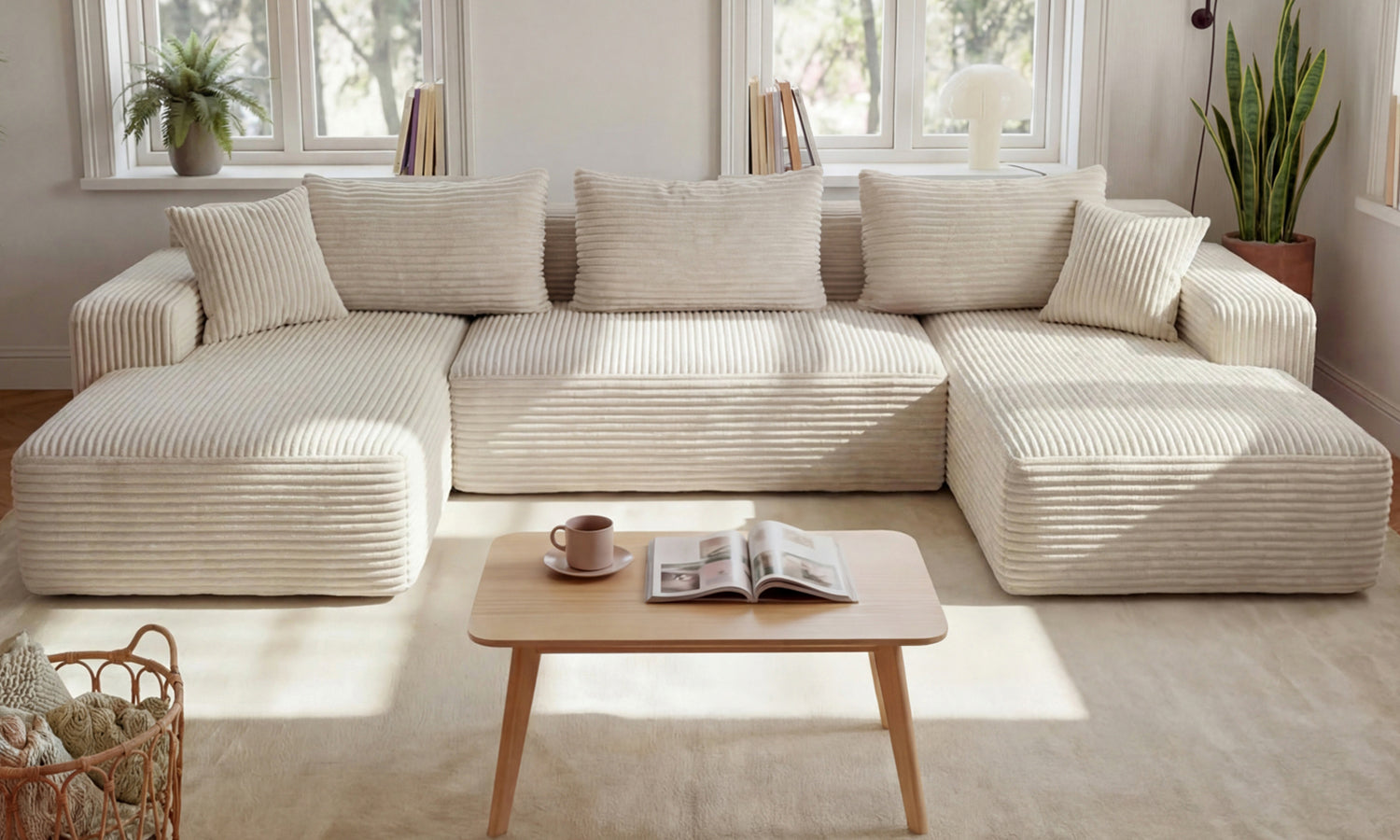
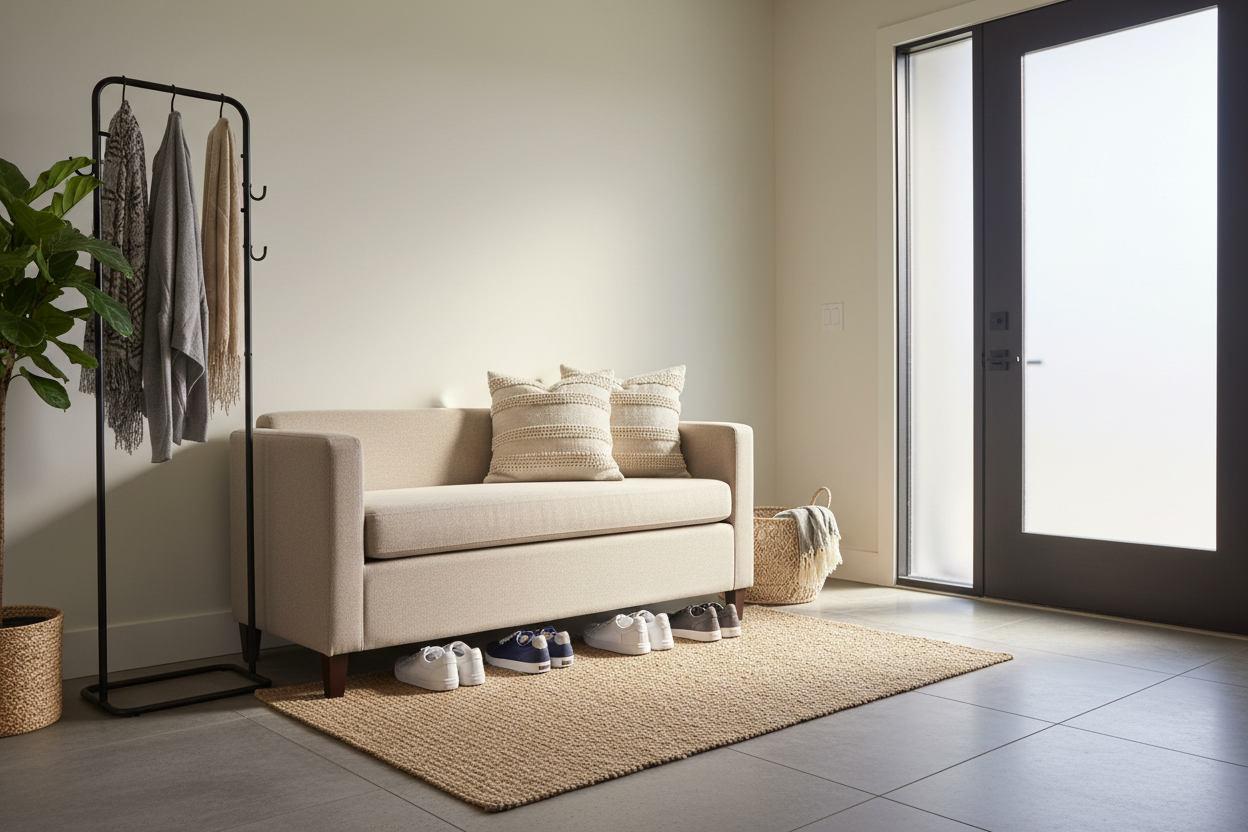
When executing small home office den design ideas, you might not have room for a sectional. A loveseat or a pair of deep armchairs can serve as a home office with reading area. The key is low profiles. Low-back sofas keep sightlines open, making the room feel expansive rather than crowded with furniture.
Lessons from My Own Projects: The Reality of Usage
I want to share a specific realization from a project I designed last year, and subsequently applied to my own home. I created a stunning office den combo featuring a plush, deep-seat velvet sofa right next to the desk area. It looked editorial-ready.
However, here is the unpolished truth: I didn't account for the "lunch slump." I found myself moving from the desk to the sofa with food or coffee constantly. Within six months, that high-end velvet showed specific wear patterns on the armrest nearest the desk—crumb dust and coffee rings that were a nightmare to clean. Now, I always insist on performance fabrics (like Crypton or solution-dyed acrylics) for any soft seating in an office den. Also, ensure your desk chair creates enough clearance; nothing is more annoying than the caster wheels bumping into the edge of a thick area rug every time you scoot back.
Conclusion
Merging productivity with leisure doesn't mean sacrificing style. By rigorously planning your layout and selecting materials that offer durability and warmth, you can create a sanctuary that supports your career and your downtime. It is time to stop looking at that spare room as a compromise and start seeing it as a design opportunity.
Frequently Asked Questions
How do I hide the "office" look when entertaining?
Storage is your best friend. Use a credenza with solid doors rather than open shelving to hide printers and paperwork. For small home office/den ideas, consider a secretary desk that closes up completely to conceal the laptop and monitor when the workday ends.
What is the best lighting for a dark den office?
Avoid a single overhead fixture. Use a dedicated task lamp with a 4000K (cool white) bulb for the desk, and floor lamps with 2700K (warm white) bulbs for the lounge area. This allows you to change the room's mood physically and psychologically.
Can I fit a den office in a 10x10 room?
Absolutely. For tight spaces, float the desk in the center of the room or push it against a wall, and use a sleeper sofa or a compact loveseat on the opposite wall. Wall-mounted shelving is critical here to keep the floor clear.

Leave a comment
This site is protected by hCaptcha and the hCaptcha Privacy Policy and Terms of Service apply.