





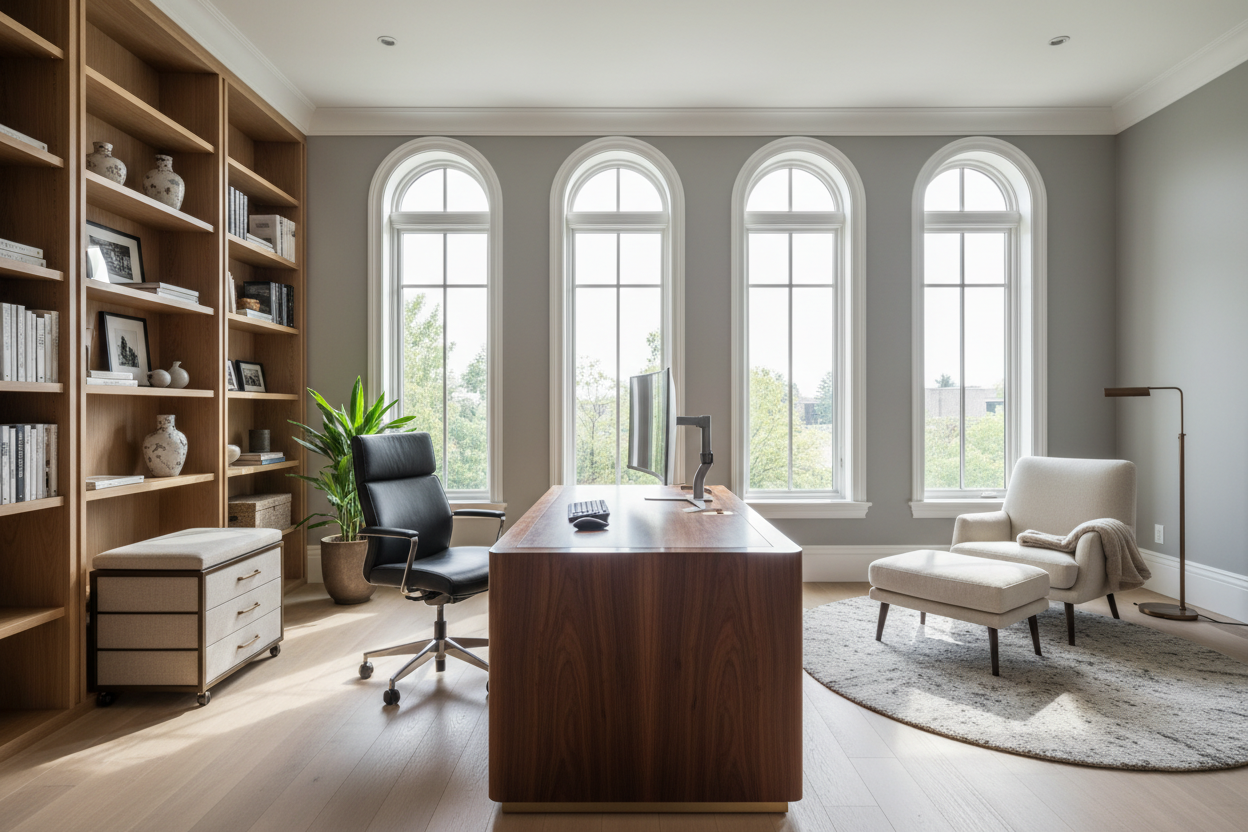
We have all experienced the fatigue of working in a space that feels more like a temporary holding cell than a place of intellect and creativity. The dilemma often isn't a lack of space, but a lack of intentionality. When you select the wrong scale or finish, the room feels cluttered rather than curated. This article navigates the complexities of sourcing furniture for study room layouts that balance ergonomic necessity with high-end interior design principles.
Key Features to Look For
Before visiting a showroom or browsing catalogs, use this checklist to ensure your potential purchases meet professional standards:
- Ergonomics & Support: Does the seating offer lumbar adjustment and a seat depth appropriate for your height?
- Material Integrity: Are you looking at solid hardwoods (oak, walnut) for longevity, or veneers for cost-efficiency?
- Scale & Proportion: Does the desk size overwhelm the room, or does it leave enough negative space for traffic flow?
- Cable Management: Does the furniture for a study room include integrated channels to hide unsightly wires?
Anchoring the Space: The Desk Strategy
The desk is invariably the focal point of any study. However, a common error I see is prioritizing surface area over spatial flow. In a sophisticated study, the desk should command the room without choking it.
Materiality and Texture
When selecting furniture for a study, the tactile experience is paramount. Solid wood desks, such as those crafted from Walnut or White Oak, offer a warm, grounding presence and develop a beautiful patina over time. Conversely, glass or metal desks provide a sleek, modern silhouette but can feel cold to the touch during long work sessions. If you opt for wood, inspect the joinery. Dovetail joints in drawers are a hallmark of quality that ensures your investment lasts for decades.
The Seating Equation: Comfort vs. Silhouette
Finding the right chair is a negotiation between the spine's needs and the eye's desire. While a high-back executive chair in full-grain leather exudes authority, it can dominate a small room visually.
For a lighter aesthetic, consider a mid-century modern task chair with a mesh or fabric back. These pieces allow light to pass through, reducing the visual weight of the furniture for study layouts. Ensure the mechanism allows for dynamic sitting—movement is critical for focus. If you are incorporating a lounge chair for reading, look for high-rub count fabrics like velvet or bouclé, which add softness to the hard lines of bookshelves and desks.
Storage and Visual Balance
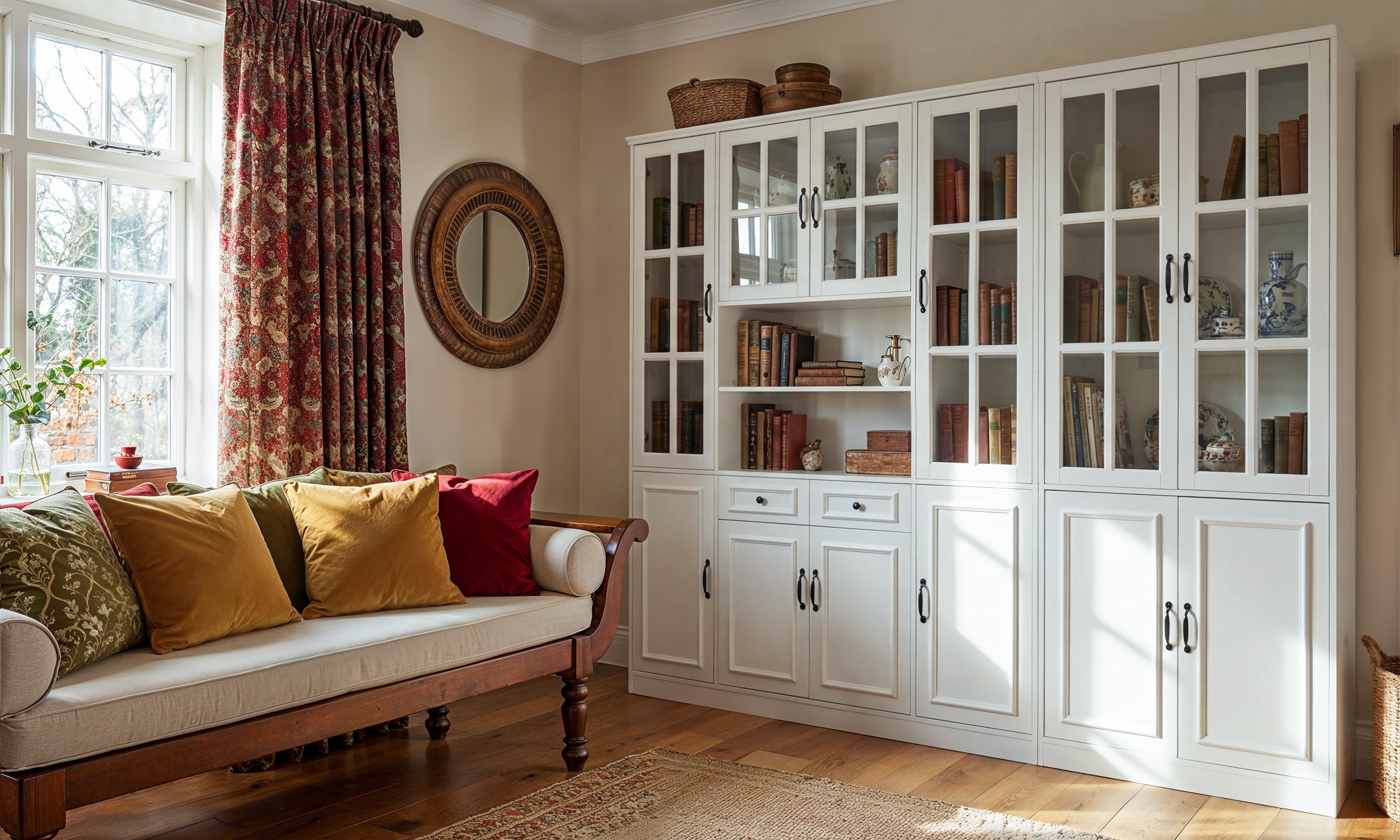
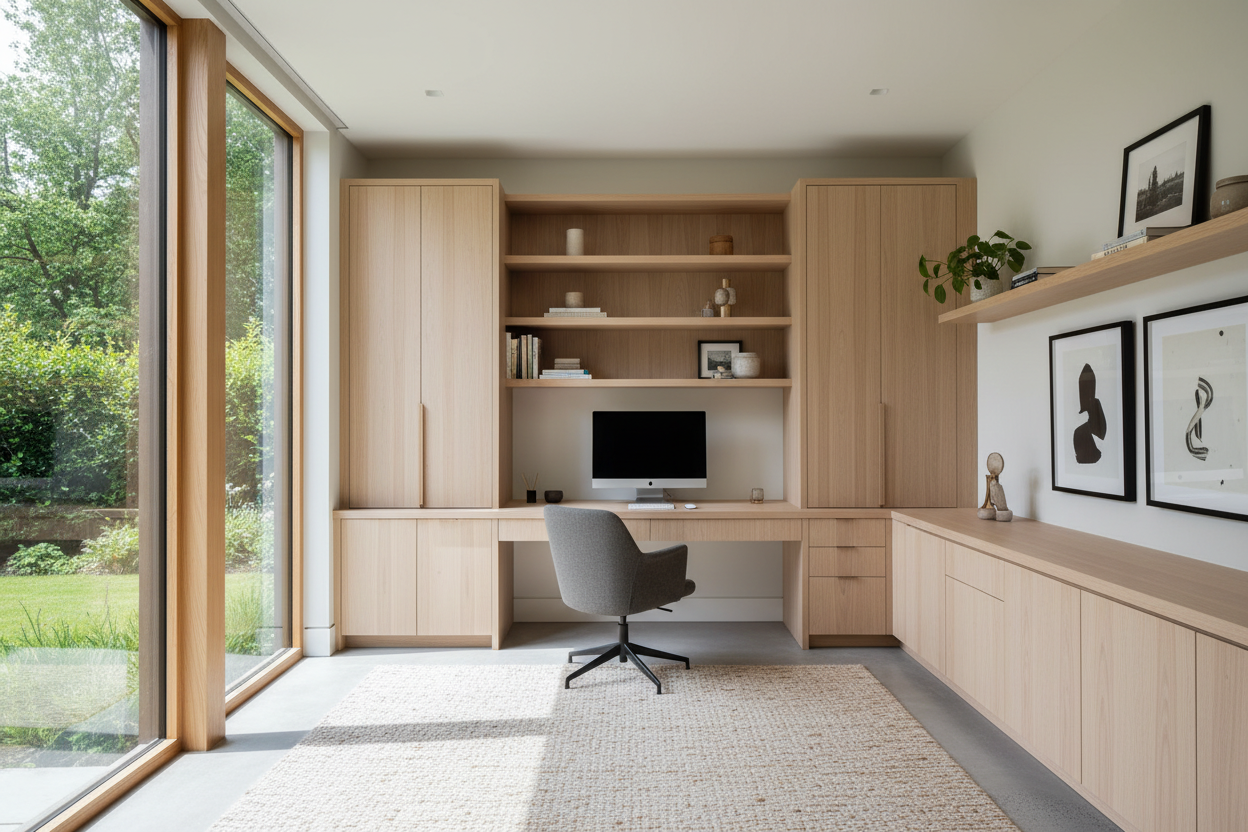
Clutter is the enemy of productivity. Effective furniture for a study room must include concealed storage to maintain a clean visual field. Floor-to-ceiling built-ins are ideal, but if that isn't structural, opt for a credenza with sliding doors.
Pay attention to "visual weight." A heavy, dark wood bookcase requires a lighter rug or glass elements nearby to prevent the room from feeling cave-like. Open shelving allows you to display curated objects, breaking up the density of books and files.
Lessons from My Own Projects
Early in my career, I designed a study for a client who insisted on a high-gloss, black lacquer desk. It looked stunning in the renderings—sleek, reflective, and incredibly expensive. However, two weeks after installation, I received a call. The issue wasn't the look; it was the life.
Every single fingerprint, dust mote, and coffee cup ring was visible instantly. The client felt like they had to clean the desk before they could even start working. It created anxiety rather than focus. Since then, I always advise clients to consider the "livability" of a finish. Now, I lean towards matte finishes or textured wood grains for high-touch surfaces. They forgive the small messes of daily life, allowing you to focus on your work, not your housekeeping.
Another lesson learned involves chair casters. I once ruined a client's vintage Persian rug because we didn't swap the standard hard-plastic casters for soft-tread rollerblade style wheels. It’s a tiny detail, but it saves your flooring and makes the movement silent and smooth.
Conclusion
Curating the right furniture for study room interiors is about more than filling a floor plan; it is about engineering an environment that respects your workflow. By investing in quality materials, respecting scale, and prioritizing tactile comfort, you create a space that invites you to sit down and do your best work.
Frequently Asked Questions
How much space do I need behind my desk?
For a comfortable workflow, allow at least 42 to 48 inches of clearance between the edge of your desk and the wall or shelving behind it. This allows you to slide your chair back and stand up without feeling boxed in.
Is solid wood always better than veneer for a study desk?
Not necessarily. While solid wood allows for refinishing, high-quality wood veneers over MDF are incredibly stable and less prone to warping in fluctuating humidity. However, avoid cheap paper veneers which will peel at the edges over time.
How do I mix different wood tones in a study?
To avoid a chaotic look, identify a dominant wood tone (usually the floor or the largest piece of furniture) and choose secondary pieces that share the same undertone (warm, cool, or neutral). Ensure there is enough contrast so it doesn't look like you tried to match them and failed.

Leave a comment
This site is protected by hCaptcha and the hCaptcha Privacy Policy and Terms of Service apply.