

















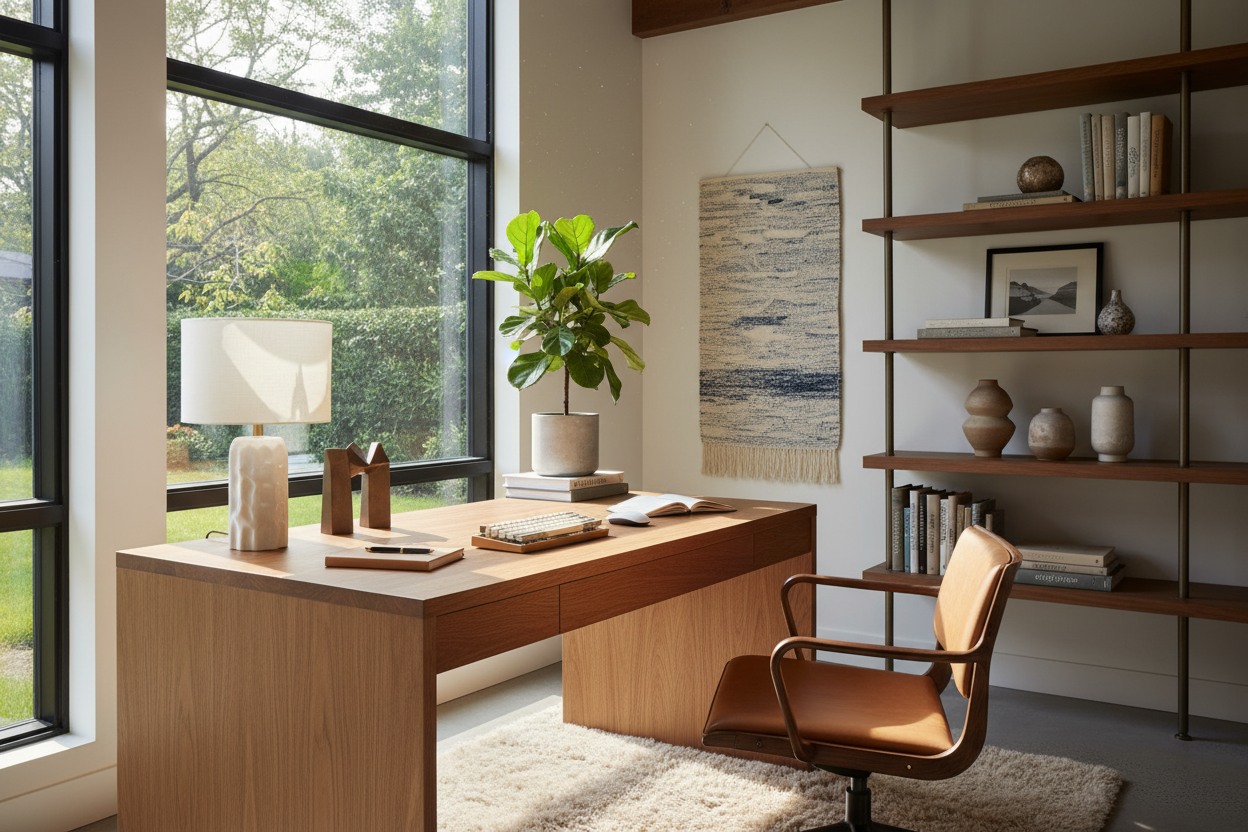
We have all been there: scrolling through social media, saving image after image of a pristine desk aesthetic, only to find that replicating that look in our own homes feels impossible. The disconnect usually happens because we buy furniture based on a static image rather than how the piece interacts with the room's architecture and our daily habits. As a designer, I see clients frequently sacrifice function for form, resulting in a workspace that looks beautiful but feels chaotic to work in. This guide bridges that gap, helping you curate a workspace that feels sophisticated and performs flawlessly.
Quick Decision Guide: The Pillars of Desk Design
- Material Integrity: Prioritize natural materials like walnut, oak, or matte-finished metal. They age better than high-gloss synthetics which highlight dust and fingerprints.
- Visual Weight: For a small aesthetic desk, choose legs with open space (like hairpin or trestle styles) to keep the room feeling airy. Heavier pedestal desks anchor larger rooms.
- Ergonomics vs. Style: Ensure the desk height (standard is 29-30 inches) pairs correctly with your chair. An aesthetic work desk is useless if it causes shoulder strain.
- Cable Management: The number one killer of a clean office desk aesthetic is visible wiring. Look for desks with integrated modesty panels or grommets.
Defining Your Visual Narrative
Creating a cohesive aesthetic desk area starts with defining the silhouette. In contemporary design, we look for lines that complement the room rather than compete with it. If you are aiming for a mid-century modern vibe, look for tapered legs and warm wood tones. For a more industrial aesthetic office desk, mix raw steel elements with reclaimed wood surfaces.
The goal is to establish a focal point. A desk is often the largest piece of furniture in a home office; its visual gravity dictates the tone of the room. Do not just buy a table; curate a workstation that speaks to the surrounding décor.
Materiality and Texture
The difference between a generic setup and high-end desk aesthetic ideas often comes down to texture. Cheap laminates reflect light flatly, whereas solid wood or high-quality veneers absorb and diffuse light, adding warmth to the space.
Wood vs. Glass vs. Metal
A glass aesthetic desk offers a "barely there" look, perfect for tight quarters, but be warned: it offers zero hidden storage and is cold to the touch. Wood brings organic warmth and acoustic dampening, essential for an aesthetic home office desk where focus is key. Metal creates sharp, architectural lines but requires softer accessories (like a leather desk pad) to balance the visual hardness.
Mastering the Layout in Small Spaces
Space planning is where the dream often falls apart. Integrating a small aesthetic desk into a multi-purpose room requires strategic positioning. Avoid pushing the desk flush against a blank wall if possible; this is visually stagnant. Instead, consider "floating" the desk perpendicular to a window.
If you are working with an aesthetic bedroom with desk setup, the desk should double as a bedside table or vanity to save floor space. This dual-purpose approach maintains the bedroom aesthetic desk vibe without making the sleeping area feel like a corporate cubicle.
Styling: The Rule of Three
When accessorizing for that perfect aesthetic desk inspiration, use the designer's "Rule of Three." Group items in odd numbers to create visual interest. For an aesthetic desk, this might look like:
- Vertical Anchor: A sculptural lamp or a tall plant.
- Horizontal Grounding: A stack of books or a leather blotter.
- Organic Element: A small ceramic bowl or stone paperweight.
This triangulation keeps the desk ideas aesthetic looking intentional, not cluttered.
My Personal Take on Desk Aesthetic
I want to share a specific lesson from a project I worked on last year. I specified a stunning, high-gloss white lacquer desk for a client who wanted a "clean, Apple-store" aesthetic. It looked incredible on installation day. However, three months later, I visited for a follow-up.
The reality was harsh. The high-gloss finish acted like a mirror for overhead lighting, creating a glare that caused the client significant eye strain. Furthermore, the "minimalist" lack of drawers meant her surface was covered in post-its and pens, completely ruining the sleek lines we paid for. We ended up swapping it for a matte oak desk with a single wide drawer. The lesson? A matte finish is far more forgiving of dust and lighting glare than high-gloss, and "hidden storage" is the secret hero of any aesthetic workspace. Always check how your desk finish interacts with your room's lighting at 2 PM, not just how it looks in a catalog.
Conclusion
Achieving a refined desk aesthetic isn't about buying the most expensive furniture; it is about respecting the balance between texture, scale, and utility. By choosing materials that age gracefully and planning your layout with flow in mind, you create a space that invites creativity rather than clutter. Treat your desk as an investment in your daily peace of mind.
Frequently Asked Questions
How do I maintain a minimalist desk aesthetic with lots of tech gear?
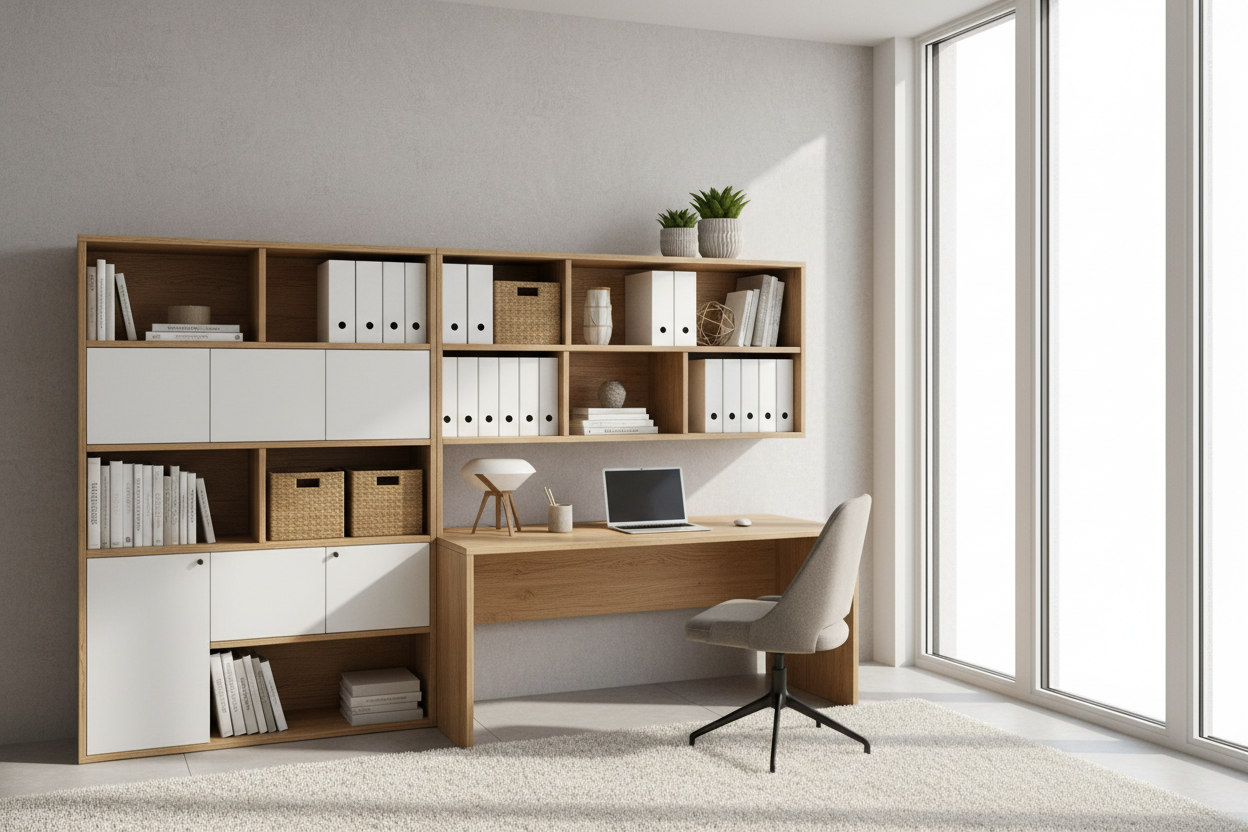
The key is under-mount management. Use cable trays that screw into the underside of the desk and velcro ties. Invest in a monitor stand with a hollow base to slide your keyboard under when not in use. This keeps the aesthetic work desk clean without sacrificing technology.
Can a dark wood desk work in a small room?
Yes, but lighting is critical. A dark aesthetic desk in a small room needs adequate ambient lighting to prevent it from feeling like a black hole. Pair it with a light-colored rug and a glass or acrylic chair to offset the visual weight.
What is the best depth for a functional yet aesthetic desk?
For a laptop setup, 24 inches is sufficient. However, if you use external monitors, aim for 30 inches of depth. This ensures you aren't sitting too close to the screen, maintaining both ergonomics and the visual proportion of the desk aesthetic.

Leave a comment
This site is protected by hCaptcha and the hCaptcha Privacy Policy and Terms of Service apply.