












Strategic Workstation Planning: The Architecture of Converting to Standing
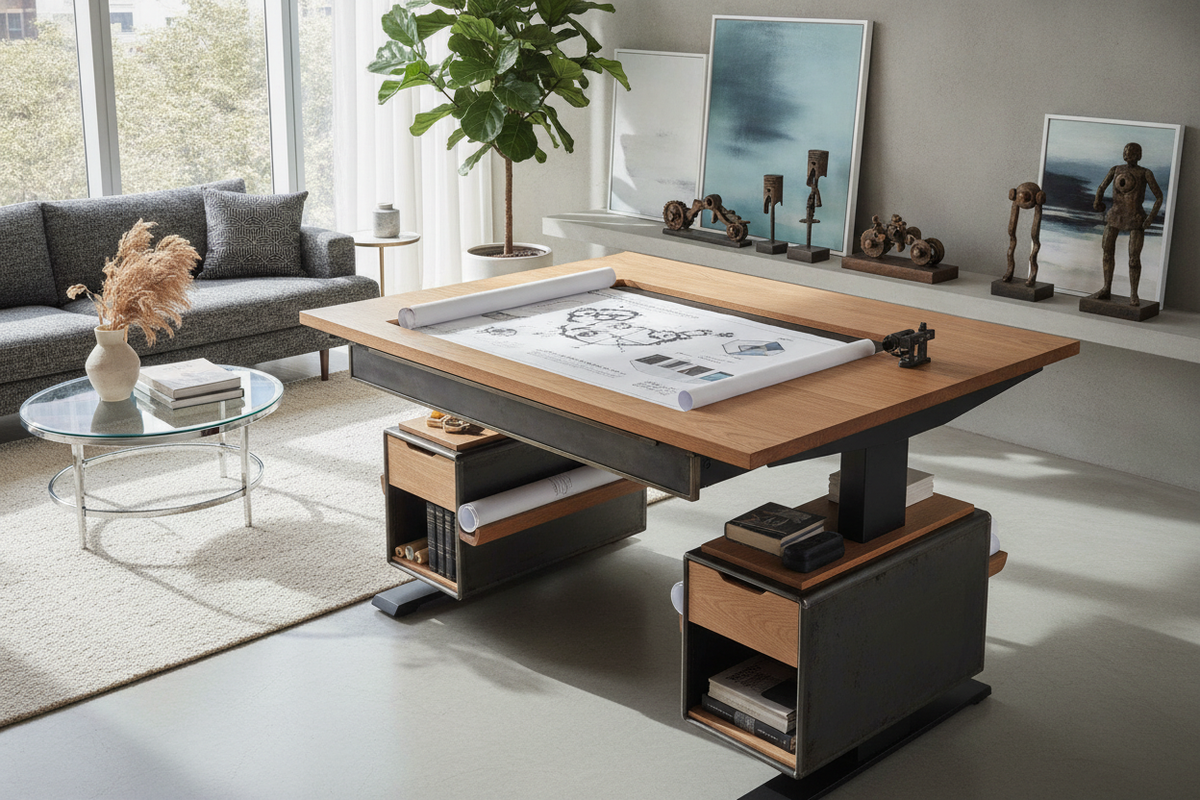
Choosing to convert to stand up desk functionality allows you to introduce height variability into your workday without discarding an existing, high-quality workstation. Many solid wood, laminate, or metal frame executive desks provide exceptional work surface area and storage, yet remain fixed at traditional seated heights. Implementing a dedicated desk stand converter bridges the gap between fixed-base cabinetry and dynamic posture adjustments.
Evaluating Existing Worksurfaces Before Adding a Conversion Mechanism
Before selecting a standing up desk converter, inspecting the host desk is essential. The structural foundation must handle both the weight of the mechanism and the peripheral equipment placed on top. Solid wood tops, thick particleboard with reinforced support rails, and sturdy steel frame tables provide optimal platforms for top-mounted risers. Desks with thin tops or hollow honeycomb cores require careful distribution of weight to avoid flexing under localized pressure.
For those styling an existing office footprint with curated pieces, reviewing a standing desk converter guide helps align converter footprints with executive desks, mid-century credenzas, or compact study tables.
Key Advantages of Converter Units Versus Full Workstation Overhauls
Installing a stand desk topper eliminates the logistical disruption of dismantling existing office furniture, rerouting primary room power, or replacing built-in cabinetry. Furthermore, a sit-stand desk converter provides an adaptable solution for shared home offices or multi-user study spaces, giving each user immediate physical adjustability while preserving the existing decorative aesthetic of the room.
Mechanical Converter Archetypes: Vertical Travel and Lift Dynamics
Converter mechanisms utilize varied kinetic designs to elevate equipment smoothly. Understanding these mechanical profiles ensures you choose a model that fits your available office depth and adjustment habits.
X-Frame Scissor Lifts for Direct Vertical Elevation
An X-frame scissor riser lifts equipment straight upward on a true vertical axis. Because the support arms cross and telescope vertically without projecting forward, this design keeps the center of gravity aligned directly over the base platform. A standing platform for desk surfaces with shallow depths benefits significantly from scissor travel, as the unit never shifts into the user's standing clearance zone.
Z-Lift and Forward-Cantilever Gas-Spring Systems
Z-lift converters deploy an articulated linkage that swings up and slightly toward the user during elevation. While this brings screens closer to the eyes, it alters the distribution of mass. Desks with substantial depth accommodate Z-lift converters easily, providing comfortable reach and smooth counterbalanced operation powered by internal pneumatic cylinders.
Electric Motorized Stand-Up Conversion Units
For effortless transitions, electric standing desk converters integrate compact motorized drive screws. A push-button keypad controls elevation, eliminating the manual lifting effort required by heavy multi-monitor setups. When considering a motorized surface, comparing conversion toppers against a complete adjustable height standing product helps determine whether top-mounted conversion or a dedicated motor-driven desk frame best serves your workflow.
Compact Manual Notch Platforms for Laptops and Single Displays
Lightweight manual riser platforms use slot-and-groove or locking pin brackets. These minimalist toppers suit portable laptops and compact tablets, offering straightforward utility for temporary workspaces, writing nooks, or multi-purpose craft tables.
Dimensional Geometry: Desktop Footprint, Depth, and Clearances
Proper dimensional planning ensures your convertible standing desk top functions harmoniously with your furniture base and surrounding architectural room clearances.
Primary Desktop Width and Depth Clearance Thresholds
The footprint of the converter base must rest completely within the perimeter edges of the main desk. Overhanging converter feet introduce instability and risk tipping during height transitions. Ensure that the total depth of the desk accommodates both the resting converter frame and the rear articulation space required by gas springs or linkage arms.
Under-Desk Knee Clearance and Seated Height Alignment
When collapsed into the seated position, the lower tier of a converter adds a modest elevation over the desk surface. Verifying that your office chair adjusts sufficiently high allows you to maintain neutral posture while seated, preventing shoulder elevation or wrist strain during low-height computing tasks.
Accommodating Dual Screens and Monitor Mounting Arms
Users mounting multiple screens onto a riser must consider total span and clamping requirements. If space is tight, reviewing a desk small that guide offers structural context on balancing monitor sizes and external mounting posts on compact surfaces.
Tiered Ergonomics: Keyboard Trays, Monitor Levels, and Arm Posture
Ergonomic comfort depends on maintaining proper physical separation between screen viewing height and input devices.
Independent Keyboard Drop Trays Versus Flat Platform Designs
A single flat riser places keyboard, mouse, and display on identical planes, which can force compromise between screen eye-level and wrist alignment. A standing desk converter with adjustable keyboard tray introduces a stepped profile, positioning input devices several inches below the monitor deck. This stepped geometry allows monitors to align with natural forward gaze while forearms rest parallel to the floor.
Managing Neutral Elbow and Wrist Angles Across Sit-to-Stand Transitions
When working at a standing desk converter adjustable workstation, keyboard platforms should support neutral wrist alignment without severe upward angles. For extensive dual-monitor layouts requiring expansive, unified work planes, comparing compact toppers to a standing desk electric product helps identify whether an integrated full-span surface provides greater postural flexibility.
Material Composition and Frame Structural Rigidity
Durability in conversion furniture relies on balanced structural materials, precision joints, and resilient finish coatings.
Heavy-Gauge Powder-Coated Steel Chassis and Counterbalance Springs
Rigid steel frames prevent side-to-side wobble during rapid typing or height shifts. Industrial powder coating protects the frame against scuffs, oxidation, and mechanical friction along sliding travel tracks.
Engineered Wood Core and Melamine Surface Finishes
Converter decks fabricated from high-density engineered wood wrapped in textured melamine or PVC laminates resist moisture, desktop scratches, and edge chipping. The engineered core maintains planar flatness under thermal variations without warping.
Base Padding and Surface Protection for Existing Desktops
Quality converters incorporate silicone, rubber, or high-density EVA foam padding along the bottom contact rails. These non-marking buffers absorb operational vibration and protect the varnish or lacquer of the supporting host desk from abrasions.
Cable Routing, Auxiliary Storage, and Surrounding Office Layout
A dynamic workstation requires flexible cable pathways and dedicated storage accessories to maintain an organized, uncluttered workspace.
Managing Power and Data Cables Across Dynamic Vertical Travel
Cables connected to monitors, docking stations, and peripherals must cycle through vertical ranges without catching on scissor arms or pinch points. Employing flexible spiral wrap, cable tracks, and adhesive anchors provides clean umbilical routing from the moving upper tier down to stationary wall outlets.
Integrating Side Credenzas, Lateral File Cabinets, and Vertical Shelving
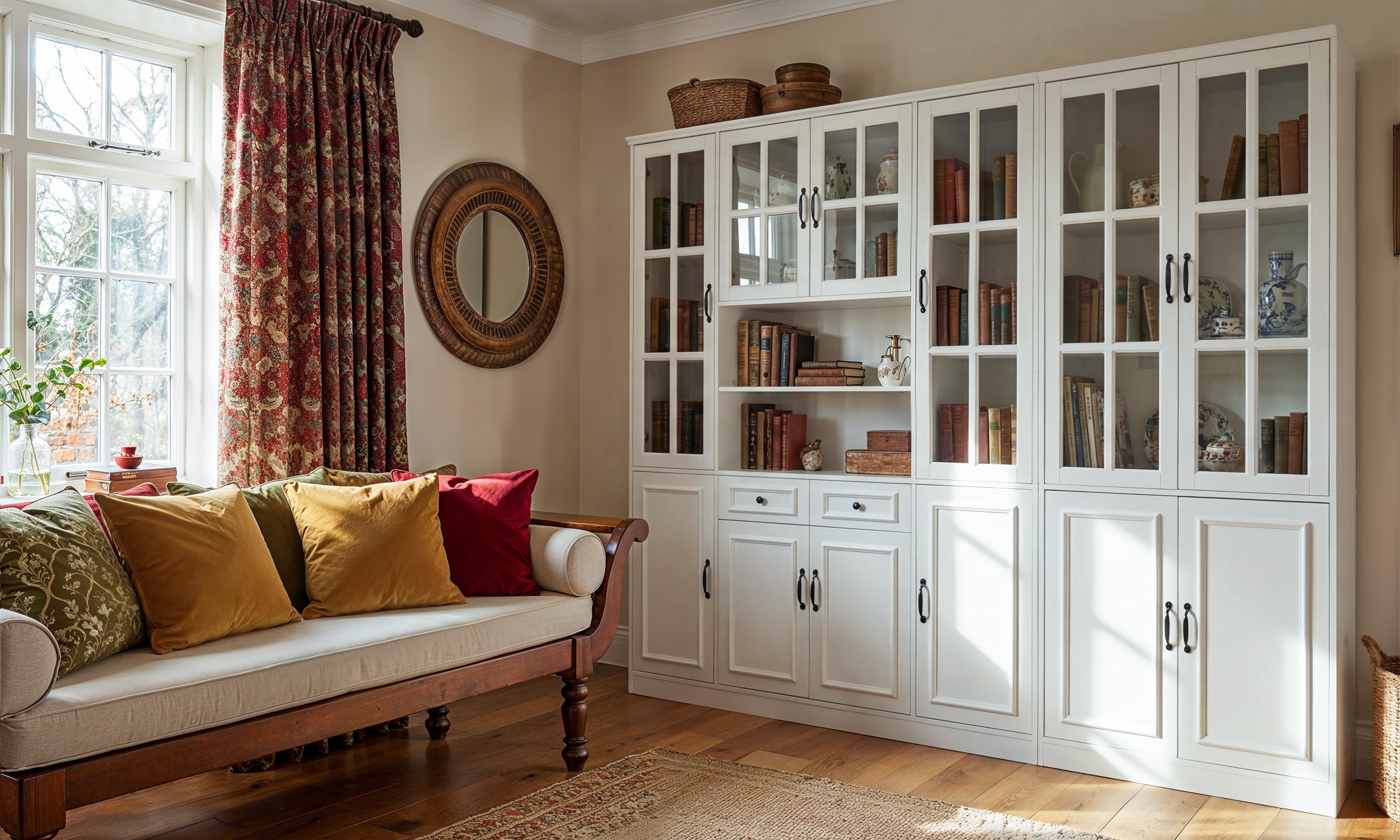
Because converter units occupy central desktop real estate, relocating stationery, paper archives, and hardware backups to adjacent storage furniture preserves an open workflow. Pairing your desk with an adjustable collection of shelving, bookcases, or mobile filing pedestals keeps desktop equipment within arm's reach while the central work area remains dynamic and streamlined.
Workstation Conversion Decision Matrix and Setup Best Practices
Selecting the ideal solution to convert sitting desk to standing configurations depends on clear workflow priorities:
- Footprint Compatibility: Match the converter's base dimensions directly against the clear, flat area of the host desk top.
- Mechanism Type: Choose X-frame scissor systems for tight depths or motorized units for heavy display arrays.
- Tier Geometry: Prioritize dropped keyboard shelves to protect wrist and forearm alignment across both seated and standing modes.
- Peripheral Management: Route cables with generous service loops to facilitate free vertical travel without snagging.
- Storage Pairing: Support active desktops with stationary credenzas and modular storage to balance open workspace with daily organization.
By assessing desk foundations, choosing the appropriate mechanical archetype, and pairing your workspace with coordinated auxiliary storage, converting your existing furniture creates an adaptable, ergonomic office setup built for long-term daily performance.


Leave a comment
This site is protected by hCaptcha and the hCaptcha Privacy Policy and Terms of Service apply.