

















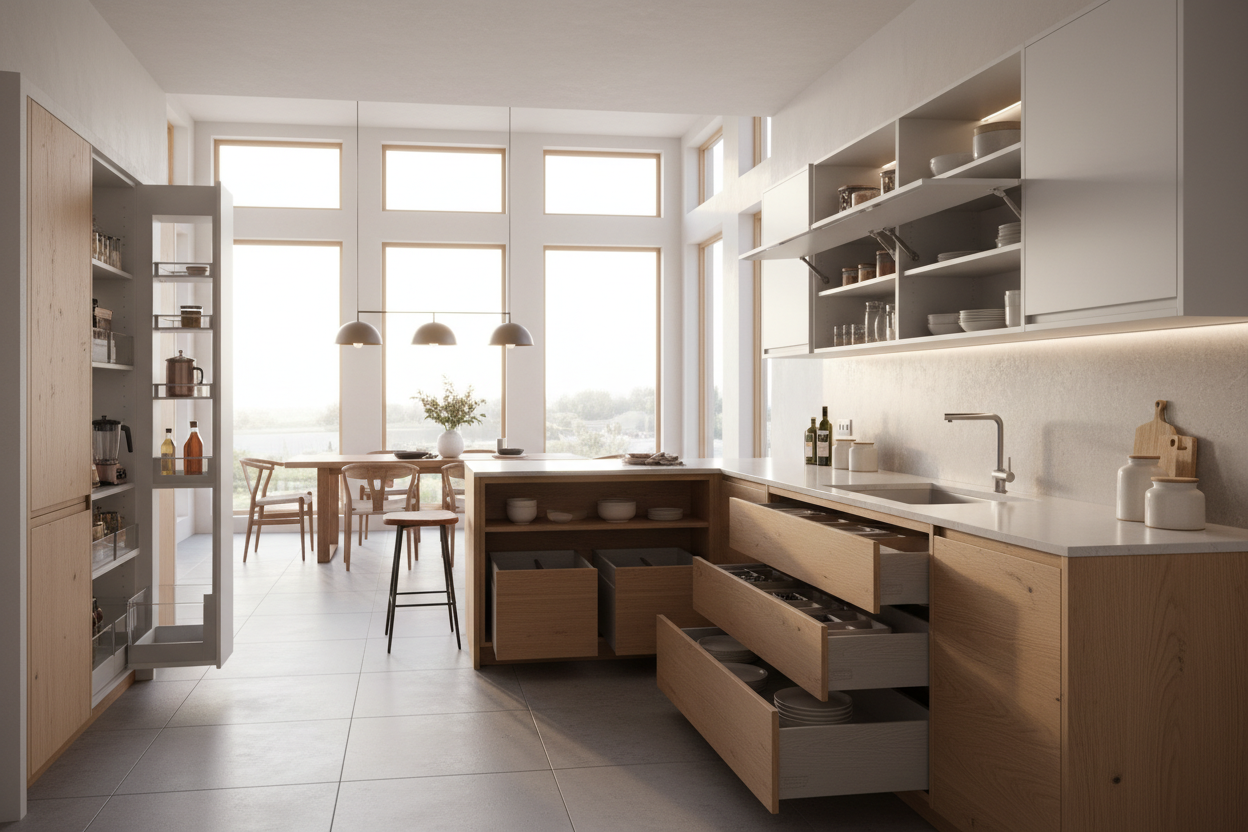
I've walked into hundreds of kitchens with homeowners who show me their cabinet options for kitchen plans, and I see the same worry. They've picked a beautiful door style, but they're concerned about whether their pots will actually fit, if they'll be able to reach the coffee mugs, or if the finish will hold up to their family's pace. It's not just about boxes and doors; it's about how your kitchen lives with you every day.
Quick Takeaways
- Material choice dictates durability and maintenance more than looks alone.
- Door style directly impacts how often you'll be cleaning and how spacious the room feels.
- Smart storage solutions like pull-outs are non-negotiable for a functional workflow.
- Standard cabinet dimensions often don't work for everyone—customize height and depth.
- Balance closed and open storage to keep your kitchen looking tidy without sacrificing accessibility.
The Foundation: Understanding Your Kitchen Cabinet Materials
Let's start with what your cabinets are made of, because this is where longevity is decided. Solid wood, like oak or maple, is the classic choice. It's durable and can be refinished, but it reacts to humidity—I've seen doors in coastal homes swell if not properly sealed. For most of my clients, I recommend plywood boxes with solid wood doors. Plywood is stable, strong, and less prone to warping than particleboard.
Then there's MDF (Medium-Density Fiberboard). It's incredibly smooth, perfect for painted finishes, and affordable. The downside? It doesn't handle water well. If your sink cabinet is MDF and has a leak, it can swell irreparably. Thermofoil is a vinyl layer fused to MDF. It's low-maintenance and great for modern, slab-style doors, but heat from a nearby oven or intense scrubbing can damage it. My rule: choose solid wood or plywood for base cabinets in high-moisture areas, and you can be more flexible with uppers.
Door Styles That Actually Work With Your Lifestyle
This is where aesthetics meet daily reality. The Shaker style, with its five-piece frame and recessed panel, is hugely popular in North America for good reason. It's timeless, and the simple lines are easy to clean—just a wipe down. Slab or flat-panel doors offer a sleek, modern look. They're also a breeze to clean, but they show every fingerprint and water spot, so if you have young kids, you might be wiping them constantly.
Inset doors, where the door sits flush within the cabinet frame, are a high-end, custom look. They require precise craftsmanship to prevent sticking with humidity changes. I once had a client in a very dry climate whose beautiful inset cabinets developed noticeable gaps in winter. For most homes, overlay doors (where the door lays over the frame) are more forgiving and cost-effective. Think about your cleaning routine: raised-panel doors have more crevices for grease to collect, while flat surfaces are simpler.
Storage Solutions That Transform Kitchen Workflow
Basic shelves are where functionality goes to die. You end up with a pile of pans in the back you can't reach. The single best upgrade you can make is incorporating pull-out shelves or drawers into your base cabinets. They bring everything to you. For corner cabinets, a lazy Susan or, better yet, a blind corner pull-out unit eliminates that black hole where items disappear.
Don't forget vertical space. Tall pull-out units for pantry items or baking sheets are game-changers. For pantry areas, specialized organizers can corral everything from spices to small appliances. Consider a solution like a Large Food Pantry Kitchen Cupboard Cabinet Organizer to maximize every inch and keep items visible and accessible, which is crucial when discussing specialized storage solutions for pantry areas.
The Height and Depth Dilemma: Making Cabinets Accessible
Standard upper cabinets are installed 18 inches above the countertop, with the bottom of the cabinet at about 54 inches from the floor. For anyone under 5'4", that top shelf becomes a stretch. I often recommend lowering uppers to 15 inches above the counter or incorporating a two-tier system with a lower, more accessible shelf. The depth matters too. Standard uppers are 12 inches deep. Going to 14 inches gives more storage but can make the room feel closed in and items at the back harder to reach.
Base cabinets are typically 24 inches deep. For accessible design, consider shallower cabinets (21-22 inches) at key workstations, so you're not leaning over as far. Always leave a minimum 36-inch walkway between cabinets and an island. For the cabinet above the fridge, I specify a depth of only 15-18 inches so it doesn't jut out awkwardly.
Integrating Additional Kitchen Furniture Seamlessly
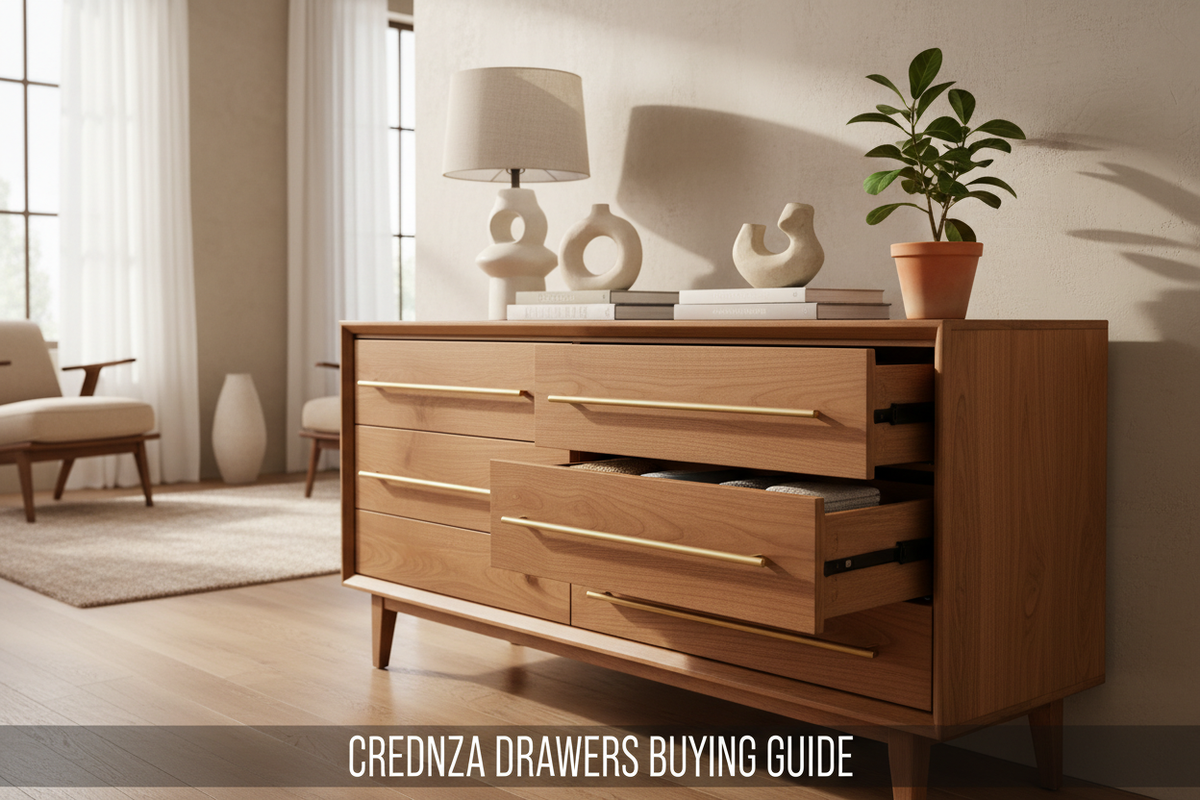
Built-in cabinets don't have to do all the work. A freestanding piece like a sideboard or a large kitchen island can add crucial storage and style. The key is cohesion. Match the finish or the hardware style to your main cabinets. A Storage Cabinet Large Sideboard Display Buffet can offer deep drawer storage for linens or serving platters, which is perfect when discussing freestanding furniture options for additional storage.
When explaining how to select complementary furniture pieces, my advice is to treat them like accessories, not competitors. Let your main cabinets be the workhorses. Use a sideboard for display or less-frequently used items. If you need more prep space and storage, browsing a Kitchen Islands Collection can show how islands can provide additional cabinet storage without the permanence of a full remodel.
Display vs. Concealed: Finding Your Cabinet Personality
Open shelving and glass-front cabinets look airy and beautiful in photos, but they demand curation. Everything on display needs to be intentionally styled and kept tidy. I suggest using them for items you use daily—like everyday dishes or beautiful glassware—so they're not just collecting dust. Reserve them for upper cabinets only.
For most households, a 70/30 or 80/20 split works best: 70% closed storage for the clutter (pots, pantry goods, cleaning supplies) and 30% open or glass-front for display. This keeps the kitchen feeling open but practical. If you go the glass route, consider textured or frosted glass to obscure contents slightly. For tips on making it look intentional, a resource like the Display Cabinet In Kitchen Styling Guide is invaluable when discussing how to style open or glass-front cabinets effectively.
Making Your Final Decision: The Designer's Checklist
Before you sign off on your order, ask yourself and your contractor these questions. First, have I touched and opened a sample of this exact door style and finish? Second, do my chosen kitchen cupboard options accommodate my tallest and shortest family members? Third, what is the lead time and warranty? Fourth, have I allocated at least 15-20% of my cabinet budget for interior organizers? And finally, will this style feel dated in 10 years, or is it a timeless foundation? Your answers will steer you toward long-term satisfaction.
Frequently Asked Questions
Are custom cabinets always better than semi-custom or stock?
Not always. Stock cabinets have come a long way in quality and offer great value. Semi-custom lets you modify sizes and finishes. Full custom is for unusual layouts or very specific design visions. For most renovations, high-quality semi-custom hits the sweet spot.
What's the most common mistake you see with cabinet installation?
Not leveling the cabinets perfectly during installation. It seems minor, but it causes doors to swing open or shut on their own and creates gaps. Always insist on a laser level being used.
How do I protect my cabinets from water damage?
Use a waterproof sealant on the inside of the sink base cabinet. Choose a durable, water-resistant material for that cabinet box (like plywood with a melamine coating). And always fix leaks immediately.
Is soft-close hardware worth the extra cost?
Absolutely, yes. It prevents slamming, extends the life of the cabinets, and is a small upgrade that feels luxurious every single day. I specify it on every job.


Leave a comment
This site is protected by hCaptcha and the hCaptcha Privacy Policy and Terms of Service apply.