

31 products


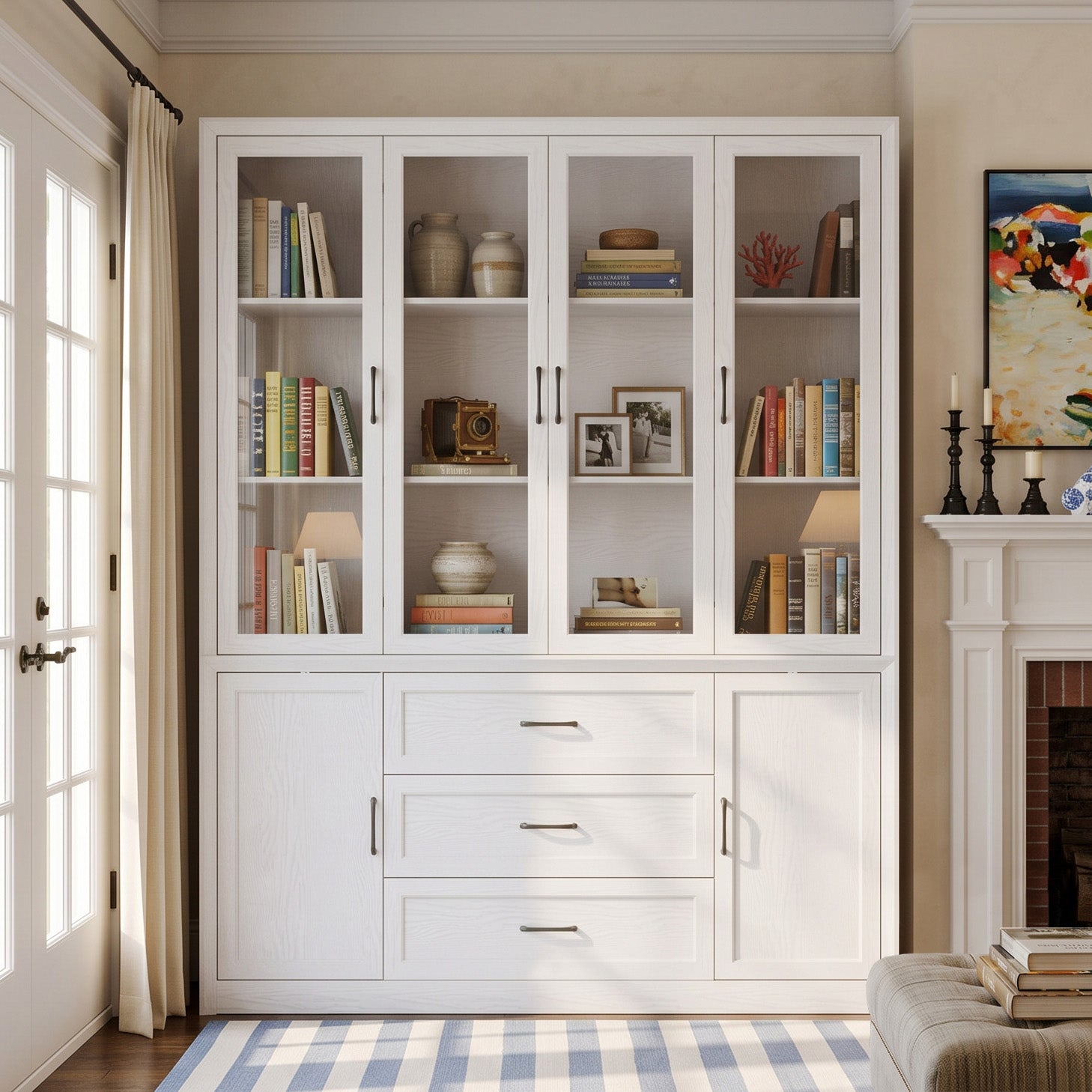


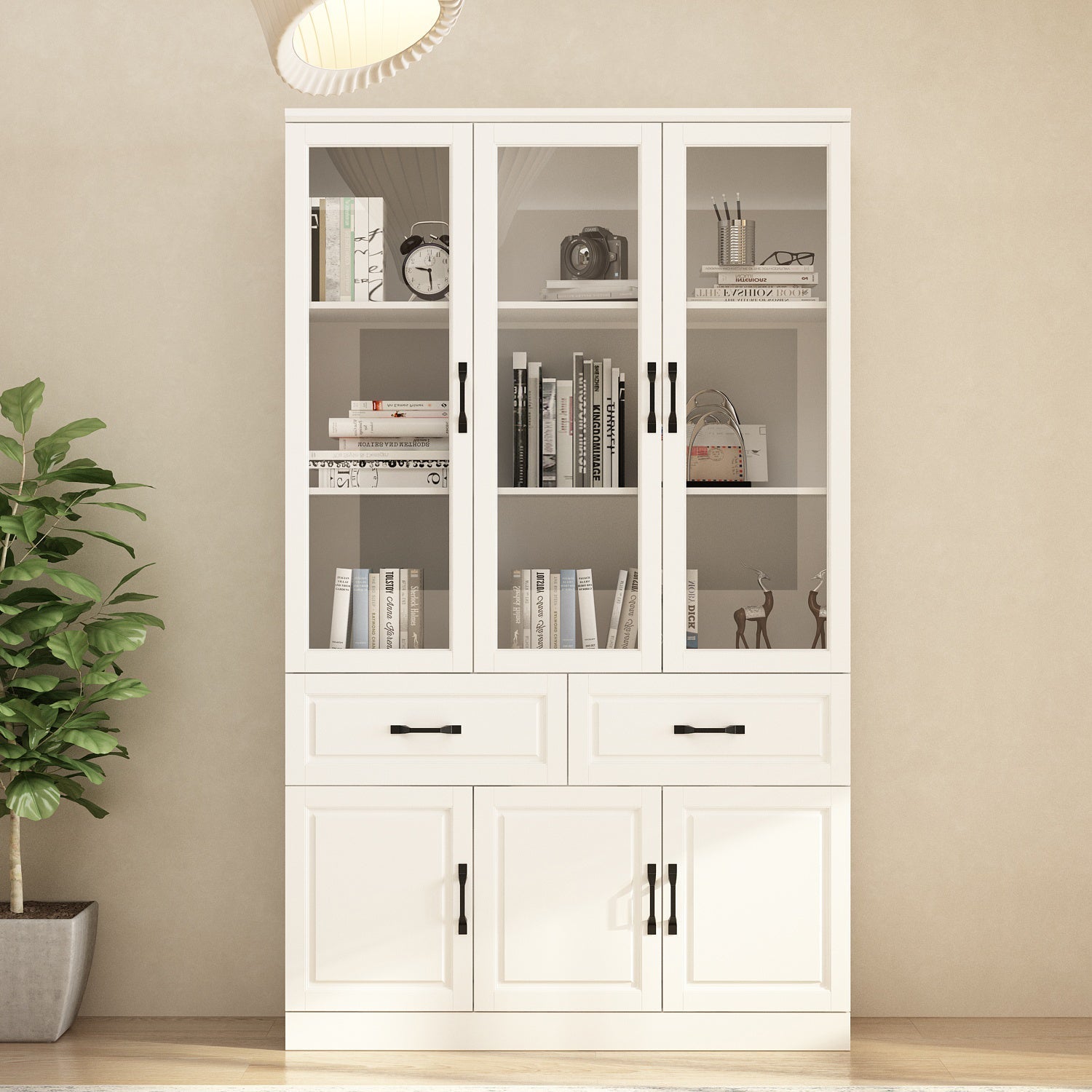


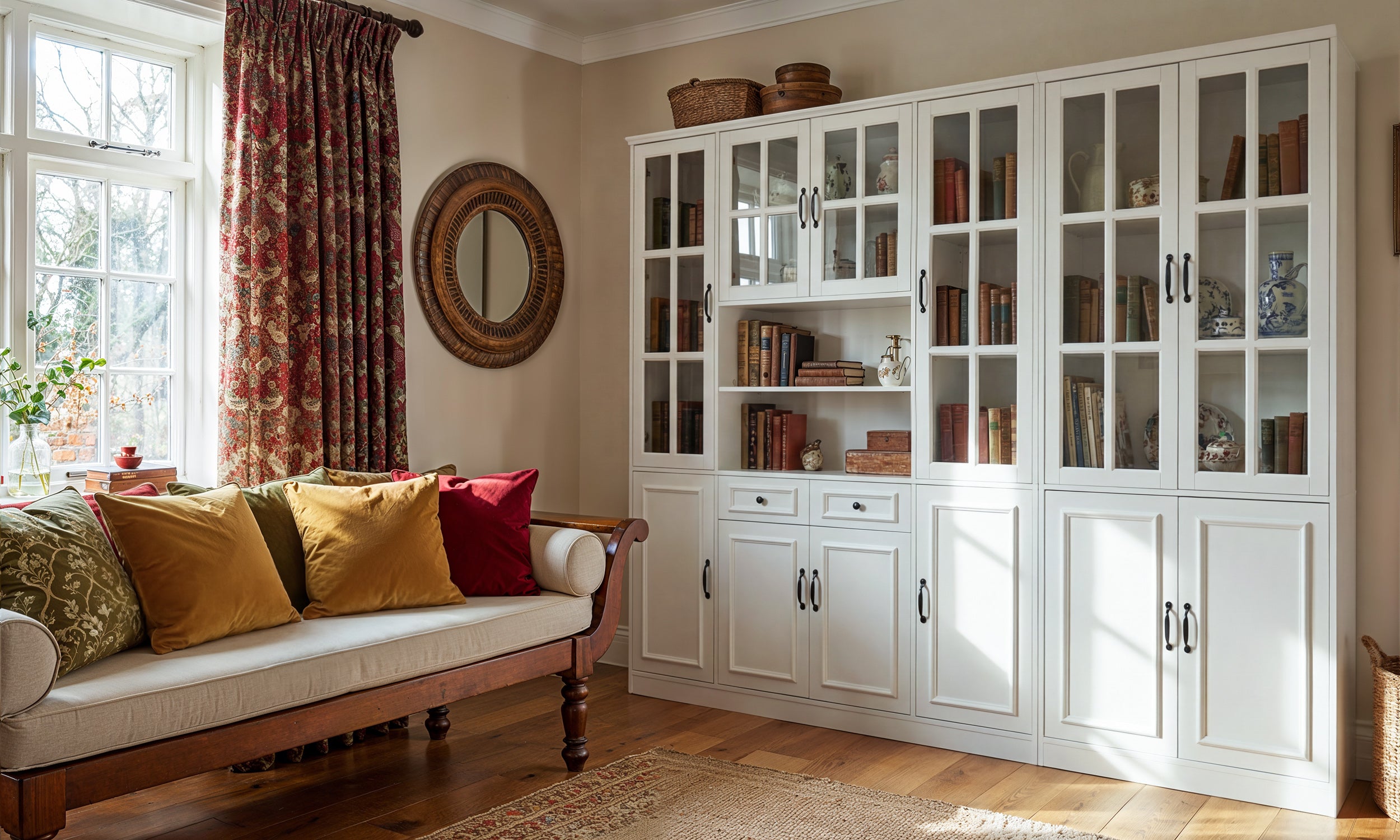
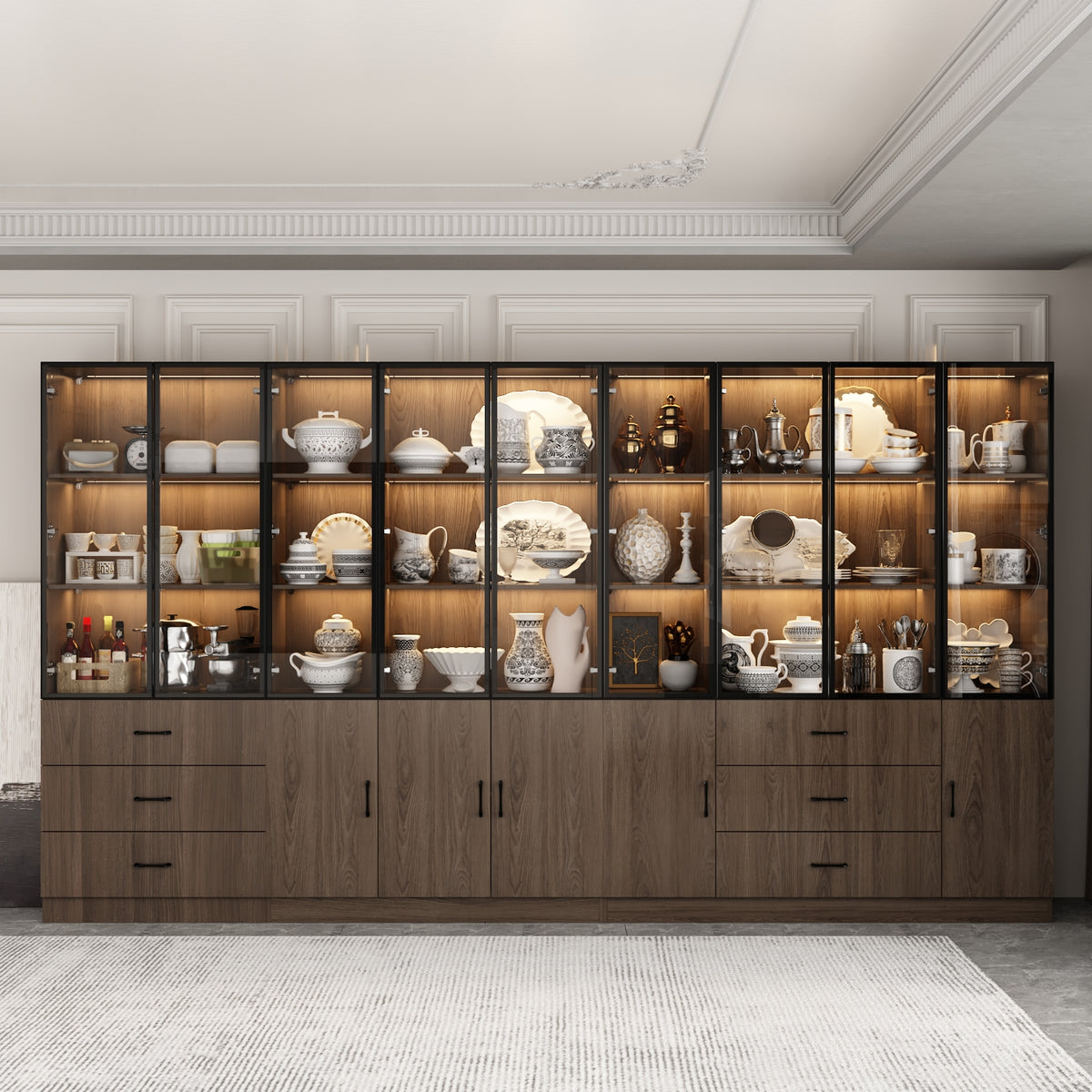
Modular storage cabinets are freestanding units sold in matching widths that you stand side by side to create one continuous wall of storage space, from a single 31.5" cabinet to a 141.7" wall-to-wall run. To choose, measure the wall first, combine widths that fit it, then decide how much you want behind glass, whether built-in lighting matters, and how deep the cabinets can be in your room.
What "Modular" Means Here: One Storage System, Many Widths
Each series below is designed as a family: the units share the same height, depth, color and finish, so a 31.5" piece and a 63" piece line up as one shelving system. You can start with one cabinet and add more over time as your life and home change, or select a ready-made wide combination. The widest models ship as several cabinets (the Sofna 141.7" set includes 3 pieces) that stand together like a built-in.
| Series | Look | Height × depth | Widths |
|---|---|---|---|
| Sofna | White, glass doors over closed doors | 78.7" × 15.7" | 31.5", 47.2", 63", 78.7", 94.5", 110.2", 141.7" |
| Vila | Classic white display cabinets with drawers | 78.7" × 15.7" | 31.5", 47.2", 63", 141.7" |
| Geyma | Brown wood tone, glass doors, LED lights | 78.7" × 15.7" | 31.5" to 141.7" |
| Varda | White or black, glass doors, LED lights | 78.7" × 14.2" (most widths) | 31.5" to 110.2" |
| Rena | White armoires and wardrobes | 74.9" × 19.3" | 15.7" to 79.3" |
The widths add up cleanly: 31.5" + 47.2" = 78.7", and 31.5" + 47.2" + 63" = 141.7". That makes a symmetric wall easy to plan. Our guide on how to plan a modular storage wall walks through real layouts.
How to Choose Modular Cabinets
Size: width, height and depth
Across the collection, heights run from 31.5" to 94.5" (median 74.8") and single units from 15.7" to 141.7" wide. The 78.7" display series leaves about 17" of open wall under a standard 8-ft ceiling. Depth decides what fits: 14.2–15.7" holds books, vinyl records, dishes and décor in a living room or dining room, while wardrobes at 19–20.6" hold hanging clothes in a bedroom. Leave a little slack on each side for baseboards and corners that are not perfectly square.
Style, color and build quality
Keep one series and color across the wall so it reads as one built-in style: crisp white (Sofna, Vila, Rena), a warm brown wood tone (Geyma) or white and black with lighting (Varda). Frames are manufactured wood (MDF) or a mix of solid and manufactured wood, and several series list scratch- and chip-resistant finishes for long-term durability.
Doors: glass, solid or both
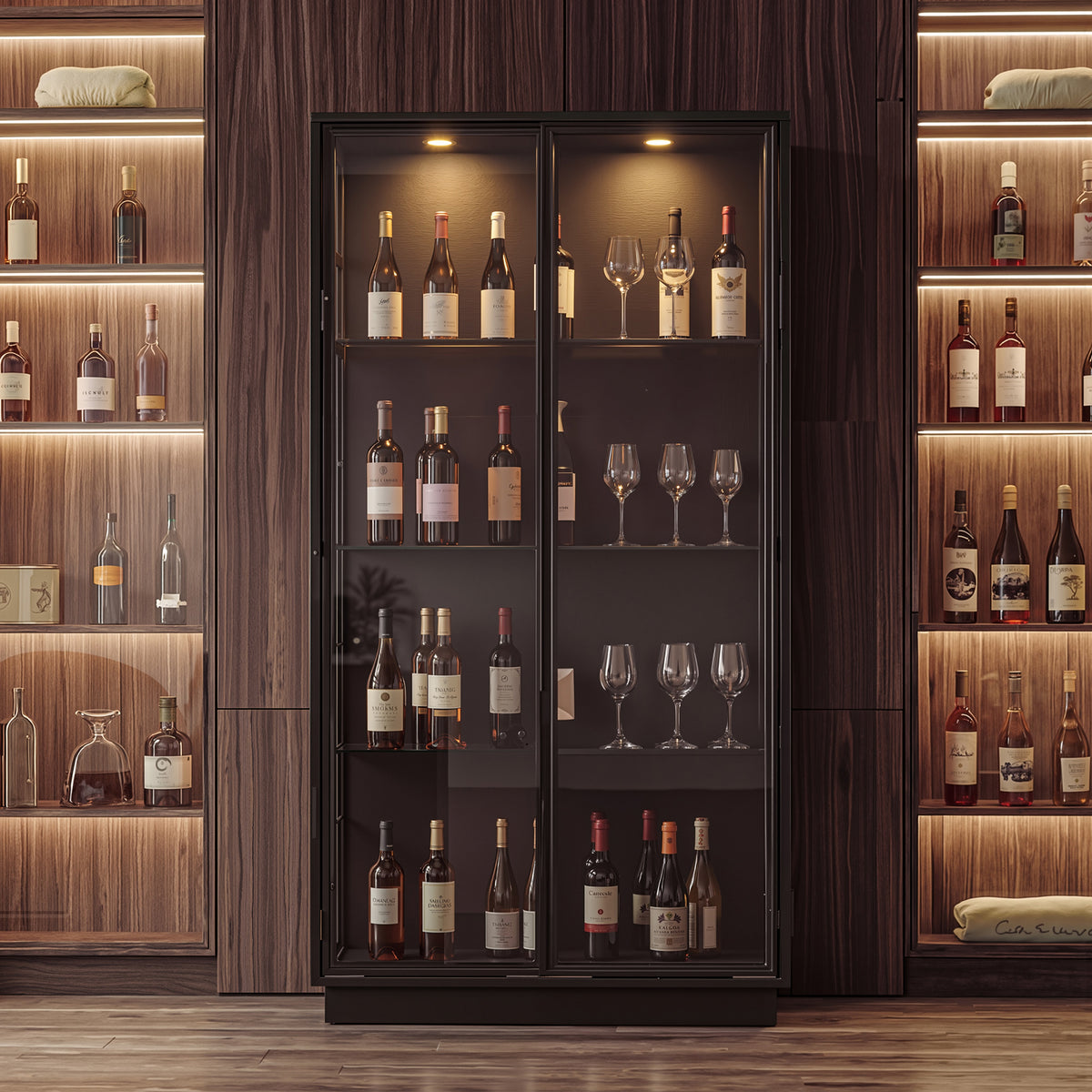
Glass doors show off collections and keep dust off them; several models use tempered glass. Closed doors hide paperwork, media gear and everyday clutter. Many units pair glass doors on top with closed storage or drawers below. You will also find frosted, mirrored and sliding glass doors. See types of cabinet doors to compare them.
Lighting, adjustable shelves and drawers
- LED lighting: 41 models include built-in lights. Plan the layout so lighted units sit near an outlet.
- Adjustable shelves: most shelves are rated 20–33 lb each.
- Drawers and door counts: door counts run from 2 on a single cabinet to 18 on the widest Sofna set, and many units add drawers at the base for small items.
Living Room, Dining Room or Bedroom: Where Modular Cabinets Work Best
- Living room: a wall of glass-door bookcases on either side of a TV, or a full library wall.
- Dining room: display cabinets for china and glassware, a taller alternative to sideboards.
- Bedroom: matching armoires lined up as a freestanding closet.
- Home office and entryway: closed cabinets for files and supplies, or slim units for shoes and bags.
Modular furniture is ideal for renters, since every piece comes apart again. Need a single standalone piece instead? Browse storage cabinets or bookcases and display cabinets.
Safety, Assembly and Delivery
A tip-over restraint kit is included with 171 of the 174 models that list this spec, and every unit in a combination needs its own wall anchor (see how to anchor a bookcase to the wall). Every model that lists the spec requires assembly, and most suggest two people. Orders ship free to the 48 contiguous states and DC, most in-stock items leave our US warehouses within 48 hours, and delivery typically takes 7–9 days. Unused, unassembled items can be returned within 35 days, furniture bought on fufugaga.com carries a 2-year limited warranty, and a 30-day price match applies if the same item drops in price.
Modular Storage Cabinets FAQs
What is a modular cabinet?
A modular cabinet is a standard-size storage unit designed to be combined with matching units. Pieces in the same series share height, depth and finish, so you can line up a 31.5" and a 63" cabinet into one continuous wall, then add, remove or rearrange units later. In this collection the modules are freestanding furniture, not cabinets built into the wall, so they move with you.
What is the difference between built-in cabinets and modular cabinets?
Built-in cabinets are designed, made and fixed in place for one specific wall, usually by a carpenter, and stay with the house. Modular cabinets come in set widths, arrive ready to assemble and are anchored to the wall rather than built into it, so they cost less, go up without a contractor and can be reconfigured or moved. Our guide on modular cabinets vs built-in cabinets compares cost, flexibility and looks.
How do I combine modular storage cabinets into one wall?
Measure the wall width, ceiling height and any outlets, windows or vents, then add up unit widths from one series until you are just under the wall width. For example, 31.5" + 78.7" + 31.5" makes a symmetric 141.7" wall. Keep all units in the same series so heights and depths match. See how to plan a modular storage wall for worked layouts.
Can you connect two cabinets together side by side?
Yes. Level both units first, clamp the side panels so the fronts are flush, then join them with short screws or connector bolts sized to the combined panel thickness so nothing pokes through. Connecting keeps the line straight, but it does not replace anchoring: each cabinet still needs its own wall anchor. Our step-by-step guide covers how to connect cabinets together.
Should I choose modular storage cabinets with glass doors or solid doors?
Choose glass doors for things you want to see, such as books, china, collectibles or vinyl records, since glass keeps dust off while staying on display. Choose solid doors for paperwork, media equipment and anything that looks cluttered. Many units here combine both, with glass upper doors and closed storage or drawers below. Compare options in types of cabinet doors.
How much weight can the shelves hold?
Most shelves in this collection are rated between 20 and 33 lb each; check the exact figure on each product page. A shelf full of hardcovers or records gets heavy fast, so spread heavy items across several shelves and keep the heaviest ones low, which also lowers the center of gravity and makes the cabinet more stable.
Do modular cabinets need to be anchored to the wall?
Yes. The U.S. Consumer Product Safety Commission advises anchoring furniture such as bookcases and dressers to the wall. A tip-over restraint kit comes with 171 of the 174 models that list this spec. When several units stand side by side, anchor every unit into a wall stud or a suitable wall anchor, even if they are screwed together. See how to anchor a bookcase to the wall.
How are modular storage cabinets delivered, and can I return them?
Orders ship free to the 48 contiguous US states and DC with front-door delivery; most in-stock items leave US warehouses within 48 hours and arrive in about 7–9 days. Wide combinations arrive as several boxes, and most pieces need two people to assemble. Unused, unassembled items in original packaging can be returned within 35 days, and damage reported within 14 days is handled at no cost.
Modular Storage Cabinets Guides & Ideas
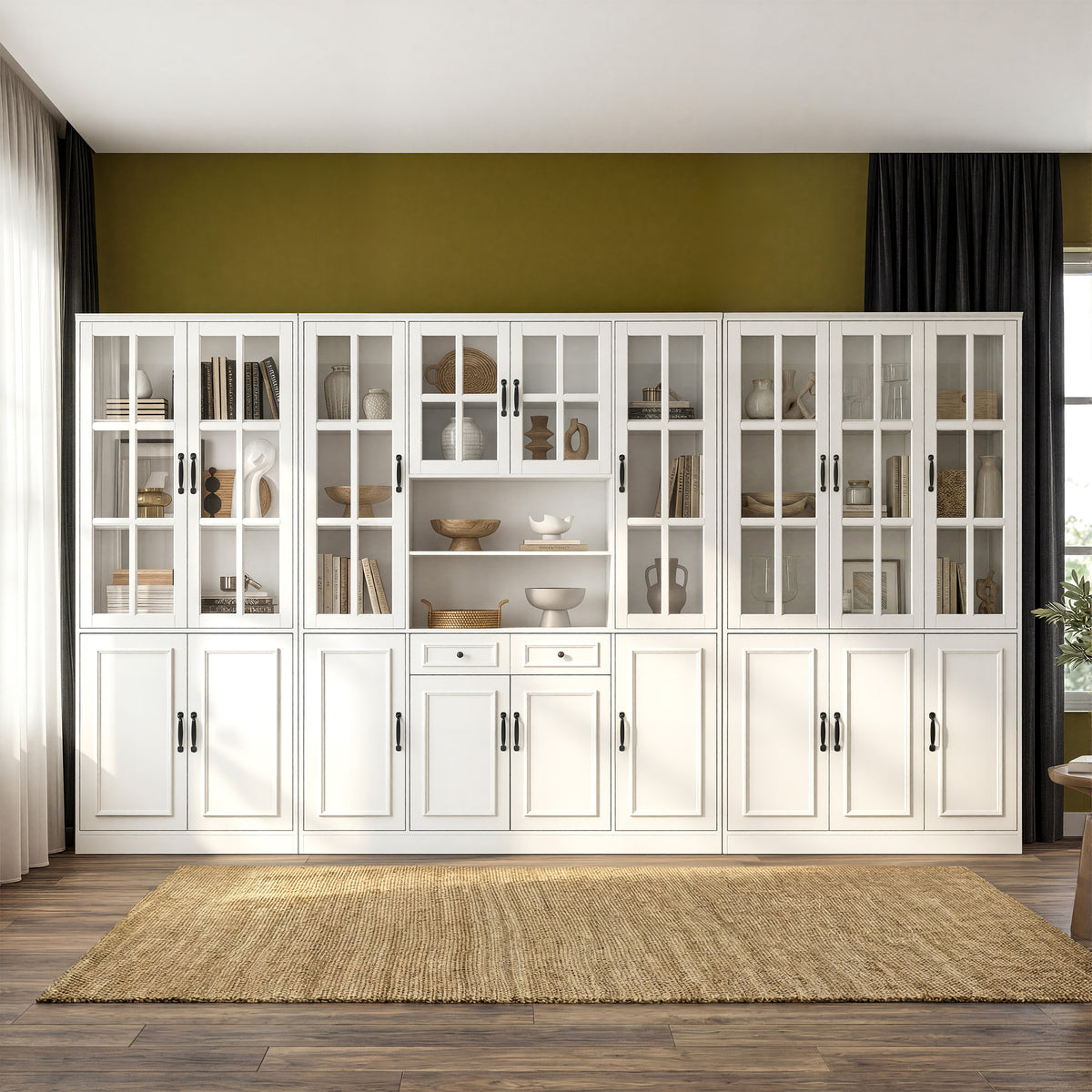
Modular Cabinets vs Built-In Cabinets: Cost, Flexibility and Look Compared
Modular cabinets are ready-made units you combine and anchor; built-ins are custom cabinetry fixed to one wall. This guide compares cost, lead time, installation, moving house, home value and the l...
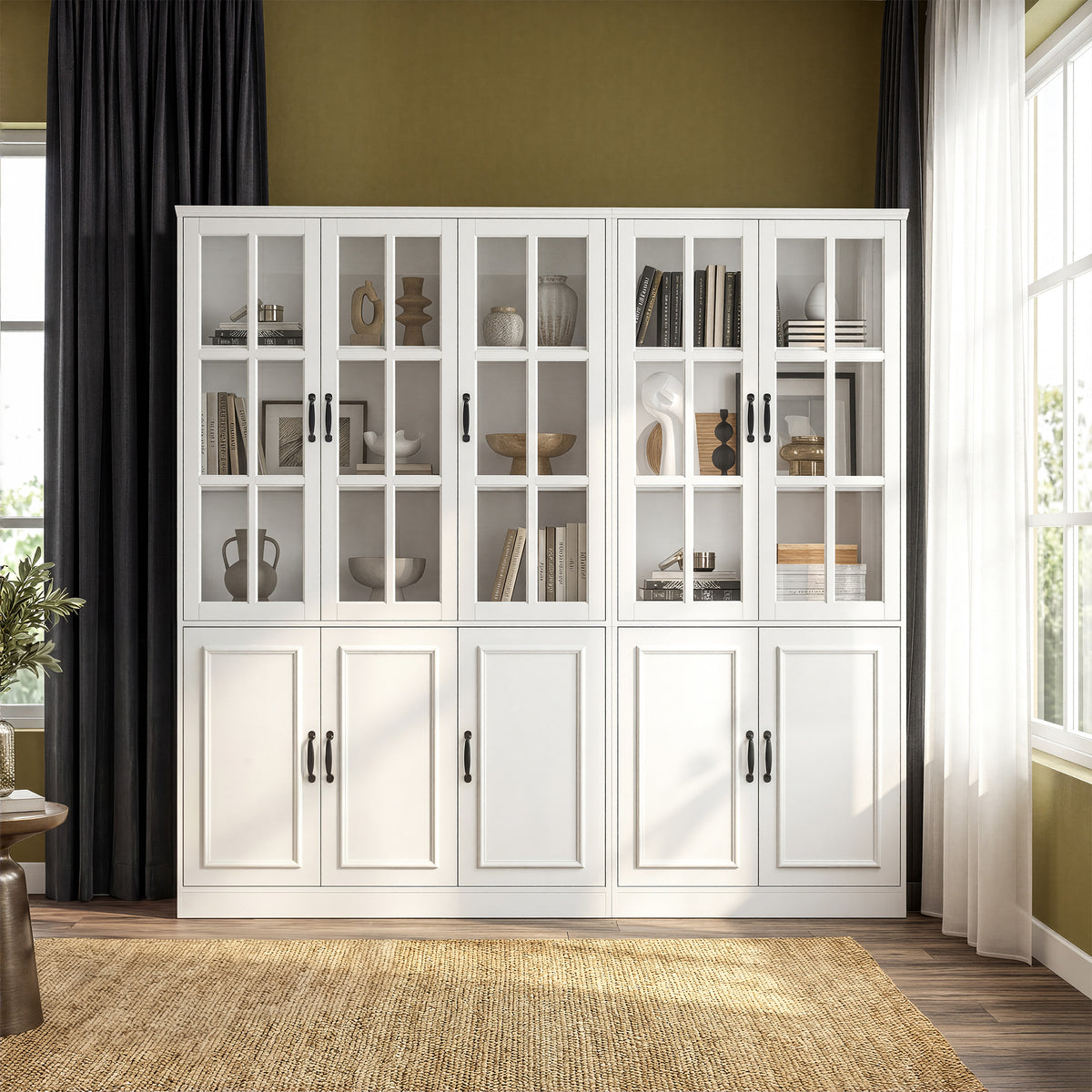
How to Plan a Modular Storage Wall: Measuring, Widths and a Worked Example
Measure the wall and its obstacles, pick one cabinet series, then add up widths until you land just under the wall width. This guide walks through each step with a worked 12-foot example.
How to Connect Cabinets Together: Leveling, Clamping, Screws and Anchoring
Level the cabinets, clamp the side panels flush, drill pilot holes and join them with screws or connector bolts sized to the panels, then anchor every unit to the wall. Step-by-step, with gap fixes.
Types of Cabinet Doors: Hinged, Glass, Sliding, Flip-Up and Open Compared
Cabinet doors differ by how they open, what the front is made of and how they mount. Compare hinged, sliding, flip-up and open designs, plus glass, slab and Shaker fronts, for storage, display and ...
Which Product Is Right for You?
Compare key features side by side and find the right fit.