




Your foyer is the handshake of your home. It sets the mood the moment the front door swings open, yet it is often the most neglected space in terms of thoughtful design. Choosing the right furniture here is about balancing function with visual appeal. A white and brown entry table strikes this balance perfectly by merging the airy, clean aesthetic of painted furniture with the warmth and texture of natural wood. This combination prevents a hallway from feeling too sterile while ensuring it doesn't feel dark or heavy.
The appeal of a white console table with brown top lies in its versatility. It bridges the gap between different interior styles, acting as a chameleon that fits just as comfortably in a coastal cottage as it does in a modern farmhouse or a traditional suburban home. The white base reflects light, helping narrow hallways appear larger, while the wood surface provides a durable landing pad for keys, mail, and decorative accents, hiding wear and tear much better than a painted surface would.
A Lesson Learned in Hallway Lighting
I learned the power of this color combination the hard way a few years ago. I was redesigning a narrow, windowless entryway in a client's home that felt perpetually like a cave. We initially tried a solid dark mahogany antique table. While the piece was beautiful, it sucked the remaining light out of the space, making the walls feel like they were closing in. We pivoted and swapped it for a two-tone piece—a creamy white base with a reclaimed oak top.
The difference was immediate. The white legs blended with the light wainscoting, making the floor space look wider, while the wood top connected visually with the hardwood flooring. It anchored the vignette without weighing it down. Since then, I’ve viewed two-tone furniture not just as a style choice, but as a strategic tool for correcting lighting and spatial issues in tight corridors.
Choosing the Right Wood Tone for Your Space
Not all brown tops are created equal. The specific shade of the wood surface dictates the overall vibe of the entryway. If your home leans towards a Scandinavian or Coastal aesthetic, look for a white and brown entry table featuring light oak, ash, or whitewashed pine. These lighter wood tones keep the contrast soft and subtle, promoting a relaxed atmosphere.
For a more dramatic or traditional look, a deep walnut or espresso-stained top against a crisp white base creates a sharp, sophisticated contrast. This high-contrast look works exceptionally well in transitional homes where you might have black hardware or darker floor tiles. When shopping, bring home swatches or photos of your existing flooring. You generally want the wood top of your console to either match your floors closely or contrast them significantly; a near-miss match can look accidental and clash.
Durability and Material Selection
Entryways are high-traffic zones. We drop heavy grocery bags, toss keys, and stack mail on these surfaces daily. This is where the practical genius of a white console table with brown top shines. Painted white tops chip easily and show dust, fingerprints, and water rings instantly. A stained wood top, however, is far more forgiving.
When evaluating potential tables, inspect the material of the top closely. Solid wood is always preferable because it can be sanded and refinished if it gets scratched deep enough. Veneers can look fantastic and save money, but ensure the veneer is thick enough to withstand daily abuse. If you choose a table with a distressed or reclaimed wood top, you gain an extra layer of camouflage; new scratches simply blend in with the rustic character of the piece.
Styling Your Console Table
Once the furniture is in place, the styling brings it to life. The two-tone nature of the table gives you two distinct palettes to play with. You can pull from the white base to choose bright, ceramic lamps or matte white vases, which creates a seamless look. Alternatively, you can pull from the brown top to select woven baskets, wooden bowls, or bronze accents that highlight the warmth of the timber.
The Anchor Piece
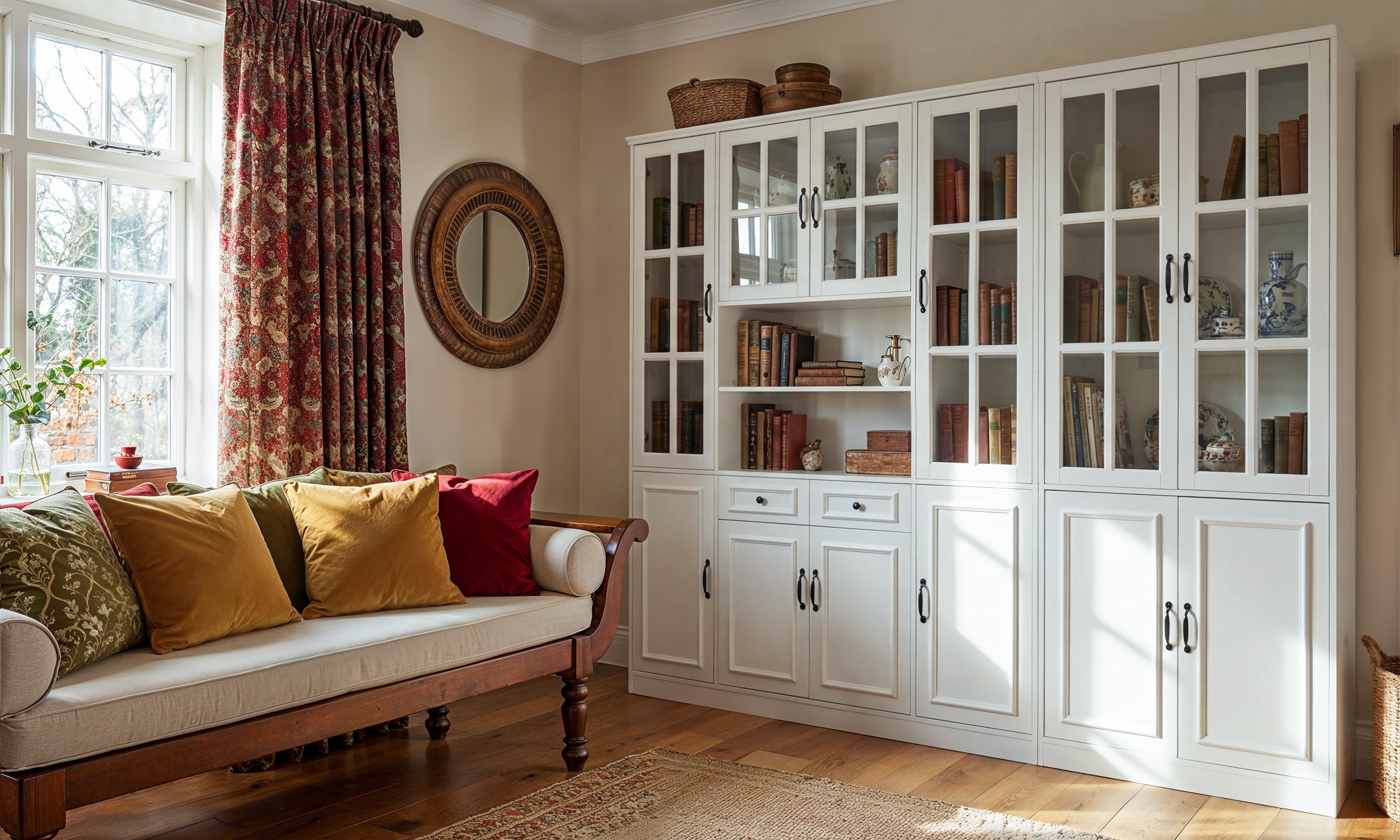
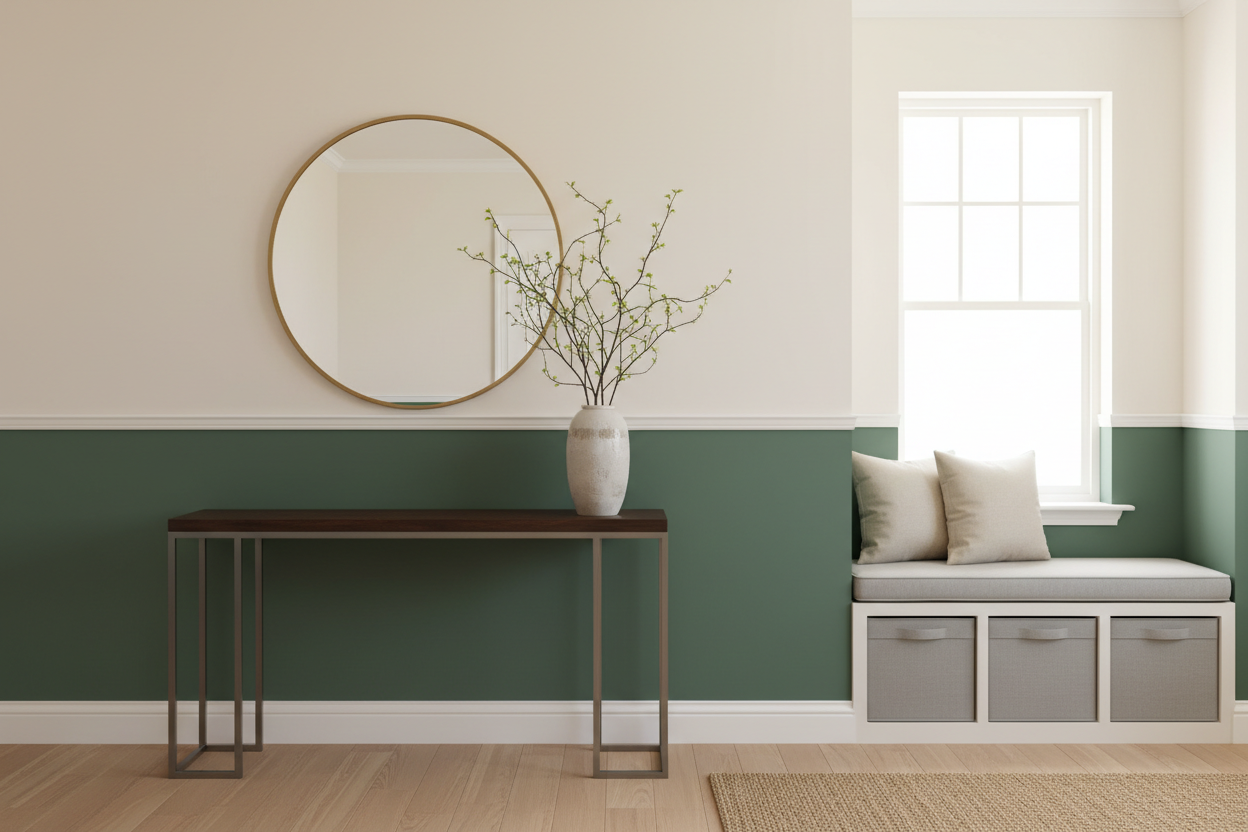
Start with a large focal point on the wall above the table. A round mirror is a classic choice for a rectangular console; the curves soften the straight lines of the furniture. For a white and brown table, a mirror with a thin brass or black frame adds a modern touch, while a wood-framed mirror can emphasize the rustic vibe.
Lighting and Height
Add height with a table lamp or a tall vase with greenery. If your hallway lacks natural light, a lamp is non-negotiable. The warm glow of a bulb reflecting off the wood top creates a welcoming ambiance that overhead lighting simply cannot replicate.
Under-Table Storage
Don’t ignore the space between the legs. The white base of the table frames the negative space underneath beautifully. Placing two large textured baskets (seagrass or wicker work well) under the console adds functionality for storing shoes or umbrellas and adds texture that bridges the gap between the white legs and the floor.
DIY: Creating the Look Yourself
You might already own a piece of furniture that has good bones but the wrong finish. Creating a white and brown entry table is one of the most satisfying DIY projects because it is relatively forgiving. If you have an all-wood table, you don't need to strip the entire thing. You only need to strip and refinish the top to showcase the grain.
For the base, a light sanding followed by a high-quality primer and enamel paint will transform the piece. Chalk paint is popular for this, but for an entryway that sees scuff marks from shoes, a satin or semi-gloss enamel is much easier to wipe clean. This approach allows you to customize the exact shade of white—cool, warm, or cream—to match your trim, something that is hard to control when buying pre-made furniture.
Functionality Features to Look For
Beyond aesthetics, consider how the table serves your lifestyle. If you are prone to clutter, look for a model with drawers. A white console table with brown top featuring drawers allows you to sweep unsightly mail, chargers, and loose change out of sight instantly. The hardware on these drawers (knobs or pulls) also offers a chance to introduce metal accents like brushed nickel or oil-rubbed bronze.
For narrower spaces, look for open shelving at the bottom rather than a solid cabinet base. The open shelf maintains the visual lightness of the white frame, ensuring the hallway doesn't feel cramped, while still offering a surface for decorative books or storage bins. Always measure the depth of your hallway before purchasing; you ideally want at least 36 inches of clearance for walking past the table comfortably.
Frequently Asked Questions
Does the wood top need to match my hardwood floors?
No, it does not need to be an exact match. In fact, a slight contrast is often better to prevent the furniture from disappearing into the floor. If your floors are dark, a lighter wood top can provide a nice lift, or vice versa, but try to keep the undertones (warm vs. cool) consistent.
How do I clean a two-tone console table properly?
Treat the two sections differently according to their finish. Use a damp microfiber cloth with mild soap for the painted white base to wipe away scuffs, but use a dedicated wood cleaner or polish for the stained top to nourish the grain and protect the seal.
Can I mix a white and brown table with modern decor?
Absolutely. While often associated with farmhouse styles, a two-tone table with clean, straight lines and no distressing fits perfectly in modern spaces. Look for a glossy white finish and a smooth, dark walnut top to achieve a sleek, contemporary look.

Leave a comment
This site is protected by hCaptcha and the hCaptcha Privacy Policy and Terms of Service apply.