




I spent three years staring at a tangle of black cords that looked like a nest of techno-snakes behind my TV. I bought into the minimalist trend hard, opting for a spindly walnut bench that had exactly zero drawers. It looked great on Pinterest; in my actual house, it looked like a Best Buy dumpster had exploded in the middle of my home. I finally realized that my obsession with 'airy' furniture was actually making my life harder.
The breaking point came when I tripped over a stray HDMI cable while carrying a bowl of popcorn. That was the day I decided to hunt for actual entertainment cabinets for living room storage that could swallow my mess whole. If you are tired of seeing your router’s blinking lights every time you try to watch a movie, you are in the right place.
Quick Takeaways
- Minimalist stands often fail family life because they offer zero hidden storage.
- Closed-door units allow for 'five-minute tidying' before guests arrive.
- Proper ventilation is non-negotiable for gaming consoles and receivers.
- Scale matters—a stand that is too small makes your TV look like an oversized billboard.
The Minimalist Console Trap (And Why I Fell for It)
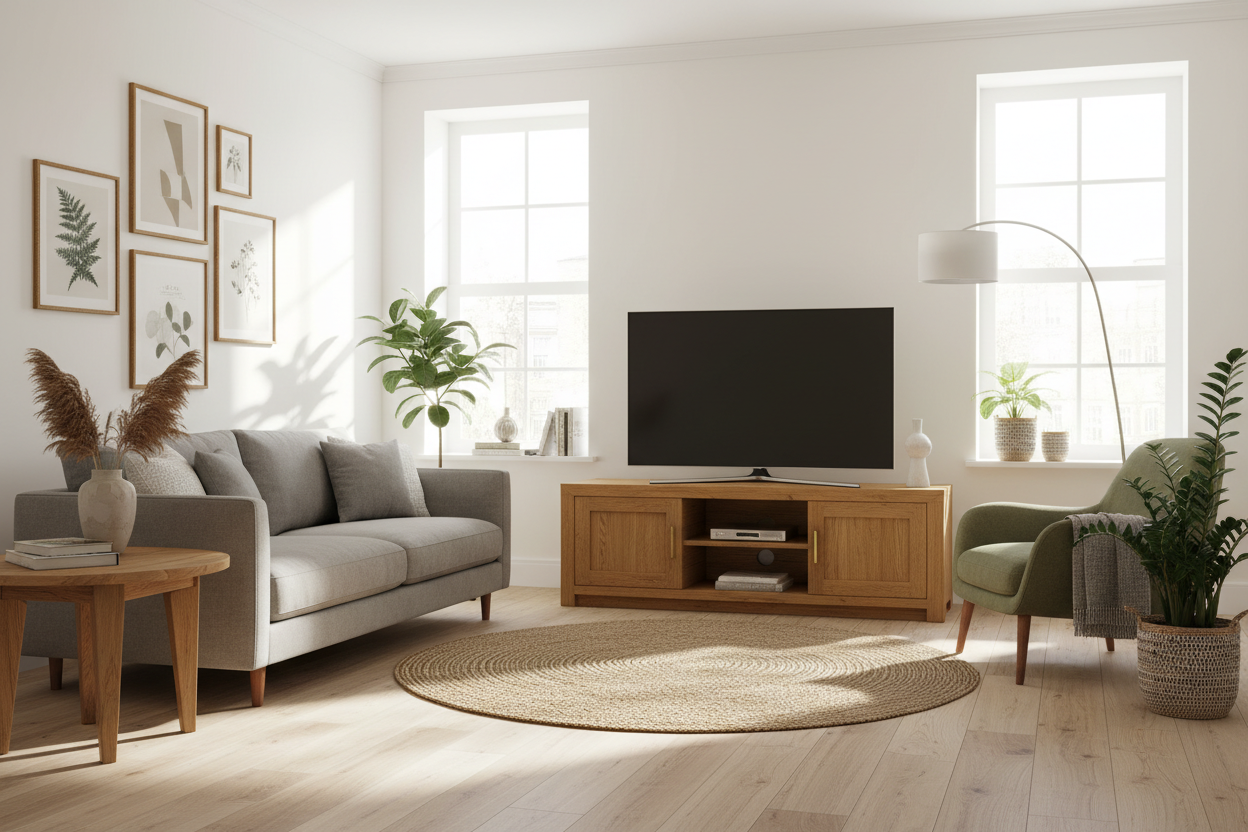
I fell for the aesthetic. You know the one—the 60-inch mid-century modern stand with tapered legs and open shelving. It looked sleek because the professional photographer only put one ceramic vase and a single linen-bound book on it. They didn't show the PlayStation 5, the tangled mess of power strips, or the stack of board games with missing lids.
Within a month, my 'sleek' setup was buried. The open shelves meant I saw every speck of dust that settled on the black plastic of my electronics. Because there were no doors, I had to meticulously coil every cable with Velcro ties, and it still looked like a disaster. Minimalist living room stands are great if you don't actually own any electronics, but for a family that actually lives in their space, they are a logistical nightmare.
Why You Actually Need Living Room Entertainment Sets
We need to stop pretending that we only have one slim remote. Between the soundbar, the gaming consoles, the physical media (yes, some of us still like 4K discs), and the smart home hubs, the average family room is a tech hub. This is why upgrading your living room from a basic shelf to a substantial unit is a rite of passage into adulthood.
Modern living room entertainment sets provide the structural integrity that those cheap flat-pack stands lack. I’m talking about 1-inch thick shelving that won't sag under the weight of a heavy receiver and back panels with pre-drilled cable management holes. When you invest in home entertainment units that are built for the job, you stop fighting against your furniture and start letting it work for you. It’s about creating a designated 'zone' for tech so it doesn't bleed into your relaxation space.
The Magic of Closed-Door Storage
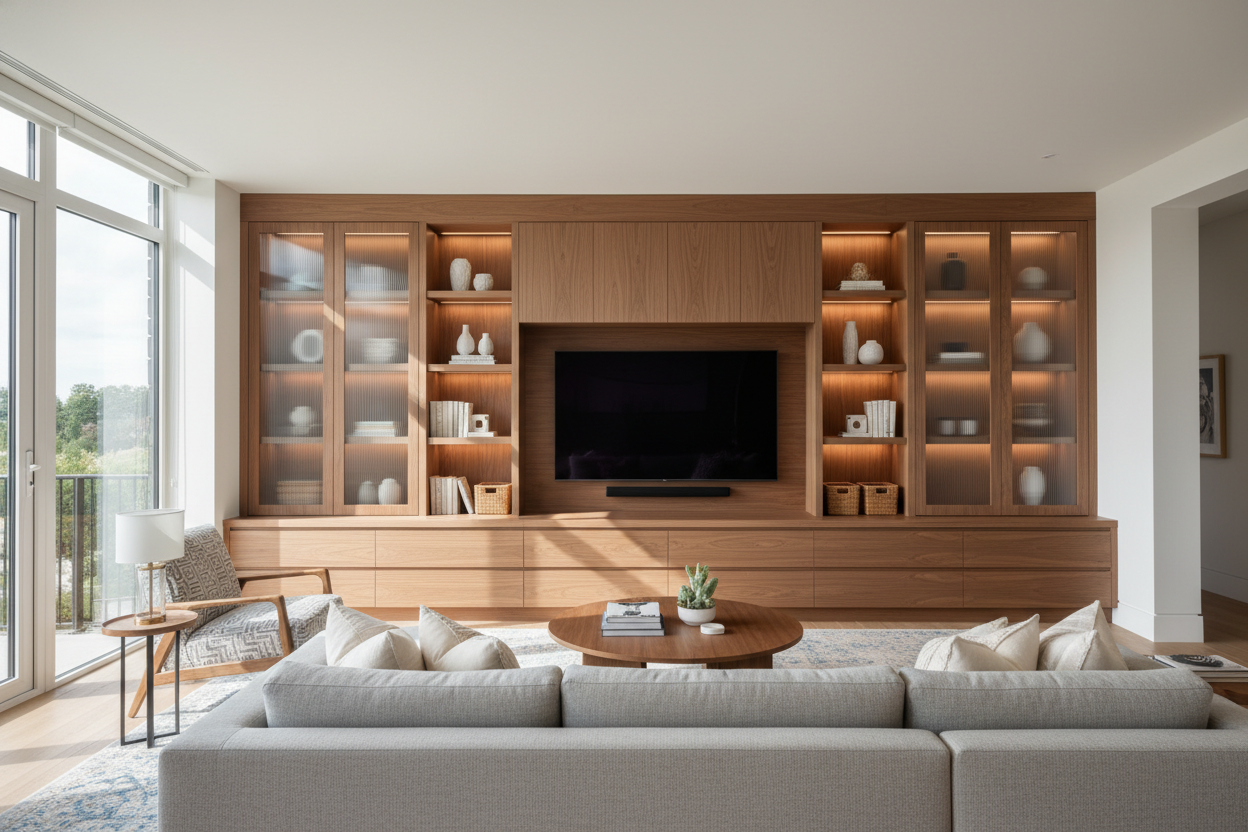
Doors are the ultimate cheat code for a clean house. I don't care how organized you think you are; you cannot make a router and a mesh node look 'designed.' A solid living room entertainment cabinet acts as a physical barrier between your chaos and your calm. I’ve found that having four solid doors is the secret to a clutter-free living room because it allows for 'shove-and-shut' cleaning.
When my mother-in-law calls to say she’s ten minutes away, I don't panic. I sweep the stray controllers, the half-finished puzzle, and the spare charging cables into the cabinet and click the magnetic latches shut. Instant peace. Plus, if you choose a unit with adjustable interior shelving, you can customize the height to fit everything from tall board game boxes to oversized coffee table books that you’re tired of looking at.
How to Choose Home Entertainment Units That Don't Look Bulky
The biggest fear people have with entertainment units for living room spaces is that they will look like a giant 'wall of wood' from 1994. If you are worried about looking too 90s, focus on the base of the furniture. Units that sit flush on the floor feel much heavier than those with even a 4-inch leg. Seeing a bit of floor underneath the cabinet tricks the eye into thinking the room is larger than it is.
Proportions are also key. Your entertainment living room furniture should be at least 6 to 10 inches wider than your TV on both sides. A TV that overhangs the edges of a stand looks top-heavy and unstable. If you have a massive 75-inch screen but a narrow wall, a wide adjustable TV stand can help you bridge that gap without making the room feel cramped. Stick to neutral tones or natural wood grains like white oak or walnut to keep the vibe contemporary rather than dated.
Styling Living Room Stands So They Look Intentional
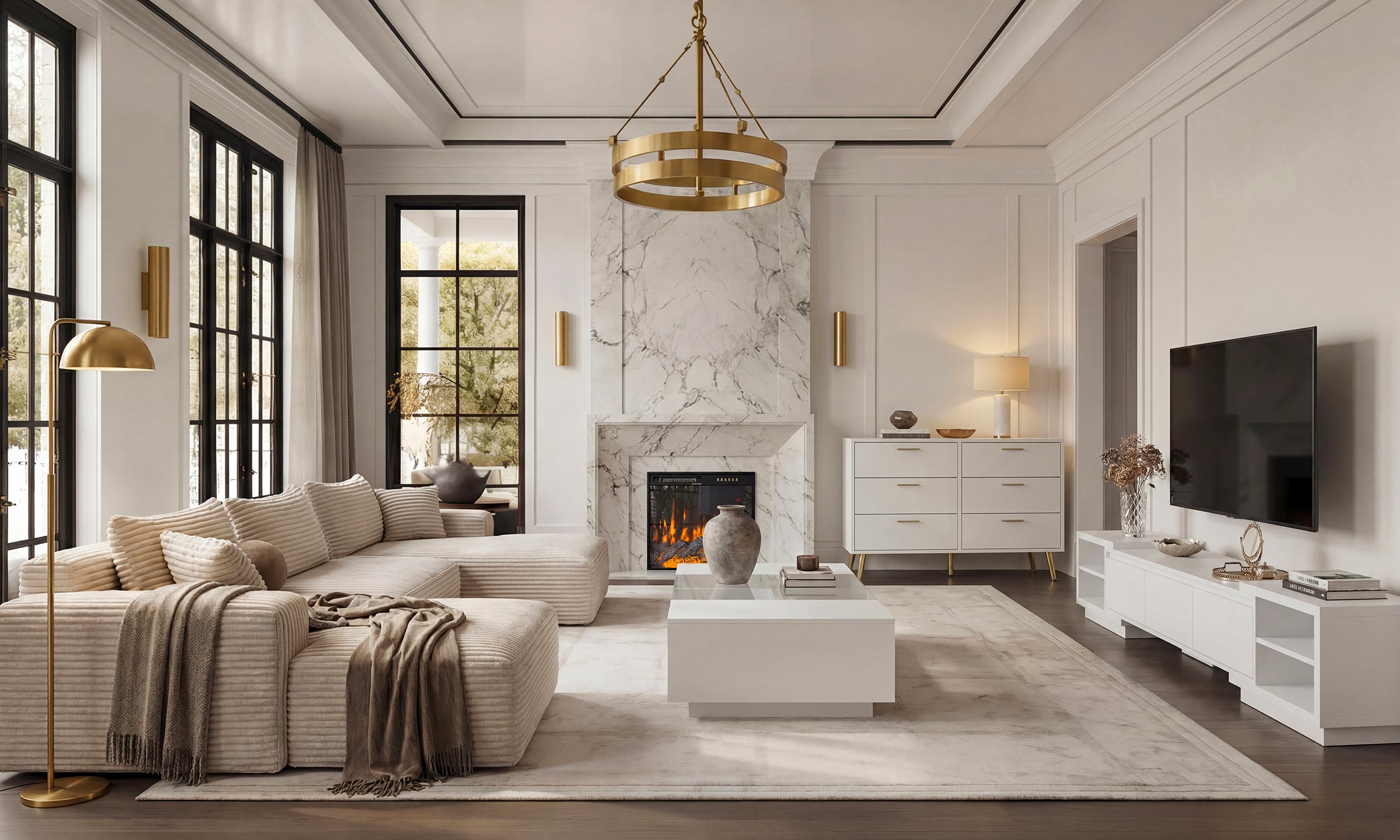
Once you have a large living room entertainment center, you have a lot of surface area to work with. The goal is to soften the hard edges of the TV. I like to place a tall plant—something like a snake plant or a dried floral arrangement—on one side to add height and organic texture. On the other side, a small stack of books with a decorative bowl on top creates a nice asymmetrical balance.
Don't be afraid to lean a piece of art against the wall behind the TV if there is space. It helps the black rectangle of the screen blend into the decor rather than standing out like a giant void. Just keep the styling simple. You bought the cabinet to hide the clutter, so don't go and create new clutter on top of it. A few high-quality pieces are better than a dozen tiny trinkets.
FAQ
Should I get a floating or floor-standing cabinet?
Floating units look incredibly modern but require professional mounting into studs. If you have heavy equipment or a lot of consoles, a floor-standing unit is much more reliable and easier to move if you decide to rearrange the room.
How do I stop my electronics from overheating inside a cabinet?
Look for units with slatted doors or mesh inserts. If you buy a solid-door cabinet, ensure there are large cutouts in the back panel for airflow, and leave a few inches of space between the console and the cabinet walls.
What is the ideal height for a TV stand?
Your eyes should be level with the middle of the screen when seated. For most sofas, this means a cabinet height between 22 and 28 inches. Anything higher will give you a neck ache after a two-hour movie.

Leave a comment
This site is protected by hCaptcha and the hCaptcha Privacy Policy and Terms of Service apply.