









I remember standing in the middle of my third-floor walk-up, staring at a 200-pound glass cabinet that I’d just spent three hours trying to pad with moving blankets. It was a beautiful piece, but as a renter who moves every two years, it had become a literal ball and chain. That was the moment I realized my collection of vintage cameras deserved a home that didn't require a professional moving crew to relocate. I traded the bulk for a portable display box and never looked back.
Quick Takeaways
- Weight: Most portable units weigh under 15 lbs compared to 150+ lbs for traditional curios.
- Storage: They fold flat in seconds, making them perfect for apartment dwellers.
- Safety: High-grade acrylic is often clearer than cheap glass and won't shatter during a move.
- Versatility: Seamlessly transitions from your living room to a weekend pop-up shop.
The 200-Pound Mistake Sitting in My Living Room
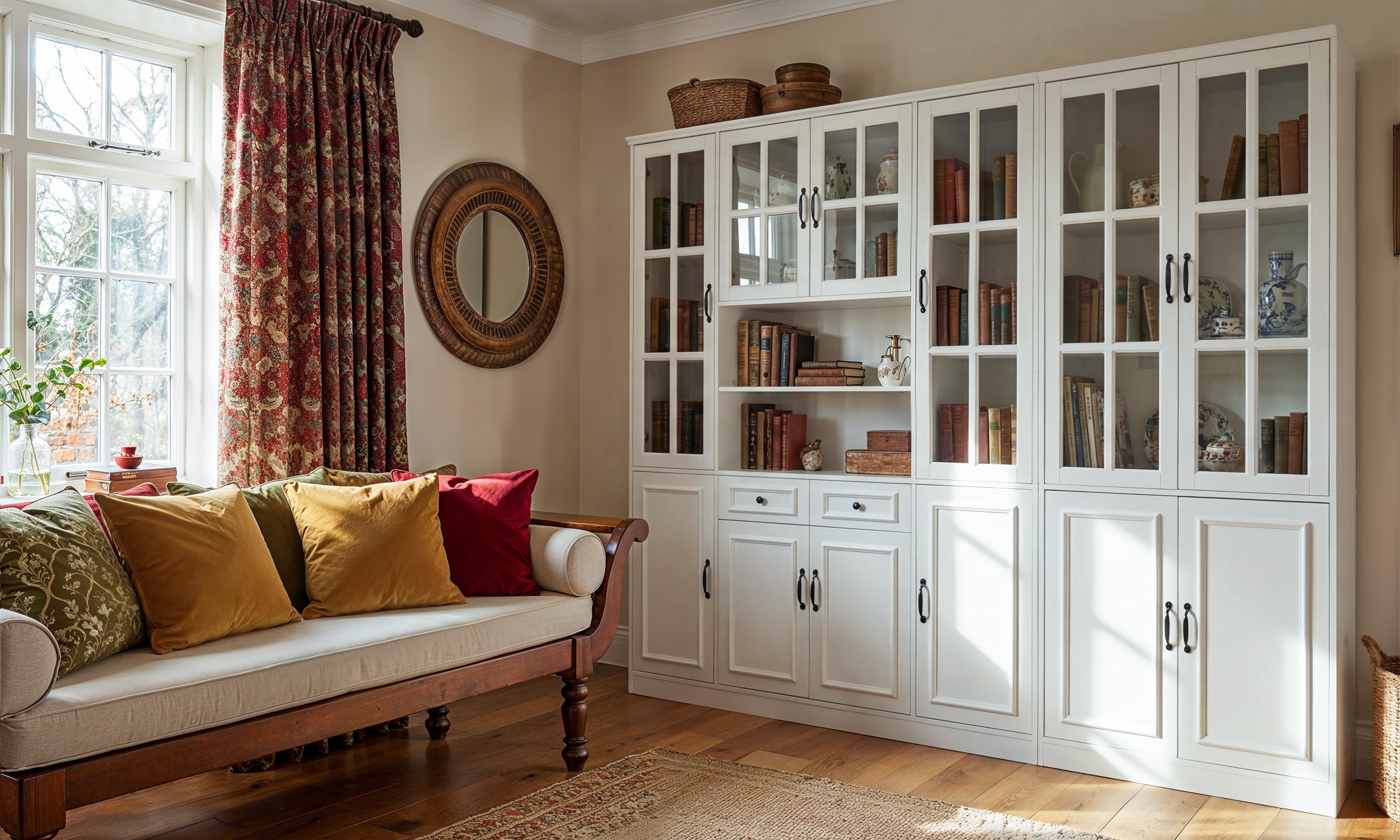
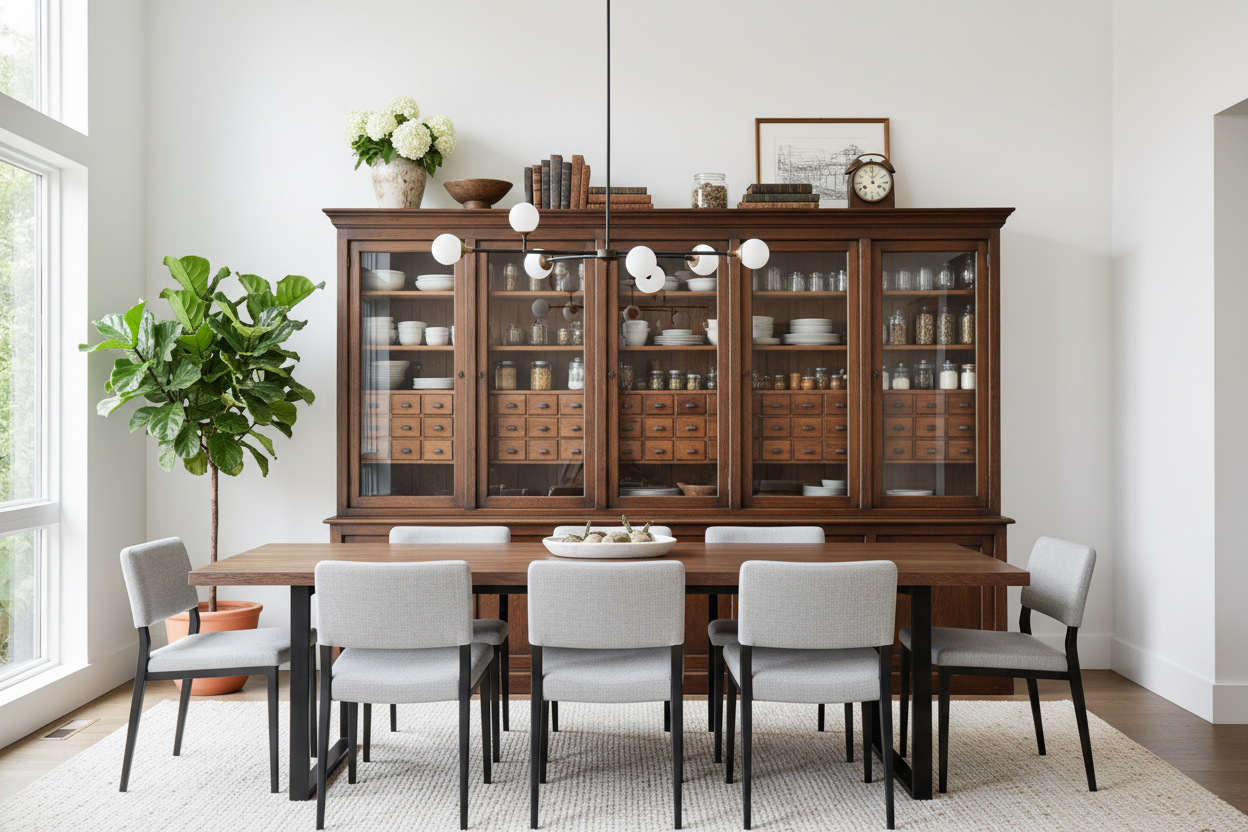
For a long time, I thought 'real' furniture had to be heavy. I bought into the idea that a permanent fixture like a 62 2 H Tall China Curio Cabinet White Display Case With Glass Doors was the only way to show I was a serious collector. If you own a home and plan to stay there for twenty years, that kind of piece is a stunning anchor for a room. But for those of us with a lease and a security deposit on the line, it's a liability.
Every time I moved, I lived in fear of a cracked pane or a scratched finish. Relocating delicate items in a static cabinet is a logistical nightmare. You have to pack the items, then wrap the cabinet, then pray the movers don't tilt it the wrong way. A portable display case eliminates that entire stress cycle. It’s about choosing mobility over mass.
What Actually Makes a Portable Display Case Worth It?
Not all portable showcases are created equal. I’ve made the mistake of buying the cheapest plastic box I could find, only to have the hinges snap within a month. When you're shopping, look at the weight distribution. A good unit should have a reinforced base so it doesn't tip when you open the door.
Material clarity is the other big factor. You want high-density acrylic or tempered glass that mimics the look of permanent furniture. Handle placement matters too—if you can't grab it comfortably with one hand, it's not truly portable. I look for designs that prioritize clean lines so they don't look like 'temporary' trade show gear when they're sitting on my sideboard.
The Magic of a Foldable Display Case in Tight Spaces
If you live in a studio or a small one-bedroom, every square foot is a battleground. I used to think I needed a Corner Display Case to maximize my floor plan, but even those take up permanent real estate. A foldable display case gives you your space back whenever you want it.
I like to rotate my collections seasonally. In the winter, I display my vintage glassware; in the summer, I might want that space clear for a floor plant. A collapsible display case allows me to tuck the entire enclosure flat under my bed or in the back of a closet when it's not in use. This kind of flexibility is something a heavy wood cabinet just can't offer. A folding display case isn't just a box; it's an organizational strategy.
Wait, Is a Portable Glass Display Case Actually Sturdy?
The biggest hurdle for most people is the 'flimsiness' factor. We’ve been conditioned to think that if it’s lightweight, it’s cheap. However, modern engineering has caught up. A well-constructed portable showcase display uses locking joints that become more rigid as you add weight to the shelves.
I’ve used a portable glass display case for heavy mineral specimens and never felt like it was going to buckle. The trick is checking the shelf load rating. Most quality units can handle 5-10 pounds per level easily. The aluminum or reinforced plastic frames used today are designed for the rigors of travel, which means they’re actually more durable than the brittle particle board you find in 'permanent' flat-pack furniture.
Taking It From the Living Room to the Weekend Pop-Up
One of the best surprises was how this piece helped my side hustle. I sell small antiques at local markets, and hauling a home-office shelf to a booth is a recipe for disaster. Using a trade show tabletop display case that doubles as my home storage is a total efficiency win. It looks professional and sleek, not like a temporary folding table setup.
I learned the hard way that the wrong gear can ruin a weekend. In fact, I Survived 10 Card Shows With the Wrong Trade Show Display Case, and the biggest lesson was that if your display looks shaky, customers won't trust the items inside. Having a piece that looks high-end in my living room but packs down for a 6 AM market load-in has made my life significantly easier. It’s the ultimate double-duty furniture for anyone who doesn't want to live in a warehouse.
FAQ
Is acrylic better than glass for a portable case?
Usually, yes. Acrylic is about half the weight and much more impact-resistant. If you're actually moving it frequently, glass is a recipe for heartbreak. Modern acrylic has 92% light transmission, so it looks just as clear.
How long does it take to collapse a foldable unit?
If it takes more than two minutes, it's a bad design. Most high-quality units use a 'pop-up' or accordion style that takes about 30 to 60 seconds to set up or break down.
Can these cases be locked?
Most portable showcases come with a standard plunger lock or a place for a small padlock. It won't stop a determined thief with a crowbar, but it definitely keeps 'curious' hands off your collectibles at a show or party.


Leave a comment
This site is protected by hCaptcha and the hCaptcha Privacy Policy and Terms of Service apply.