

















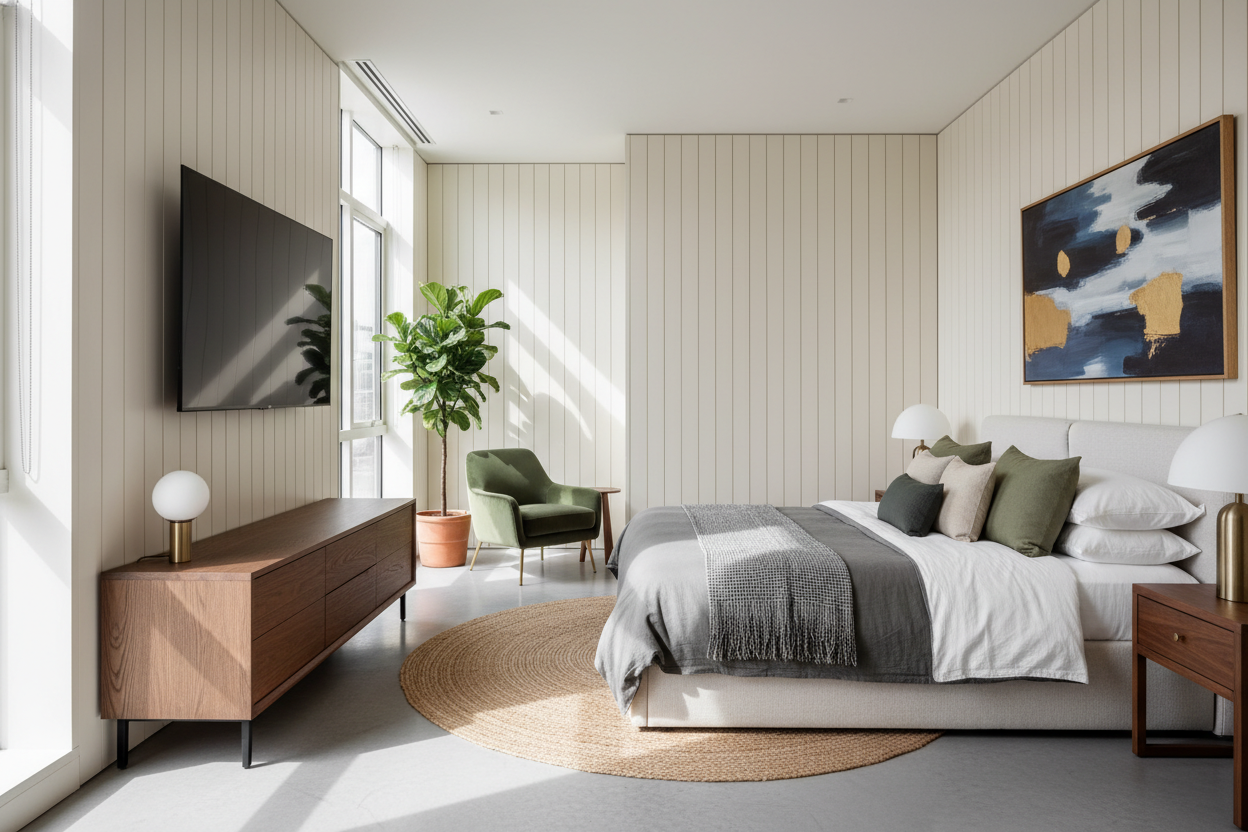
I spent last Tuesday night propped up on four pillows, desperately trying to see over my own toes to watch the season finale of a show I've been binging. My neck was killing me by the time the credits rolled. I realized I was fighting a battle I couldn't win because my TV was sitting on a console meant for a low-slung sofa, not a 14-inch pillow-top mattress. I finally caved and bought a high up tv stand, and it changed everything about how my bedroom feels.
- Boutique hotels use height to create a clear line of sight from the bed.
- Standard living room consoles are usually 10-15 inches too short for bedroom viewing.
- A taller stand provides significantly more storage for bulky items like extra duvets.
- Using a sideboard or buffet is a pro designer hack for achieving the right height.
The Secret Geometry of a Five-Star Hotel Room
Ever notice how you never get a crick in your neck while watching a movie in a luxury hotel? It’s not just the high-thread-count sheets. Hospitality designers use specific mathematics to place screens. In a bedroom, your eye level is much higher than when you’re sitting on a couch. Most plush hotel beds sit about 25 to 30 inches off the floor. If your TV is on a standard 20-inch stand, you’re looking down at your shins.
To get that effortless viewing experience, the center of your TV screen should be roughly at eye level while you're propped up against your headboard. This usually requires a surface height of at least 30 to 36 inches. It’s about creating a straight line from your eyes to the screen so you can actually relax your neck muscles instead of straining to see over the duvet fold.
Why Low-Profile Consoles Are Ruining Your Bedroom
The mid-century modern trend has given us some beautiful, floor-hugging furniture. I love a 15-inch tall slat-door console in a living room; it keeps the sightlines open and feels airy. But in the primary suite, these pieces are an ergonomic nightmare. When the TV is that low, you end up stacking three pillows behind your head just to see the screen, which is a fast track to chronic neck pain and a terrible night's sleep.
Aesthetically, a low stand also looks 'lost' against the massive footprint of a king-sized bed. It lacks the visual weight needed to balance the room. If you’re still trying to make a living room hand-me-down work, it might be time to browse a collection of modern tv stands that offer the verticality a bedroom actually demands. You want something that stands tall and holds its own against your headboard.
How to Pick a High Up TV Stand Without It Looking Like a Dresser
The biggest fear people have when going tall is that the room will start to look like a showroom for bedroom sets. You don't want a 'matching' dresser that just happens to have a TV on it. You want a piece that looks like it was built for media. Look for units that feature open shelving or dedicated cord management ports. A modern tv stand with cabinets and drawers is a great middle ground—it gives you the height you need but maintains the silhouette of a media center rather than a clothing chest.
Pay attention to the legs. Taller pieces with tapered legs or metal frames feel lighter than solid-to-the-floor plinth bases. This prevents a 36-inch tall cabinet from feeling like a giant wooden box taking up all the 'air' in your room.
The Magic of Sideboards and Buffets
Here is a secret: many of the best 'high up' stands aren't labeled as TV stands at all. Dining room sideboards and buffets are almost always 30 to 34 inches tall, which is the sweet spot for bedroom viewing. They are often deeper than standard consoles, meaning they can easily support a large screen and soundbar. If you go this route, you can style it for a high end look by treating the top like a curated mantle, mixing the tech with a few ceramic vases or framed art pieces.
Floating Displays vs. Grounded Cabinets
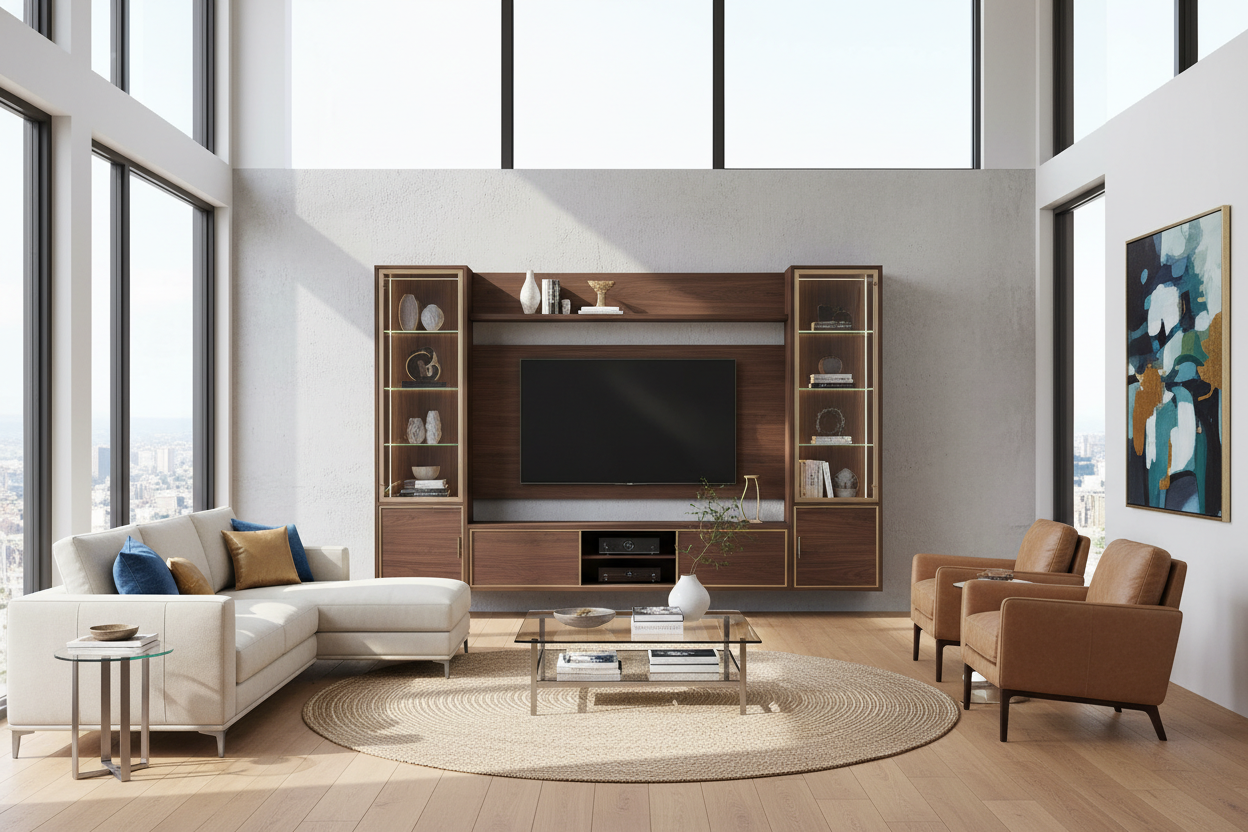
If you're worried about a tall piece of furniture making your room feel cramped, consider the materials. A solid oak cabinet at 35 inches tall has a lot of visual weight. However, a display cabinet tv stand with glass-front doors breaks up that mass. The transparency allows the eye to travel through the piece, making the room feel larger while still giving you that elevated screen height. I personally prefer glass doors for my bedroom setup because I can see my neatly folded extra blankets inside without the piece feeling like a heavy monolith.
The Added Bonus: Finally Hiding the Clutter
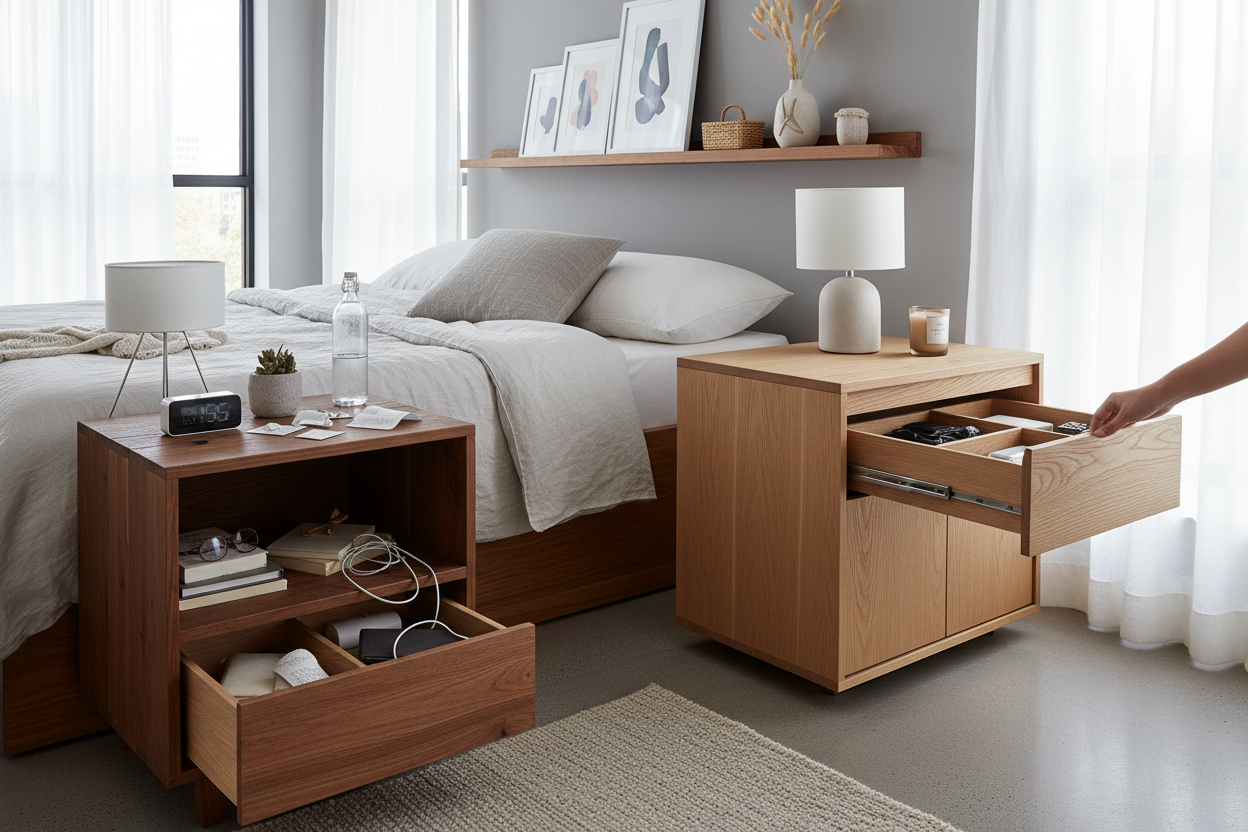
One thing I didn't expect when I swapped my low console for a taller stand was how much more storage I gained. We’re talking about vertical real estate that usually goes to waste. A 36-inch stand often has double the internal volume of a 20-inch one. It’s the perfect place to hide the router, the gaming consoles you only use on weekends, and those bulky winter throws that never seem to fit anywhere else.
I once made the mistake of wall-mounting my TV quite high to get that 'hotel look' without buying new furniture. It was a disaster. The wires hung down like vines in a jungle, and I had nowhere to put my cable box. A dedicated tall stand solves both problems—it gives you the height and hides the mess. It feels intentional, not like a DIY project gone wrong.
FAQ
Is a 30-inch stand too high for a TV?
For a living room with a low sofa, yes. But for a bedroom with a standard mattress and box spring, 30 to 36 inches is actually the ergonomic ideal to avoid neck strain.
Can I put a 65-inch TV on a tall stand?
Absolutely, just ensure the stand is wider than the TV. A tall, narrow stand with a massive TV can look top-heavy and be a tipping hazard. Aim for a stand that is at least 5-10 inches wider than the screen.
How do I hide wires on a tall stand?
Look for pieces with pre-drilled cable management holes. If you’re repurposing a sideboard, you can use a 2-inch hole saw bit to create your own ports in the back panel for a clean, professional finish.

Leave a comment
This site is protected by hCaptcha and the hCaptcha Privacy Policy and Terms of Service apply.