

















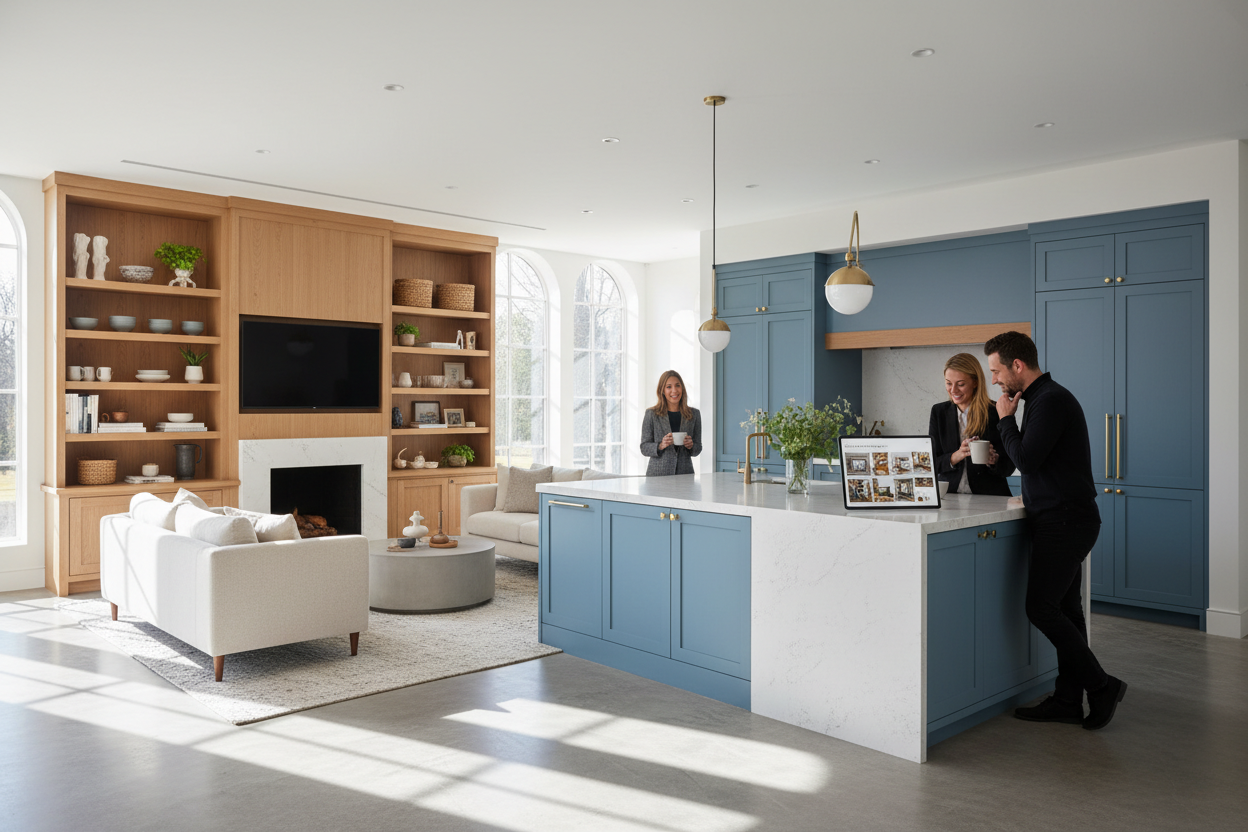
I once spent three hours arguing with a contractor about a 'floating' oak vanity I saw on a Swedish design blog. I wanted that seamless, zero-gravity look, but my 1920s plaster walls wanted to crumble at the mere suggestion of it. It is a classic trap: we fall in love with a 1200-pixel image and forget that wood has weight, walls have studs, and custom cabinet makers have to answer to the laws of physics even if Instagram doesn't.
- Bespoke doesn't mean 'magic'; every floating shelf needs a structural anchor or internal steel.
- Labor, not lumber, is usually the biggest line item on your quote.
- Standard shop methods are cheaper; asking for a 1:1 replica of a magazine photo breaks the workflow.
- Cardboard mockups are the best way to test a layout before spending five figures.
The Physics of Pinterest vs. Real-World Kitchens
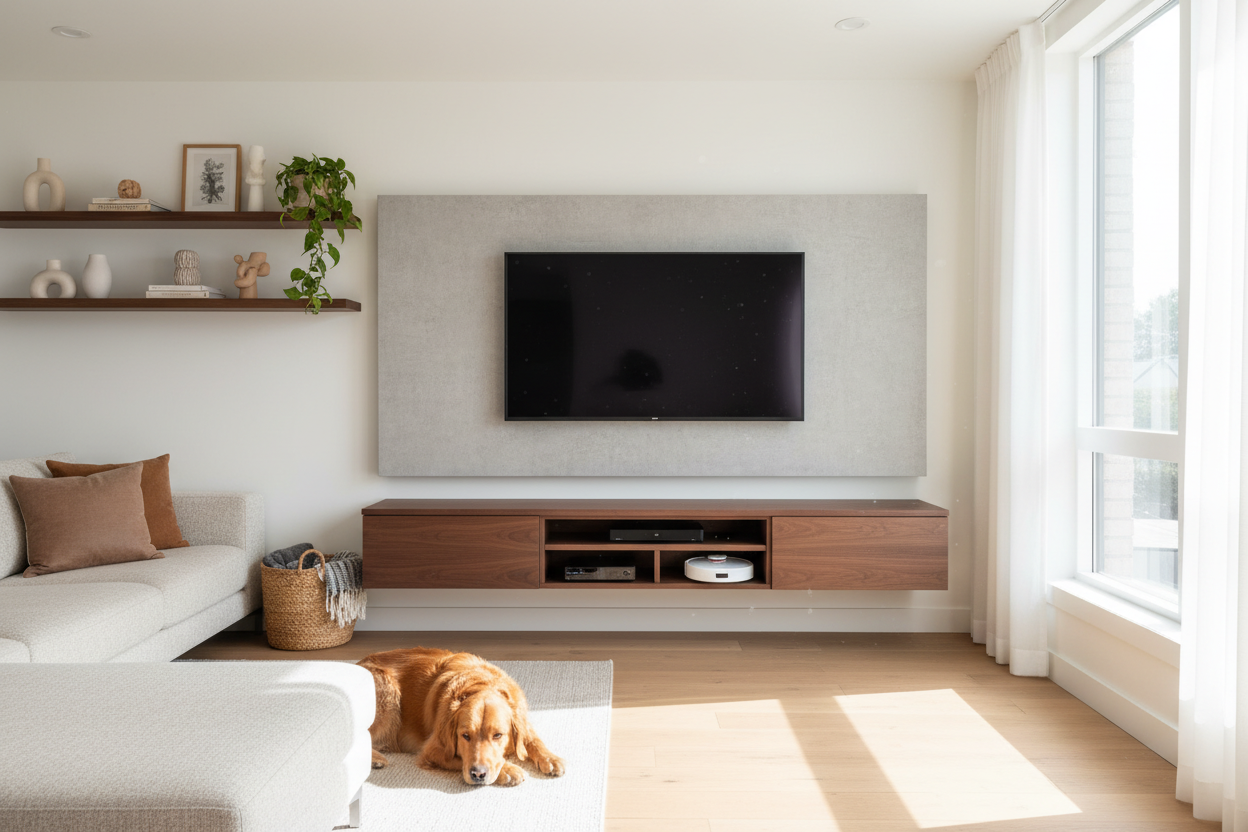
Those perfectly minimalist, bracket-free shelves you see on your feed are often the result of massive structural interventions behind the drywall. When you show a custom cabinet maker a photo of a four-foot-long floating unit holding a stack of heavy stoneware, they aren't just looking at the wood. They are looking for the hidden steel supports or the reinforced framing that makes it possible.
Most homeowners get sticker shock when they realize that 'simple' shelf requires tearing open the wall to weld brackets to the studs. A 1.5-inch thick shelf made of solid walnut is heavy on its own; add a set of dinner plates and you're asking for a structural failure if you just screw it into the sheetrock. Builders get frustrated because they have to be the 'dream killers' who explain why your 84-inch span needs a visible support or a much thicker profile to prevent sagging over time.
Why 'Just Copy This Photo' Results in Bloated Quotes
Every custom shop has a 'rhythm'—a set of measurements and joinery styles they've perfected. When you ask a custom cabinet maker to clone a highly specific, bespoke piece from a magazine, you are essentially asking them to invent a new manufacturing process for a single item. This is why you'll see quotes that seem inexplicably high compared to retail prices.
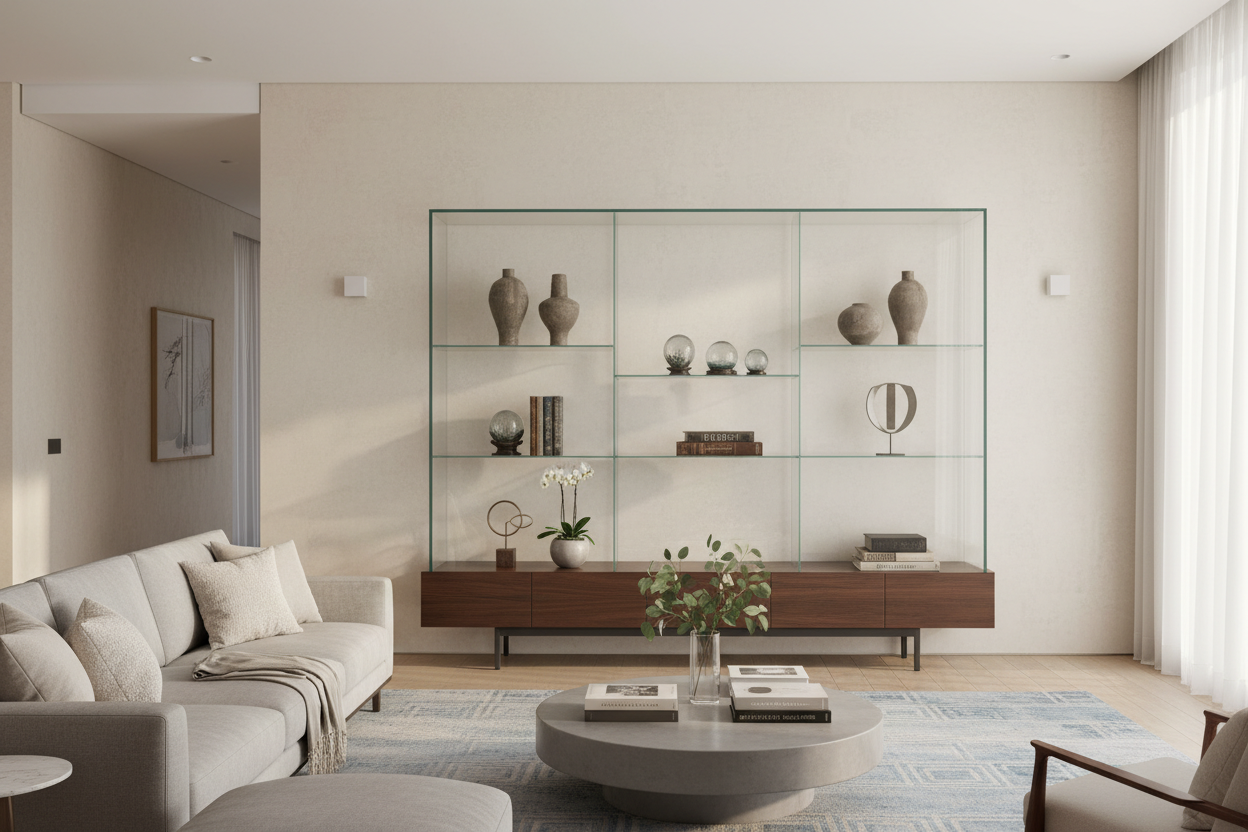
If you love the look of a black cabinet with glass doors, you are often better off buying a high-quality premade version than asking a local shop to replicate it from a photo. A custom maker has to source the specific glass, figure out the door tension, and mix a custom paint finish just for you. Unless you need a very specific 'weird' dimension—like a 31.5-inch width to fit a strange alcove—customizing a standard shop drawing is always the smarter financial move.
Faking the Layout Before You Commit to the Final Build
The biggest mistake I ever made was commissioning a built-in desk without living in the space first. I thought I wanted a massive wrap-around surface, but three months in, I realized I hated sitting with my back to the window. Before you pay for permanent millwork, use blue painter's tape or cheap modular furniture to test your flow.
If you're eyeing a home office upgrade, buy a basic tabletop and some drawers to see how to style a cabinet desk combo in your actual room. Move it around. See where the light hits your screen at 2 PM. Once you've lived with a 'fake' version for a month, you can tell your builder exactly where the cord cutouts and drawer depths need to be. This prevents the 'I wish I had' conversation that usually happens six months after the final check is cashed.
The 3 Things Your Woodworker Actually Needs from You
Stop sending 50-page PDFs of 'vibes.' A custom cabinets makers' dream client provides concrete data, not just aesthetic inspiration. First, they need your appliance spec sheets. I’ve seen $20,000 kitchen islands ruined because the client changed their mind from a 30-inch to a 36-inch range after the boxes were already built. If it plugs in or holds water, your builder needs the manual before they cut a single piece of wood.
Second, give them your lifestyle habits. Do you actually cook, or do you just need a place to hide the air fryer? A standard corner kitchen pantry cabinet set works for most people because it follows predictable dimensions, but custom work should solve a specific problem. If you have a collection of 40 oversized cereal boxes, tell them. If you're 5'2" and can't reach standard uppers, tell them. Finally, give them a hard budget number. They aren't trying to upsell you; they just need to know if they should be quoting you for melamine interiors or dovetail maple drawers.
How much more does custom cabinetry cost than stock?
Generally, expect to pay 2 to 3 times more for custom work. You aren't just paying for wood; you're paying for the shop's overhead, the designer's time, and the fact that every single piece is cut to fit your specific (and likely crooked) walls.
Is MDF 'cheaper' than solid wood for custom builds?
For painted finishes, many pros actually prefer MDF or furniture-grade plywood because it doesn't shrink and swell like solid wood. It’s not about being 'cheap'; it’s about preventing your paint from cracking at the joints during a humid summer.
How long is the typical lead time for a custom maker?
Right now? Usually 12 to 24 weeks. If someone says they can start your entire kitchen next Monday, they are either a miracle worker or they have zero other clients—which is a red flag in this industry.

Leave a comment
This site is protected by hCaptcha and the hCaptcha Privacy Policy and Terms of Service apply.