



Working from home shouldn't mean staring at a soulless laminate desk. If your workspace feels sterile or, conversely, like a cluttered antique shop, you are not alone. Nailing vintage home office decor is a delicate balancing act between historical charm and modern-day functionality.
Many homeowners struggle to integrate bulky monitors and ergonomic needs into a historically inspired room. By the end of this guide, you will know exactly how to curate a workspace that feels collected, professional, and uniquely yours—without sacrificing the comfort required for an eight-hour workday.
Quick Decision Guide
- Anchor the room with one heavy vintage piece, like an executive desk, and keep surrounding furniture visually lighter.
- Mix eras carefully; pairing a sleek mid-century modern chair with a Victorian desk creates a curated, transitional feel.
- Upgrade vintage lighting with modern wiring and warm LED bulbs to prevent eye strain during long work sessions.
- Use hidden cord management systems to keep modern technology from ruining the historical aesthetic.
Balancing Visual Weight in the Workspace
The Anchor Piece Strategy
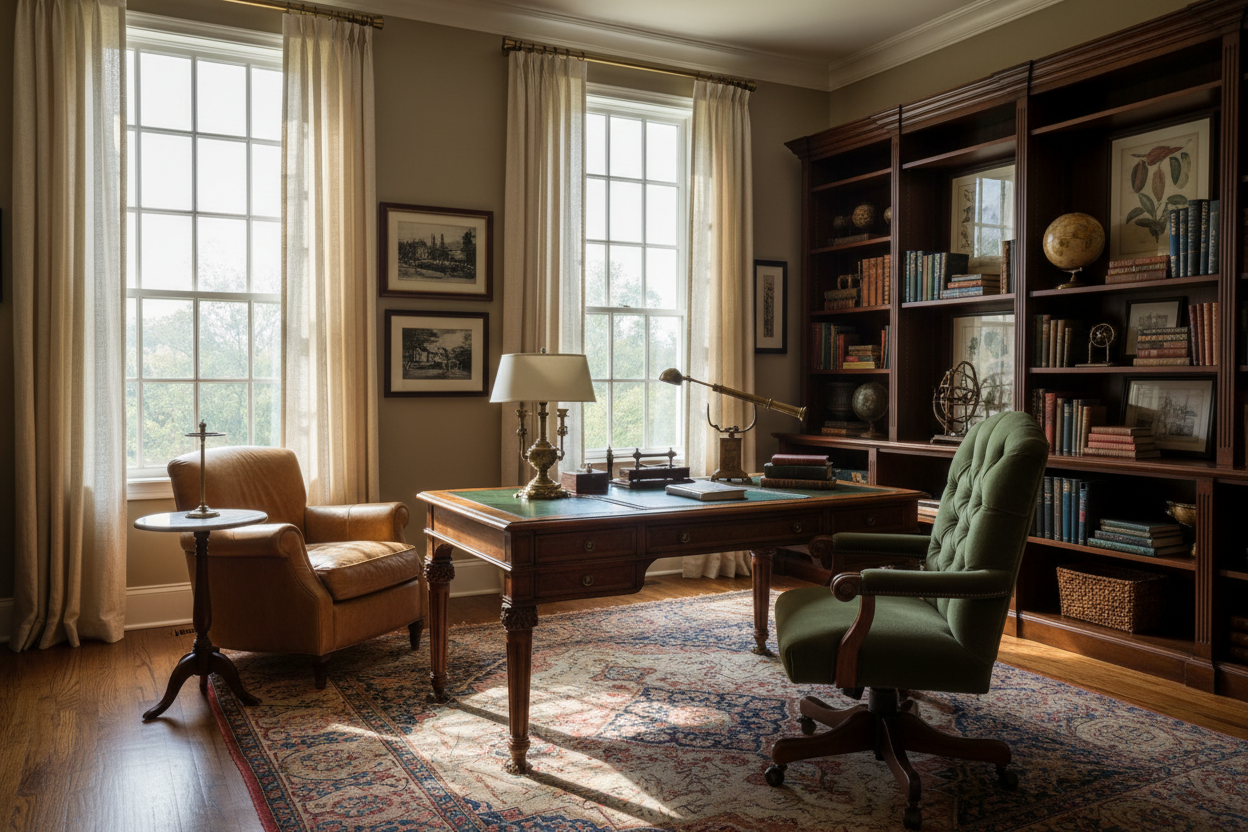
Vintage desks, particularly solid oak or mahogany pedestal desks, carry immense visual weight. If you drop a massive 1920s banker's desk into a standard 10x10 suburban spare bedroom, it will swallow the space. To counter this, float the desk in the center of the room if square footage allows, leaving at least 36 inches of clearance for your chair. If you must push it against a wall, balance the heaviness with floating shelves or a delicate brass gallery wall above it.
Achieving the Perfect Vintage Office Look
Layering Textures and Eras
A successful vintage office look relies on contrast. If everything in the room is dark, carved wood from the Edwardian era, the space will feel oppressive and dated. Instead, introduce contrasting textures. Pair a weathered leather chesterfield-style armchair with a sleek, glass-topped mid-century desk. Incorporate organic elements like aged brass task lamps, woven wool Persian rugs, and linen drapery. These layers soften the hard lines of antique wooden furniture and bring the room into the present day. For more vintage home office design ideas, look to historical libraries—they mastered the mix of wood, leather, and ambient lighting.
Where Vintage Charm Meets Modern Reality
The Desk Chair Dilemma
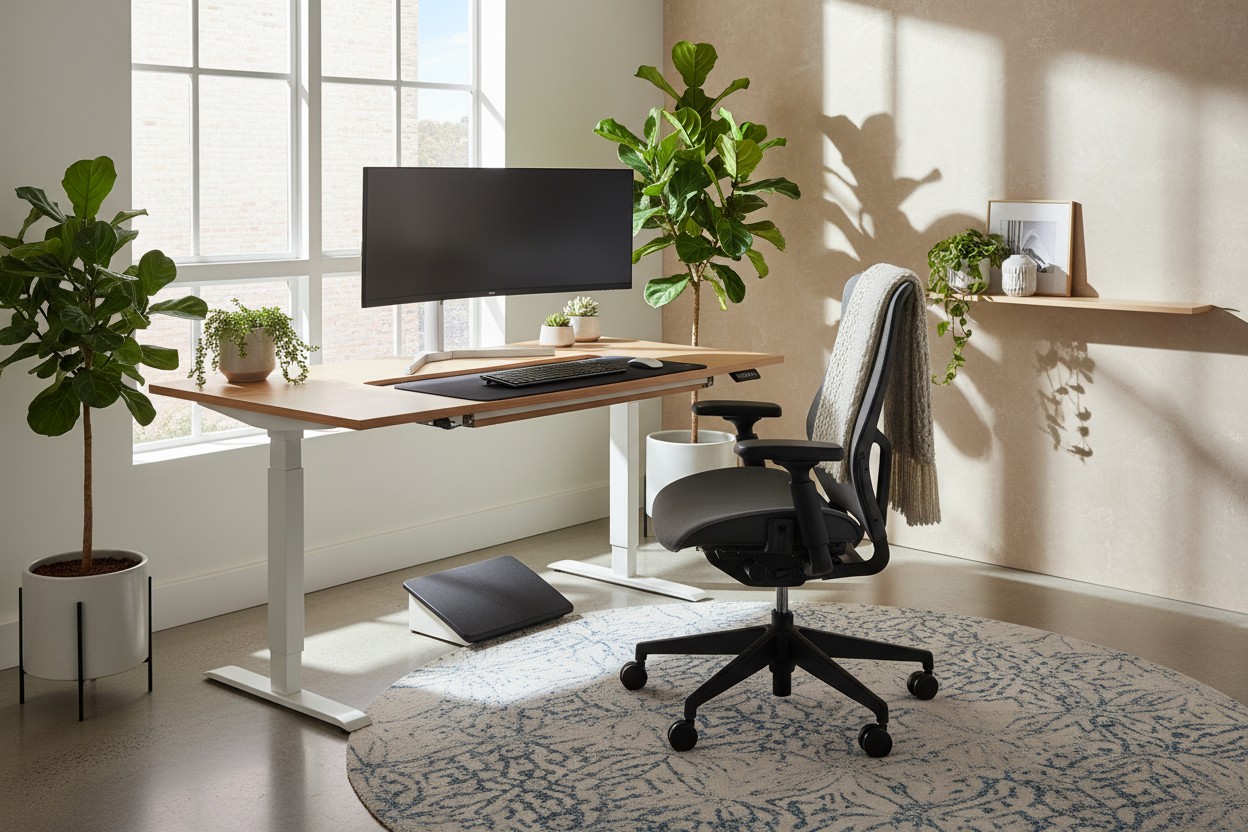
The biggest challenge with vintage furniture is that our bodies, and the way we work, have changed. A beautifully carved wooden captain's chair might look stunning, but it lacks the lumbar support and adjustable seat depth required for modern computer work. My advice is to compromise: invest in a high-quality, modern ergonomic chair upholstered in a classic material like cognac leather or deep green velvet. Save the purely vintage seating for a secondary reading nook or a guest chair in the corner of the office.
Designer's Honest Take
In my own 1920s Tudor home, I was determined to use an authentic Victorian roll-top desk for my daily drafting and emails. The patina was gorgeous, and the tiny cubbies felt incredibly nostalgic. But I learned the hard way that a desk designed for writing letters with a fountain pen is absolutely miserable for dual monitors.
The writing surface was too shallow, and the knee clearance was a mere 24 inches—my knees bruised every time I shifted. I ended up moving the roll-top to the hallway as a mail-sorting station and brought in a vintage-inspired, but modernly proportioned, walnut desk for actual work. Authentic antiques are beautiful, but never sacrifice your posture for a photo-ready aesthetic.
Frequently Asked Questions
How do I hide computer cords with vintage home office decor?
Use brass or wooden cable management boxes that blend with your decor. You can also run cords down the back legs of a vintage desk using discreet zip ties or adhesive cord channels painted to match the wood finish.
Is it okay to mix different wood tones in a vintage office?
Absolutely. Matching all your wood tones can make the room look like a cheap, mass-produced furniture set. Aim for two to three distinct wood finishes, ensuring they share the same undertone (warm or cool) to keep the space cohesive.
What lighting works best for a vintage office look?
Layer your lighting. Start with an ambient overhead fixture like a milk glass schoolhouse pendant. Add a functional brass banker's lamp or an articulating mid-century task lamp on the desk to provide focused light without breaking the aesthetic.


Leave a comment
This site is protected by hCaptcha and the hCaptcha Privacy Policy and Terms of Service apply.