

















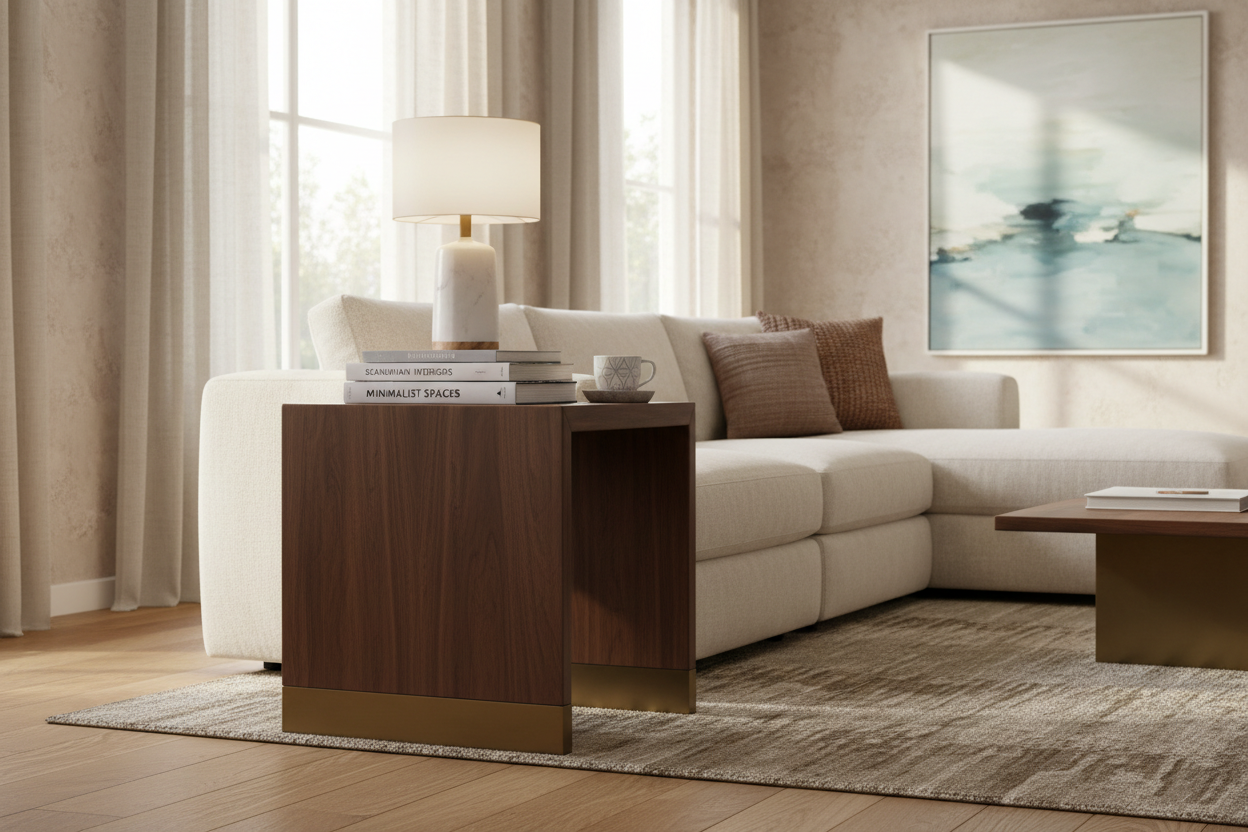
An occasional side table is the utility player of your living space—a versatile, often portable piece of furniture designed to be moved wherever it is needed most at that moment. Unlike a stationary coffee table or a heavy end table anchored by a lamp, this piece exists to serve a specific, transient purpose: holding a drink during a party, supporting a book by a reading chair, or displaying a seasonal vase. It offers function exactly where you are sitting, eliminating the awkward reach across the sofa.
Many homeowners treat these tables as afterthoughts, yet they often dictate the flow and comfort of a room. If you have ever sat in a beautifully designed lounge chair only to realize you have to place your coffee mug on the floor, you understand the necessity of this furniture category. The best versions balance weight, height, and aesthetics to provide convenience without cluttering the visual landscape.
A Lesson Learned in Functionality
I learned the value of a truly mobile table the hard way. Years ago, I designed a living room layout that looked immaculate in photos. I had a large, central oak coffee table and two massive armchairs positioned near the fireplace. It looked cozy, but the first time I hosted a small get-together, the flaw became obvious. Guests sitting in those armchairs were effectively stranded. The coffee table was too far away, and the mantle was too high for setting down a wine glass.
I spent the entire evening acting as a human coaster, taking empty glasses from people because they had nowhere to put them. The solution wasn't to rearrange the heavy furniture; it was to introduce two lightweight, metal occasional tables. They were small enough to tuck away when not in use but substantial enough to hold a plate and a drink. That experience shifted how I view these pieces. They aren't just filler; they are the hospitality engines of a living room.
Defining the Types: C-Tables, Pedestals, and Nesting
Understanding the different configurations helps you choose the right tool for the job. Not all small tables serve the same function, and selecting the wrong shape can hinder traffic flow.
The C-Table
This is perhaps the most practical invention for modern lounging. Designed with a cantilevered top and a base that slides under your sofa or chair, the C-table brings the surface directly over your lap. This is ideal for anyone who works on a laptop from the couch or enjoys a meal while watching a movie. Because the base hides beneath the furniture, it requires almost zero floor space.
Nesting Tables
If flexibility is your priority, nesting tables are the answer. These come in sets of two or three, graduating in size so they stack neatly together. On a normal day, they look like a single unit. When guests arrive, you can unstack them to triple your surface area. They work exceptionally well in apartments where square footage is a luxury you cannot afford to waste.
The Drink Perch (Pedestal)
These are tiny, often taller tables with a very small diameter—sometimes no wider than a dinner plate. They are strictly for holding a single drink or a smartphone. Their small footprint allows them to squeeze into tight corners between a sofa and a wall or next to a bathtub, adding a touch of luxury without bulk.
The Rules of Height and Scale
Visual balance matters, but ergonomics matter more. A common mistake is buying a table that is significantly lower or higher than the arm of the furniture it sits next to. For a standard occasional side table, the surface should be within two inches of the sofa arm's height. If the table is too low, you risk knocking items over when you reach down. If it is too high, it feels imposing and makes the act of setting down a glass feel unnatural.
Scale refers to the visual weight of the piece. If you have a chunky, overstuffed velvet sofa, a spindly wire-frame table might look like it is about to be crushed. Conversely, a heavy wooden block table next to a mid-century modern chair with thin legs can look clumsy. Try to match the visual heaviness of the table to the furniture it accompanies, or deliberately contrast them—such as pairing a clear acrylic table with a heavy leather chair to keep the room feeling open.
Material Selection and Durability
Because these tables are meant to be moved, they take more abuse than a standard bookshelf. They get bumped, dragged, and subjected to condensation from cold drinks. This high-traffic nature influences which materials make sense for your lifestyle.
Metal and stone (like marble or terrazzo) are excellent for longevity. They resist water rings and add a textural element that breaks up the monotony of wood furniture. However, stone is heavy. If you plan to move the table daily, look for hollow metal designs or wood composites that are easier to lift.
Glass and acrylic are fantastic for small rooms because they disappear visually. They perform the function of a table without stopping the eye, making the room feel larger. The downside is that they show fingerprints and dust more readily than other materials. Wood brings warmth and organic texture, but you must be vigilant about using coasters to prevent permanent finish damage.
Styling Without Clutter
The beauty of an occasional side table lies in its negative space. Because the surface area is limited, you cannot overload it. A single sculptural object, a small stack of two books, or a petite succulent is usually enough. The goal is to leave enough open surface area so that the table remains functional. If a guest has to move your decor to set down their phone, the table has failed its primary purpose.
Mixing shapes adds interest to the room. If your coffee table is rectangular and your rug is square, choose a round or oval occasional table to soften the harsh lines. This interplay of geometry keeps the eye moving and prevents the room from feeling like a showroom catalog.
Frequently Asked Questions
What is the difference between an end table and an occasional side table?
An end table is typically stationary, placed at the end of a sofa, and often holds a lamp. An occasional table is generally smaller, lighter, and designed to be moved around the room as needed for drinks or guests.
Can I mix different styles of side tables in one room?
Yes, mixing styles creates a curated, collected look rather than a matched set. A good rule of thumb is to have at least one unifying element, such as a similar material (brass legs) or a comparable height, to tie the disparate pieces together.
How much space do I need around a side table?
You should aim for about 12 to 18 inches of clearance between the table and other furniture pieces to allow for comfortable movement. If the table is a 'C-table' meant to slide over the sofa, clearance is less of a concern.


Leave a comment
This site is protected by hCaptcha and the hCaptcha Privacy Policy and Terms of Service apply.