


Understanding Desks with Shelves: Structural Layouts and Storage Geometry
Modern workspaces demand more than a flat tabletop. Combining a work surface with integrated vertical or lateral shelving creates an efficient hub that consolidates office supplies, reference books, computer peripherals, and decorative elements within arm's reach. Selecting the right design requires understanding how different frame geometries allocate storage space relative to desktop real estate.
Shelf Placement Architecture: Overhead Hutches, Side Towers, and Base Platforms
Integrated shelving configurations generally fall into three structural categories:
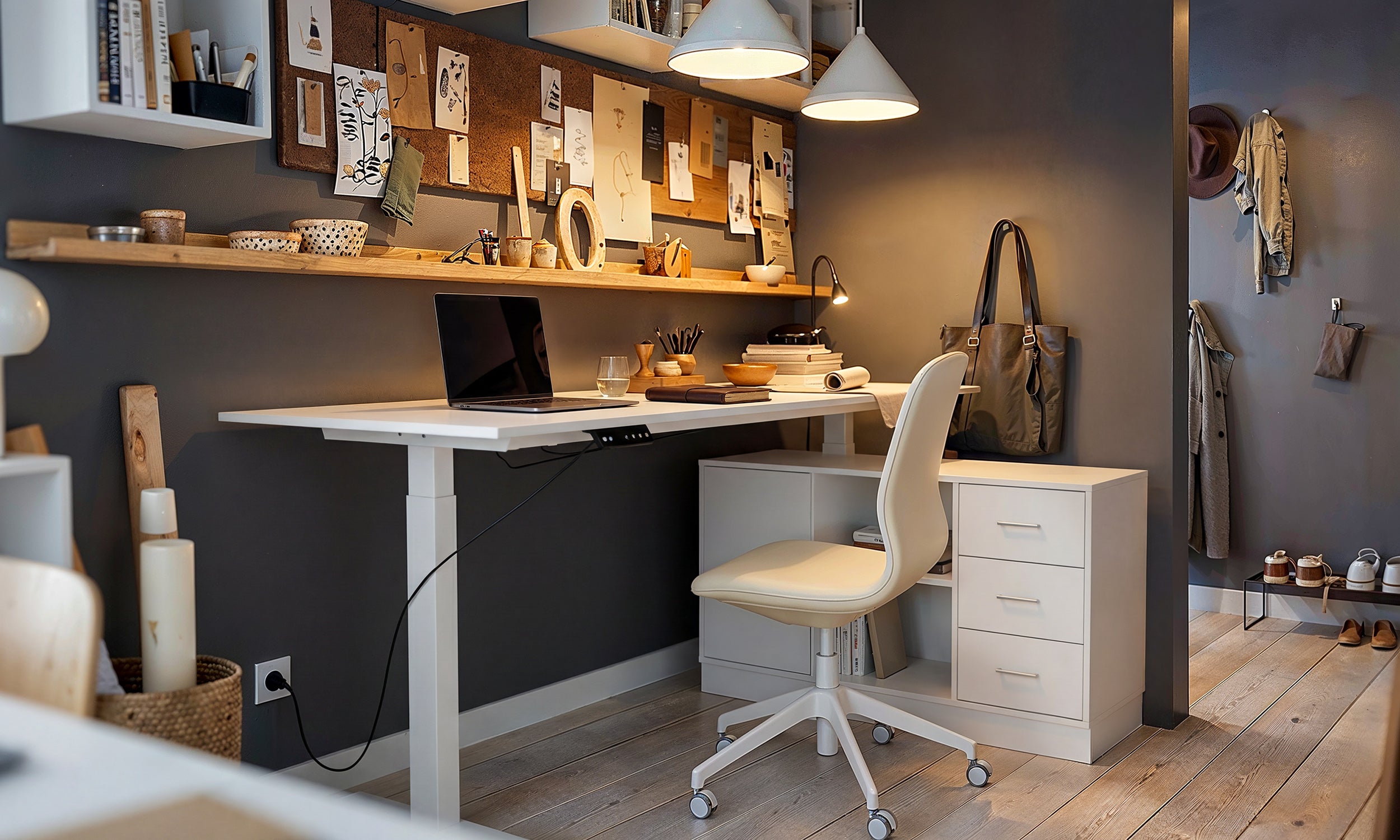
- Overhead Hutches and Risers: Vertical frameworks built directly above the desktop maximize wall height without expanding floor dimensions. These upper tiers are ideal for books, task lighting, and display items, while leaving the main work surface clear for displays and writing pads.
- Lateral Side-Tier Towers: Shelves mounted on the left or right flank of the desk provide easily accessible, multi-level storage. These tiers commonly hold printers, storage bins, and binders, balancing easy reach with steady lateral support.
- Under-Desk and Base Platforms: Low-profile tiers positioned beneath the work surface or near floor level offer designated space for computer towers, power strips, and bulky hardware, keeping cords and heavy items off the primary desktop.
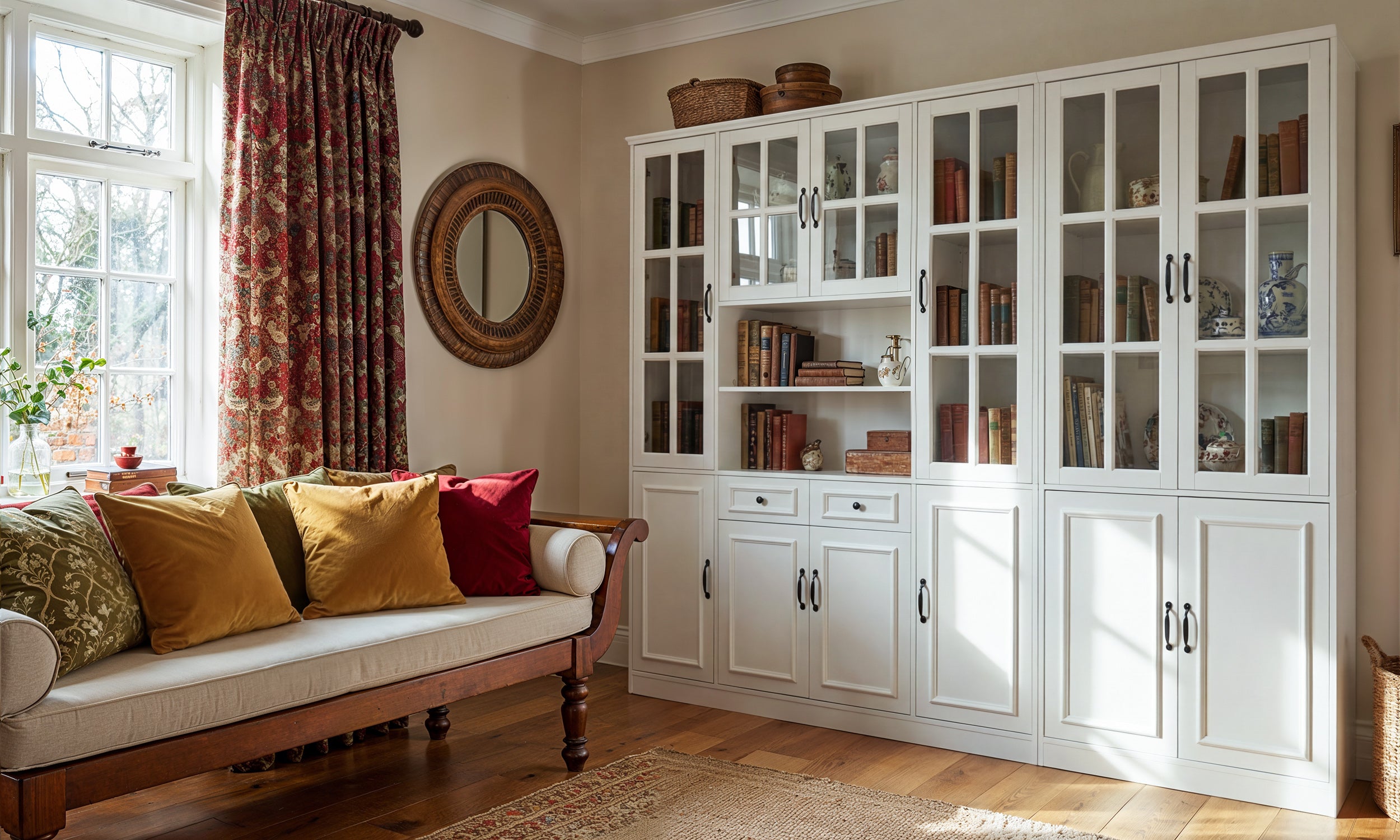
When planning modular overhead tiers or customizable side compartments, browsing a dedicated shelf storage collection provides versatile vertical solutions for varying ceiling heights and storage volumes.
Footprint and Dimension Tiers for Integrated Workstations
Matching the footprint of a shelving desk to the room layout ensures smooth traffic flow and adequate clearance for office seating.
Compact Footprints for Small Spaces and Nooks
In studio apartments, dormitories, or narrow bedroom alcoves, compact ladder desks and bridge units offer full functional utility on a limited floor area. These designs prioritize tall vertical tiers over deep desktop expanses, allowing users to store essentials upward. If legroom clearance and lower tier organization are critical in tight footprints, consulting a small desk shelf guide offers practical clearance strategies to maintain comfortable seating posture.
Mid-Size to Large Multi-Tier Workstations
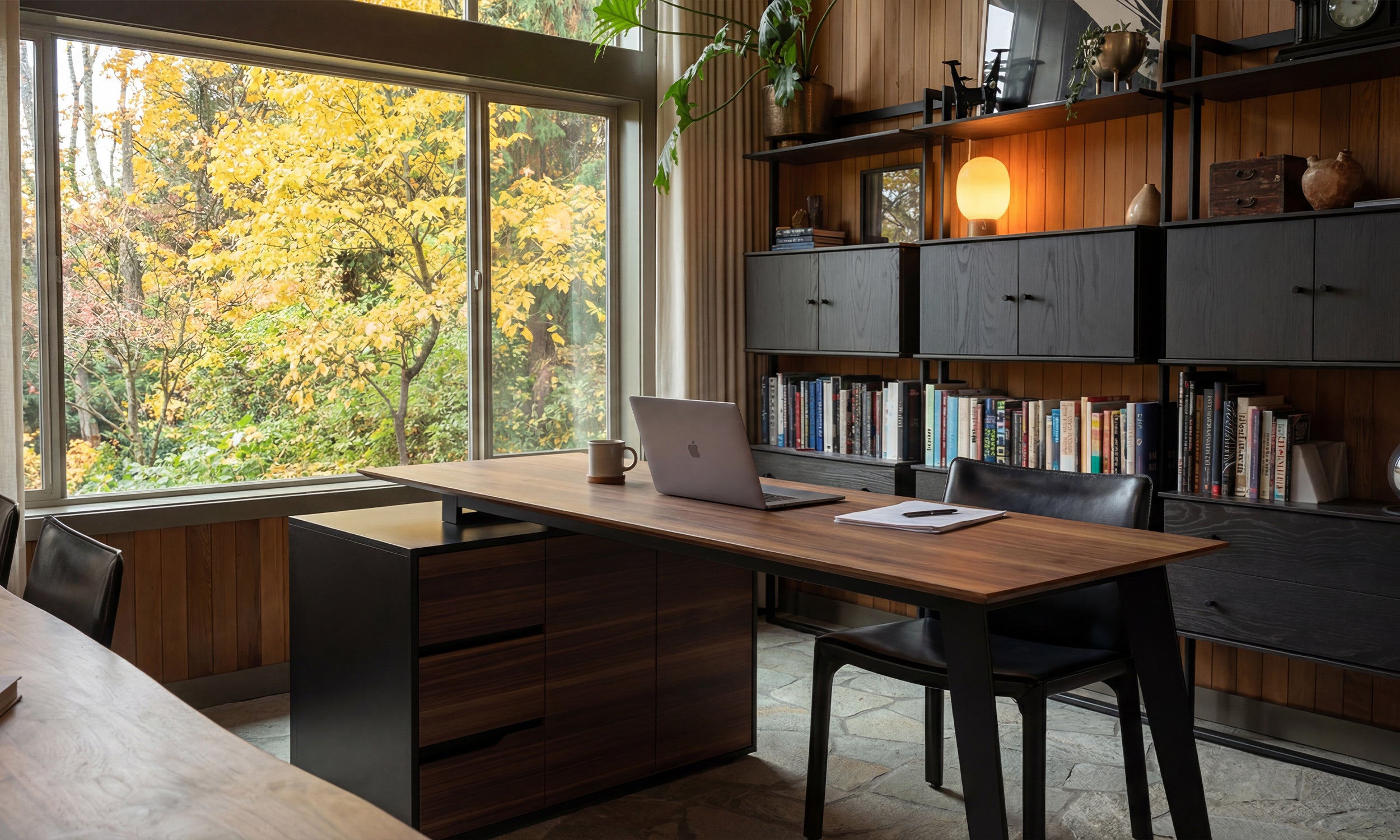
Dedicated home offices and open-concept rooms benefit from expansive configurations that incorporate wide side returns, integrated bookcases, or corner layouts. For corner layouts requiring extensive side shelving and generous surface depth, selecting a modern office computer product anchors multi-monitor setups while keeping essential reference materials systematically arranged.
For users balancing open tiers alongside enclosed filing systems, reviewing an office desk shelves guide helps clarify closed vs. open storage needs to balance visual neatness with rapid accessibility.
Material Selection, Weight Distribution, and Structural Rigidity
The structural longevity of a desk with shelves depends on its framing materials, joinery design, and balanced weight distribution:
- Engineered Wood and Laminates: High-density composite boards with durable laminate finishes provide a smooth, uniform surface resistant to daily wear. Look for reinforced shelf spans and thick perimeter banding to support heavier book collections.
- Metal Framing and Hybrid Structures: Powder-coated steel frames paired with composite shelving offer excellent rigidity, open sightlines, and high resistance to lateral sway. Rear cross-bracing adds stability for tall, top-heavy hutch designs.
- Load Distribution: Place heavier items, such as multi-function printers, reference volumes, and computer hardware, on lower tiers or directly over vertical support columns. Reserve higher overhead shelves for lightweight decor, notebooks, and audio accessories.
- Wall Anchoring: Any tall hutch or vertical ladder structure should be secured with anti-tip hardware to the wall, especially in homes with active pets or uneven flooring.
Room Integration and Purpose-Driven Workspace Configurations
Tailoring the desk structure to the primary workflow ensures high productivity across different settings:
- Dedicated Home Offices: Pair wide desk surfaces with symmetrical side towers to establish defined zones for computer work, document review, and permanent office equipment.
- Multi-Functional Living Areas: Select sleek, minimalist shelving desks with open frames that blend seamlessly into surrounding residential furniture without creating visual clutter.
- Creative Studios and Front Desks: For front-facing or commercial studio setups demanding open tier access with aesthetic lighting, evaluating a modern desk open product delivers high utility and clean visual presentation for client interactions.
- Student Study Corners: Utilize upper hutch shelves for textbooks and desk-level cubbies for organizing charging hubs and stationery bins.
Assembly Mechanics and Maintenance Best Practices
Proper assembly and routine maintenance keep integrated shelf desks stable and aligned over years of use:
- Staged Fastener Tightening: Assemble the core frame loosely on a soft, level surface. Tighten all cam locks, bolts, and screws only after confirming that every corner and vertical upright is square.
- Integrated Cable Routing: Take advantage of shelf uprights and support legs by attaching adhesive cable clips or hook-and-loop ties along the rear framework to keep cables organized and hidden.
- Periodic Joint Checks: Routinely inspect connecting hardware, cross-braces, and shelf pins to ensure fasteners remain snug under shifting equipment loads.
- Surface Care: Clean shelves and tabletops with a soft, slightly damp microfiber cloth, avoiding harsh chemical cleaners that could degrade laminate seals or edge banding.


Leave a comment
This site is protected by hCaptcha and the hCaptcha Privacy Policy and Terms of Service apply.