
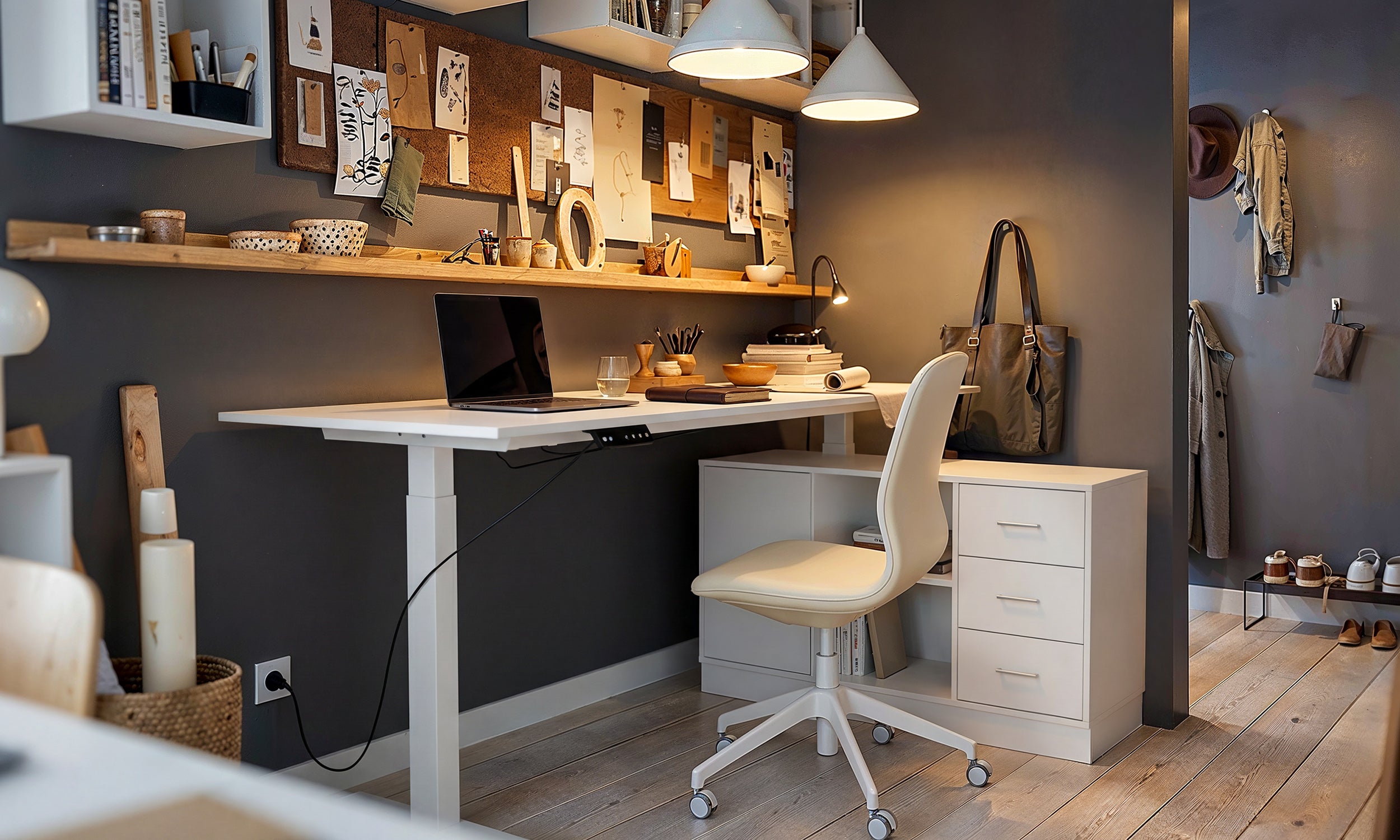
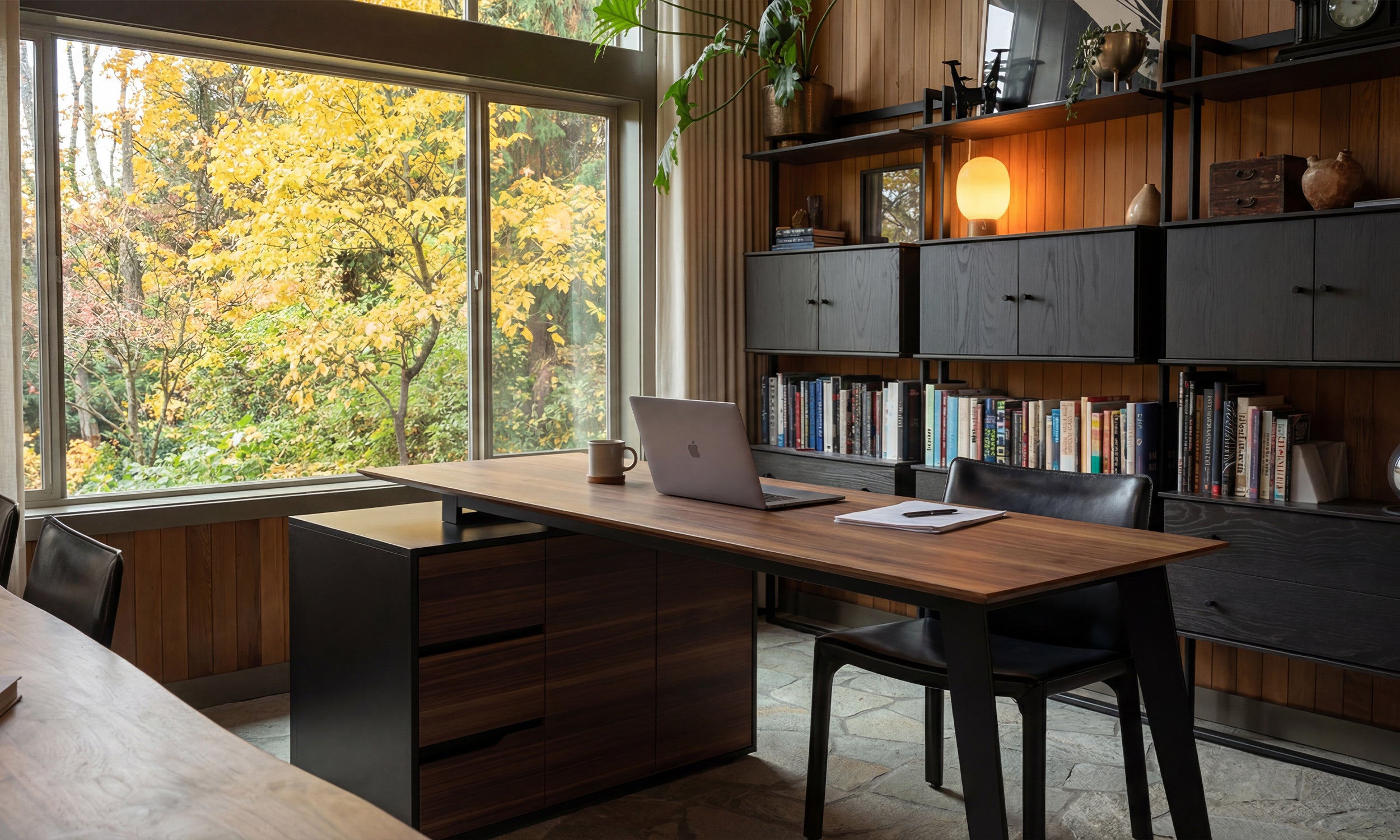


Designing an effective workspace on a budget requires balancing physical dimensions, structural balance, and everyday utility. Finding a quality affordable desk does not mean settling for unstable construction or restricted legroom. When evaluating a desk for cheap, the key is understanding how materials, joinery, and spatial proportions work together to create an enduring, comfortable surface. Reviewing an insightful work desk office guide can help clarify core ergonomic clearances before investing in new furniture.
Understanding Affordable Desk Engineering and Spatial Value
An inexpensive office desk provides genuine value when its engineering supports daily task demands without excessive flexing or rapid surface wear. Budget workstations achieve cost efficiency by streamlining raw materials, utilizing engineered composites, and designing flat-pack structural layouts that minimize shipping bulk. Evaluating value involves looking past surface aesthetics to assess leg clearance, edge-banding durability, and horizontal load dispersion across the primary work area.
A well-designed cheap office table distributes weight evenly through perimeter framing, preventing the center sag often found in poorly braced furniture. By prioritizing robust corner joints, dense panel substrates, and scratch-resistant coatings, manufacturers produce cost-effective desks capable of handling computers, monitor mounts, and everyday desktop accessories with reliable stability.
Dimensional Sizing Tiers and Room Flow Planning
Matching a workstation's proportions to your available floor area prevents traffic bottlenecks while ensuring sufficient perimeter room for task seating, door swings, and natural movement.
Compact Alcove and Bedroom Footprints
For secondary rooms, apartments, or shared studio areas, cheap room desks prioritize minimal footprints. A simple cheap desk designed for tight nooks often features shallow depths to preserve open walkways. These compact solutions function exceptionally well as an affordable study desk, providing dedicated space for a notebook and laptop without overwhelming the room layout. Streamlined silhouettes allow these units to slide neatly between closets, window embrasures, or structural room alcoves.
Standard Home Office Task Envelopes
Dedicated work areas benefit from balanced mid-scale desks. These surfaces offer enough depth to maintain a comfortable viewing distance from external displays while leaving space for a full keyboard, mousepad, and reference notebooks. This format represents a practical baseline for general remote work and daily administration, balancing generous surface real estate with efficient room space consumption.
Corner and Extended Multi-Surface Profiles
Corner workstations optimize underutilized perimeter walls by distributing equipment across two perpendicular axes. Choosing an expansive corner model, such as a specialized office desk product, allows for dual-monitor setups and dedicated writing zones while preserving open central floor space. L-shaped footprints separate primary computer tasks from sorting or reading zones, allowing multitasking within an economical layout.
Material Composition and Frame Stability Tiers
The structural integrity of a cheap desk table depends on its leg configuration and material composition:
- Engineered Wood Surfaces: Particleboard and medium-density fiberboard coated in melamine or laminate resist daily scuffs, heat, and accidental spills while keeping manufacturing and shipping costs manageable.
- Metal Sub-Frames: Powder-coated steel legs provide rigid vertical support and help eliminate lateral wobble during active typing or peripheral adjustments.
- Reinforced Backing: Cross-bracing or full modesty panels stiffen rectangular frames and prevent joints from loosening over time under shifting horizontal forces.
When selecting a cheap office desk or a work desk cheap enough for tight budgets, checking for reinforced under-desk crossbeams and sturdy mounting plates ensures long-term structural reliability across years of regular use.
Storage Architecture: Open Shelving vs. Integrated Cabinetry
Managing desktop clutter is essential for sustained focus and workflow efficiency. Workstation designs handle organizational needs through two primary approaches:
Open-leg minimalist tables maximize knee clearance and visually open up small spaces, giving rooms an airy, uncluttered feel. However, they require external organizers, such as mobile utility carts or desktop risers, to contain office supplies. In contrast, an affordable office desk with built-in storage—such as integrated side drawers, open cubbies, or an overhead hutch—consolidates filing and peripheral storage into a single piece of furniture. Exploring the comprehensive office study collection highlights how tiered cabinetry streamlines everyday organization. For full workstation needs, choosing an integrated office desk product provides enclosed storage to keep papers, stationery, and electronics organized and dust-free.
Sourcing Channels and Value Selection Framework
Shoppers wondering where to buy cheap desk models or where to get cheap desk options should weigh online direct-to-consumer catalogs against local retail displays. Online retailers typically offer broader size variations, detailed customer feedback, and modular configurations tailored to specific room dimensions. In-person shopping lets you examine finishes directly, but online platforms often provide greater value through direct shipping and integrated multi-piece furniture systems. Reviewing curated setup inspiration, such as a practical cool office buy guide, can help you evaluate how an economical desk integrates with ambient lighting, cable trays, monitor stands, and ergonomic task seating.
Assembly Precision and Long-Term Stability Maintenance
The longevity of an affordable home office desk often depends on careful initial assembly and ongoing hardware maintenance. To ensure enduring stability:
- Assemble the frame on a soft, carpeted surface or protective blanket to avoid scratching the laminate finish or bending metal corners.
- Loosely thread all primary structural bolts before tightening them systematically in a diagonal pattern to prevent frame warping.
- Ensure all cam-locks, structural dowels, and side pins are fully seated before securing top desktop surfaces.
- Adjust bottom leveling glides to eliminate rocking and compensate for minor floor unevenness.
- Periodically inspect and retighten main leg fasteners after several months of active use to maintain structural rigidity.
Taking these deliberate steps ensures your cheap home desk remains a stable, practical workstation for everyday professional and academic tasks.


Leave a comment
This site is protected by hCaptcha and the hCaptcha Privacy Policy and Terms of Service apply.