


















The era of the sterile, fluorescent-lit breakroom is officially over. In modern workplace design, the line between residential comfort and commercial durability is blurring—a concept we in the industry call 'resimercial' design. However, creating a space that encourages relaxation without sacrificing professional energy is a delicate balancing act. Many businesses struggle to implement office lounge ideas that actually function, often resulting in expensive furniture that sits unused because the environment feels too exposed or uncomfortable.
Key Features for a Functional Lounge
Before selecting a single sofa, consider these non-negotiable elements that define a successful lounge area in an office.
- Acoustic Control: Soft furnishings, baffles, or rugs to dampen noise transfer to work zones.
- Contract-Grade Durability: Fabrics must exceed 50,000 double rubs (Wyzenbeek test) to withstand daily traffic.
- Power Integration: Accessible outlets and USB ports integrated into seating or side tables are mandatory for a modern office lounge.
- Zoning: Clear distinction between high-energy collaboration areas and quiet respite corners.
- Ergonomic Variety: A mix of seat heights (sofa vs. bar height) to accommodate different working postures.
Defining the Purpose: Layout and Flow
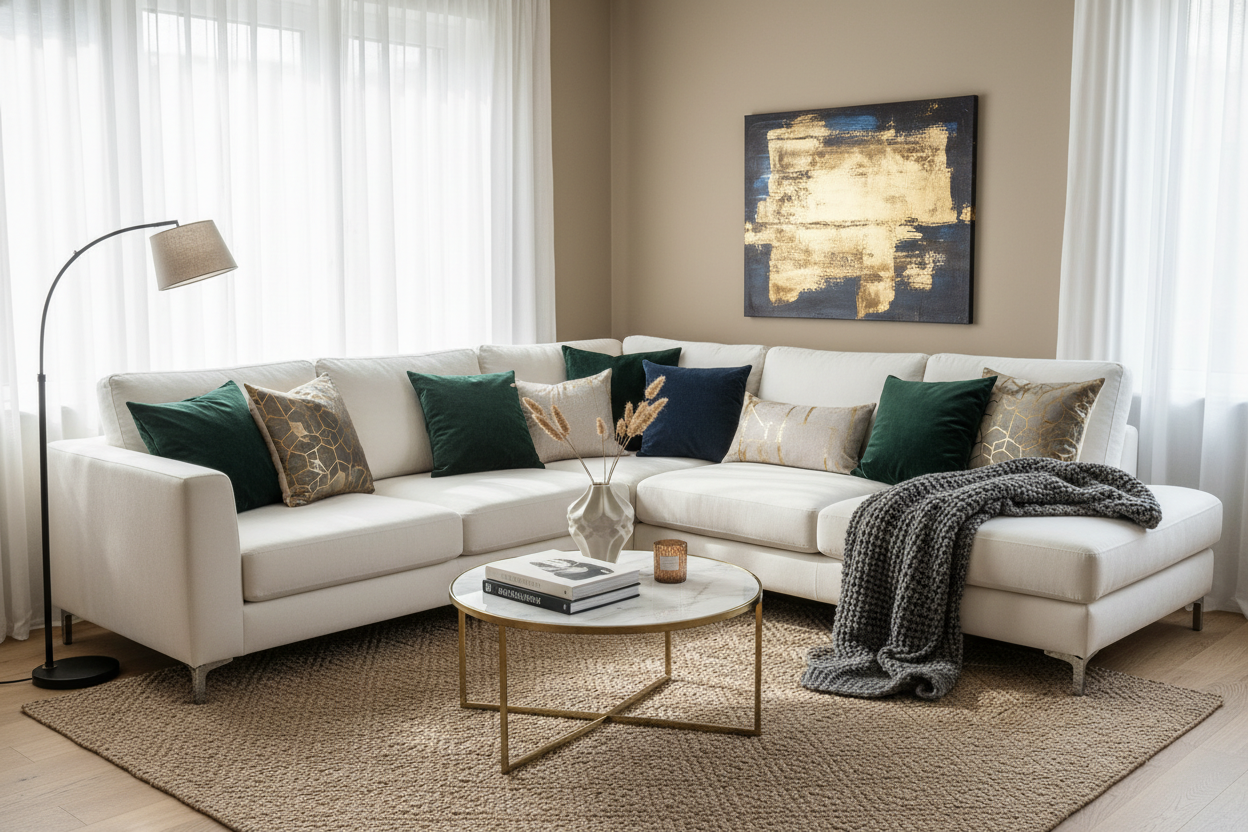
The most successful workplace lounge designs start with a floor plan, not a mood board. You must determine if this is a space for collaboration or escapism. If you are designing a lounge office intended for brainstorming, arrange seating in face-to-face clusters using modular sectionals. This encourages conversation.
Conversely, for a quiet retreat, orient furniture toward a view or away from high-traffic corridors. Visual privacy is key here. High-back wing chairs or acoustic pods can create 'rooms within rooms,' offering solitude without building walls.
Selecting the Right Materials
When curating office lounge furniture ideas, aesthetics often override practicality, which is a costly error. In a home office lounge, you might get away with a velvet armchair, but in a shared workspace, maintenance is paramount.
Fabric and Finish
Stick to solution-dyed acrylics or crypton fabrics that resist stains and microbial growth. Leather (or high-quality vegan leather) is excellent for a modern office lounge as it develops a patina over time but remains easy to wipe down. Avoid loose weaves like linen or bouclé in high-traffic zones, as they snag easily on zippers and keys.
Scaling for Size: Small Office Lounge Ideas
Not every company has the square footage of a tech giant headquarters. Designing a small office lounge area requires maximizing vertical space and utilizing multi-functional furniture.
Avoid overstuffed, rolled-arm sofas which eat up visual and physical space. Instead, opt for furniture with exposed legs; seeing the floor underneath the furniture tricks the eye into perceiving the room as larger. Nesting tables are brilliant for a small office lounge design, allowing flexibility when the team gathers for a quick stand-up meeting.
Lighting and Ambiance
Lighting dictates the mood of your interior office lounge. Overhead fluorescent lighting should be avoided at all costs. Instead, layer your lighting. Use floor lamps for a warm, residential glow and pendant lights to anchor specific zones, such as a communal table. The goal is to lower the color temperature to around 2700K-3000K to differentiate the lounge space from the brighter, cooler lighting of the main workstations.
My Personal Take on Office Lounge Ideas
Lessons from My Own Projects
I once worked on a workplace lounge for a creative agency that insisted on a stunning, pale beige wool sectional. It looked incredible on installation day—pure architectural digest material. However, I failed to push back hard enough on one specific detail: denim dye transfer.
Within three months, the seats of that expensive sectional had turned a dingy shade of blue because employees were sitting there in dark wash jeans every day. It was a disaster that required professional cleaning every quarter. Since then, I strictly advise clients that if they want light-colored upholstery in an office lounge room, we must use vinyl or a treated performance fabric with a high grade of cleanability. It’s these unglamorous details—like checking the cleaning code (look for code 'W' or 'W/S')—that determine if a lounge remains an asset or becomes a maintenance liability.
Conclusion
Whether you are outfitting a sprawling corporate headquarters or refining a home office lounge, the principles remain the same: durability, comfort, and intentional layout. By prioritizing contract-grade materials and thoughtful lighting, you can create a space that not only looks sophisticated but genuinely enhances the workday experience.
Frequently Asked Questions
Can I use residential furniture in an office lounge?
Generally, no. Residential furniture often lacks the fire safety ratings (such as CAL 117 or CAL 133 depending on your local jurisdiction) required for commercial spaces. Furthermore, residential frames aren't built to withstand 8+ hours of daily use by people of varying weights.
How much space do I need for a lounge area?
For a small office lounge, you can create a functional vignette with as little as 50 square feet (enough for two armchairs and a side table). For a full collaborative zone, aim for at least 150-200 square feet to allow for circulation flow around the furniture.
What is the best color palette for a work lounge?
Biophilic tones—greens, terracottas, and wood grains—are trending because they reduce stress. However, for a modern office lounge, monochromatic schemes (greys, blacks, and navies) with textural variety offer a timeless, easy-to-maintain look.

Leave a comment
This site is protected by hCaptcha and the hCaptcha Privacy Policy and Terms of Service apply.