

















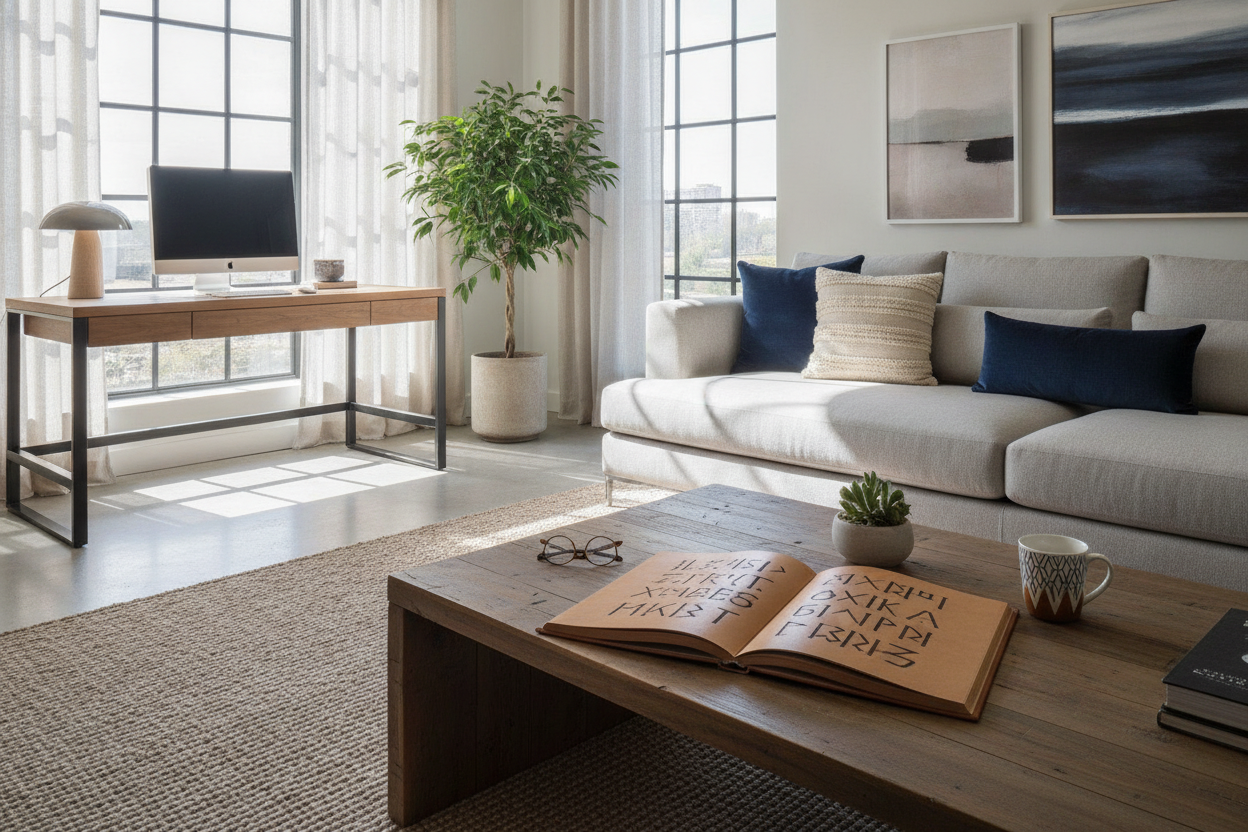
Setting up an organized home office or study area does not require a substantial financial commitment. However, navigating the market for desks for cheap requires understanding the line between economical value and flimsy construction. A well-engineered budget desk can deliver dependable daily stability, clean aesthetic lines, and effective utility when selected with an eye for structural details.
Sourcing Channels: Where to Find Cheap Desks That Deliver Long-Term Value
When asking where to find cheap desks or where can i find cheap desks, comparing the operational models of different retail channels helps reveal where real value lies. Rather than simply scanning for the lowest advertised price tag, evaluate how each seller structures shipping, warranty coverage, and component specifications.
- Direct-to-Consumer Furniture Brands: Buying directly from manufacturers specializing in flat-pack storage and home workstations often cuts out intermediary markup, providing better baseline materials and dedicated hardware support.
- Broad Online Marketplaces: These platforms offer expansive variety when asking where to get a cheap desk, but they require careful review of customer assembly feedback and component descriptions to filter out lightweight imitations.
- Seasonal and Clearance Outlets: Timing purchases around transitional retail cycles or end-of-season inventory shifts offers access to larger desktop footprints at reduced price points.
Applying comprehensive budget furniture selection strategies across your home ensures that every piece meets consistent benchmarks for build quality and functional longevity before you commit.
Dimension Tiers: Selecting the Right Desk Sizing for Your Room Footprint
A frequent mistake when shopping for economical workstations is misjudging the balance between usable desktop surface and room walkway clearance. Sizing tiers generally fall into distinct architectural categories:
- Compact Writing Desks: Designed for shallow depths and narrower widths, these units fit neatly into bedroom corners, alcoves, or multi-purpose living spaces without dominating walking paths. Much like evaluating compact budget tables, checking leg span and perimeter clearance ensures the piece integrates naturally.
- Standard Computer Desks: Offering deeper surface area, these work well for dedicated single-monitor setups, providing ample clearance for keyboard placement and basic document staging.
- Corner and L-Shaped Configurations: These maximize underutilized room corners, creating separated zones for computing and manual writing tasks while keeping structural framing anchored along supporting walls.
Always factor in the swing path of nearby doors and the backward travel distance of your office chair to maintain comfortable circulation throughout the workspace.
Materials and Framing: How to Spot Sturdy Construction in Budget Desks
Assessing material composition is essential when determining where can i get a cheap desk that will withstand daily usage without sagging or swaying. Budget desks rely on engineered wood products paired with metal or composite sub-frames.
Look for medium-density fibreboard (MDF) or high-density engineered cores finished with thermoset melamine or laminate veneers. These surface coatings provide superior resistance to moisture rings and light scratches compared to thin paper foils. On the framing side, tubular steel legs with powder-coated finishes offer rigidity and resist chipping. Pay close attention to structural reinforcement: desks featuring welded corner gussets or diagonal rear cross-bracing maintain substantially better lateral stability than models relying solely on vertical posts bolted into top panels.
Storage Architecture: Built-in Drawers vs. Modular Companion Units
Storage integration directly influences both the cost and ergonomics of affordable desks. Buyers generally choose between two primary structural layouts:
- Integrated Pedestals and Hutches: Desks with built-in side drawers or vertical overhead hutches consolidate office essentials into a single footprint. While convenient, integrated cabinetry can reduce knee clearance and lock you into a fixed orientation.
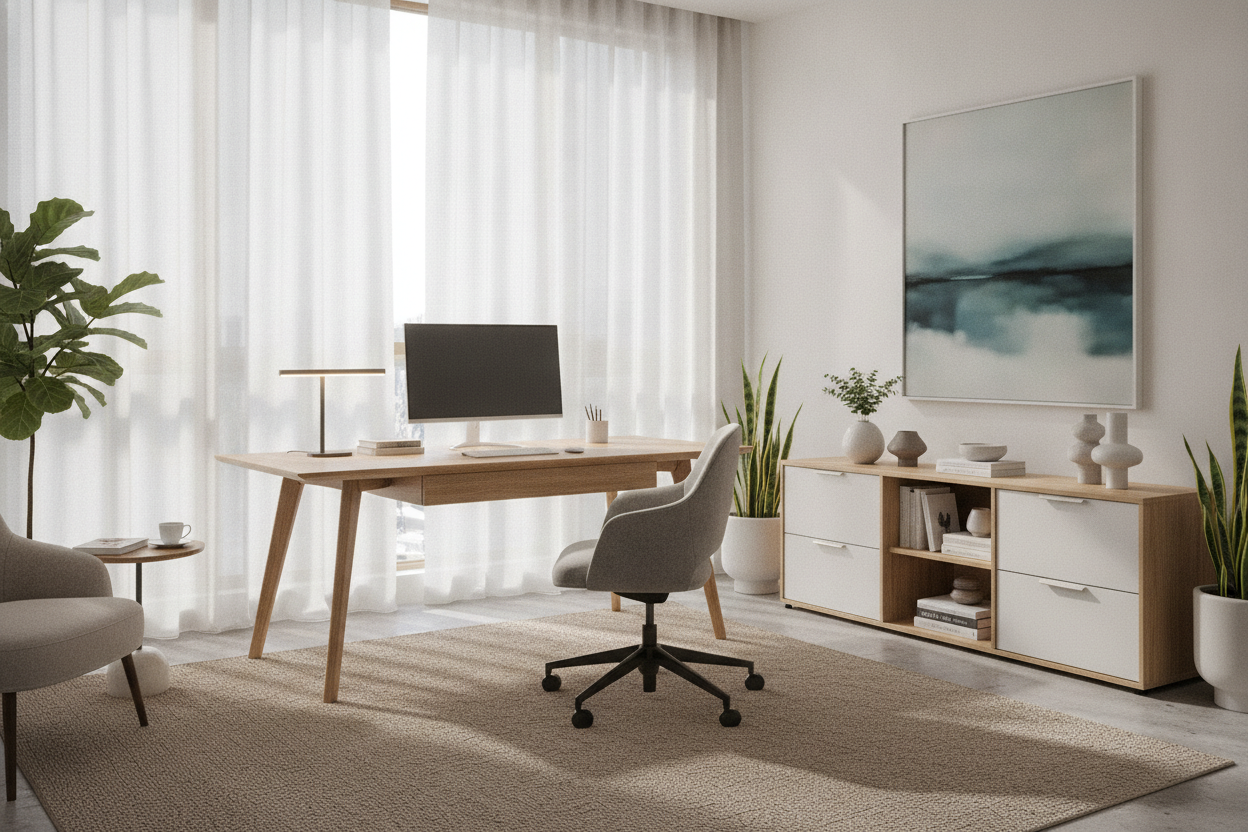
- Open-Frame Desks with Modular Storage: Minimalist four-leg or trestle desks maximize open legroom and accommodate varied seating heights. Pairing an open desk with a separate, mobile rolling drawer unit or floating wall shelves often yields greater long-term flexibility at a comparable total cost.
For smaller rooms, open-frame profiles keep sightlines clear, preventing the room from feeling cramped while still providing necessary desktop support.
Assembly, Hardware, and Rigidity Reinforcement
The durability of budget flat-pack furniture largely depends on the assembly process. Taking precise steps during initial setup prevents loosening over time:
- Hardware Engagement: Ensure cam-lock pins and wooden dowels seat fully into their pre-drilled housings before locking to avoid uneven stress across panel joints.
- Leveling Glides: Utilize adjustable threaded feet at the base of metal legs to compensate for uneven flooring surfaces, eliminating foundational rocking before loading the desktop.
- Fastener Maintenance: Re-checking and tightening structural bolts a few weeks after initial assembly ensures the frame settles into a rigid, quiet workstation.
Elevating Budget Workstations: Surface Zoning and Aesthetic Styling
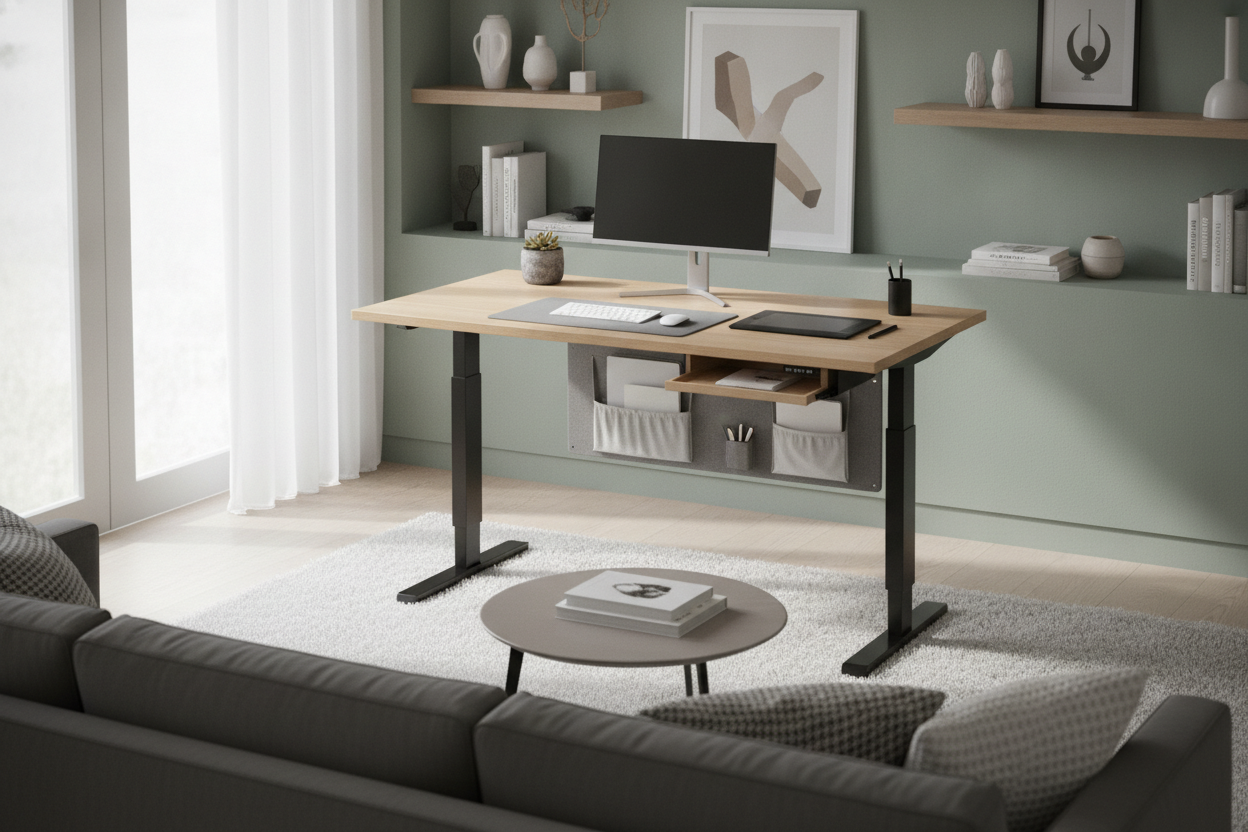
An affordable desk can achieve a sophisticated, clean aesthetic through disciplined organization. Managing cables along the underside of the frame using adhesive clips or simple cable trays immediately declutters the workspace. Adding a raised monitor stand not only promotes neutral eye alignment but also reclaims usable surface area underneath for notebooks and keyboards.
Coordinating finishes across your desk, desk lamp, and complementary filing units creates visual cohesion, ensuring your budget-friendly workstation looks intentional and refined.
Desk Evaluation Checklist: Quick Framework Before You Buy
Before completing your purchase, review this quick decision matrix to ensure the selected model meets your daily functional requirements:
- Footprint & Clearance: Have you verified room walkway space and chair travel depth against the desk dimensions?
- Frame Support: Does the desk include structural cross-bracing, corner brackets, or thick steel tubing for lateral stability?
- Surface Finish: Is the tabletop protected by a durable laminate or melamine coating rather than untreated paper wrap?
- Storage Alignment: Does the configuration preserve comfortable knee room while accommodating your primary office accessories?
By focusing on solid construction principles, adaptable sizing, and careful assembly, you can secure an attractive, dependable workspace that serves your daily needs while staying within budget.

Leave a comment
This site is protected by hCaptcha and the hCaptcha Privacy Policy and Terms of Service apply.