


Foundations of Desk Design: Balancing Function, Scale, and Workspace Flow
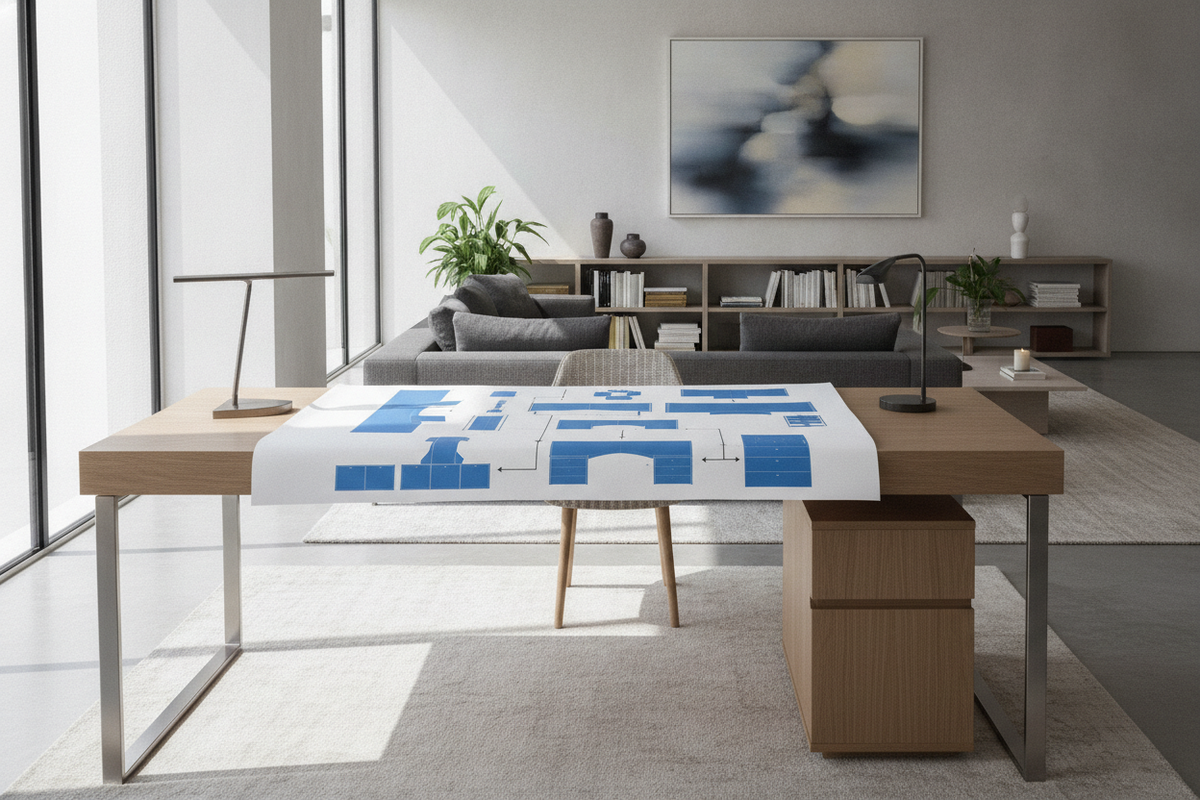
An effective desk design serves as the functional anchor of any productive interior. Whether intended for professional remote tasks, creative studio endeavors, or general home administration, the design of a desk directly influences physical posture, cognitive clarity, and spatial movement throughout the room. When evaluating potential furniture configurations, the objective is to balance usable work surface area with sufficient clearance for effortless room navigation.
A well-proportioned office desk design prevents visual crowding while supporting necessary technical hardware, paperwork, and task lighting. By harmonizing structural footprint, surface area, and ambient floor space, thoughtful design choices reduce physical strain and create an environment dedicated to sustained focus.
Workstation Silhouettes: Evaluating Layout Geometries and Room Alignment
The overall silhouette of a workstation dictates how effectively it integrates into room architecture. Different room dimensions and daily routines require specific geometric layouts to maximize spatial efficiency.
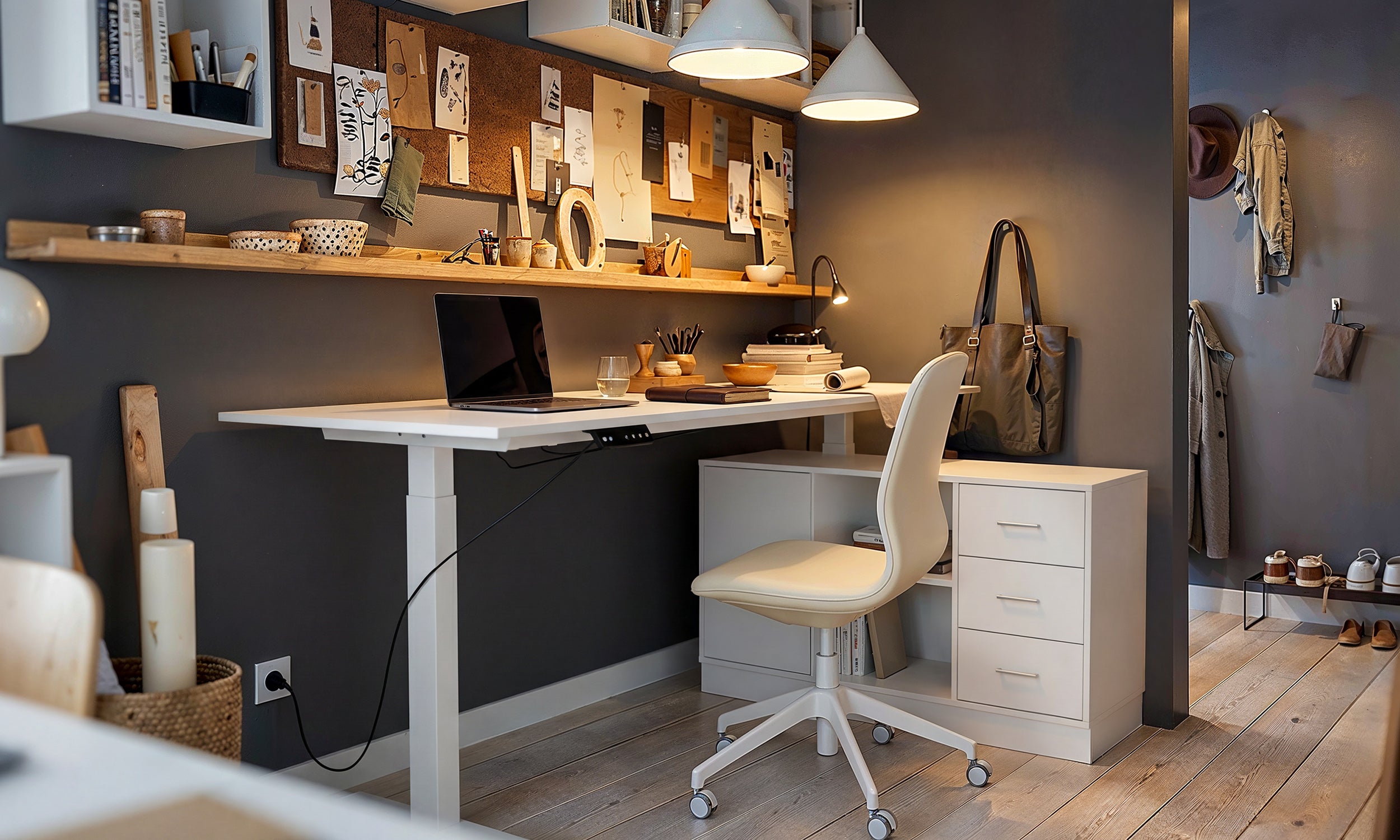
- Linear Writing and Computer Desks: Featuring straight, rectangular footprints, linear desks fit flush against accent walls, sit cleanly under windows, or position effortlessly in shared multi-use rooms without dominating visual weight.
- L-Shaped and Corner Desks: These profiles capitalize on underutilized corner real estate. By dividing surface space into two distinct task zones, an L-shaped desk for office design supports multi-monitor hardware on one wing while preserving clear surface space for writing and reference materials on the other.
- Floating and Wall-Mounted Formats: Suspended or fold-away desks provide an uncluttered aesthetic for compact urban apartments, leaving the floor surface open to enhance the perception of square footage.
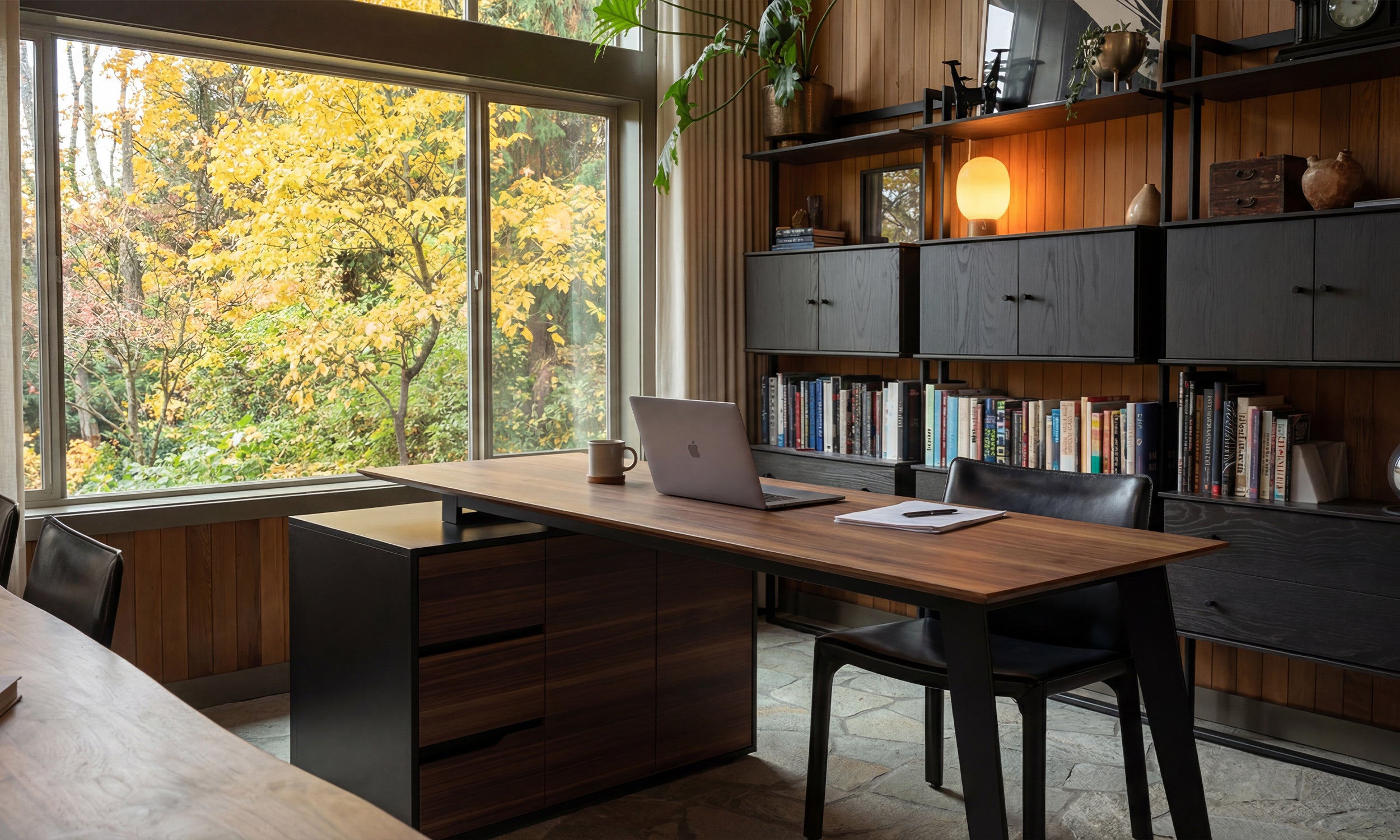
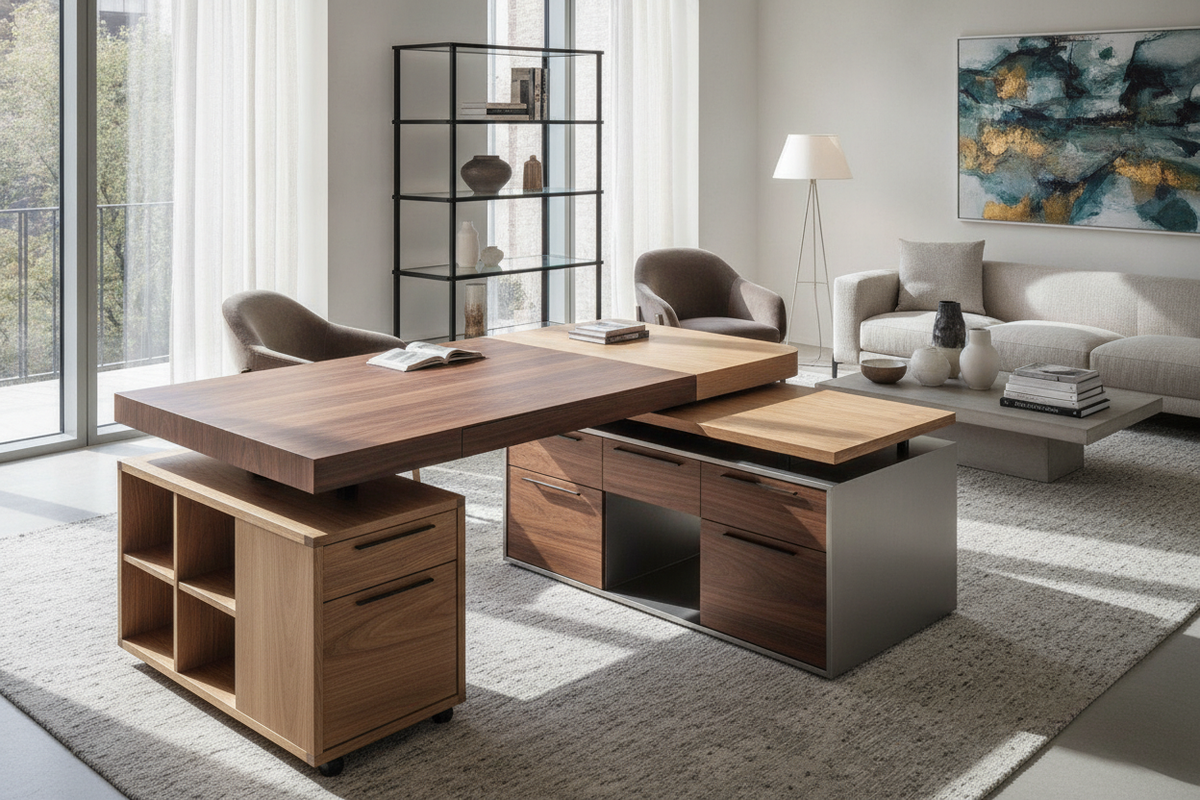
- Freestanding Executive Desks: Designed with finished paneling across all sides, executive silhouettes anchor larger rooms when placed centrally in an open floor layout facing the entryway.
Desk Top Designs: Surface Materials, Edge Profiles, and Functional Zones
Evaluating distinct desk top designs involves assessing tactile materials, edge detailing, and organizational reach zones. The surface must withstand everyday contact while complementing surrounding home decor finishes.
Material choices range from rich wood veneers and durable engineered laminates to tempered glass surfaces. Smooth, non-porous laminates resist liquid rings and pen indentations, whereas natural wood finishes introduce organic warmth and texture into minimalist interiors.
Edge contours also influence daily comfort. Beveled or softly rounded waterfall edges eliminate sharp pressure points along the forearms during long writing or typing sessions. Structuring the surface into primary, secondary, and tertiary reach zones keeps critical tools within arm's reach while relegating decorative accents or stationary monitors to peripheral areas.
Storage Architecture: Built-In Modules, Modular Pedestals, and Complementary Units
Storage integration is a decisive factor in successful home office desk design. The choice between open-frame legroom and built-in under-desk drawer pedestals depends on individual organization styles and equipment requirements.
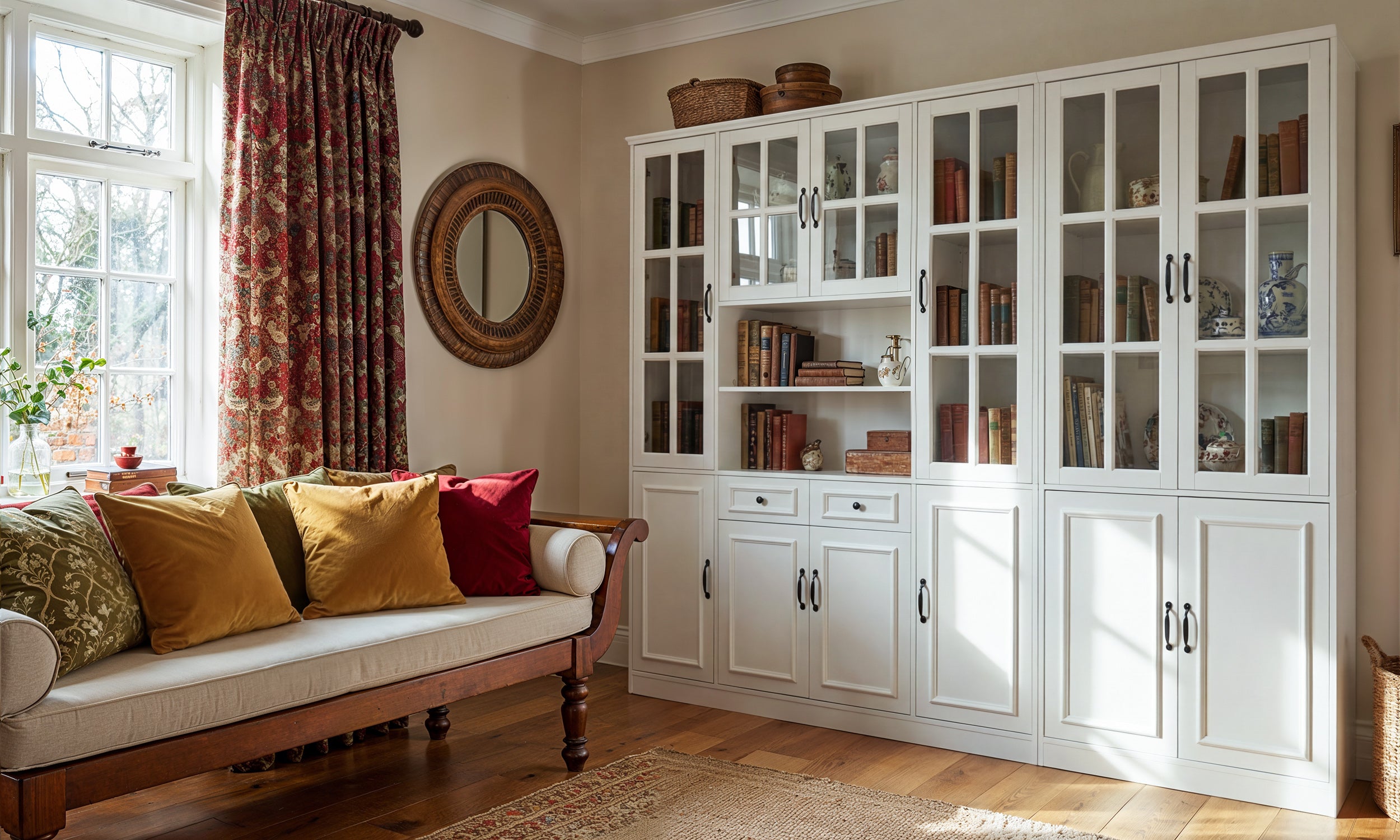
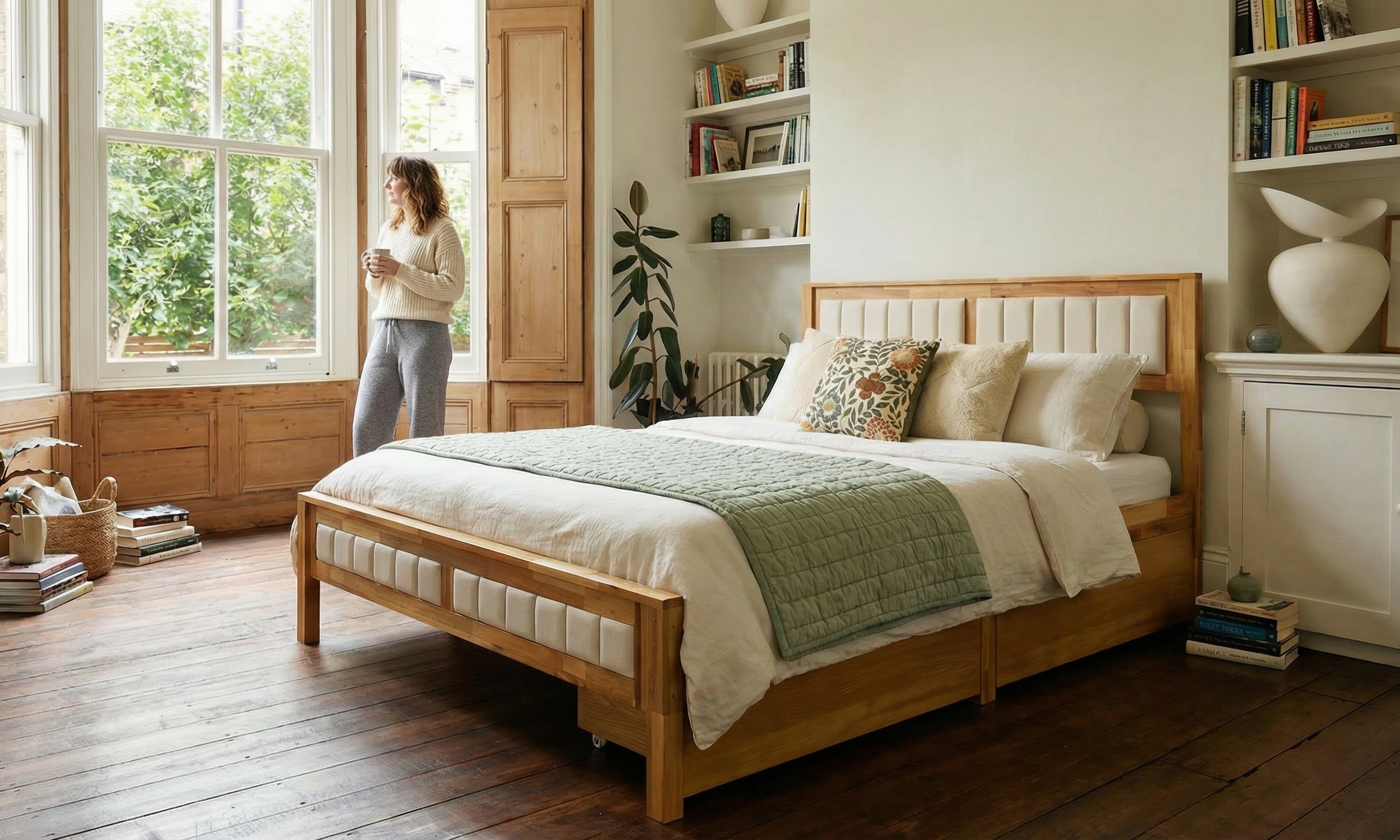
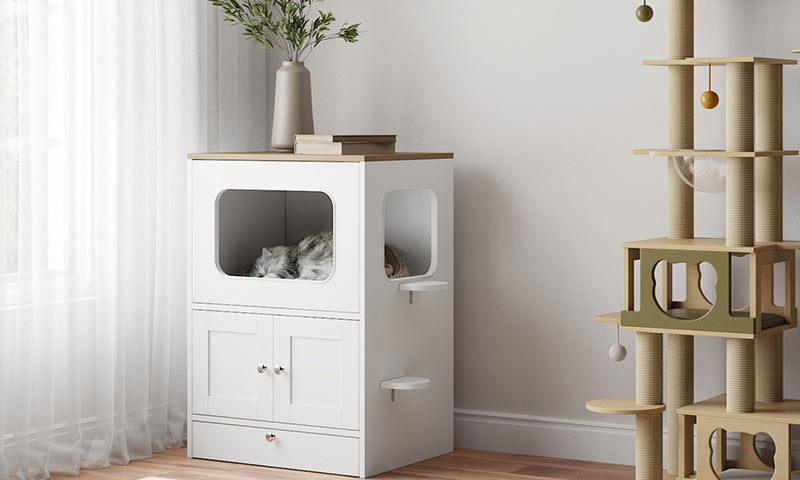
Open-frame silhouettes maximize leg movement and offer room for personal footrests, but they require alternative solutions for paper management. Conversely, integrated pedestals with utility drawers and filing tracks consolidate daily essentials directly below the desktop. For expansive collections of supplies, tools, or documents, pairing a clean-lined desk with a dedicated spacious storage chest keeps the primary work surface pristine without sacrificing storage volume.
Multi-Functional Desk Designs: Hybrid Workspaces and Adaptive Furniture
In modern multi-purpose interiors, furniture must frequently pivot between professional utility and personal care. Adaptive furnishings allow compact rooms to maintain order while supporting diverse daily rituals.
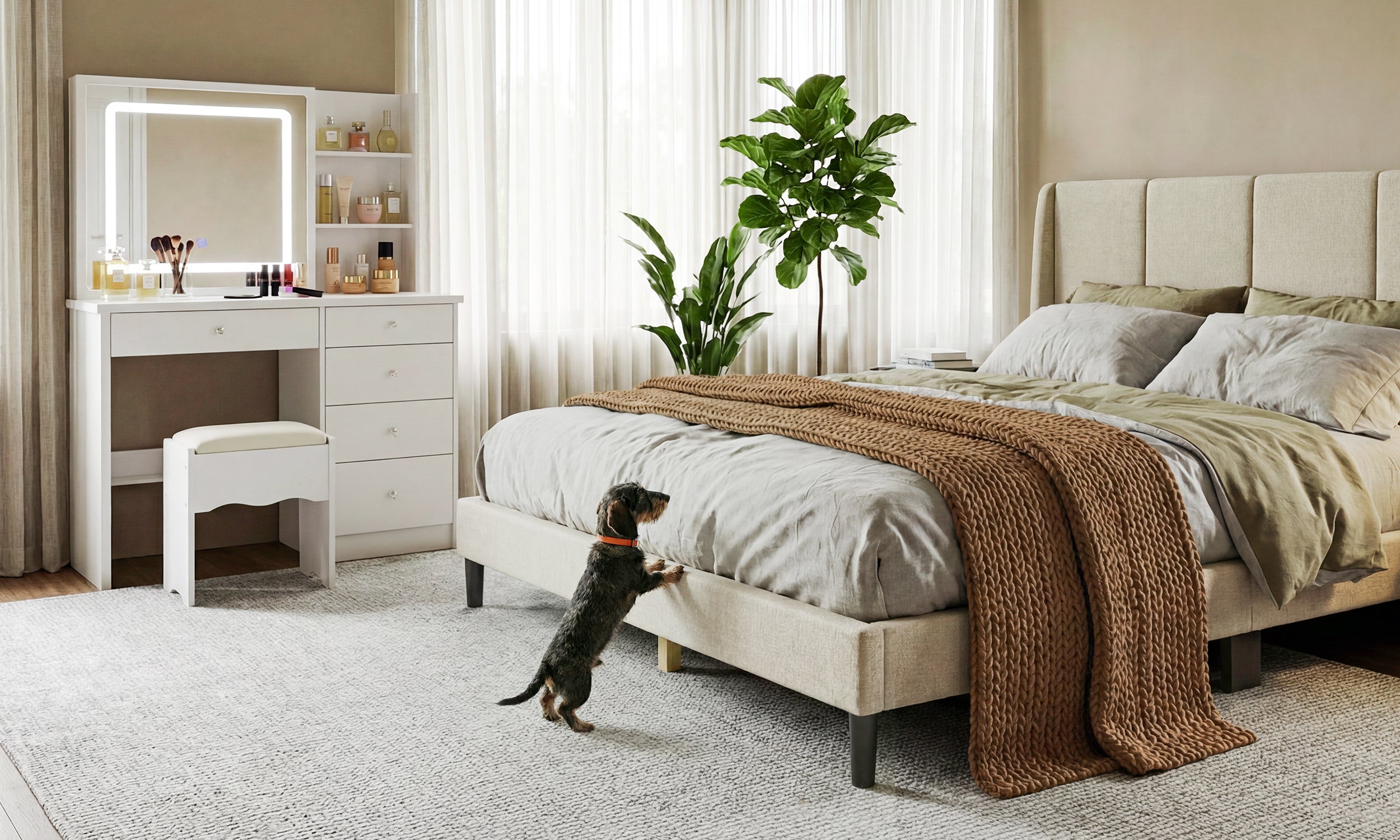
A versatile multi-functional vanity desk exemplifies this dual-purpose approach, featuring flip-top mirrors and concealed internal organizers that transition smoothly from a laptop writing surface by day to a structured vanity station in the evening. Integrated cord routing and hidden compartments ensure personal grooming tools or power supplies remain out of sight when shifting modes.
Styling and Interior Cohesion: Unifying Your Desk with Surrounding Decor
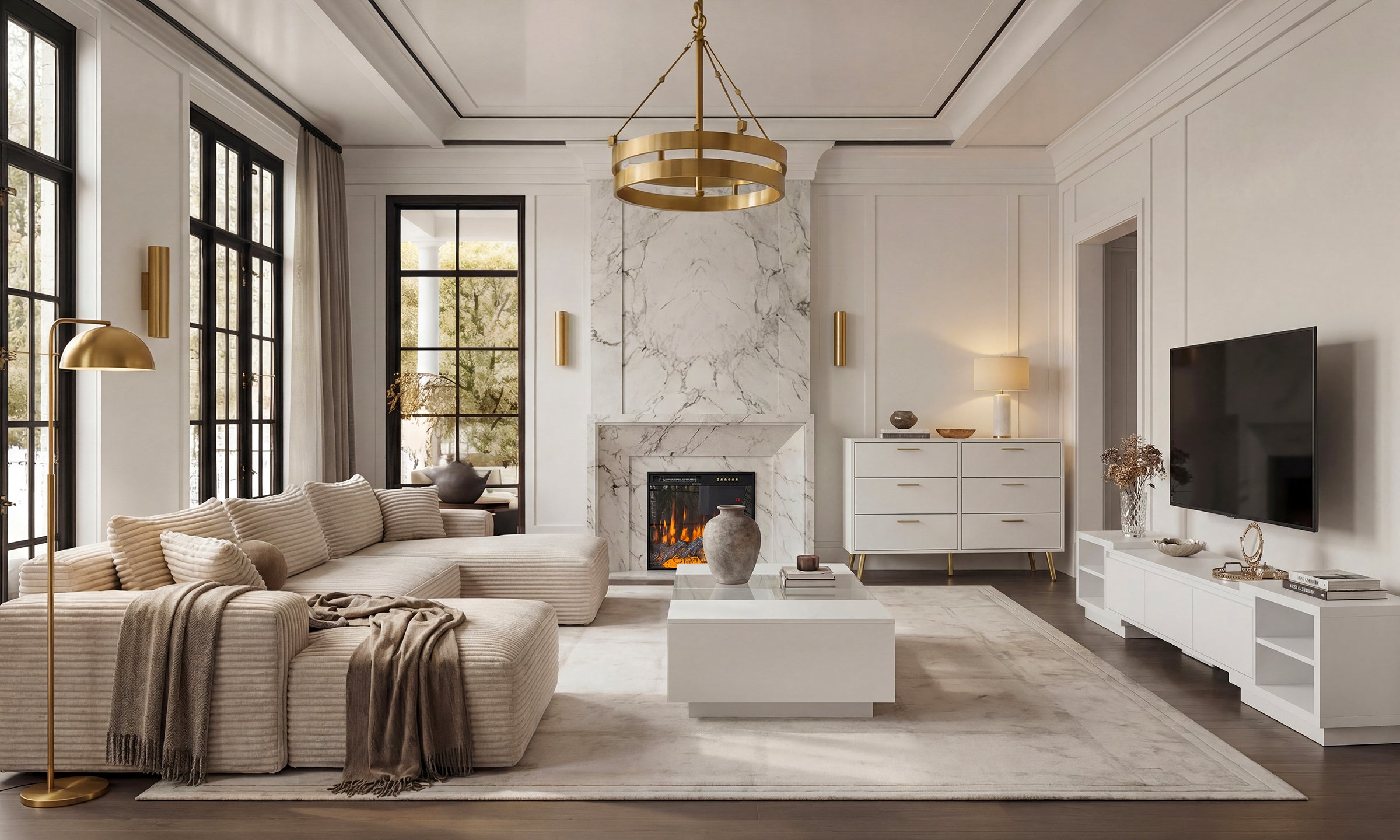
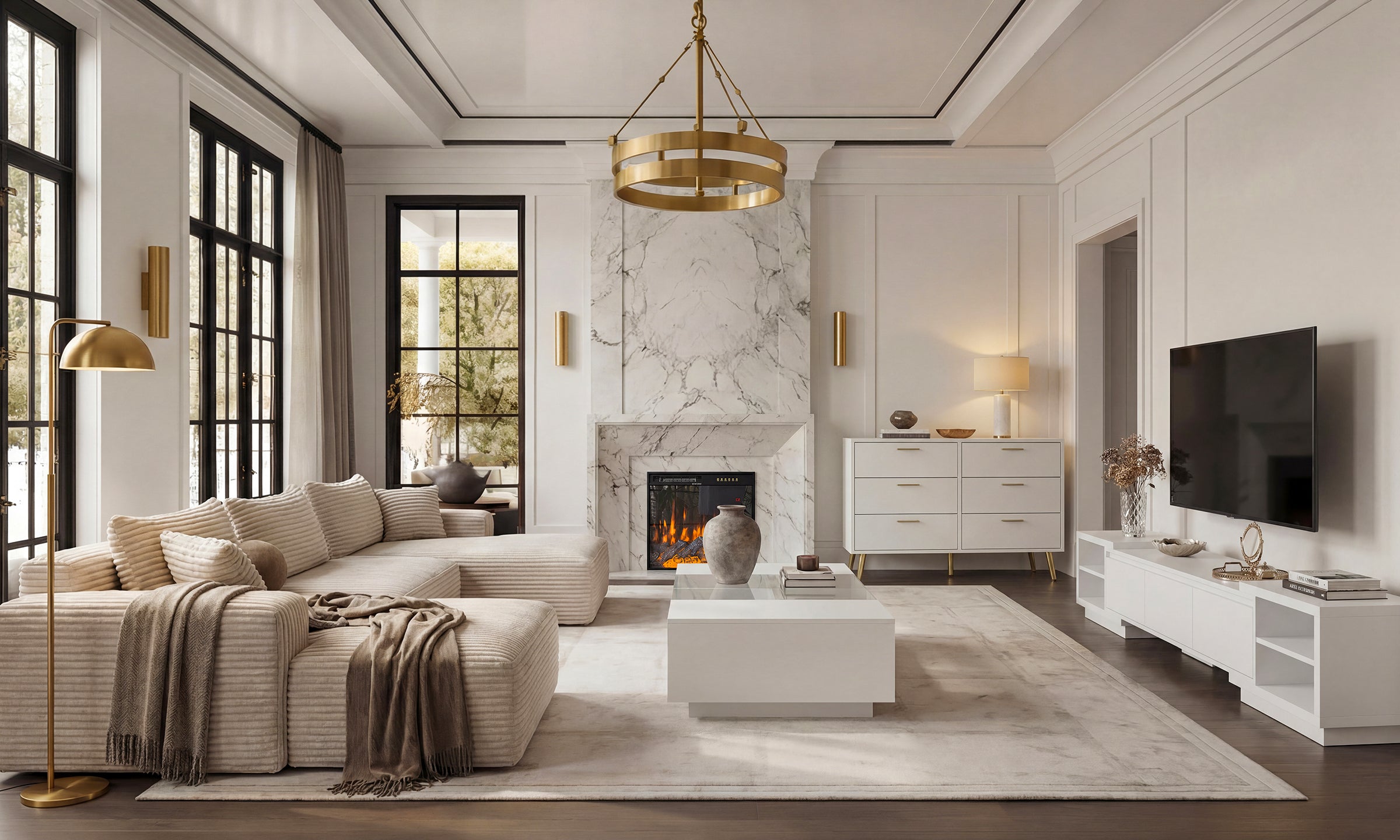
Curating a cohesive aesthetic requires harmonizing the desk's materials, metal hardware, and structural silhouette with existing cabinetry and accent furniture. Integrating varied wood tones or metal finishes should follow an intentional palette to maintain visual calm.
Layering task lamps with ambient lighting prevents glare across the desktop, while complementary storage pieces, such as a matching accent storage unit, bridge the transition between professional utility and residential warmth. Positioning greenery, desktop pads, and discreet organizers creates an inspiring environment tailored to personal work habits.
Strategic Desk Design Selection Checklist
Before selecting a final desk configuration, verify key structural and spatial parameters:
- Spatial Clearances: Measure available floor depth, accounting for extended chair pushback, open drawer pathways, and entryway clearance.
- Equipment Mapping: Identify all desktop devices, including displays, docks, and task lighting, ensuring the chosen surface dimensions accommodate cable routing and peripheral hardware comfortably.
- Storage Allocation: Decide between integrated under-desk compartments or independent vertical organizers based on your preferred balance between leg clearance and filing capacity.
- Material Durability: Select surface finishes and edge profiles aligned with the intensity of your daily tasks and overall interior style.


Leave a comment
This site is protected by hCaptcha and the hCaptcha Privacy Policy and Terms of Service apply.