




Securing a **work in home job** is a significant career milestone, but maintaining professional output in a space originally designed for relaxation presents a unique interior design challenge. The biggest dilemma I see clients face is not the lack of space, but the lack of separation. When your living room doubles as your boardroom, the lines blur, and burnout creeps in. This article shifts the focus from finding employment to curating the environment that sustains it, ensuring your home office is as functional as it is aesthetically pleasing.
Quick Decision Guide: Office Design Essentials
- Ergonomics First: Prioritize chair lumbar support over velvet upholstery trends; your spine is non-negotiable.
- Lighting Layers: Combine ambient overhead light with specific task lighting (4000K temperature) to reduce eye strain.
- Surface Depth: Ensure your desk is at least 24-30 inches deep to accommodate monitors without crowding.
- Acoustics: Incorporate soft furnishings (rugs, curtains) to dampen echo during calls.
- Materiality: Choose matte finishes over high-gloss to minimize distraction and fingerprints.
Zoning Your Space for the "Work to Home Job" Transition
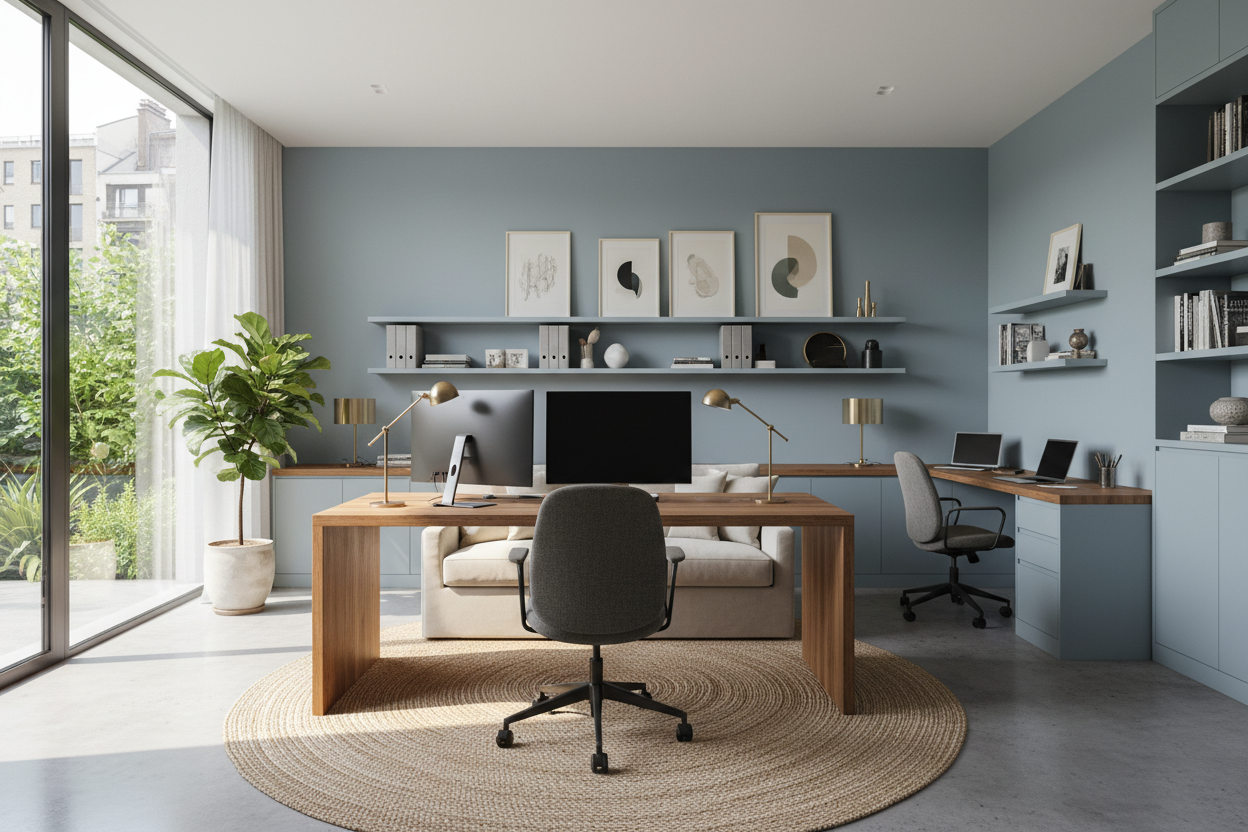
The mental shift required when moving from office work to home job tasks relies heavily on physical cues. In interior design, we call this "zoning." If you do not have a dedicated room, you must create a visual boundary. This isn't just about placing a desk in a corner; it is about orienting furniture away from domestic distractions.
Position your desk to face a window or a piece of art, rather than the television or kitchen. This creates a "command position," a Feng Shui principle that establishes authority and focus. If you need work from home jobs to feel permanent and professional, avoid floating desks in the middle of high-traffic thoroughfares unless you have floor outlets to manage cable chaos.
Furniture Selection: Durability Meets Aesthetics
Many homeowners make the mistake of buying "residential" writing desks for full-time work. These pieces often lack the structural integrity for 40-hour weeks. When scouting furniture, look for commercial-grade laminates or solid hardwoods (oak or walnut) rather than thin particleboard veneers which will chip at the edges within months.
The Chair Debate: Style vs. Function
While a boucle armchair looks stunning on Instagram, it is a disaster for an eight-hour shift. For legitimate home from home jobs, invest in a task chair with adjustable seat depth and arm height. If the industrial look of an ergonomic chair clashes with your decor, look for high-end models that offer custom fabric upholstery in neutral linens or leathers to bridge the gap between utility and style.
Lighting: The Invisible Design Element
Poor lighting is the silent killer of productivity. Relying solely on a ceiling fixture creates harsh shadows on your workspace. To elevate the room, layer your lighting. Start with a general ambient light, then add a dedicated task lamp with an adjustable arm. Crucially, if you need job work from home setups to look professional on video calls, place a soft, diffused light source behind your monitor to illuminate your face evenly, avoiding the "silhouetted witness protection" look.
My Personal Take on Work in Home Job Design
I learned a hard lesson early in my career regarding surface materials. I once specified a stunning, high-gloss black lacquer desk for a client who was transitioning to a remote executive role. It looked incredible in the portfolio photos. However, two weeks later, the client called me in frustration.
The glossy surface acted like a mirror, reflecting the overhead recessed lighting directly into his eyes, causing migraines. Furthermore, the high-gloss finish showed every single fingerprint and dust mote; he spent more time wiping the desk than working at it. It was a functional failure despite being an aesthetic triumph. I had to replace it with a matte walnut textured laminate. Now, I always advise clients: test the surface glare at the time of day you will be working most. That matte finish might not pop as much in a photo, but it will save your sanity.
Conclusion
Designing for a work in home job is about balancing the rigidity of corporate needs with the comfort of residential living. By investing in proper ergonomics, zoning your layout effectively, and choosing materials that withstand daily wear, you create a sanctuary that supports your career rather than hindering it. Don't just fit a desk in; design a space where you thrive.
Frequently Asked Questions
How do I fit a workspace in a small apartment?
Utilize verticality. Look for wall-mounted shelving units with integrated drop-down desks (secretaires). This allows you to physically close away your work at the end of the day, reclaiming your square footage for living.
What is the best color for a home office?
Green is visually restful for the eyes and promotes focus. Muted sage or olive tones work well as neutrals. Avoid overly bright reds, which can induce anxiety, or stark whites, which can feel clinical.
Is a standing desk worth the investment?
From a design perspective, they can be bulky, but for health, they are excellent. Look for models with "hidden" mechanics or wood-grain tops that look like traditional furniture when in the seated position to maintain your room's aesthetic.


Leave a comment
This site is protected by hCaptcha and the hCaptcha Privacy Policy and Terms of Service apply.