

















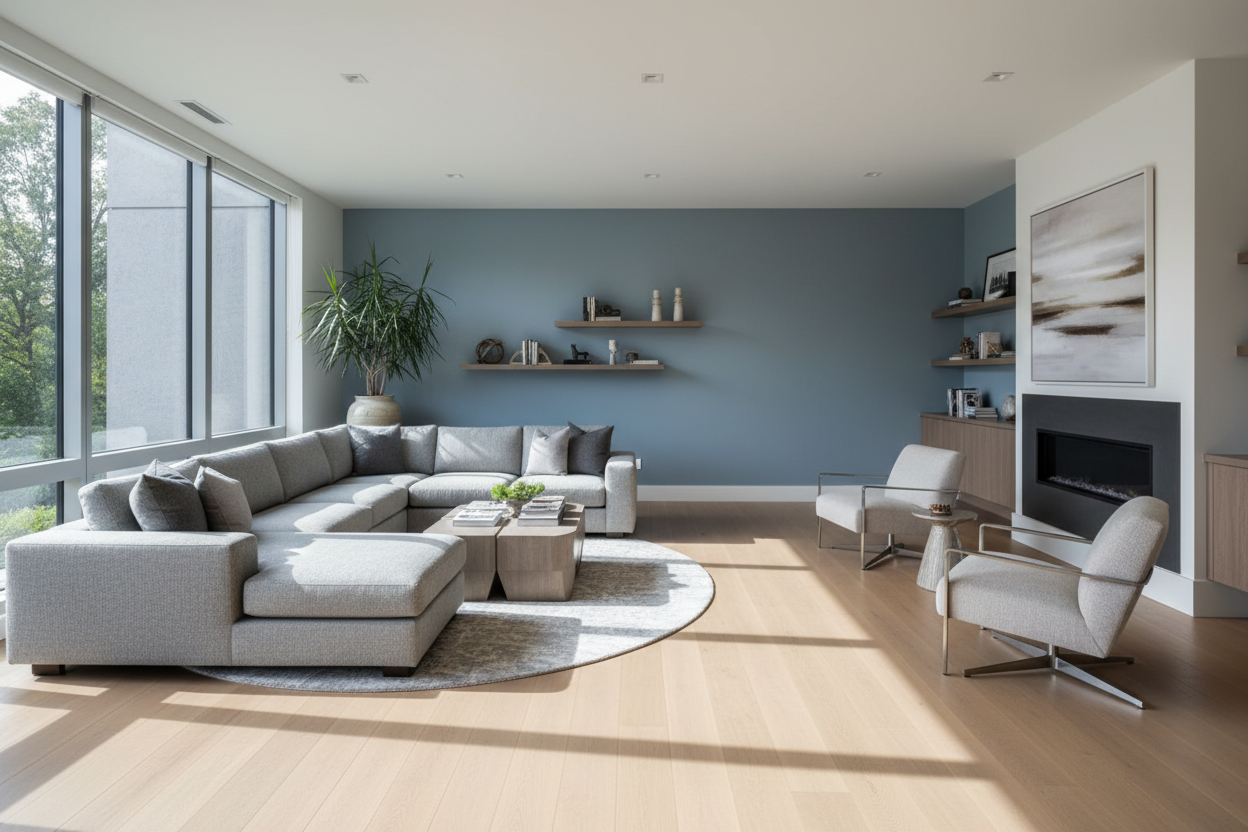
There is a distinct difference between a room that feels curated and one that feels crowded. The culprit is often the largest piece of furniture in the room. While we all crave that deep-seated comfort, getting the sectional sofas design wrong can instantly throw off the visual weight of your living space. It is not just about measuring the wall; it is about understanding how negative space works around the silhouette of the furniture. As a designer, I see clients prioritize seat count over traffic flow, resulting in a layout that feels more like an obstacle course than a sanctuary.
Quick Decision Guide
If you are rushing to make a purchase, review these non-negotiable criteria to ensure longevity and fit:
- Configuration: Identify if you need Left-Arm Facing (LAF), Right-Arm Facing (RAF), or a symmetrical U-shape based on your focal point (TV or fireplace).
- Frame Construction: Look for kiln-dried hardwood frames rather than particleboard to prevent warping over time.
- Suspension System: 8-way hand-tied springs offer superior support compared to simple webbing.
- Fabric Durability: For high-traffic areas, aim for a Double Rub count of 50,000+ or performance crypton fabrics.
- Depth & Height: Ensure the seat depth (standard is 21-24 inches) matches your lounging style without overwhelming the room's ceiling height.
Mastering Scale and Proportion
The most sophisticated interiors rely on proportion. When sourcing designer sectional couches, the piece must breathe. A good rule of thumb is to leave at least 18 to 24 inches of clearance on either side of the sofa if it is floating in a room, and roughly 30 inches for main traffic walkways. If the sectional pushes right up against a doorway or creates a pinch point, the luxury aesthetic creates a cramped reality.
Consider the visual weight as well. If you have low ceilings, opt for a low-profile back with sleek, track arms. In a room with vaulted ceilings, you can afford a chunkier aesthetic with rolled arms and higher back cushions to ground the space.
Materiality: Beyond the Swatch
Designer sectional sofas are an investment in tactile experience. While velvet offers a luscious, light-reflecting sheen that elevates a formal sitting room, it can be unforgiving with pet hair. For a balance of luxury and utility, I often steer clients toward heavy-weight linens or bouclé for texture that hides minor imperfections.
The Cushion Debate: Down vs. Foam
This is where ergonomics meets maintenance. A 100% down-filled cushion offers that sinking, cloud-like feeling associated with high-end designer sectionals. However, it requires daily fluffing to maintain its shape. For a structured look that requires less maintenance, specify a high-resiliency foam core wrapped in a down or dacron layer. This gives you the crown (the puffy look) without the constant need to reshape the sofa.
Layout and Flow
Placing a designer sectional requires a strategic approach to zoning. In open-concept homes, the back of the sofa acts as a virtual wall. Ensure the back profile is finished beautifully—no zippers or visible seams that look unfinished. Use a console table behind the sofa to soften this transition and add ambient lighting with table lamps.
Lessons from My Own Projects
I learned the hard way that "measure twice, cut once" applies to more than just the room dimensions—it applies to the delivery path. I once specified a stunning, single-piece vintage Italian sectional for a client's third-floor apartment. We measured the living room perfectly, but we completely ignored the elevator height and the turning radius of the hallway stairwell.
The piece physically could not fit through the front door. We had to hire a crane to hoist it through the balcony window, turning a standard delivery into a logistical nightmare. Now, before I even look at fabric swatches, I walk the entire entry path. I also check the leg height; sometimes, simply being able to unscrew the legs gives you the extra two inches needed to clear a doorframe. It is these unglamorous details that determine whether installation day is a celebration or a disaster.
Conclusion
Selecting the right seating is about balancing architectural constraints with human comfort. A well-chosen sectional anchors your home, directing conversation and relaxation. By focusing on frame integrity, appropriate scale, and fabric performance, you ensure that your investment serves your home for decades, not just seasons.
Frequently Asked Questions
What is the difference between Left-Arm Facing (LAF) and Right-Arm Facing (RAF)?
This is the most common ordering mistake. The direction is determined as if you are standing in front of the sofa looking at it, not sitting on it. If the arm is on your left side as you face the piece, it is Left-Arm Facing.
How do I stop my modular sectional pieces from separating?
High-quality modular sections should come with heavy-duty alligator clips or metal brackets located on the underside of the frame. If your current set lacks these, you can purchase universal sectional connectors from hardware stores to keep the pieces locked together.
Are curved sectionals a fad or a good investment?
Curved sofas are timeless in the right context—they soften angular rooms and encourage conversation. However, they are less space-efficient than L-shapes. They work best in large, open rooms where the furniture can float away from the walls.

Leave a comment
This site is protected by hCaptcha and the hCaptcha Privacy Policy and Terms of Service apply.