

















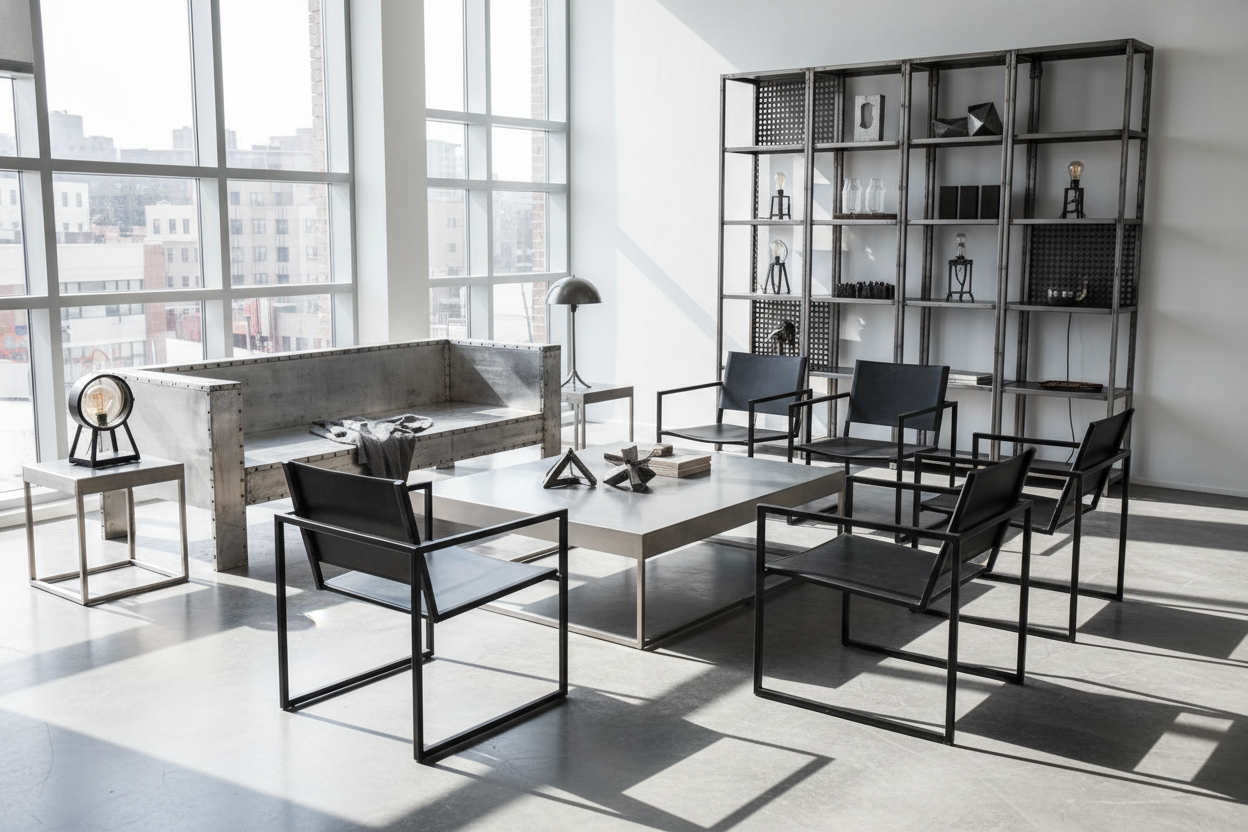
Many homeowners hesitate to incorporate industrial materials, fearing their space will end up feeling sterile or overly cold. It is a valid concern; without the right balance, a room full of hard surfaces can lack soul. However, when curated correctly, metal furniture for living room designs act as the jewelry of the home—adding architectural structure, light reflection, and a sophisticated edge that wood simply cannot achieve. The secret lies not in avoiding metal, but in understanding how to layer it effectively against softer elements.
Key Features to Look For
Before purchasing any piece, scan for these critical indicators of quality and longevity to ensure your investment lasts:
- Weld Consistency: Look for smooth, continuous joints. bumpy or "popcorn" welds indicate poor craftsmanship and potential weak points.
- Gauge and Weight: High-quality indoor metal furniture should feel heavy and substantial. Lightweight pieces often dent easily and lack stability.
- Finish Durability: Opt for powder-coated or PVD (Physical Vapor Deposition) finishes over standard spray paint for resistance against chipping and fading.
- Glides and Levelers: Metal is unforgiving on floors. Ensure every leg has adjustable nylon or felt-bottomed levelers to protect your hardwoods.
Choosing the Right Finish for Your Palette
The finish you select dictates the entire mood of the space. While chrome and polished stainless steel offer a high-glam, mid-century modern aesthetic, they can be demanding regarding maintenance due to fingerprints. For a more grounded, organic look, consider brushed brass or blackened steel.
Warm vs. Cool Metals
If your room features cool tones like greys and blues, silver-toned metal living room furniture creates a seamless, airy look. However, if you are battling the "coldness" mentioned earlier, warm metals are your best ally. Unlacquered brass, bronze, and copper introduce a golden glow that mimics candlelight, instantly warming up the visual temperature of the room.
Balancing Visual Weight and Silhouette
One of the primary benefits of metal is its high tensile strength, allowing for incredibly thin, delicate silhouettes that wood cannot support. This makes metal ideal for smaller footprints.
The "Leggy" Look
Be mindful of having too many "leggy" pieces. If your sofa, coffee table, and side chairs all have thin metal legs, the room can feel nervous and ungrounded. Anchor your metal pieces with solid forms. For example, pair a slender blackened steel coffee table with a skirted sofa or a heavy, upholstered ottoman. This contrast creates the necessary tension for a high-end interior.
Material Mixing: The Antidote to Sterility
To successfully integrate indoor metal furniture, you must offset the hardness with hyper-tactile materials. A metal frame chair should ideally feature plush velvet, boucle, or full-grain leather upholstery. The juxtaposition of the cold, smooth metal against a nubby, soft fabric creates a sensory experience that defines luxury design.
My Personal Take on metal furniture for living room
In my fifteen years of designing residential spaces, I have learned a specific "tell" regarding metal quality that isn't on the spec sheet: the sound test. I once sourced a stunning, sculptural brass coffee table for a client in Tribeca. It looked perfect online.
However, when we unboxed it, I set a ceramic coaster down on the surface, and it let out a high-pitched, tinny clang that echoed for two seconds. It sounded like a cheap baking sheet. It immediately cheapened the entire room. High-quality metal furniture should have a dull, solid thud when tapped, indicating thick gauge material and proper internal bracing. Now, I always knock on metal pieces in the showroom. If it rings like a bell, I walk away. It is a small detail, but in a living room where you are setting down glasses and books, that acoustic quality matters immensely.
Conclusion
Embracing metal in your living area allows for cleaner lines and a modern aesthetic that withstands the wear and tear of daily life. By focusing on heavy-gauge materials and balancing them with soft textures, you can create a space that feels both curated and inviting.
Frequently Asked Questions
Can I mix different metal finishes in the same room?
Absolutely. In fact, sticking to one single metal finish can look flat and "builder-grade." A good rule of thumb is to pick a dominant metal (e.g., matte black) and an accent metal (e.g., antique brass). Keep the finishes distinct so the difference looks intentional rather than like a mismatch.
How do I clean indoor metal furniture without damaging the finish?
Avoid abrasive scrubbers or harsh chemical cleaners, as these can strip clear coats and lacquers. A soft microfiber cloth dampened with warm water and a drop of mild dish soap is usually sufficient. For unlacquered brass or copper, you may want to let it patina naturally or use a specific metal polish if you prefer a high shine.
Is metal furniture comfortable for lounging?
Metal framing provides excellent support, but the comfort comes from the suspension and cushioning. Look for metal seating that uses webbed suspension or high-density foam cushions. Avoid chairs where you can feel the metal bar directly through the seat padding.

Leave a comment
This site is protected by hCaptcha and the hCaptcha Privacy Policy and Terms of Service apply.