

















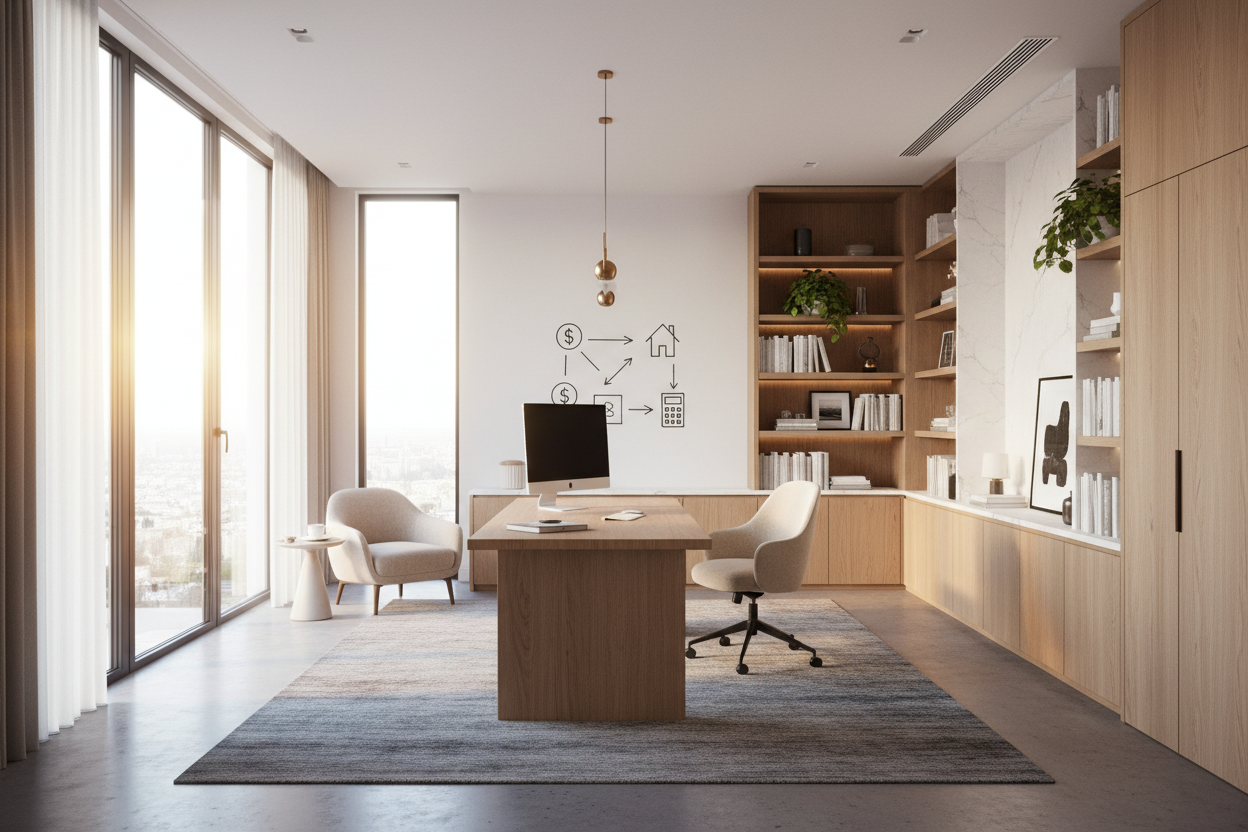
We have all been there: answering emails from the dining table, surrounded by breakfast plates, convincing ourselves this is a functional workspace. But as remote work becomes permanent for many North Americans, carving out a dedicated office is no longer just about aesthetics—it is a financial strategy. Navigating tax deductions for teleworkers often dictates how we plan, furnish, and physically divide our homes.
In this guide, we will bridge the gap between interior design and tax compliance. You will walk away knowing how to structure your space to meet strict 'exclusive use' guidelines while investing in furniture that actually supports your daily grind.
Quick Decision Guide: Designing for Deductions
- Define the boundary: The IRS requires 'exclusive and regular use'—meaning a desk in a multi-purpose guest room usually does not qualify.
- Invest in ergonomics: If you are outfitting a dedicated space, prioritize a commercial-grade chair over a trendy accent seat.
- Consider built-ins carefully: Permanent fixtures add home value but differ from freestanding furniture when calculating depreciation.
- Consult a CPA: Always verify your specific eligibility for telework tax deductions before purchasing big-ticket items.
Space Planning: The 'Exclusive Use' Rule
The biggest hurdle my clients face is the exclusive use requirement. If your office also serves as a playroom or a home gym, it generally disqualifies you from claiming the space. This completely changes how we approach floor plans in typical suburban homes.
Creating Visual Boundaries
If you cannot spare an entire room, you must create a clearly identifiable, separate space. We often use double-sided bookcases or architectural room dividers to physically section off an area. By giving the workspace its own distinct footprint and visual weight, it becomes a dedicated zone rather than just a desk shoved into a living room corner.
Value & Longevity: Furnishing the Home Office
When clients realize they might qualify for a work from home credit or similar business expense deductions (particularly self-employed contractors), they often want to upgrade their furniture. The key is balancing aesthetic appeal with commercial-level durability.
Ergonomics Over Aesthetics
A velvet dining chair looks fantastic on a video call, but it will destroy your lower back by Tuesday. I always recommend allocating the bulk of your budget to a high-quality ergonomic chair with adjustable seat depth and lumbar support. Pair it with a solid wood or high-pressure laminate desk. Wood veneers are beautiful, but they often chip at the edges where your forearms rest for eight hours a day.
Designer's Honest Take: Lessons from My Own Projects
A few years ago, I designed a stunning office for a freelance consultant. We installed a gorgeous custom Murphy bed so the room could double as a guest suite for the holidays. It looked incredible, but come tax season, her CPA informed her that the presence of the bed negated the exclusive use rule for her home office deduction.
I learned a hard lesson about the intersection of design and tax law that day. Now, when a client mentions they want to write off their workspace, I strictly forbid the inclusion of guest beds, gym equipment, or family televisions in that room. The honest downside? In a smaller house, committing an entire room 100% to work can feel like a waste of square footage on the weekends. It is a sacrifice you have to be willing to make.
Frequently Asked Questions
Can I claim tax deductions for teleworkers if my desk is in the living room?
Generally, no. If the space is used for personal living activities, it fails the exclusive use test. You need a separately identifiable space used solely for work to qualify.
Does expensive office furniture count towards a work from home credit?
If you are self-employed, you can often deduct the cost of office furniture used exclusively for your business. Employees receiving a W-2 currently face stricter limitations federally, though some state-level credits exist. Always confirm with a tax professional.
What size desk do I need for a dedicated home office?
For a primary workspace, a desk should be at least 48 inches wide and 24 inches deep. If you use multiple monitors, scale up to a 60-inch width to maintain proper negative space and prevent the room from feeling cluttered.

Leave a comment
This site is protected by hCaptcha and the hCaptcha Privacy Policy and Terms of Service apply.