

















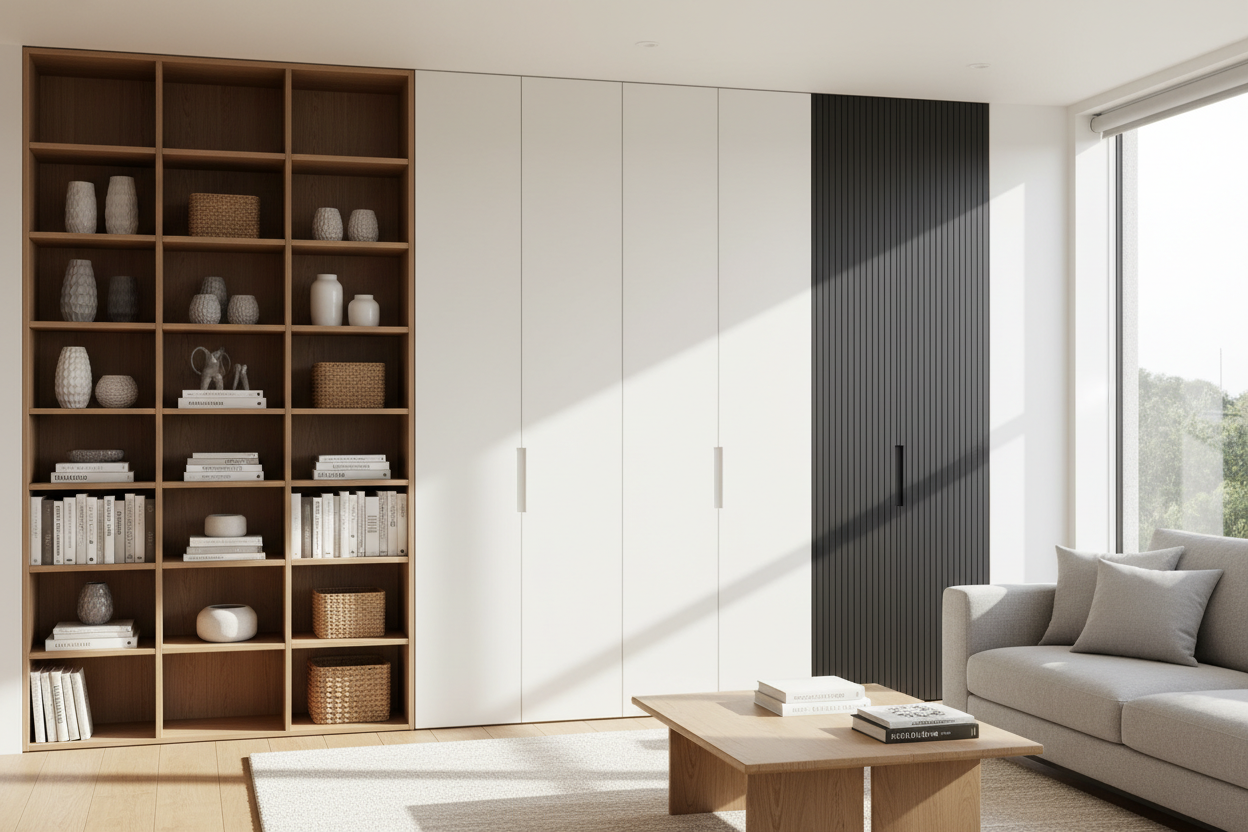
We've all stared at that awkward, empty corner in a hallway or dining room, wondering how to make it useful without making the space feel cramped. Often, the default is a bulky dresser or a flimsy bookshelf that just puts your visual clutter on display. Enter the tall closed storage cabinet. It utilizes vertical space—often the most wasted real estate in North American homes—while keeping everyday messes strictly out of sight. By the end of this guide, you will know exactly how to choose the right dimensions, material, and style for your specific layout.
Quick Decision Guide
- Measure your ceiling height and leave at least 12 to 18 inches of negative space above the piece to avoid a claustrophobic feel.
- Opt for solid wood or high-quality veneer over basic particleboard if the unit will hold heavy items like ceramic dishware or small appliances.
- Consider the door swing radius; you need at least 36 inches of clearance to open the doors comfortably in tight hallways or entryways.
- A tall enclosed cabinet with adjustable interior shelving offers the most long-term versatility as your household storage needs evolve.
Maximizing Vertical Real Estate
Navigating Clearances and Scale
When you bring a vertical piece of furniture into a room, it immediately commands attention. The key to making it work in standard eight-foot or nine-foot ceiling rooms is managing visual weight. A massive, dark-stained wood piece can easily swallow a small apartment living room. If you are working with tight square footage, look for designs with slender legs or a floating base. Seeing the floor underneath the furniture tricks the eye into perceiving more space.
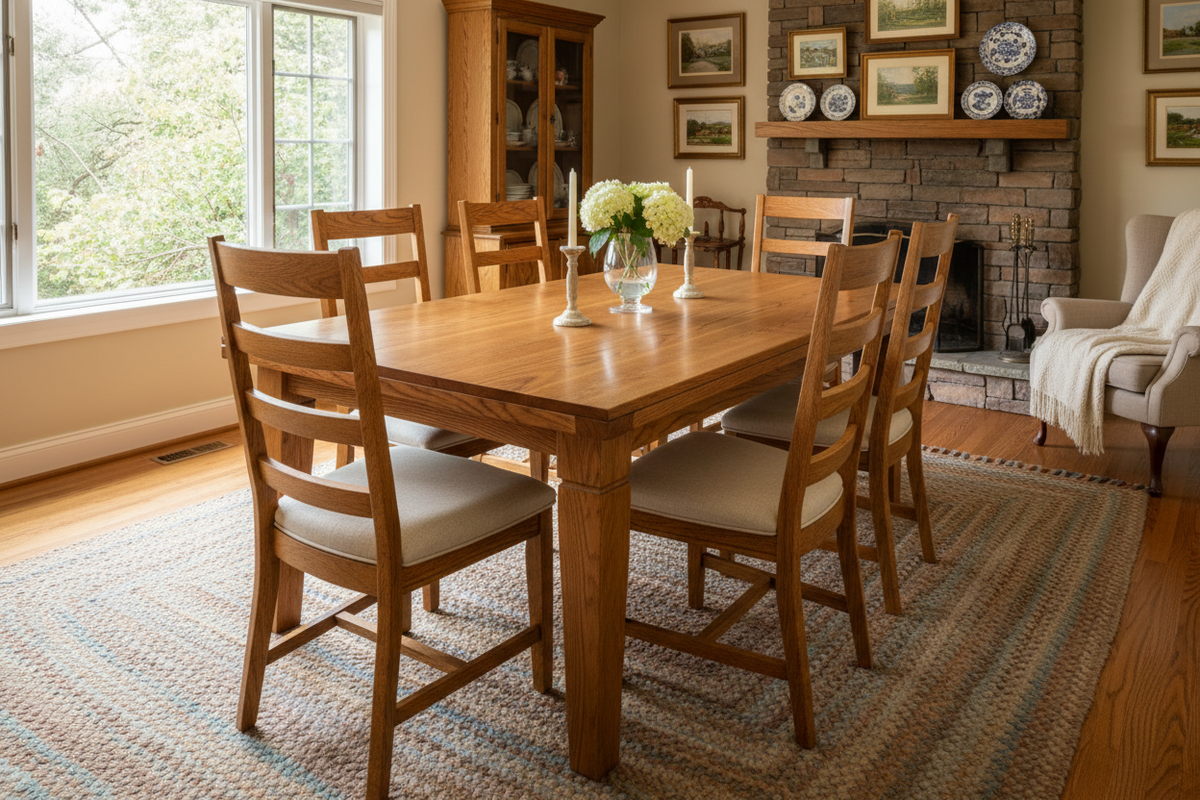
Always map out the footprint with painter's tape before purchasing. Beyond the width and depth, factor in the door swing. If placing this near a dining table, ensure there is enough room for someone to push their chair back while the cabinet doors are open.
Blending Form and Function
Choosing the Right Silhouette
Matching a large piece to your existing decor requires attention to texture and hardware. For mid-century modern spaces, a warm walnut finish with integrated handles keeps the silhouette clean. In transitional or modern farmhouse interiors, subtle shaker-style doors with brass pulls add necessary warmth without feeling overly rustic.
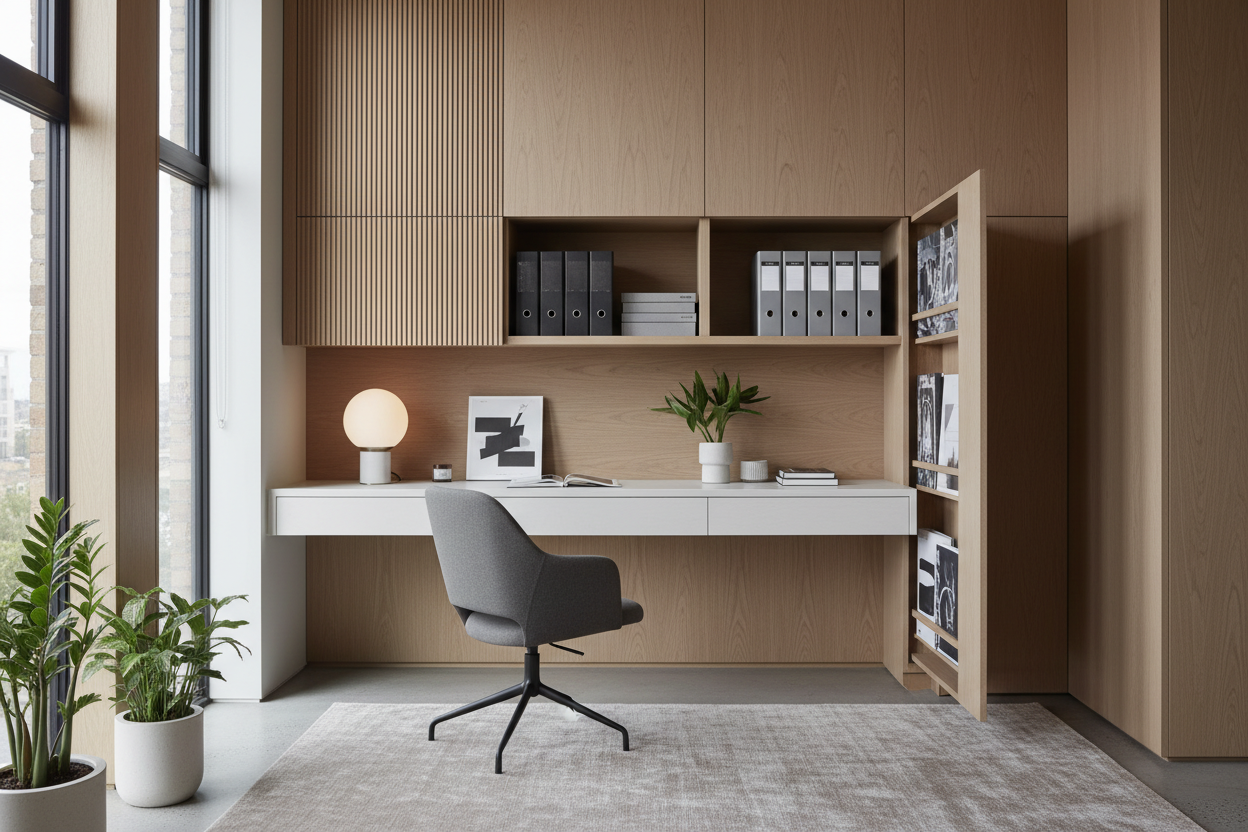
It is also important to be honest about your organizational habits. While a tall cabinet with open shelves is brilliant for displaying curated ceramics and coffee table books, it demands constant tidying. Closed storage does the heavy lifting, allowing you to hide board games, seasonal linens, and mismatched electronics behind beautiful doors.
Designer's Honest Take: Lessons from the Field
In a recent 1920s bungalow project, I specified a gorgeous matte black tall closed storage cabinet for a narrow dining room that lacked a built-in pantry. Aesthetically, it grounded the room perfectly. Functionally, it held an impressive amount of serving ware.
But here is the unpolished truth: the doors were solid oak and incredibly heavy. When fully loaded with plates, the center of gravity shifted drastically. Because of the vintage, slightly uneven hardwood floors, the cabinet started leaning forward whenever both doors were opened. We had to heavily shim the front legs and anchor it directly into the wall studs. I learned the hard way that you should never trust a tall, heavy piece to stand freely on older floors. Wall anchoring is an absolute non-negotiable step I now mandate for every vertical piece, no matter how sturdy it feels when empty.
Frequently Asked Questions
Where is the best place to put a tall enclosed cabinet?
They work exceptionally well in transitional spaces like wide hallways, entryways, or the dead space between a kitchen and dining area. Just ensure it does not block natural light from nearby windows.
How deep should the shelves be?
For general living room storage (books, board games, media), 12 to 15 inches of depth is plenty. If you are using it as a faux pantry or to store folded thick blankets, look for a depth of 18 to 20 inches.
What is the best way to organize the interior?
Use woven baskets or acrylic bins to group smaller items together. This prevents the interior from becoming a dark abyss where small items get pushed to the back and forgotten. Keep heavy items on the bottom shelf to anchor the unit.

Leave a comment
This site is protected by hCaptcha and the hCaptcha Privacy Policy and Terms of Service apply.