

















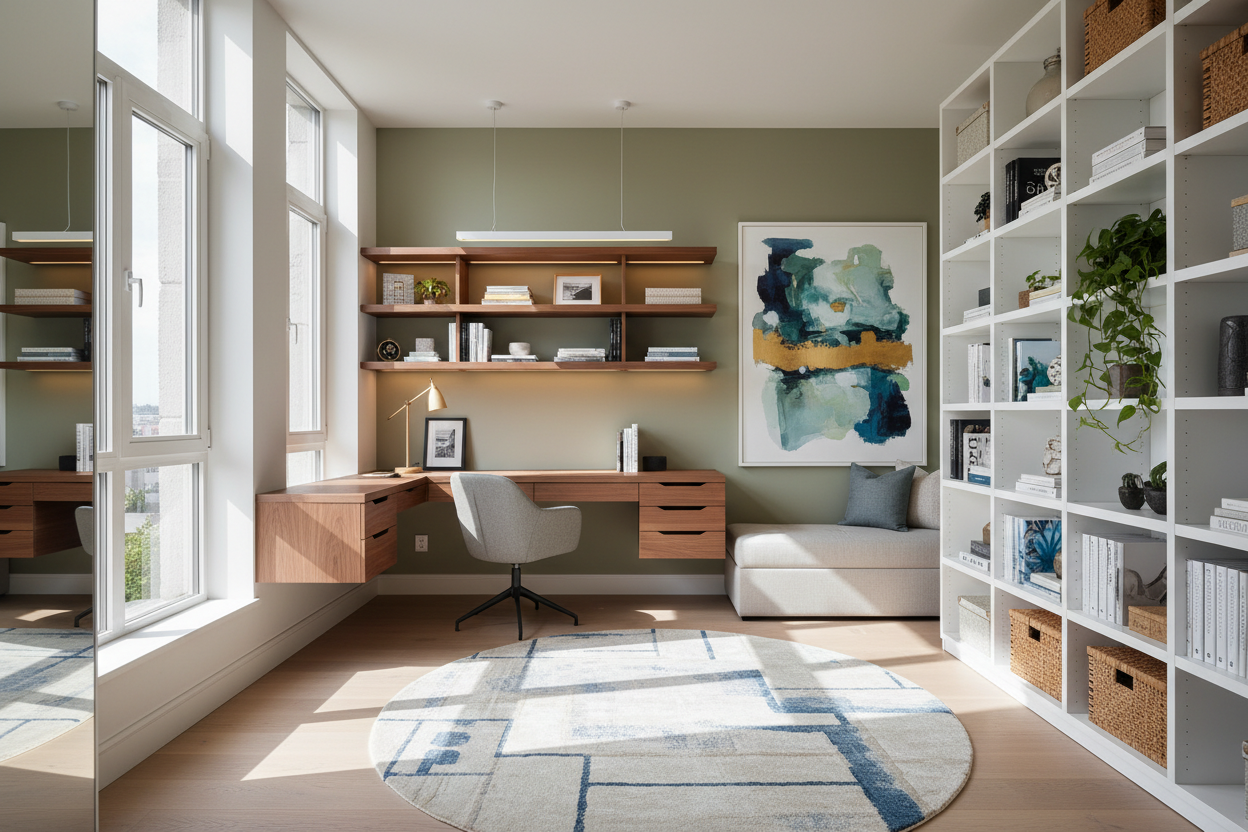
Designing a dedicated workspace within a limited footprint is less about compromise and more about intelligent curation. The challenge with interior design office small spaces isn't just fitting furniture into a room; it is about maintaining ergonomic integrity while establishing a sophisticated visual narrative. Whether you are converting a walk-in closet or carving out a niche in a master bedroom, the goal is to create a zone that feels intentional, not accidental.
Quick Decision Guide: Key Features to Look For
If you are rushing to furnish a petite workspace, prioritize these four elements to ensure functionality meets aesthetic value:
- Visual Weight: Opt for furniture with exposed legs or glass elements rather than solid, boxy bases to keep the room feeling airy.
- Vertical Utilization: Look for shelving units that draw the eye upward, utilizing height rather than valuable floor space.
- Ergonomic Scale: Ensure the chair width allows for movement without hitting walls or other furniture (allow at least 30 inches of clearance behind the desk).
- Multi-functional Lighting: Choose fixtures that offer both task lighting and ambient warmth to reduce eye strain in confined areas.
Strategic Space Planning & Layout
In small office interiors, the layout is the skeleton of your design. The most common error I see is pushing every piece of furniture against the wall. While this seems logical to open up the center, it often creates a "waiting room" effect that lacks character.
Floating vs. Anchored Arrangements
Consider floating your desk perpendicular to a wall or window. This command position not only improves your view but allows you to utilize the wall behind you for floor-to-ceiling storage. When floor space is at a premium, the traffic flow—or circulation path—must remain unobstructed. We aim for a minimum of 36 inches for main walkways, though in a compact home office, you can cheat this down to 30 inches if necessary.
Choosing the Right Material and Silhouette
The materiality of your furniture dictates the perceived size of the room. This is where the concept of "visual weight" becomes critical.
Solid Wood vs. Mixed Media
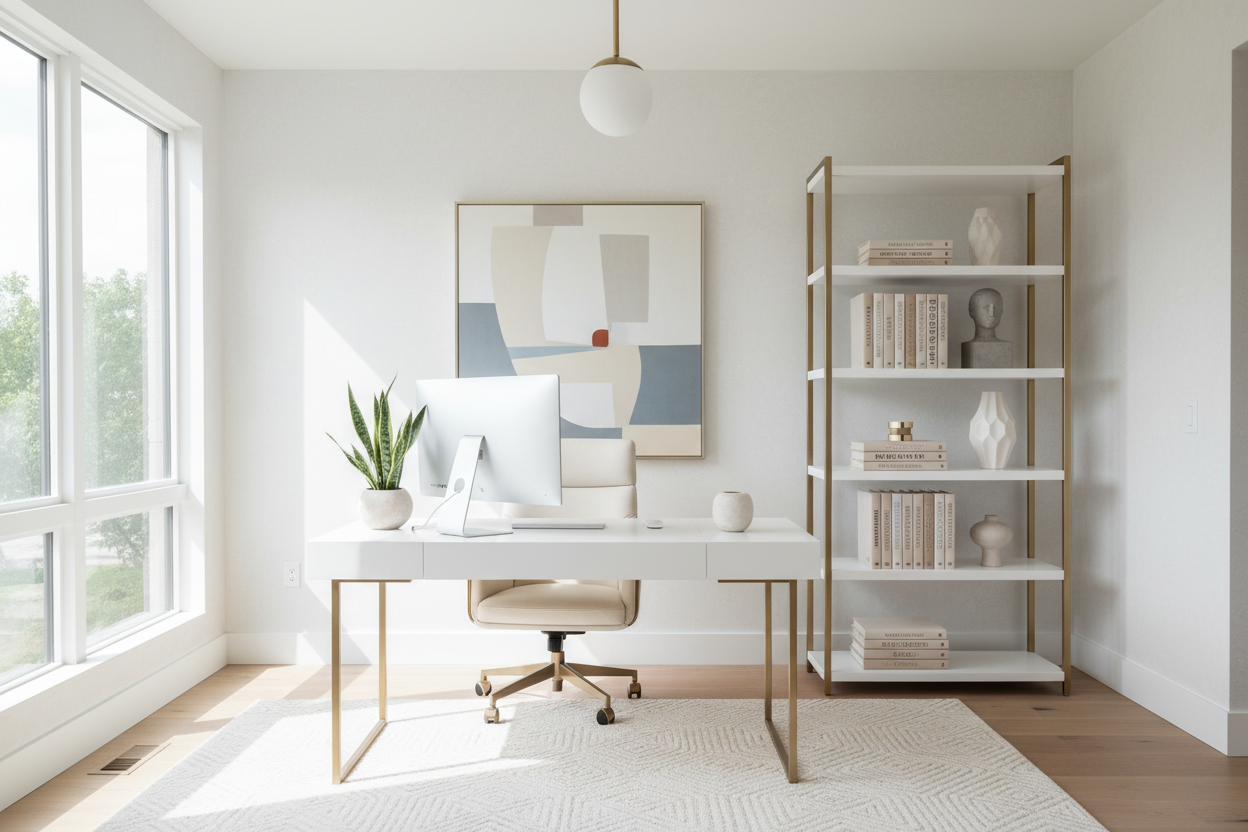
While a solid mahogany executive desk signals prestige, it absorbs light and shrinks a room. For interior small office design ideas that breathe, I recommend materials like walnut veneer on slender metal frames, or acrylic and glass. These materials allow light to pass through or around the object, tricking the eye into perceiving more space. If you crave the warmth of wood, opt for a bevel-edged desk; the tapered edge makes the piece look thinner and more refined than it actually is.
Lighting: The Invisible Expander
In smaller dimensions, lighting is not just functional; it is structural. Relying on a single overhead can casts shadows that make the room feel cave-like. You need a layered approach.
Start with ambient light (a flush mount or recessed cans), add task lighting (a focused desk lamp with a warm 3000K bulb), and finish with accent lighting. LED strip lighting installed under floating shelves adds depth and drama without occupying a single inch of desk space. This layering creates a sense of volume that paints the room larger than its measurements.
Lessons from My Own Projects
My Personal Take on interior design office small layouts
I once designed a bespoke office for a client in a high-rise with a challenging 40-square-foot nook. We specified a stunning, wall-mounted floating desk to save legroom. It looked incredible in the renderings. However, after installation, I realized a critical, "unpolished" detail we hadn't accounted for: the monitor arm clearance.
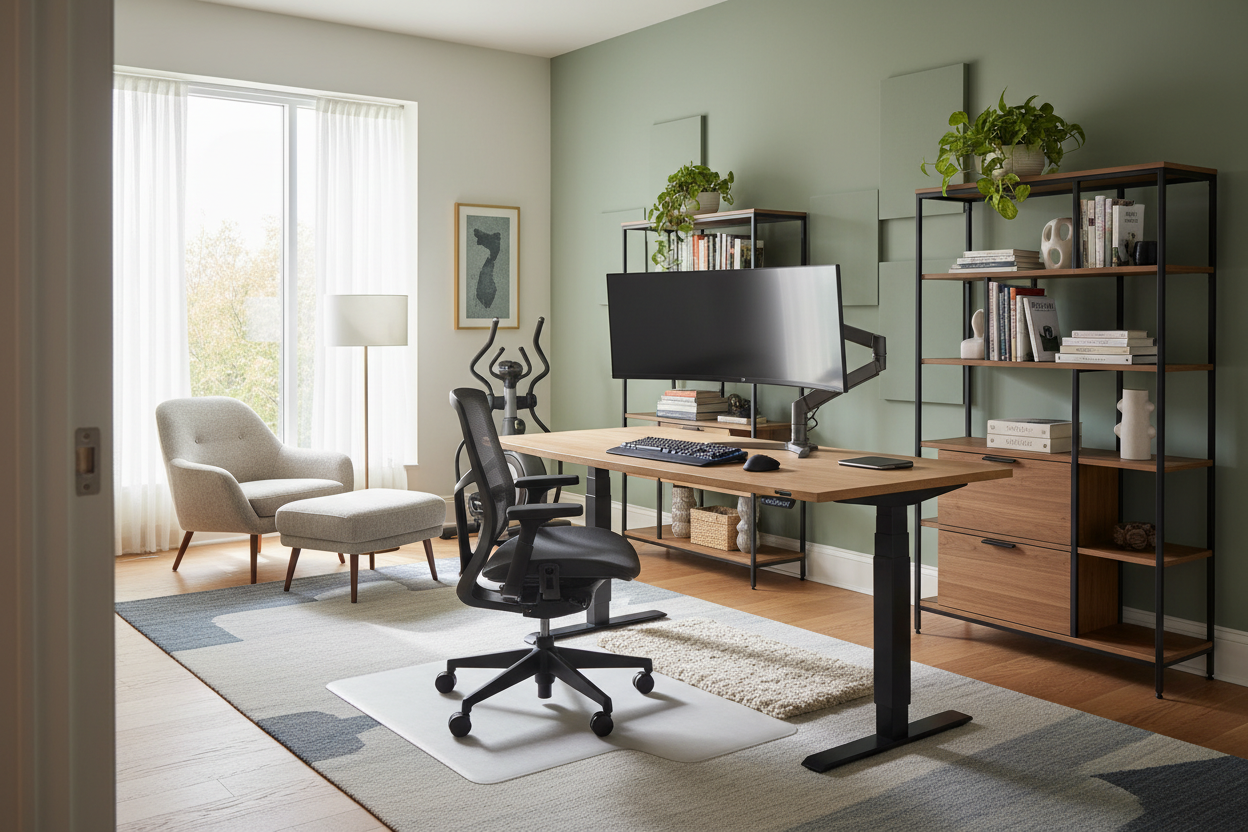
Because the desk was flush against the wall, there was no room for the elbow of the monitor arm to rotate back, forcing the screens too close to the client's face. We had to retrofit the wall with a channel just to accommodate the hardware. Now, whenever I consult on small spaces, I always measure the depth of the technology, not just the furniture. Furthermore, I always warn clients about acrylic chairs—they look invisible and chic, but after six months, the micro-scratches from rivets on jeans can make them look cloudy if you don't use a seat pad.
Conclusion
Transforming a small footprint into a luxury workspace requires a shift in perspective. By prioritizing vertical storage, selecting materials with low visual weight, and layering your lighting, you can build a space that fosters creativity rather than claustrophobia. Your office should be a reflection of your ambition, regardless of the square footage.
Frequently Asked Questions
How deep should a desk be for a small office?
For a laptop setup, a depth of 20-24 inches is sufficient. However, if you use external monitors, aim for 24-30 inches to maintain proper focal distance and prevent eye strain.
Can I use dark colors in a small office?
Absolutely. While white expands space, dark colors like charcoal or navy can blur the corners of a room, creating an "infinity effect." This technique, known as color drenching (painting walls, trim, and ceiling the same shade), adds immense sophistication.
What is the best rug size for a small office?
Avoid "postage stamp" rugs that float in the middle of the floor. Choose a rug large enough for all the chair legs to remain on it even when you slide back, or skip the rug entirely to keep the floor visual continuous.

Leave a comment
This site is protected by hCaptcha and the hCaptcha Privacy Policy and Terms of Service apply.