

















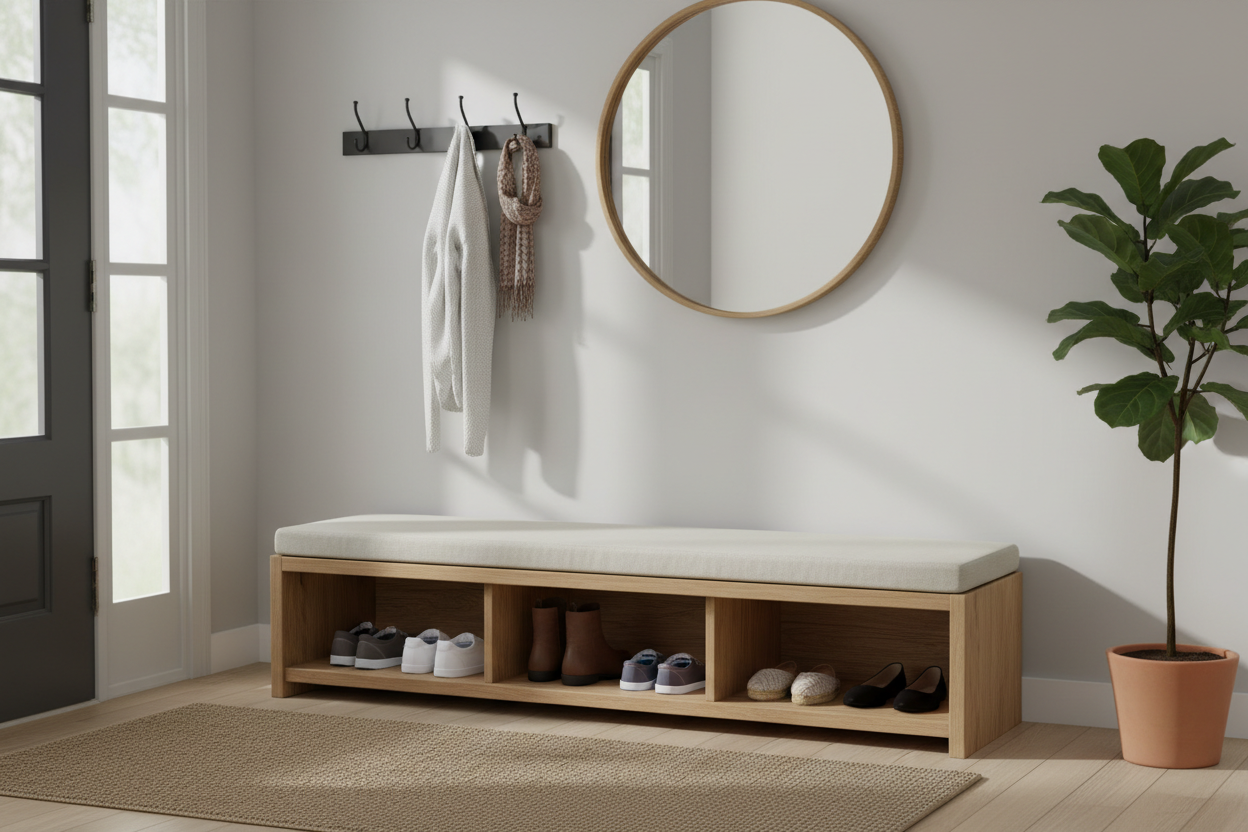
Walking through your front door should feel like a relief, not an obstacle course. Yet, for many of us, the foyer is a dumping ground where backpacks, muddy boots, and mail piles go to die. If you have ever stumbled over a rogue sneaker while carrying groceries, you know exactly why a dedicated landing zone matters. The solution is rarely just a coat rack; it is usually a substantial piece of furniture that anchors the space. Finding the best entryway bench with storage is about striking a balance between heavy-duty functionality and the aesthetic vibe you want guests to see the moment they arrive.
The ideal bench serves two distinct masters: comfort and concealment. You need a place to sit while lacing up boots, but you also need a black hole that swallows the visual clutter of daily life. Whether you are working with a sprawling farmhouse mudroom or a cramped city apartment hallway, the right furniture choice changes the entire flow of your morning routine.
The Reality of Daily Traffic and Clutter
I learned the hard way that aesthetics alone do not keep a hallway tidy. A few years ago, I bought a sleek, mid-century modern bench for my foyer. It looked incredible in photos. However, it had zero storage underneath—just four spindly legs. Within a week, the area underneath that beautiful bench became a graveyard for shoes that didn't have a home. It looked messier than before because the clutter was framed by nice furniture.
That experience taught me that the best entryway storage bench must have defined compartments. If the storage isn't intuitive, your family won't use it. Open cubbies work wonders for kids who won't bother opening a lid, while lift-top designs are superior for storing seasonal items like winter scarves or dog walking gear that you don't need to access every single hour.
Choosing Between Cubbies, Drawers, and Flip-Tops
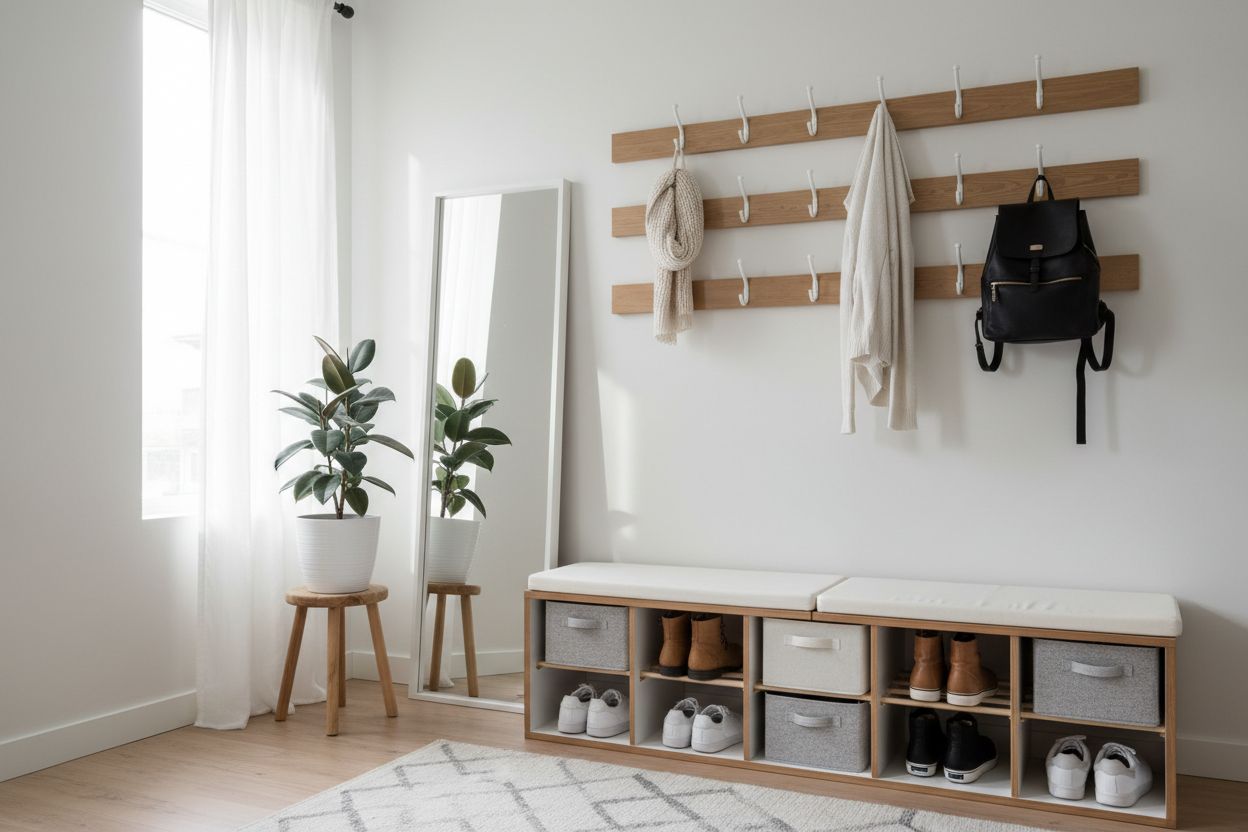
Structural design dictates how you interact with the piece. Cubby-style benches are arguably the most practical for high-traffic households. They offer immediate access. You kick your shoes off, slide them into a slot, and you are done. If you are looking for the best entryway bench with storage for a large family, look for models that accommodate baskets. Baskets act like drawers but are easier to remove and clean, hiding the chaos while keeping it accessible.
Flip-top benches offer a cleaner look but come with caveats. They provide a deep well of storage perfect for bulky items, but they are terrible for daily shoe storage. Nobody wants to stand up, clear off the decorative pillows, and lift the heavy lid just to retrieve their running shoes. Use flip-tops for blankets, umbrellas, or off-season gear, and ensure the model you choose features slow-close safety hinges to prevent slammed fingers.
Drawers offer a middle ground. They slide out easily and hide the contents completely. This is often the preferred choice for those who want a piece of furniture that looks more like a credenza or a chest than a utility rack.
Material Durability and Weight Capacity
Entryways take a beating. Wet raincoats, muddy paws, and heavy school bags are the norm. When evaluating potential benches, the material composition is just as important as the storage volume. Solid wood (like mango, acacia, or pine) offers the best longevity and can be refinished if it gets scratched. However, engineered wood or MDF is common in more affordable price brackets. If you choose engineered wood, check the veneer quality; a paper-thin veneer will peel quickly in a humid mudroom environment.
Pay close attention to the weight capacity rating. A bench isn't just for storage; it is a seat. The best entryway storage bench should support at least 250 to 300 pounds comfortably. If two people sit down to put on shoes at the same time, you do not want the frame to bow or creak. Metal frames with wood accents often provide the highest weight ratings and add an industrial touch that hides scuffs well.
Solutions for Tight Spaces
Not everyone has a dedicated mudroom. In narrow hallways, depth is your enemy. Standard benches usually run about 15 to 18 inches deep, which can choke a narrow corridor. For these spaces, look for "shoe cabinet benches" which are often taller but shallower, or simple storage ottomans that can be tucked away.
Vertical integration is another strategy for small footprints. A hall tree—essentially a bench with a backboard containing hooks and a shelf—maximizes vertical space. This gives you a place for coats and hats without requiring a separate closet. While visually heavier, a hall tree is often the most efficient use of square footage for apartment dwellers.
Upholstery vs. Hard Surfaces
Comfort matters, but so does cleanliness. An upholstered bench invites you to sit and stay a while, creating a welcoming atmosphere. However, if you have pets or live in a rainy climate, fabric requires maintenance. Performance fabrics or darker velvets can withstand some abuse, but a hard surface is infinitely easier to wipe down.
If you love the look of upholstery but fear the mud, the best compromise is a hard-top wooden bench paired with loose, washable seat cushions. You get the softness when you need it, but you can throw the cover in the wash when someone inevitably spills coffee or tracks in dirt.
Making the Final Decision
Before you purchase, simulate your entry routine. Walk through your door with your hands full. Where do you naturally want to drop your keys? Where do you kick off your shoes? The furniture should fit the behavior, not the other way around. Measure your space, accounting for baseboards and door swing clearance. The right bench will anchor your home, turning a chaotic pass-through into an organized, welcoming introduction to your living space.
Frequently Asked Questions
What is the standard depth for an entryway bench?
Most standard entryway benches range from 15 to 18 inches in depth. This size provides enough surface area to sit comfortably without protruding too far into the walkway, which is critical for maintaining traffic flow in narrower halls.
How do I prevent my storage bench from smelling like old shoes?
Ventilation is key. If you are using a closed cabinet or drawer style bench, place small sachets of activated charcoal or cedar balls inside the compartments. Additionally, try to let damp shoes air dry on a mat before placing them inside the bench to prevent mold and bacterial growth.
Can I use a bedroom storage bench in the entryway?
Yes, provided the fabric is durable enough for high traffic. Bedroom benches are often upholstered in delicate fabrics like linen, which may stain easily in a mudroom setting. If you repurpose one, consider treating the fabric with a stain guard spray first.

Leave a comment
This site is protected by hCaptcha and the hCaptcha Privacy Policy and Terms of Service apply.