

















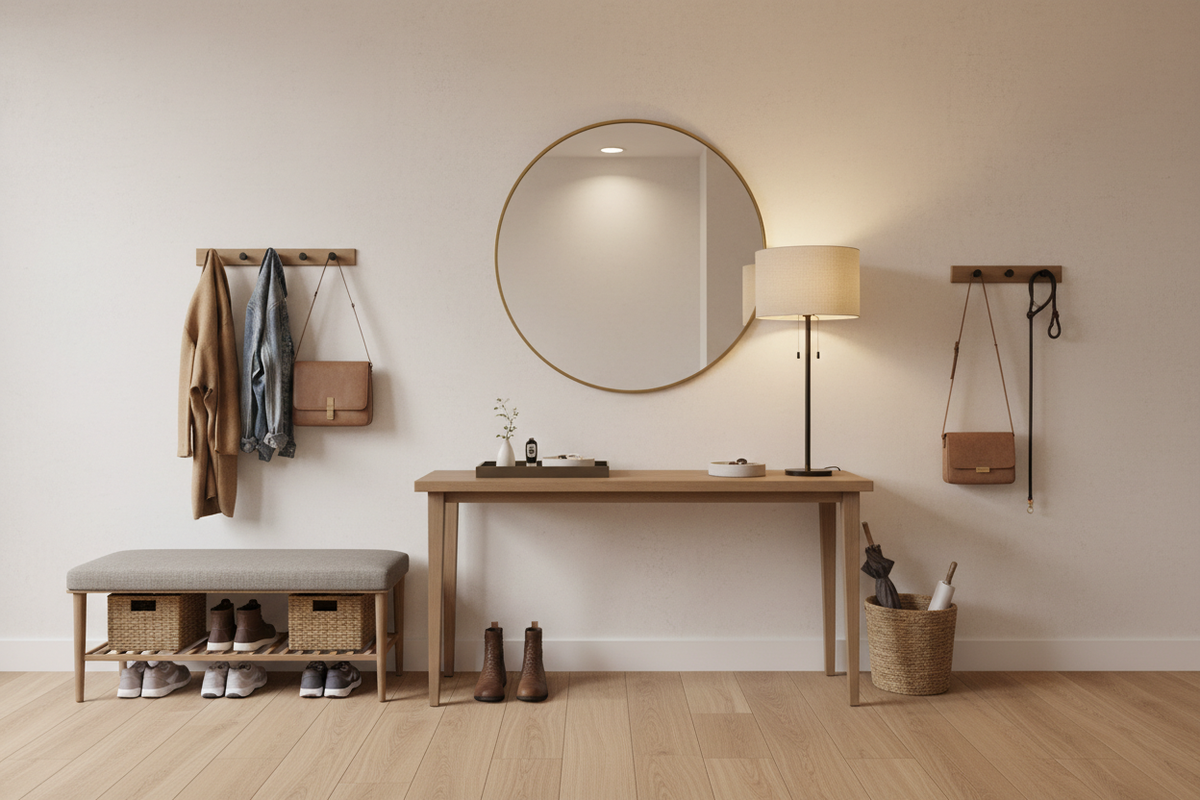
The moment you walk through your front door sets the tone for the rest of your home. It creates that immediate sigh of relief or a spike of stress depending on whether you are greeted by order or chaos. A well-chosen hall entryway table is usually the anchor of this experience. It serves as the primary landing strip for your life—the place where mail, keys, and sunglasses live—while simultaneously acting as a design statement that tells guests exactly who lives here.
I learned this lesson the hard way in my first apartment. I had a narrow corridor that I tried to force a deep, round antique table into because I loved how it looked in the store. For two years, I bruised my hip on that table every time I carried groceries in. It was a beautiful piece of furniture, but it was a terrible entrance hall table. The flow was wrong. That experience taught me that while aesthetics matter, the physics of your hallway dictate the furniture, not the other way around.
Defining Your Space and Needs
Before buying anything, look at your available square footage. The biggest mistake homeowners make is misjudging depth. In a tight corridor, you need clearance for walking, opening the door fully, and potentially moving large items past the entry. Slim entrance hallway tables are specifically designed for this, often measuring only 10 to 12 inches in depth. These skinny profiles allow you to have a surface without creating a bottleneck.
If you have a more open foyer or a staircase landing, you have the luxury of volume. Here, a substantial round table or a heavy wooden piece can ground the space. However, if your front door opens directly into the living room with no defined foyer, you can use a table to create a phantom hallway. Placing a long, waist-high table behind a floating sofa creates a visual barrier that mimics an entryway, giving you a dedicated spot to pause before entering the main living zone.
The Console vs. The Cabinet
Understanding what you carry with you is just as important as measuring the floor. Are you a minimalist who only carries a phone and a single key? Or do you have kids, dog leashes, and a mountain of unread mail? This distinction determines whether you need an open entrance console or something with closed storage.
An open console offers airy visual lines. It makes small spaces feel larger because you can see the wall and floor through the legs. This is ideal if you are disciplined about clutter. You can place a couple of ottomans underneath for texture, but the top needs to remain relatively clear to look good.
On the other hand, if you know your family tends to drop everything in a pile, a hallway cabinet table is the superior choice. These pieces feature doors or drawers that allow you to hide the mess. You can shove the dog treats, the flashlight, and the stack of bills inside a drawer and close it. The surface remains pristine, preserving the calm aesthetic, while the chaos is contained within. Don't underestimate the mental peace that comes from having a "junk drawer" right at the front door.
Styling Your Surface
Once the furniture is in place, the styling brings it to life. A naked table looks like you are moving in or moving out. A good front hall table arrangement usually relies on lighting, height variation, and a catch-all vessel.
Lighting is non-negotiable. Overhead lights can be harsh, especially in the evening. A table lamp adds a soft, welcoming glow that makes the home feel inhabited. If the surface is too small for a lamp, consider a wall sconce above it. Next, you need a tray or a bowl. This is the containment zone for the small items that usually scratch the wood surface. If keys have a designated bowl, they won't end up lost in the sofa cushions later.
To prevent the setup from looking flat, add height. This could be a tall vase with branches, a sculptural object, or a piece of art leaning against the wall. A mirror is the classic companion to an entrance side table. It reflects light to brighten dark hallways and gives you one last chance to check your teeth before you head out to face the world.
Material Matters
The material of your table dictates the durability and the vibe. Glass and acrylic are fantastic for dark or cramped spaces because they disappear visually, taking up zero "visual weight." However, they show every fingerprint and dust mote. If you have toddlers or enthusiastic pets, glass might be a nightmare to keep clean.
Wood brings warmth and is generally more forgiving of wear and tear. A reclaimed wood table can hide scratches and dents, incorporating them into its character. Metal tables, particularly those with iron frames and stone tops, offer an industrial or modern edge and are incredibly durable. When choosing, think about what else is visible from the entry. The table should compliment the flooring and the furniture in the adjacent room, acting as a bridge between the outdoors and your interior design style.
Making Use of Vertical Space
Sometimes the floor space is simply too tight for any furniture legs. In these ultra-narrow scenarios, a floating shelf can act as a entrance side table. Mounted at waist height, it provides just enough room for a mail sorter and a key hook without eating up floor space. You can tuck a basket underneath on the floor for shoes, keeping the walkway clear.
This approach also works well when there is a radiator in the hallway. Installing a shelf a few inches above the radiator allows you to reclaim that space. Just be mindful of heat sensitivity regarding whatever you place on top; plants or candles might not survive a radiator shelf in mid-winter.
The Final Touch
Your entryway is a high-traffic zone, perhaps the highest in the house. The furniture you choose needs to be sturdy. Give the table a wobble test. If it shakes when you toss your keys on it, it's not substantial enough. You want a piece that feels permanent and reliable.
Ultimately, the best table is one that solves your specific leave-and-enter problems. whether that's a tiny shelf for a single set of keys or a massive hallway cabinet table that stores the entire family's winter gear. When everything has a place the moment you step inside, the rest of the home stays cleaner, and your mind stays clearer.
Frequently Asked Questions
What is the standard height for an entryway table?
Most console tables stand between 30 and 36 inches tall. This height is comfortable for dropping keys without bending over and aligns well with the back of most sofas if you are using the table to divide a room.
How do I decorate a hallway table without it looking cluttered?
Stick to the rule of three: one vertical element (like a lamp or vase), one horizontal element (like a stack of books or a tray), and one bridging object (like a small plant). Ensure there is still negative space left on the surface so it remains functional.
Can I use a dresser instead of a console table?
Absolutely. A small dresser or chest of drawers is an excellent alternative if you need maximum storage. Just ensure the depth isn't too intrusive for the hallway width, as dressers are typically deeper than standard consoles.

Leave a comment
This site is protected by hCaptcha and the hCaptcha Privacy Policy and Terms of Service apply.