
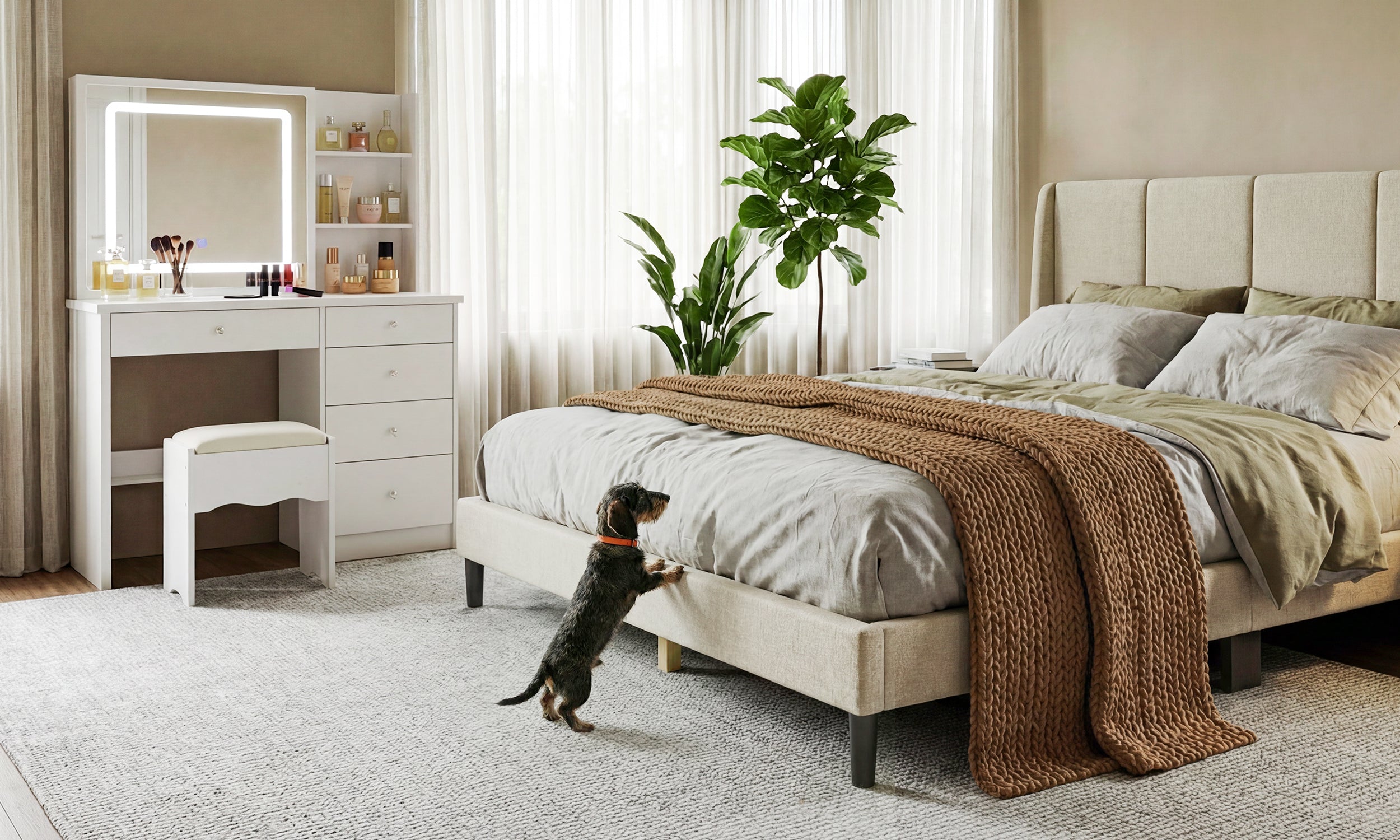
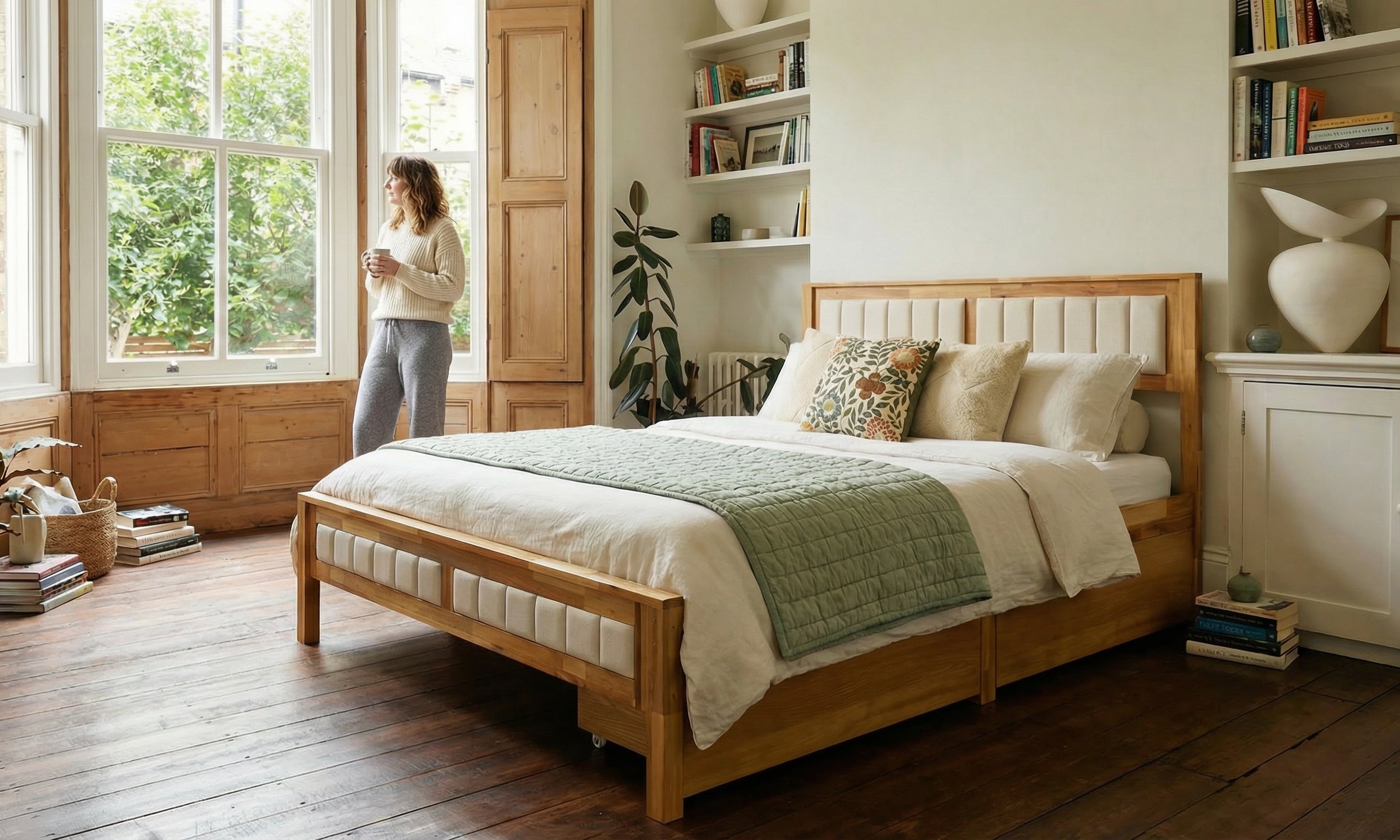
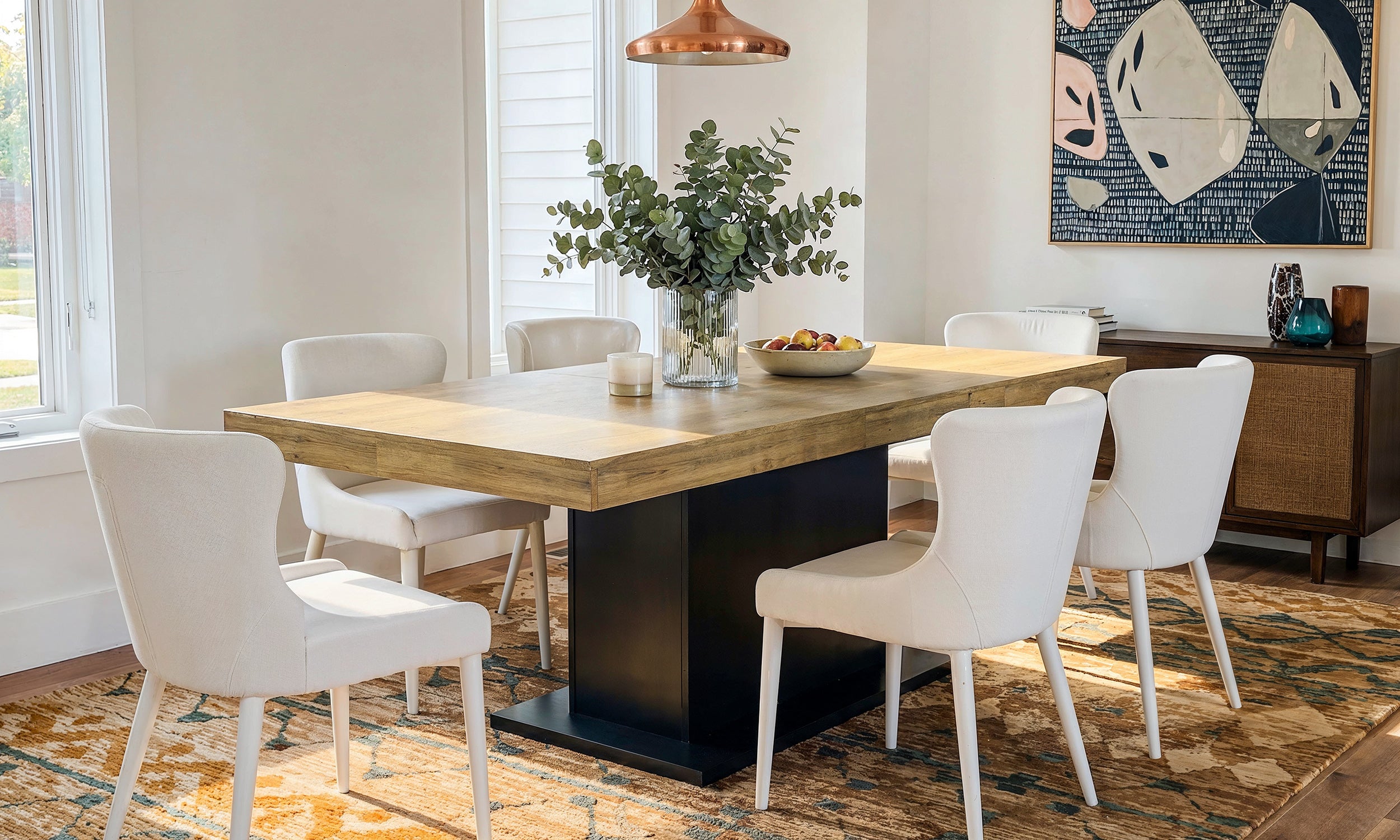
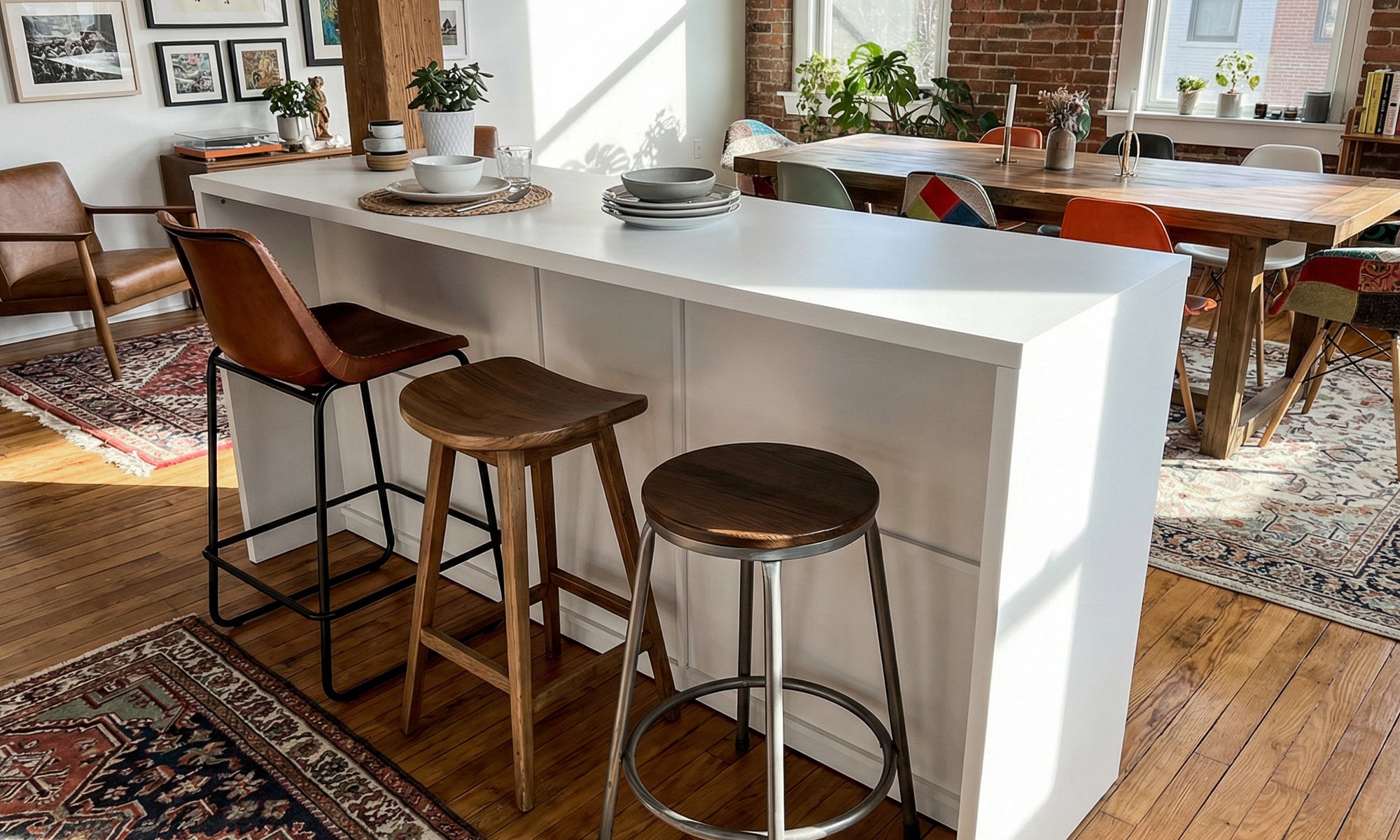



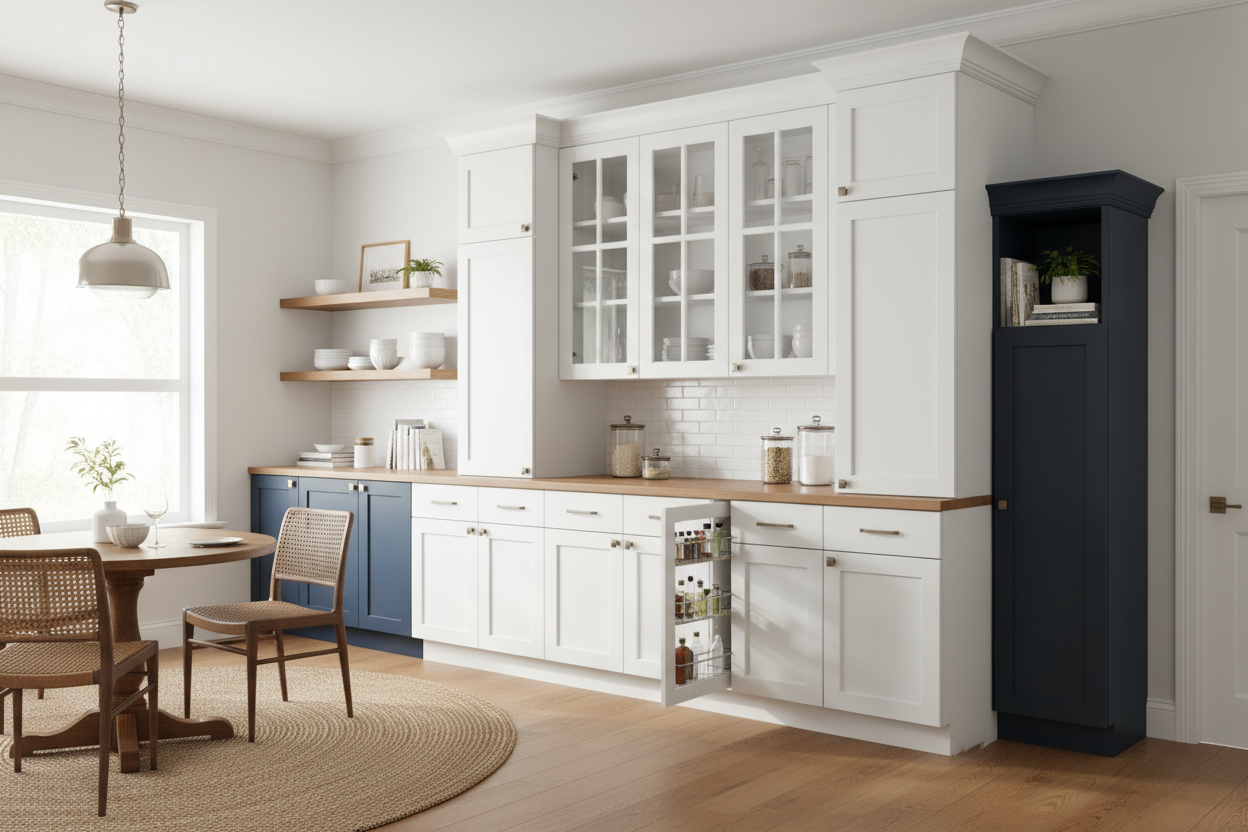
I spent three weeks obsessing over paint swatches for my last kitchen renovation before I realized the paint wasn't the problem—the cabinets were. I’d installed a wall of identical, white-shaker boxes that made my house feel less like a home and more like a high-end dental office. I was drowning in kitchens cupboards that had zero soul and even less personality.
We have been conditioned to think that a 'real' kitchen requires a continuous run of built-in units bolted to the studs. But after living through three renovations and helping friends assemble enough flat-pack furniture to fill a stadium, I’m over the boxy look. Standalone furniture is the hill I’m willing to die on.
- Airflow and Depth: Freestanding pieces let your walls breathe and create visual depth that built-ins kill.
- Customization: You can move a cupboard; you can't move a wall of cabinets without a sledgehammer.
- Cost: High-quality furniture is often cheaper than 'mid-grade' custom cabinetry.
- Character: Mixing wood tones and styles makes the room feel assembled over time, not ordered from a catalog.
The Problem With the 'Sea of Matching Boxes'
Standard kitchen cabinets cupboards are designed for efficiency, but they often result in a room that feels claustrophobic. When you wrap a 12x12 space in floor-to-ceiling uppers, you’re literally shrinking the room by a foot on every side. It’s heavy, it’s expensive, and frankly, it’s boring.
Most people default to built-ins because they think it’s the only way to get a 'finished' look. Then they see the costs in your custom kitchen cabinet quote and realize they’re paying $15,000 for what is essentially painted MDF and some soft-close hinges. You’re paying for the 'custom' fit, but you’re losing the ability to ever change your mind about the layout.
What Exactly Is an 'Unfitted' Kitchen?
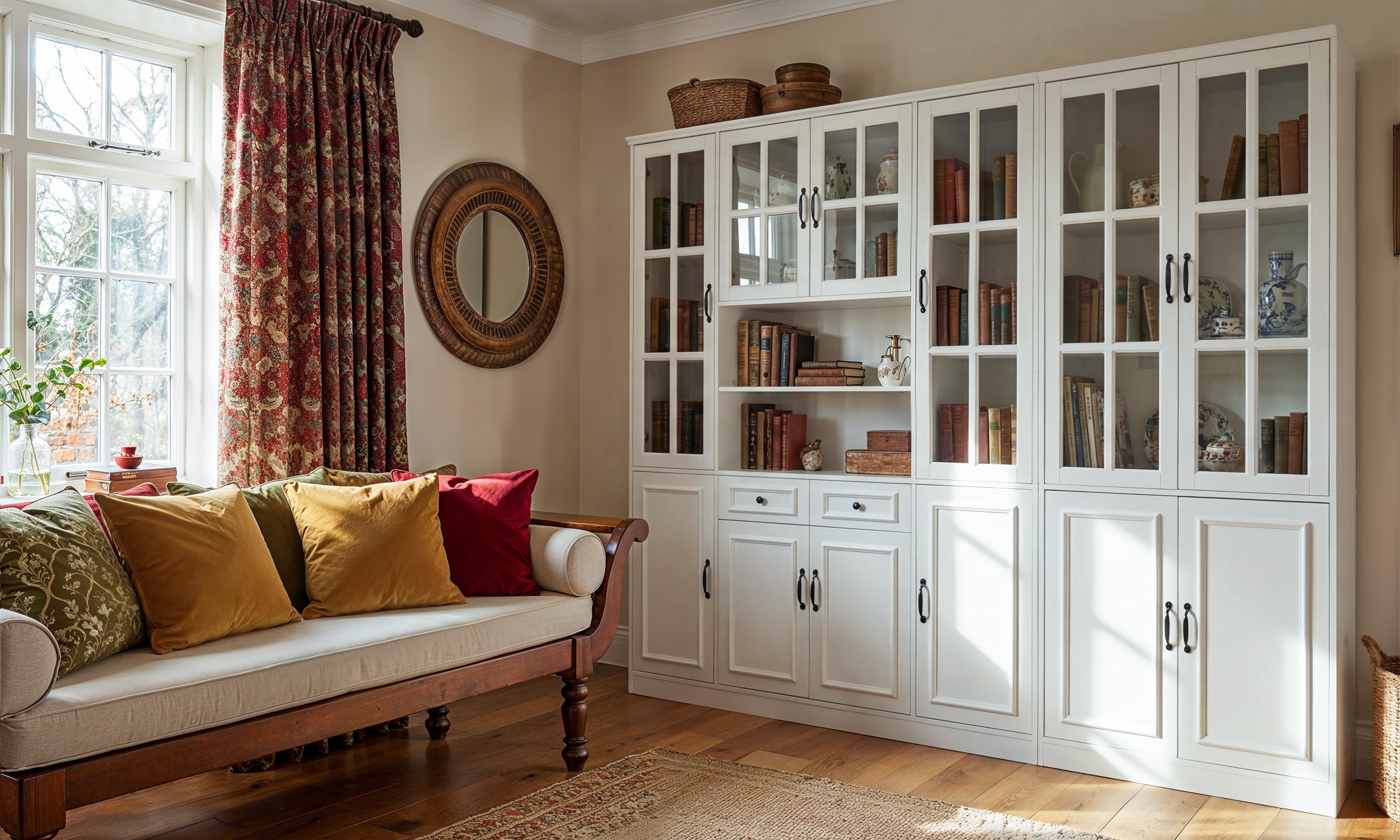
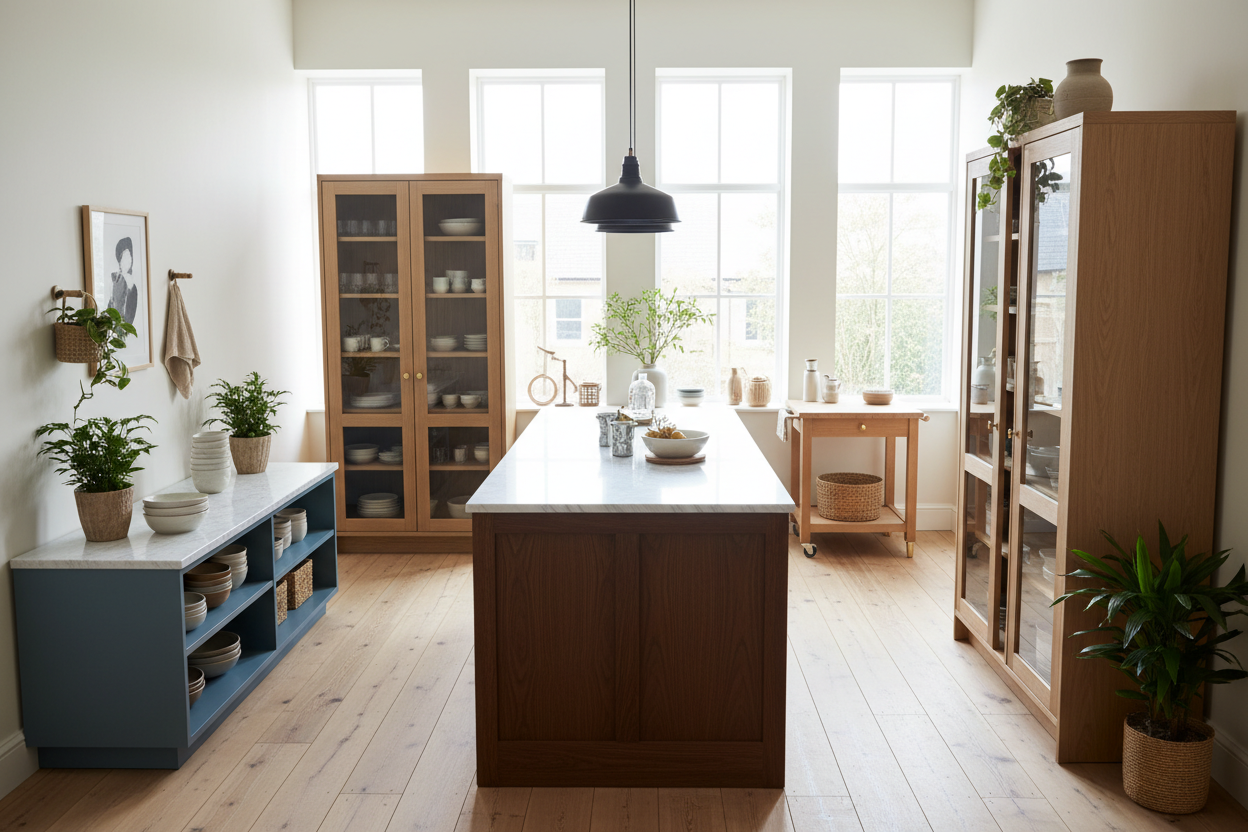
The 'unfitted' kitchen is a concept that’s been huge in England and France for decades. Instead of a uniform wall of uppers, you might have one stunning, tall cupboard in the kitchen that acts as the primary pantry. It’s about treating your kitchen like a living room—filling it with pieces that have legs, open space underneath, and distinct silhouettes.
In my current setup, I ditched the traditional upper cabinets entirely. I have one massive antique hutch and a reclaimed pine dresser for my plates. It doesn't look like a construction site; it looks like a curated room where I happen to cook. This approach lets you invest in one high-quality piece of furniture rather than ten mediocre boxes.
Mixing Freestanding Pieces With Standard Lowers
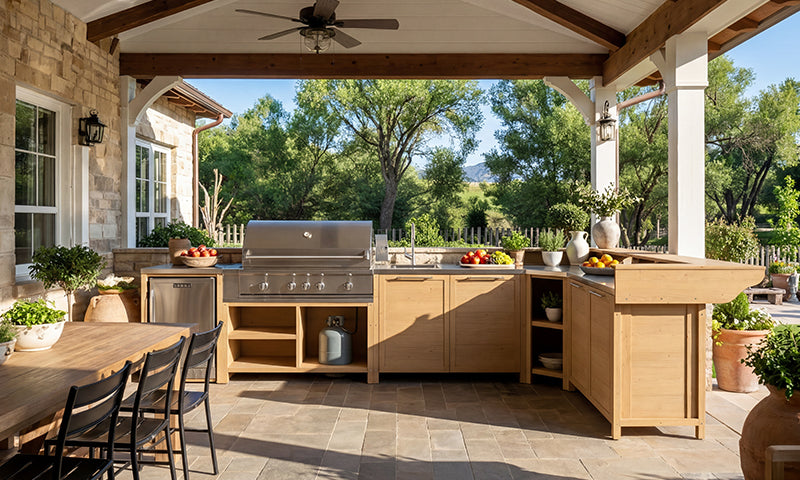
You don't have to go 100% furniture-only to get this right. In fact, keeping standard lower cabinets for your sink and dishwasher is usually the smartest move because of the plumbing. The magic happens when you break up the run of lowers with freestanding kitchen islands or a standalone butcher block table.
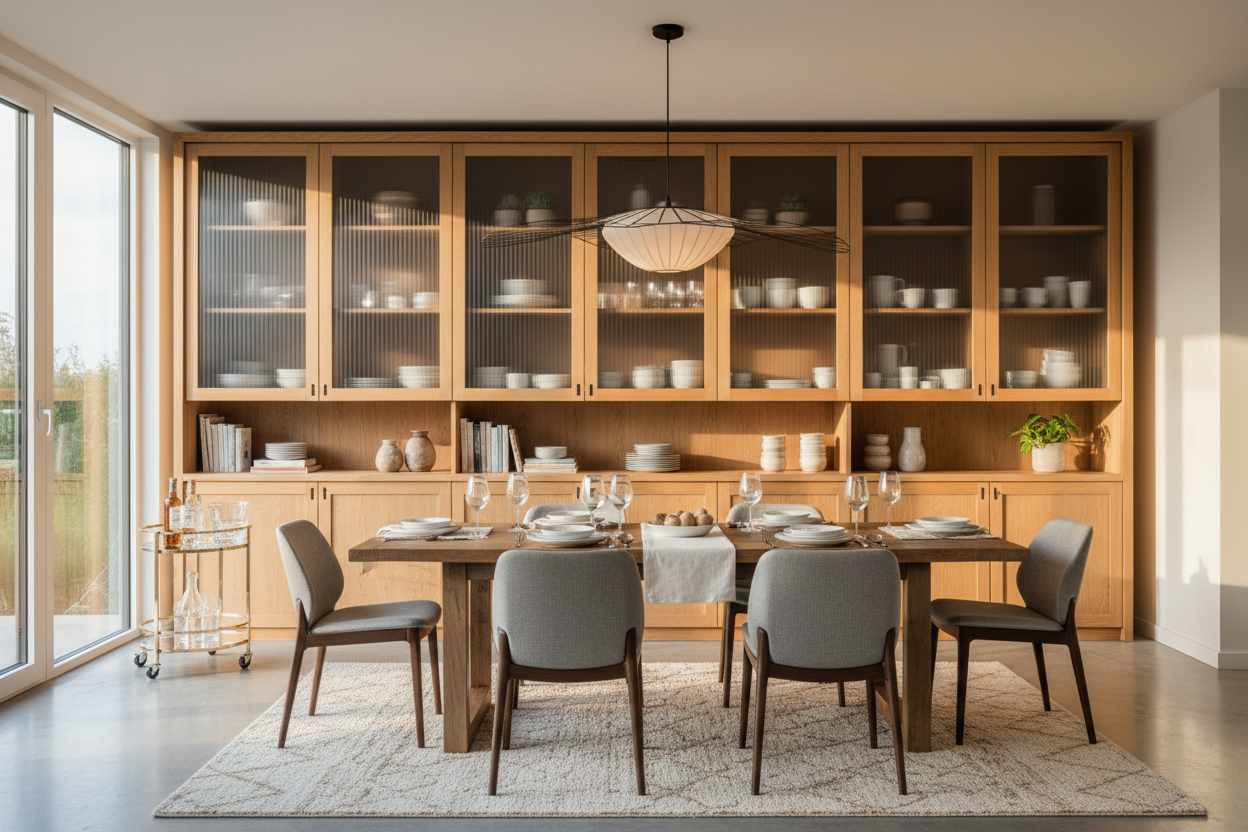
Mixing materials is key. If your lower cabinets are a dark navy, try a natural oak kitchen cabinet cupboard for your glassware. The break in the cabinetry line tells the eye that the room is bigger than it is. I usually recommend a gap of at least 4 to 6 inches between a standalone cupboard and the next built-in unit to really emphasize that it’s a separate piece of furniture.
How to Get the Look Without a Full Renovation
If you’re renting or just don't have the stomach for a demo, you can still pivot. Start by removing the doors from a few upper cabinets to mimic open shelving, or better yet, take one section of uppers down entirely. Replace that dead space with a dedicated kitchen cupboards set that serves as a coffee station or a baking nook.
I’ve seen people use a kitchen cabinet set with two parts—a hutch-style top and a deep base—to create a 'breakfast cupboard.' You hide the toaster, the microwave, and the messy coffee grounds behind beautiful doors. It’s functional, but when the doors are closed, it just looks like a handsome piece of furniture in the corner of the room.
Will Standalone Pieces Actually Hold My Stuff?
This is the number one fear: 'I’ll lose storage.' In reality, standard 12-inch deep uppers are terrible for storage. They aren't deep enough for large mixing bowls or platters, so you end up with a cluttered countertop. A single, well-designed kitchen cabinet cupboard is often 18 to 24 inches deep.
That extra depth is a lifesaver. I found that a corner kitchen pantry cabinet set actually utilized my awkward corner space better than the 'lazy susan' built-in I had before. Because it’s a standalone unit, the shelving is usually more robust, and you can actually reach the back without dislocating a shoulder. You aren't losing storage; you're gaining better, more accessible volume.
My Personal Take: The 80/20 Rule
I once tried to go 100% freestanding in a tiny apartment. It was a disaster. I had no 'landing zones' for hot pans and my prep space was a wobbly table. The sweet spot is 80% built-in lowers for the heavy lifting and 20% freestanding kitchen cabinet cupboard units for the soul. I regret the $4,000 I spent on custom uppers in 2018; I don't regret the $800 vintage armoire I use for my spices today.
FAQ
Is freestanding furniture harder to clean?
Honestly, yes, a little. You have to dust under the legs. But I’d rather vacuum under a cupboard once a week than live with the grime that builds up in the 'dead space' between built-in cabinets and the floor that you can never reach.
Can I use a regular wardrobe as a kitchen cupboard?
Absolutely, but check the shelf weight capacity. Kitchen items like Dutch ovens and stacks of plates are heavy. If the shelves are flimsy 1/4-inch MDF, they will sag. Look for solid wood or reinforced 3/4-inch plywood shelves.
How do I stop a tall freestanding cupboard from tipping?
Wall anchors. Always. Even if you don't have kids, a heavy door swung open on a tall kitchen cupboards set can shift the center of gravity. Spend the five minutes to bolt it to a stud.

Leave a comment
This site is protected by hCaptcha and the hCaptcha Privacy Policy and Terms of Service apply.