

















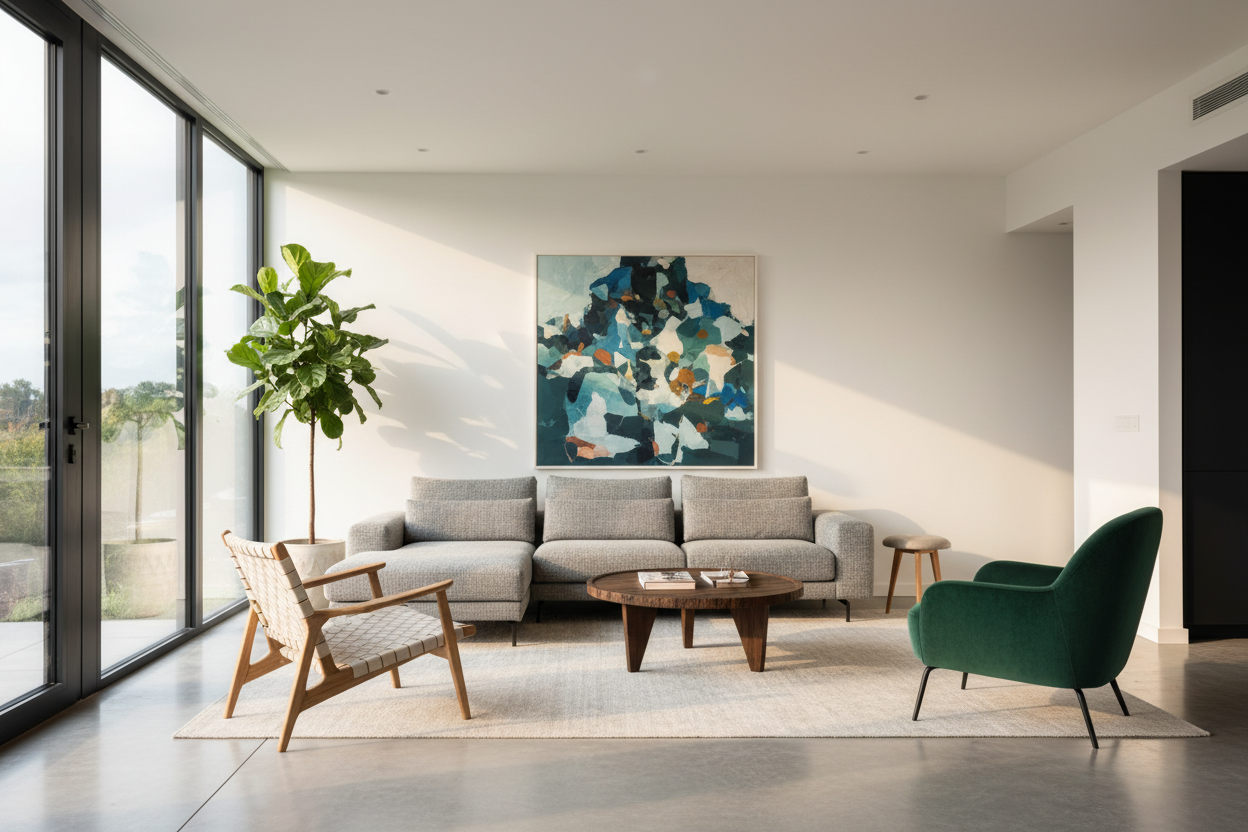
We have all walked into a showroom, fallen in love with a sculptural armchair or a deep-set sofa, and ordered it on the spot. But once it arrives, the reality sets in: it blocks a walkway, the fabric pills instantly, or it simply doesn't support your back during a movie marathon. Selecting the right seats furniture is rarely just about aesthetics; it is a complex negotiation between ergonomics, spatial dynamics, and lifestyle reality.
As an interior designer, I see clients prioritize color over construction constantly. This guide cuts through the marketing noise to help you invest in pieces that anchor your room rather than clutter it.
Key Features to Look For
Before swiping your card, assess these critical factors to ensure longevity and comfort. This checklist is what distinguishes heirloom quality from fast furniture.
- Frame Construction: Look for kiln-dried hardwood frames. Avoid particleboard or softwoods that warp over time.
- Suspension System: 8-way hand-tied springs offer the highest level of support, whereas sinuous springs provide a firmer, more cost-effective seat.
- Cushion Fill: High-resiliency (HR) foam wrapped in down provides structure without sacrificing the 'sink-in' feeling.
- Scale and Proportion: The piece must fit the room physically and visually. Check that the back height doesn't obstruct sightlines.
Decoding Materiality and Texture
The upholstery you choose dictates the maintenance schedule of your life. While a silk-blend velvet looks stunning in a magazine, it is often impractical for a high-traffic family room.
Performance vs. Natural Fibers
For high-use areas, I almost exclusively recommend performance fabrics (like Crypton or high-quality polyester blends) that mimic natural weaves. They offer stain resistance without the plastic feel of older synthetics. However, if you are selecting accent furniture seats for a low-traffic formal lounge, natural linens and wools offer a tactile richness and breathability that synthetics still struggle to replicate perfectly.
The Rub Count Reality
Always ask for the 'double rub' count. For residential seating, 15,000 to 30,000 double rubs is standard. Anything below that is purely decorative. If you have pets, aim for 50,000+ to prevent premature fraying.
Ergonomics: The Science of Sitting
A beautiful chair is useless if it causes lumbar strain. The ergonomics of your seating should match the height of the primary user.
Seat Depth and Pitch
Standard seat depth ranges from 21 to 24 inches. If you are shorter, a deep seat will leave your legs dangling, cutting off circulation. Conversely, a shallow seat for a tall individual offers zero thigh support. The 'pitch'—the angle of the back—should encourage a relaxed posture without forcing you to recline so far that you cannot converse comfortably.
Spatial Planning and Flow
The silhouette of your seating impacts the perceived size of the room. In smaller urban apartments, I advise against rolled arms and skirted bases; they add visual weight. Instead, opt for track arms and exposed legs, which allow light to travel under the furniture, making the floor plan feel expansive.
Creating Conversation Zones
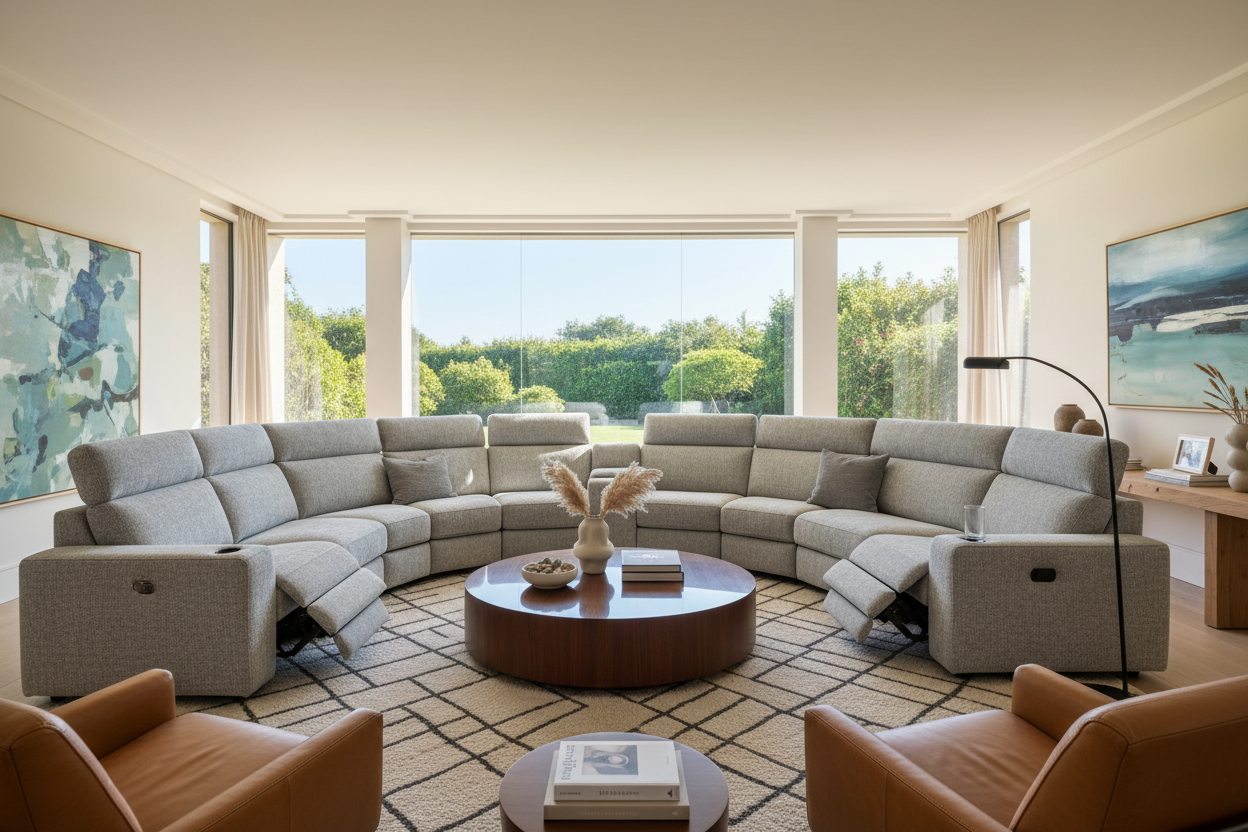
Avoid pushing all furniture against the walls. Floating your seating arrangements creates intimacy. A good rule of thumb is to ensure distinct 'conversation circles' where no two seats are more than 8 feet apart, ensuring guests don't have to shout across the room.
My Personal Take on Seats Furniture
I want to share a specific lesson I learned the hard way early in my career. I specified a stunning, low-profile modular sectional for a client with a loft-style apartment. Visually, it was architectural perfection. However, I failed to account for the 'get-up' factor.
The seat height was 15 inches—standard for modern Italian design, but low for domestic comfort. Six months later, the client called me. They loved the look, but they hated using it because getting out of the deep, low seat required significant effort, especially for their older parents. Furthermore, the fabric was a loose-weave bouclé. While trendy, it snagged on everything—even the rivets on jeans.
Now, I have a strict rule: I make clients sit on a potential purchase for at least five minutes in the showroom. You need to feel if the foam bottoms out or if the frame edge cuts into your knees. And I always check the 'tightness' of the weave against jewelry and denim. Real life is harder on furniture than a showroom display implies.
Conclusion
Investing in quality seating is about balancing the visual weight of the piece with the physical weight of the user. By focusing on frame integrity, appropriate scale, and performance fabrics, you can curate a space that looks sophisticated and serves your daily life effortlessly.
Frequently Asked Questions
How much space do I need between a coffee table and the sofa?
Ideally, you should allow 14 to 18 inches between the edge of the seat and the coffee table. This is close enough to reach a drink comfortably but wide enough to provide adequate legroom for maneuvering.
What is the difference between web suspension and spring suspension?
Webbing consists of interwoven straps (often elastic or jute) stretched across the frame; it provides a firmer, flatter sit and is common in modern, slim-profile furniture. Springs (coil or sinuous) offer more bounce and localized support, generally lasting longer in heavy-use pieces.
Can I mix different styles of seats furniture in one room?
Absolutely. In fact, a matched set often looks dated. The key to mixing styles is to maintain a consistent visual weight or color palette. For example, a heavy leather Chesterfield sofa pairs beautifully with a pair of light, mid-century modern armchairs if they share a common wood tone or leather accent.

Leave a comment
This site is protected by hCaptcha and the hCaptcha Privacy Policy and Terms of Service apply.