

















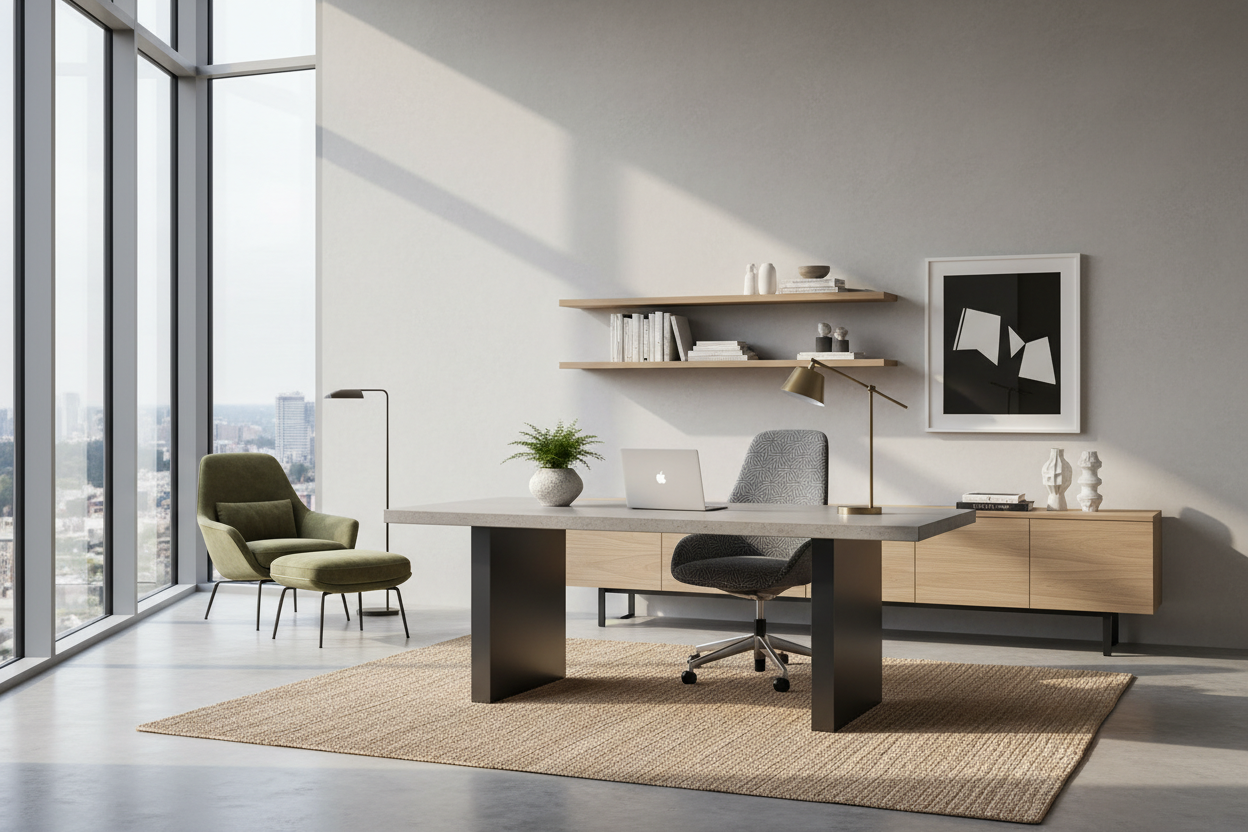
We have all experienced the fatigue of working in a space that feels uninspired. The wrong desk can make a room feel claustrophobic, while a poorly designed chair turns a creative session into a battle for lumbar support. The allure of contemporary office furniture lies in its promise to merge high-performance functionality with a sleek, architectural aesthetic. However, navigating the showroom floor—or the endless pages of online catalogs—can lead to costly aesthetic missteps if you don't know what to look for. This guide will help you curate a workspace that balances visual lightness with heavy-duty utility.
Key Features to Look For
- Material Integrity: Look for mixed media, such as tempered glass paired with brushed brass or walnut veneers on steel frames.
- Ergonomic Integration: Ensure mechanism controls (tilt, height) are hidden or seamlessly integrated into the design silhouette.
- Visual Weight: Opt for floating tops or slender legs to maintain an airy feel in smaller home offices.
- Modular Flexibility: Prioritize pieces that can expand or reconfigure as your workflow changes.
Defining the Contemporary Aesthetic
Unlike the rigid definitions of Mid-Century Modern, contemporary design is fluid. It borrows from the present moment. When selecting a contemporary office furniture collection, you are looking for clean lines, a lack of ornate detailing, and a celebration of negative space. The goal is to reduce visual clutter so your mind can focus on the task at hand.
The Role of Silhouette
In a contemporary setting, furniture acts as sculpture. A desk isn't just a surface; it is a focal point. Look for canted legs, waterfall edges, or asymmetrical storage units. These elements break the monotony of the traditional "box" shape found in standard corporate furniture.
Materiality: Durability vs. Design
One of the most critical decisions you will make is regarding the finish. While a high-gloss lacquer looks stunning in a catalog, it requires constant maintenance. For a working surface, I often recommend high-quality distinctive veneers or matte nano-tech laminates (like Fenix) which resist fingerprints and micro-scratches.
Metals and Glass
Chrome is classic, but the current contemporary trend leans toward brushed gold, gunmetal, or matte black powder coats. These finishes add warmth and texture without the harsh glare of polished chrome. If you choose a glass desktop, ensure it is tempered and consider a frosted or smoked finish to hide the inevitable dust and cables beneath.
Space Planning and Visual Flow
Contemporary furniture often features a lighter footprint. This is advantageous for home offices that share space with a guest room or living area. When laying out the room, consider the "float." Contemporary desks are finished on all sides, meaning they should rarely be pushed against a wall. Floating the desk in the center of the room commands authority and improves the room's energy flow.
Lessons from My Own Projects
I learned a hard lesson early in my career regarding glass-top contemporary desks. I specified a stunning, architectural glass desk for a client who was a tech consultant. It looked incredible on installation day—pure, transparent elegance. However, I failed to account for his hardware reality.
Within a week, he called me. The transparency of the glass meant that every single wire, power strip, and dropped sticky note was visible from the doorway. It looked chaotic. We ended up having to install a custom modesty panel and cable management spine after the fact, which ruined the clean lines we originally paid for. Now, when I suggest glass, I always check the client's "cable load" first. If you have a tower PC and dual monitors, stick to a desk with a solid back panel or integrated cable channels. Real life is rarely wireless.
Conclusion
Curating a workspace is about respecting your own productivity. By investing in pieces that offer both ergonomic support and visual calm, you create an environment where work feels less like an obligation and more like a pursuit. Choose materials that age gracefully and shapes that inspire you every time you walk into the room.
Frequently Asked Questions
What is the difference between modern and contemporary office furniture?
Modern usually refers to a specific era (early to mid-20th century) featuring wood and earth tones. Contemporary is current, ever-changing, and often utilizes starker contrasts, glass, and metals.
How do I maintain high-gloss contemporary finishes?
Use a microfiber cloth and a gentle, non-ammonia cleaner. Avoid paper towels, which can leave micro-scratches that dull the glossy finish over time.
Can contemporary furniture fit in a small home office?
Absolutely. Contemporary design excels in small spaces due to its emphasis on "visual lightness." Acrylic chairs or desks with slender metal legs allow light to pass through, making the room feel larger.


Leave a comment
This site is protected by hCaptcha and the hCaptcha Privacy Policy and Terms of Service apply.