


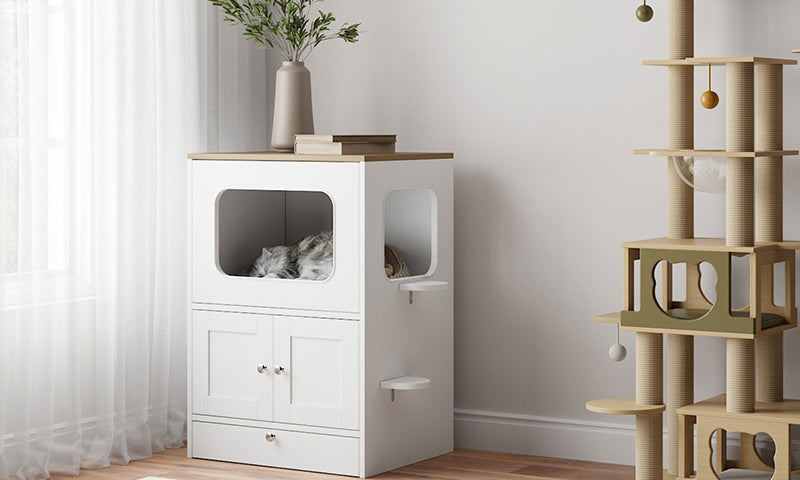
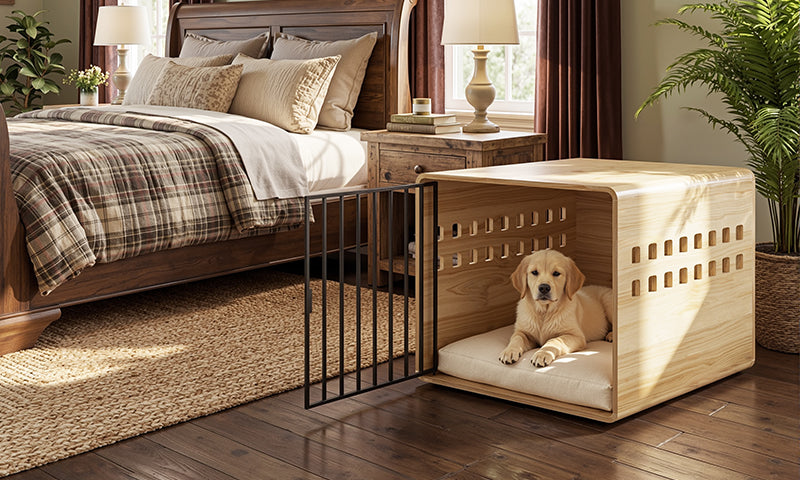

We have all stared at that one awkward corner. Maybe it is the 30-inch gap between the sofa and the wall, or a cramped entryway that instantly becomes a dumping ground for mail and keys. When square footage is limited, small cabinets are often the unsung heroes of residential design. But here is the catch: dropping a random tiny cabinet into a room can look like an afterthought if you do not scale it properly.
In this guide, I will walk you through exactly how to choose a small space storage cabinet that hides your clutter while looking like an intentional, high-end design choice.
Quick Decision Guide
- Measure your clearance: Always leave at least 24 inches of clearance in front of small storage cabinets so doors and drawers can fully open without hitting adjacent furniture.
- Prioritize depth over width: A short cabinet with a shallow depth (12 to 15 inches) hugs the wall and prevents narrow hallways from feeling choked.
- Mix your storage types: A small cabinet with drawers and shelves offers the most versatility, hiding messy cables in drawers while keeping books organized on shelves.
- Watch the visual weight: If you are buying a cabinet for a small room, choose one with taller legs. Exposing the floor underneath makes the room feel larger.
Space Planning: Navigating the Awkward Corners
When dealing with North American floor plans, scale is everything. A common mistake is buying a small cheap cabinet just to fill a void, only to realize its proportions clash with an overstuffed sectional. You need to balance the room's visual weight.
The Short Wide Cabinet Strategy
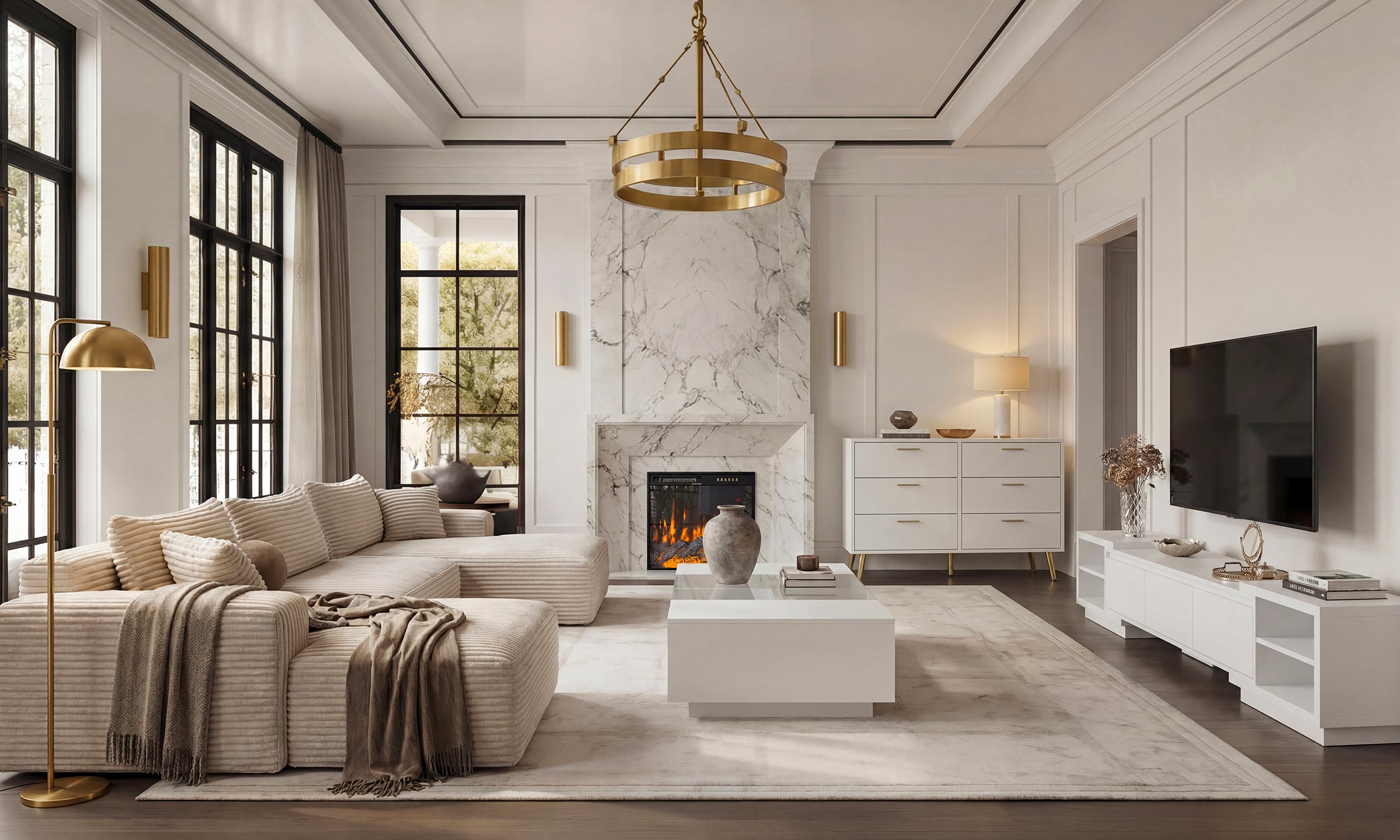
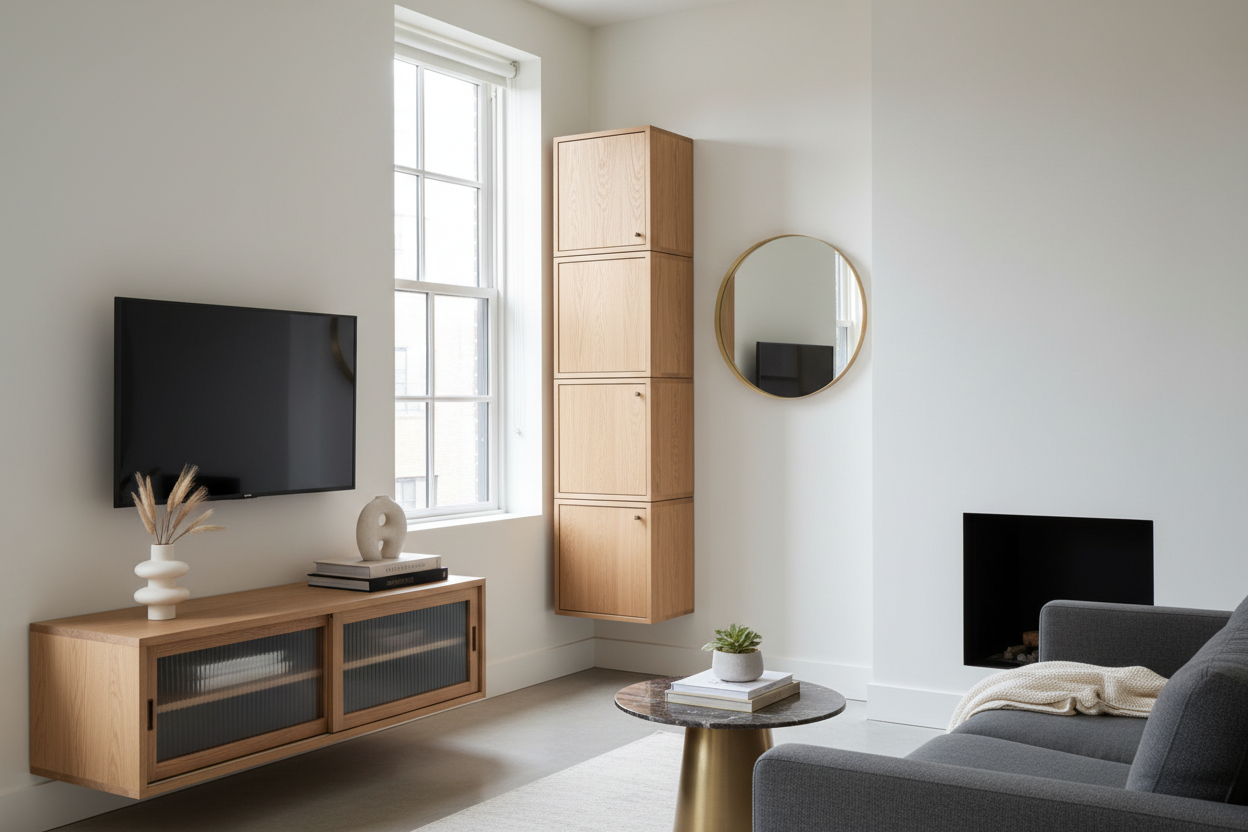
If you have a low window sill or a wall-mounted TV, a short wide storage cabinet is your best friend. It provides maximum surface area for styling a lamp or a tray while keeping the sightlines completely open. These short cabinets for storage anchor the wall without dominating the vertical space.
Going Vertical in Tight Footprints
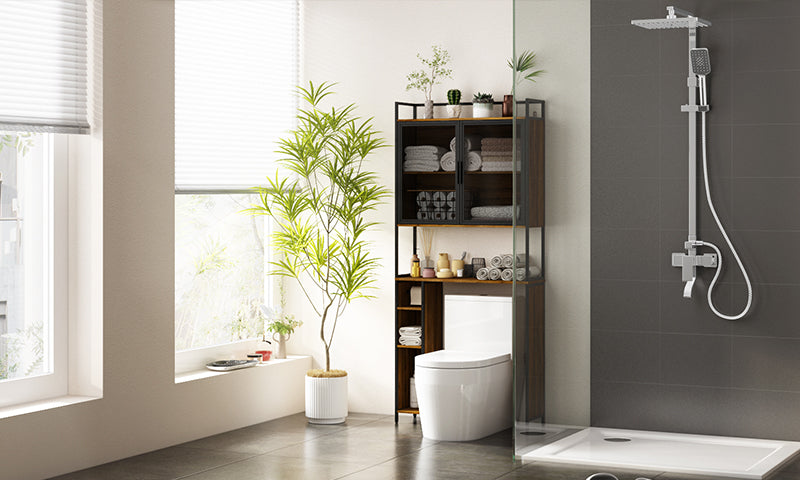
Conversely, if floor space is your biggest constraint, look for a small single door storage cabinet. A narrow, tall profile draws the eye upward. Whether you call them mini cabinets or small cupboards, these vertical pieces are perfect for bathrooms or the dead space next to a fireplace.
Material Matters: Avoiding the Dorm Room Look
It is incredibly easy for small storage furniture to look flimsy. Because they are compact, we interact with them closely—opening doors, tossing keys on top, brushing past them in tight spaces.
Solid Wood vs. Veneers
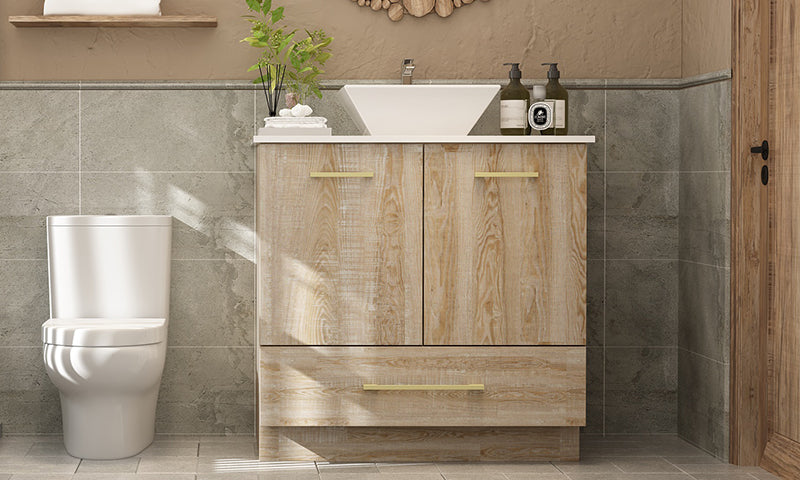
If you are looking for a small cabinet for sale, pay attention to the frame. Solid wood is ideal for high-traffic areas, but a high-quality wood veneer over an MDF core is incredibly stable in humid environments like bathrooms. Avoid paper-thin laminates; a small storage cabinet nearby a busy entryway will show chipped edges within months.
Styling Your Compact Cabinets
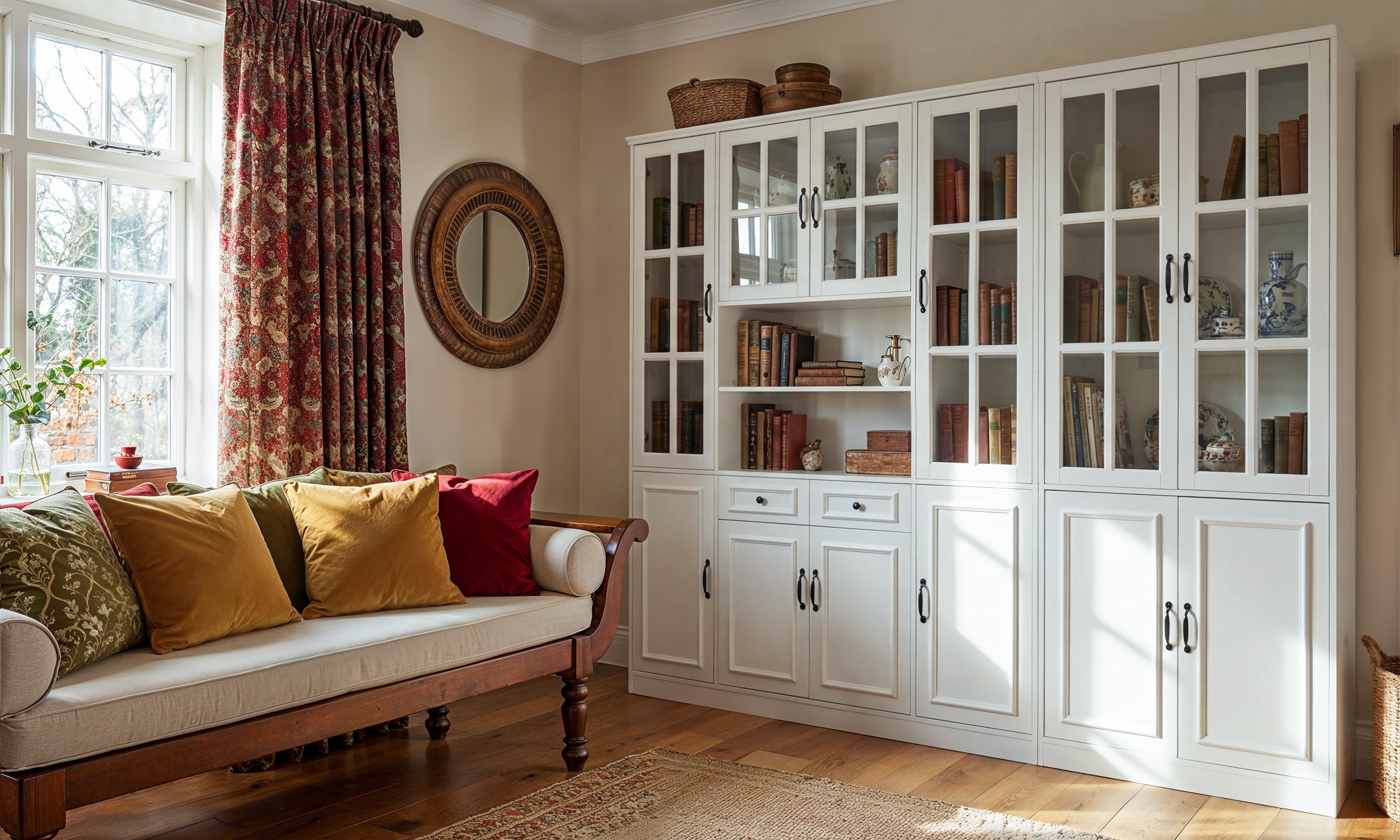
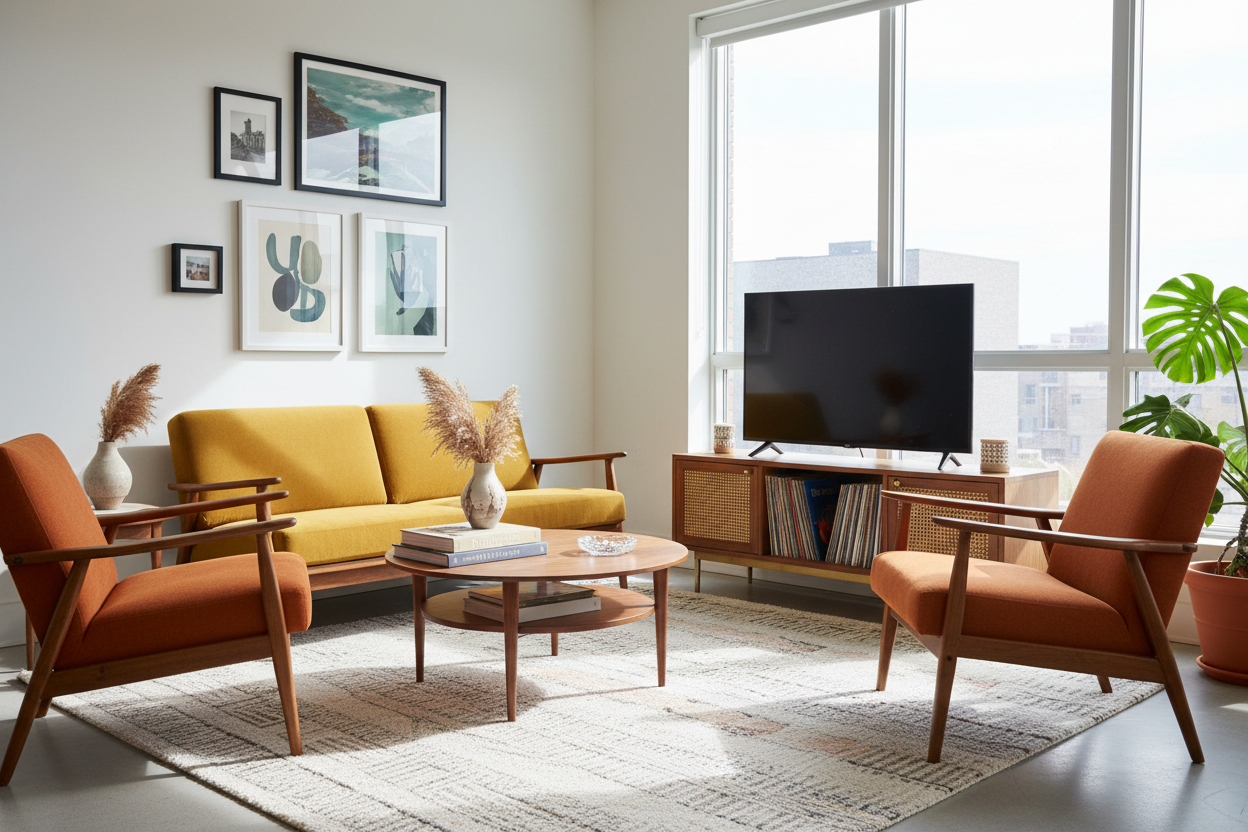
A little cabinet should not just hold junk; it needs to integrate into your room's narrative. If your home leans mid-century modern, a small shelf cabinet with tapered legs and warm walnut tones fits perfectly. For a more transitional space, painted small storage cupboards with brass hardware add a quiet elegance.
Do not forget the negative space. When styling the top of a short storage cabinet, use the rule of thirds. Group a tall vase, a medium framed photo, and a low decorative bowl. This keeps the cabinet small space appropriate without looking cluttered.
Designer's Honest Take: Lessons from My Own Projects
Early in my career, I was obsessed with finding the perfect tiny storage cabinet for a client's narrow Toronto condo entryway. I found a stunning, very small cabinet online that looked like a custom architectural piece. It was gorgeous, but I learned a hard lesson about functionality.
Because it was a mini cabinet storage unit with a simple push-to-open latch, the constant daily use wore out the cheap internal hardware in six months. The door would constantly pop open. Furthermore, the internal shelves were fixed, meaning my client could not fit her winter boots inside. I realized that when specifying cabinets for small spaces, adjustable shelving and heavy-duty hinges are non-negotiable. Now, I always insist on a small storage cabinet with shelves that can be moved, even if the piece itself is barely two feet wide.
Frequently Asked Questions
What size is considered a small cabinet?
Generally, a small organizer cabinet sits under 36 inches in height and 30 inches in width. If you are looking for storage cabinets short enough to double as a side table, aim for 24 to 28 inches high to align perfectly with standard sofa arms.
How do I make a small space storage cabinet look built-in?
To make small space storage cabinets look custom, match the paint color of the cabinet to your wall. You can also replace the stock hardware with heavier, knurled brass or matte black pulls to instantly upgrade a basic piece.
Where can I shop small cabinet options locally?
If you need a small cabinet nearby to check dimensions in person, look beyond big-box stores. Local antique malls often have little storage cabinets or small cupboards for sale that feature superior solid wood joinery compared to modern flat-pack furniture.


Leave a comment
This site is protected by hCaptcha and the hCaptcha Privacy Policy and Terms of Service apply.