


















We have all been there: balancing a laptop on a stack of mail at the kitchen island, telling ourselves it is just temporary. But if you are planning to work from home for the long haul, that makeshift setup is going to wreak havoc on your posture and your home's aesthetic.
You do not need a massive spare bedroom to create a dedicated, focused workspace. In this guide, I will walk you through how to integrate a home office that actually looks good and functions brilliantly, whether you have an entire room or just an empty living room alcove.
Quick Decision Guide: Home Office Essentials
- Establish boundaries: Use rugs or paint blocking to visually separate your workspace from relaxation areas.
- Respect clearances: Always leave at least 36 inches of push-back space behind your desk chair.
- Prioritize ergonomics: A trendy dining chair will betray your lower back by 2 PM; invest in an adjustable seat.
- Control the lighting: Layer ambient room lighting with a dedicated task lamp to reduce screen glare.
Space Planning & Layout
Finding the Right Footprint
When clients ask me how do you work at home when square footage is tight, my first rule is to stop pushing desks flat against the wall. While it seems like a space-saver, staring at blank drywall crushes productivity. Instead, try floating a slim desk perpendicular to a window. This gives you a view, natural light for video calls, and creates a physical barrier that defines the office zone. If you must do work at home in a shared living space, consider a drop-front secretary desk that physically closes at the end of the day, hiding the visual clutter of your job.
Comfort & Ergonomics
The Chair Compromise
The best way to work at home sustainably is to marry aesthetics with strict ergonomics. Many people buy beautiful, rigid mid-century chairs that look fantastic in photos but offer zero lumbar support. When sourcing office seating, look for a seat depth that leaves about two inches between the back of your knees and the chair edge. If you hate the look of a traditional mesh office chair, opt for a fully upholstered executive chair with hidden tilt mechanisms and adjustable height. Your back will thank you.
Style & Coordination
Blending Tech with Decor
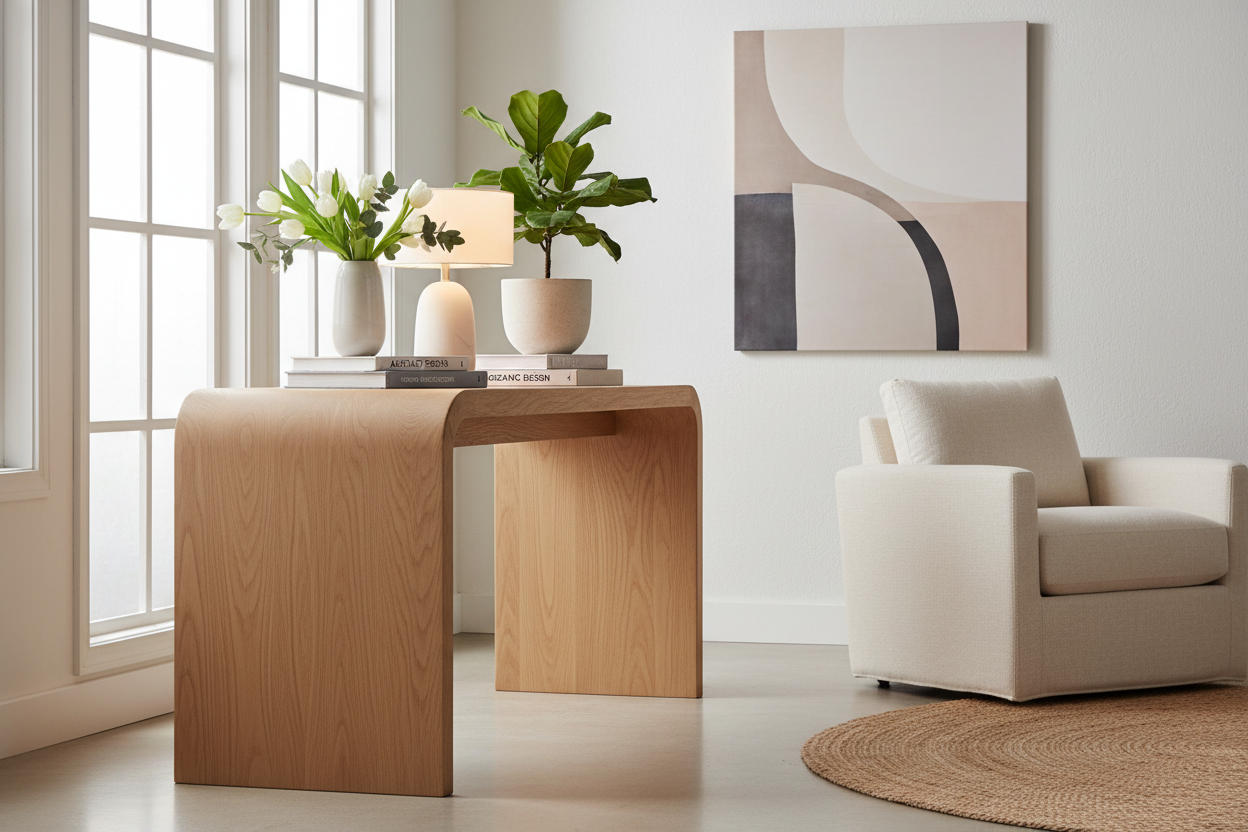
One of the most challenging ways to work at home is managing the inevitable influx of technology. Monitors, printers, and a rat's nest of cords can quickly ruin a carefully curated room. To maintain a cohesive style, pay attention to the visual weight of your furniture. A chunky, solid wood desk might overwhelm a small apartment, whereas a glass or acrylic desk reduces visual clutter. Always buy a desk with built-in cord management or attach a cable tray to the underside. Keep the silhouette clean.
Lessons from My Own Projects
Early in my career, I designed what I thought was the ultimate home office for a client figuring out how to work at home full-time. I sourced a stunning, minimalist walnut writing desk with elegant tapered legs. It looked like a magazine cover on installation day. A month later? It was a disaster. Because the desk had zero drawers, every pen, charging cable, and sticky note sat right on top. The beautiful negative space underneath the desk was quickly stuffed with ugly plastic storage bins. I learned the hard way that minimalist furniture only works if your workflow is entirely paperless. Now, I refuse to specify a primary work desk without at least one shallow drawer for immediate clutter control.
Frequently Asked Questions
How work at home setups fit into small apartments?
Look for 'cloffice' (closet office) opportunities or utilize transitional spaces like wide hallways. Wall-mounted floating desks take up zero floor space and can be folded away when not in use.
What is the best desk height for a home office?
Standard desk height is between 29 and 30 inches. However, if you are shorter than 5'5", you may need a keyboard tray or a footrest to maintain the proper ergonomic angle with your elbows resting at 90 degrees.
Should my desk face the wall or the window?
Ideally, neither. The optimal position is the command position—facing the door with a solid wall behind you. If you must face a window, ensure you have sheer blinds to diffuse harsh, direct sunlight.

Leave a comment
This site is protected by hCaptcha and the hCaptcha Privacy Policy and Terms of Service apply.