


















There is a distinct difference between a room that simply contains a desk and a professionally designed workspace. The former often becomes a dumping ground for household clutter, while the latter serves as a sanctuary for focus. As a designer, I frequently see clients struggle not with a lack of space, but with a lack of zoning. Mastering **organisation home office** layouts is about more than buying bins; it is about curating a workflow that respects both ergonomics and aesthetics.
Core Elements of a Functional Workspace
- Zoning: Establish clear boundaries between 'active work' zones and 'reference/storage' zones.
- Visual Weight: Balance heavy, closed cabinetry with lighter, open shelving to prevent the room from feeling claustrophobic.
- Ergonomics: Prioritize chair height and monitor distance over purely decorative furniture choices.
- Cable Management: Integrated solutions are essential; visible wires instantly degrade the perceived quality of a room.
- Materiality: Choose durable surfaces (like high-pressure laminate or sealed wood) for high-touch areas.
The Art of Spatial Planning
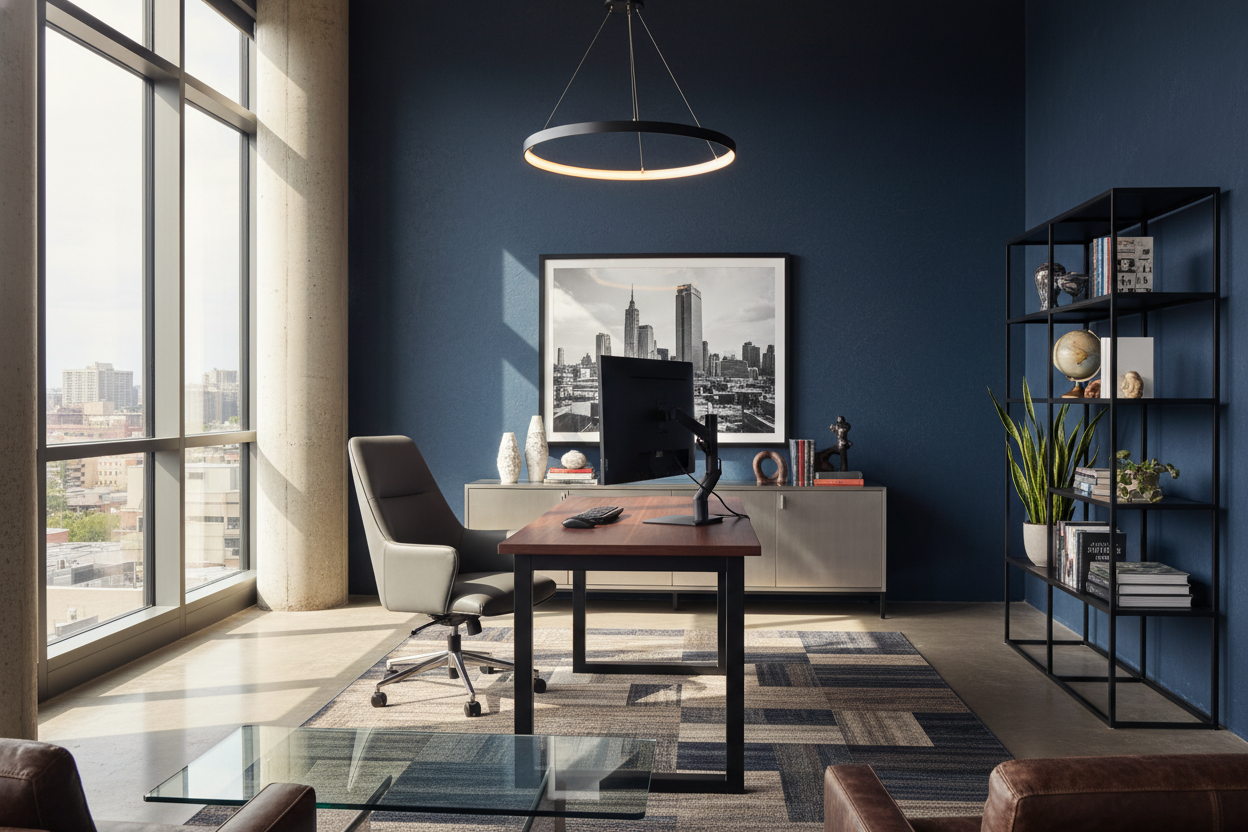
When clients ask me how to organise your office at home, I start with the 'Command Position.' Ideally, your desk should face the door but not be directly in line with it. This architectural grounding reduces subconscious anxiety and improves focus. If you are floating a desk in the center of the room—a hallmark of luxury design—ensure you have floor outlets installed. Nothing ruins a high-end silhouette like an extension cord snaking across a rug.
Curating Storage: Closed vs. Open
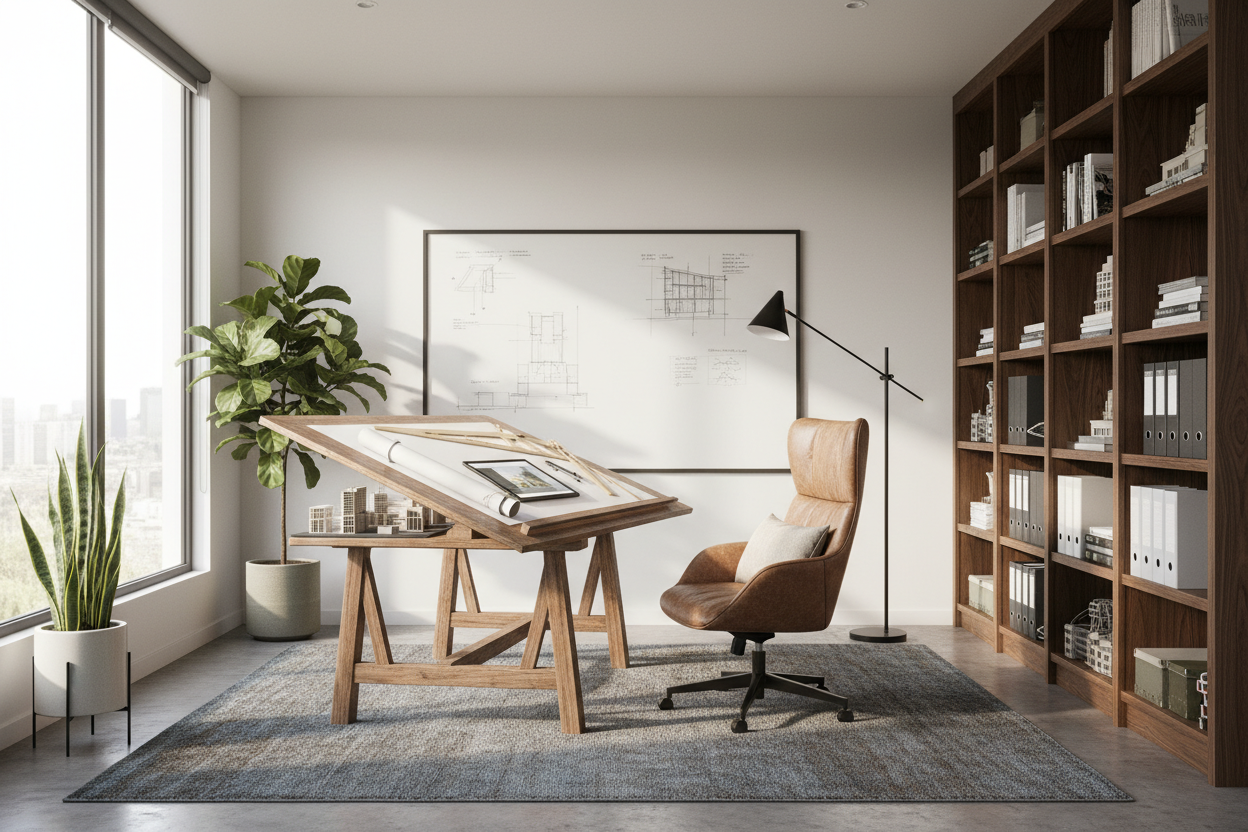
The most common error in home office design is underestimating 'visual noise.' While open shelving offers a chance to display curated objects or books, it demands constant maintenance. For a streamlined look, I recommend a 70/30 split: 70% closed storage (drawers, cabinets) for paperwork and tech, and 30% open shelving for decorative elements.
Material Selection
Your choice of material dictates the room's atmosphere. Solid walnut or oak introduces warmth and gravitas, ideal for executive-style spaces. However, if your room is small, consider high-gloss lacquer or glass surfaces. These reflect light, making the organization systems feel less intrusive and the room more expansive.
My Personal Take on Organisation Home Office
I want to share a specific realization from a project I completed last year—and a mistake I made in my own home. I once installed deep, 60cm cabinetry for general office storage, thinking 'more is better.' It wasn't.
The reality is that standard A4 paper and binders only require about 30cm of depth. In my own office, those deep cabinets became a graveyard for lost items pushed to the back. When I redesigned the space, I switched to shallower, 35cm custom joinery. It forced me to be intentional. Furthermore, I stopped using 'wire' management trays under the desk. They look industrial and gather dust bunnies. I now insist on a 'modesty panel' with a built-in channel or a false back on the desk. It’s a detail you don't see, but you feel the difference when your feet aren't tangling in cables.
Conclusion
Achieving a perfectly organized home office is an investment in your mental clarity. By selecting the right materials and respecting the flow of the room, you create a space that invites productivity rather than panic.
Frequently Asked Questions
How do I organize a small home office without it feeling cramped?
Focus on verticality. Utilize wall-mounted shelving that goes all the way to the ceiling to draw the eye up. Use 'floating' desks and shelves which show more floor space, tricking the eye into thinking the room is larger.
What is the best lighting for a home office?
Layer your lighting. You need ambient light (overhead) for general mood, but task lighting (a dedicated desk lamp) is non-negotiable for reducing eye strain. Ensure the color temperature is around 4000K (cool white) for alertness.
Is custom joinery worth the investment over flat-pack furniture?
For long-term value, yes. Custom joinery allows you to utilize awkward alcoves and maximizes every inch of vertical space. It also allows for integrated cable management that flat-pack furniture rarely offers.

Leave a comment
This site is protected by hCaptcha and the hCaptcha Privacy Policy and Terms of Service apply.