


















Walking through the front door and landing immediately in the middle of a conversation area can feel abrupt. Without a dedicated hall or foyer, your home lacks a transition zone—a place to pause, take off your shoes, and mentally shift from the outside world to your sanctuary. The most effective solution for this common architectural layout is a well-placed living room entrance table. This piece of furniture does more than hold your keys; it acts as a visual anchor that psychologically separates the entry point from the relaxation zone, creating the illusion of a foyer where none exists.
Creating this defined space requires a blend of strategic placement and functional styling. You aren't just buying a table; you are building a "landing strip" for your life. Whether you place a console against a perpendicular wall or position a table behind a floating sofa, the goal is to direct the traffic flow and catch the clutter before it migrates to the coffee table.
Defining the Zone with Furniture Placement
The biggest challenge in open-concept homes is figuring out exactly where to put the furniture. If your door opens against a wall, the choice is straightforward: a slim console table hugged against that wall creates an instant hallway feel. However, if your door swings open directly into the center of the room, you have to get creative.
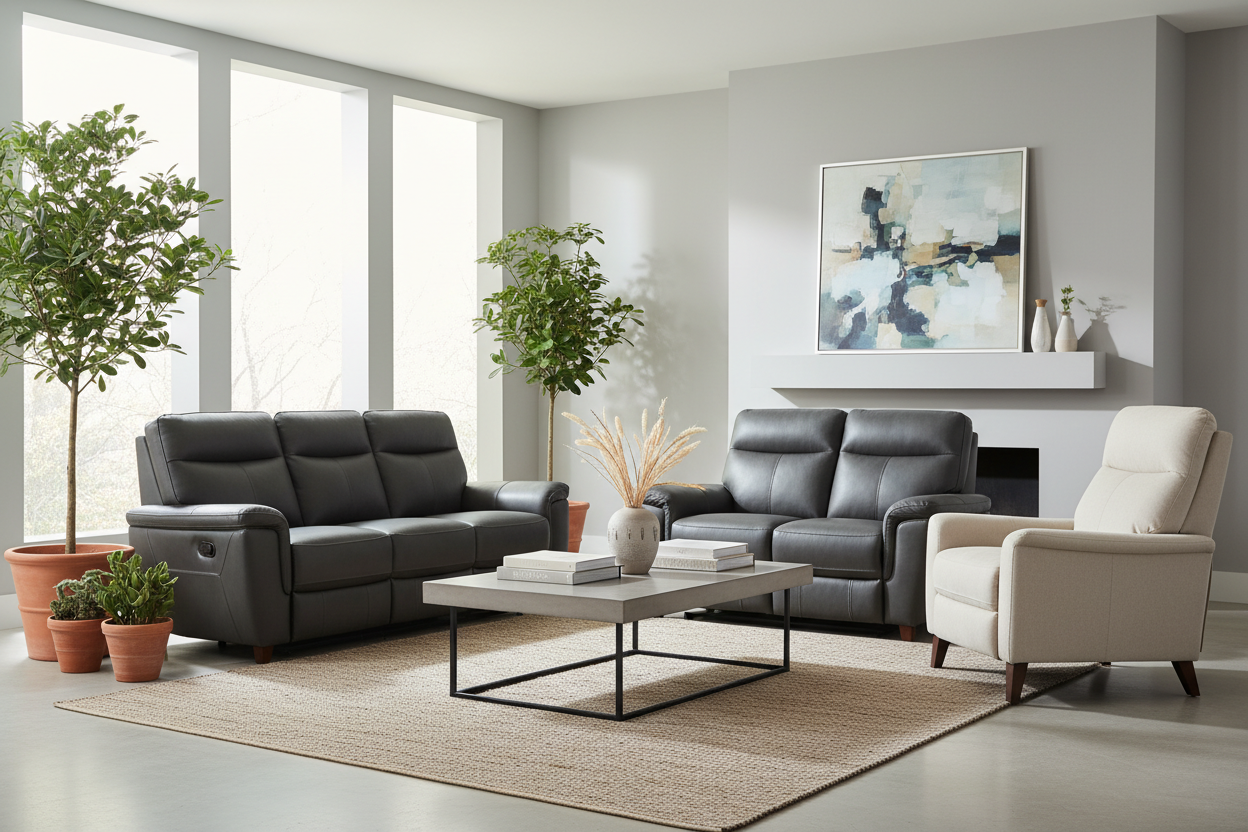
One of the most effective techniques is the "floating" layout. By turning the back of your sofa to face the door, you create a physical barrier. Placing a living room entryway table directly behind the sofa softens this barrier. It hides the back of the couch and offers a surface for lamps and decor. This arrangement effectively tells guests, "Walk this way, not that way," guiding them around the seating area rather than through it.
I learned this lesson the hard way in my second apartment. The front door opened so close to the living area that if you swung it too wide, it would hit the armchair. For months, mail piled up on the kitchen island and keys vanished into the sofa cushions. I finally invested in a narrow, waist-high console table and placed it perpendicular to the door. It didn't just solve the clutter problem; it completely changed how the room felt. Suddenly, there was a sense of arrival. That small surface area gave me a place to exhale before dealing with the rest of the house.
Selecting the Right Table for the Job
Scale is everything here. A heavy, ornate cabinet might overwhelm a small living room, while a flimsy wire table might get lost or knocked over. You need a piece that balances weight with openness. If you are working with a tight squeeze, look for tables with open legs or glass tops. These allow light to pass through and keep the visual footprint light.
Height is equally critical. Standard console tables usually stand between 30 and 36 inches high. If you are placing the table behind a sofa, ensure it is level with or slightly lower than the sofa back. You generally want to avoid the table towering over the couch, as it ruins the visual lines of the room.
Storage vs. Aesthetics
Ask yourself what usually lands in your hands when you walk in. Is it just a phone and keys? A simple slab table or a pedestal design will suffice. Do you carry stacks of mail, dog leashes, and spare change? You need a table with drawers or a lower shelf. Hidden storage is a savior in living room entryways because visual clutter in the main living space kills the vibe. Drawers allow you to sweep the mess away instantly, keeping the living room looking serene.
The Art of Styling Your Drop Zone
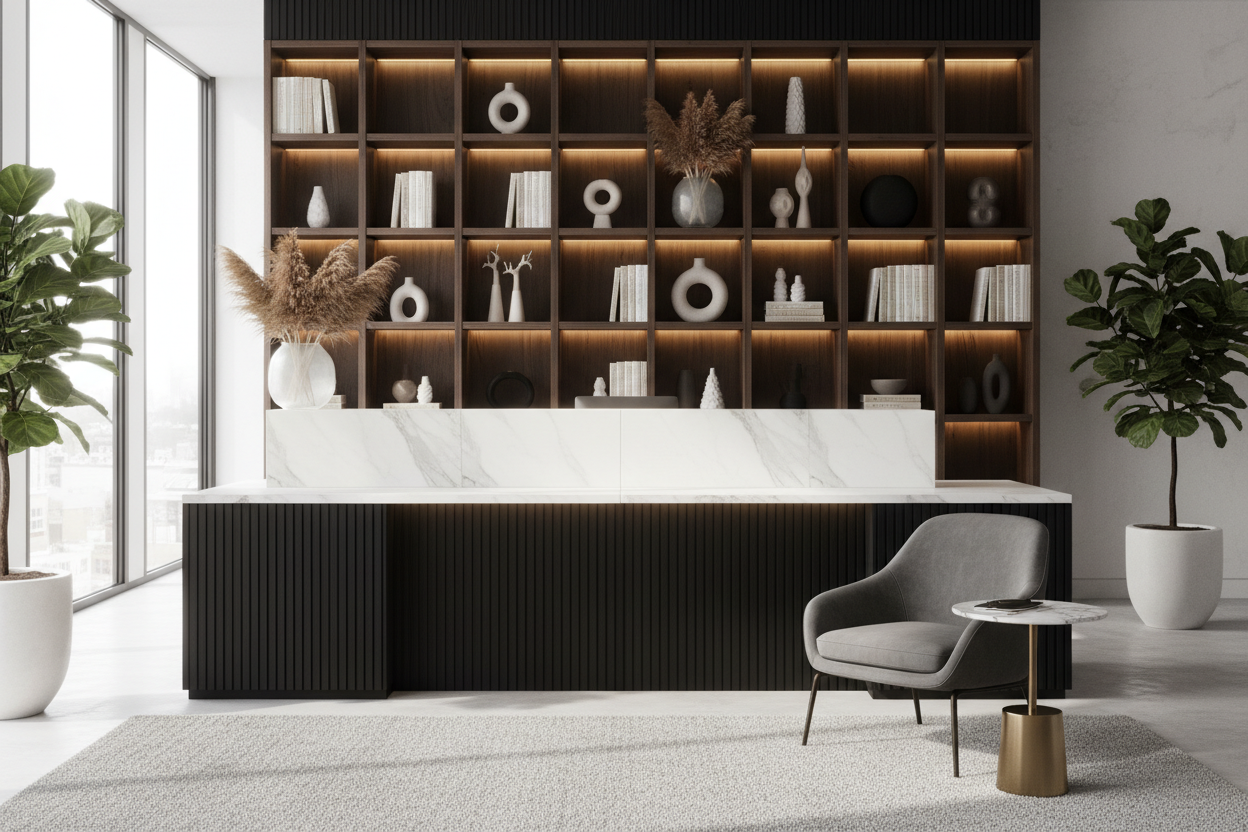
Once you have the furniture in place, the styling determines whether it looks like a dump zone or a design feature. The surface of your living room entrance table is prime real estate for setting the tone of your home.
Start with lighting. If you don't have overhead lighting specifically for the entry, add a table lamp. A tall, slender lamp adds height and casts a warm, welcoming glow that is far superior to harsh ceiling lights. If floor space is tight, consider wall sconces flanking the table or a small picture light above a piece of art.
Mirrors are the oldest trick in the book for a reason. Hanging a mirror above the table allows for a final "teeth check" before you leave, but more importantly, it bounces light around the room. In a living room entry, a mirror reflects the living space back at you, making the whole area feel larger and more cohesive.
Containing the Clutter
Loose items are the enemy of a polished look. Use a tray, a shallow bowl, or a small box to corral smaller items. This creates a boundary for your things. When keys are in a beautiful ceramic bowl, they are decor; when they are scattered on the wood surface, they are a mess. If your table has a bottom shelf, use large woven baskets to store shoes or umbrellas. This keeps the floor clear and adds a nice texture to the setup.
Grounding the Space
Furniture can sometimes look like it is floating aimlessly, especially in an open plan. To truly designate this area as an "entryway," consider using a runner rug. A rug provides a visual path, guiding the eye and the feet. It protects your living room flooring from wet shoes and adds a layer of acoustic dampening.
Ensure the rug is wider than the door frame if possible, and long enough to span the length of your living room entryway table. This trio—table, mirror/art, and rug—creates a distinct vignette that stands apart from the sofa and TV area, effectively solving the "no foyer" dilemma.
Common Pitfalls to Avoid
Resist the urge to over-decorate. Since this table is part of your living room, it needs to harmonize with the rest of the furniture, not compete with it. If your living room is minimalist, a cluttered entry table will stick out like a sore thumb. Keep it simple: one light source, one vessel for storage, and one piece of decor (like a plant or sculpture).
Also, watch out for hip-bangers. If the walkway is narrow, avoid tables with sharp, square corners. A rounded or demi-lune table is much more forgiving when you are carrying groceries in and trying to navigate a tight turn.
Frequently Asked Questions
How much space do I need for a walkway between the table and other furniture?
Ideally, you should maintain a clearance of at least 30 to 36 inches for a comfortable walkway. If your space is tighter than that, consider a floating shelf mounted to the wall instead of a floor-standing table to keep foot traffic unobstructed.
Can I use a bench instead of a table?
Yes, a bench is a great alternative if your primary need is a place to sit and put on shoes. However, you lose surface area for keys and mail. To get the best of both worlds, look for a bench with storage underneath or install a narrow shelf or hooks on the wall above it.
What should I do if my front door opens directly into the side of the sofa?
This is a tricky layout, but placing a very narrow console table against the back of the sofa can still work. Alternatively, place a small, round end table next to the door to act as a catch-all, and use a tall plant or a room divider to create a visual buffer between the entrance and the seated guests.

Leave a comment
This site is protected by hCaptcha and the hCaptcha Privacy Policy and Terms of Service apply.