



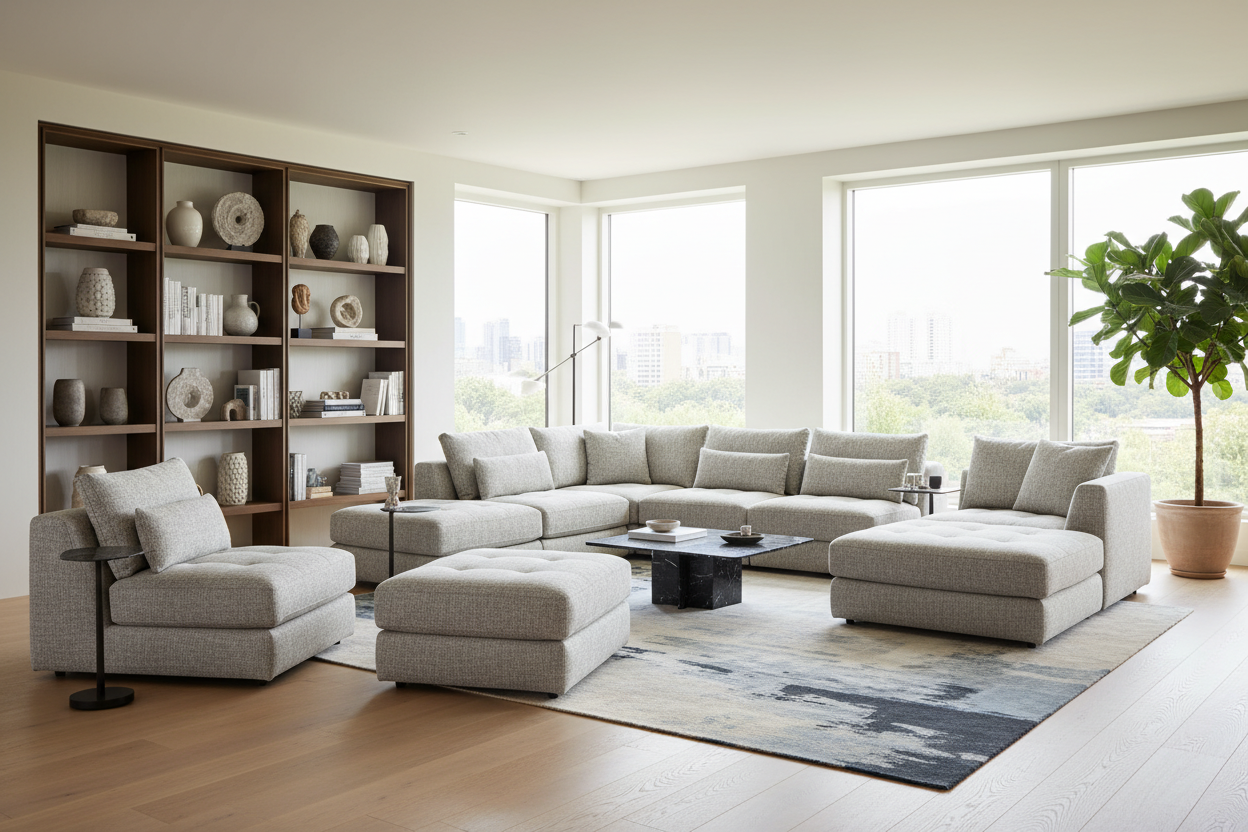
You have likely experienced the specific frustration of finding a sofa with the perfect silhouette, only to realize the chaise is on the wrong side or the length overwhelms your wall by a mere three inches. This is where the rigid nature of traditional upholstery fails modern living. The solution lies in curating a layout using individual sectional pieces. By moving away from static, pre-configured sets, you gain the architectural freedom to sculpt your seating to the room's unique footprint rather than forcing the room to accommodate the furniture.
Key Features to Look For
- Connector Quality: Ensure pieces use heavy-duty alligator clips or ratcheting connectors to prevent drifting.
- Frame Construction: Look for kiln-dried hardwood frames rather than plywood to ensure individual modules hold their shape over time.
- Seat Depth: For lounging layouts, aim for a depth of at least 24 inches; for formal sitting, 21-22 inches is ideal.
- Upholstery Continuity: Verify that the fabric pattern matches on all sides so individual piece sectional sofa modules can float freely in a room.
The Architecture of Flexibility
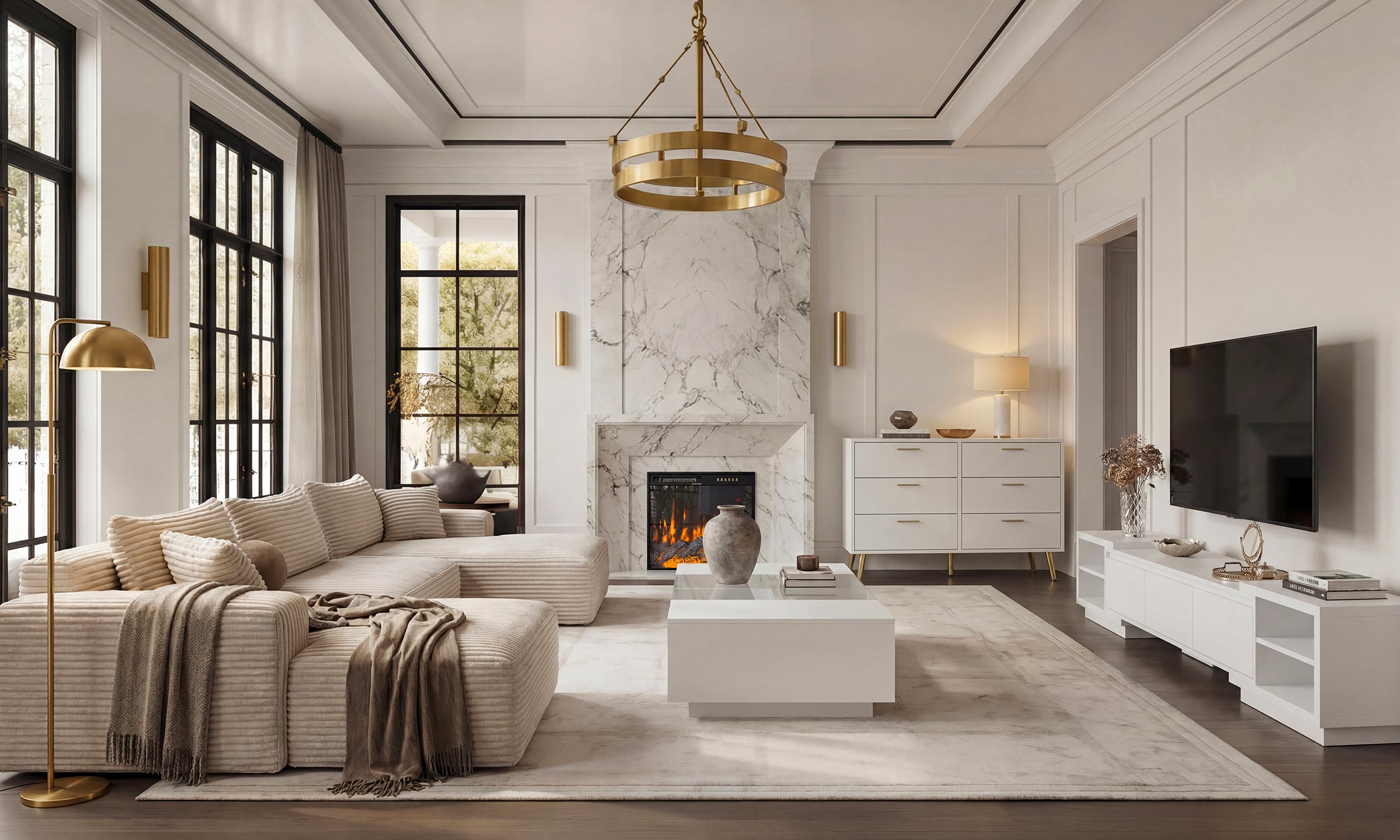
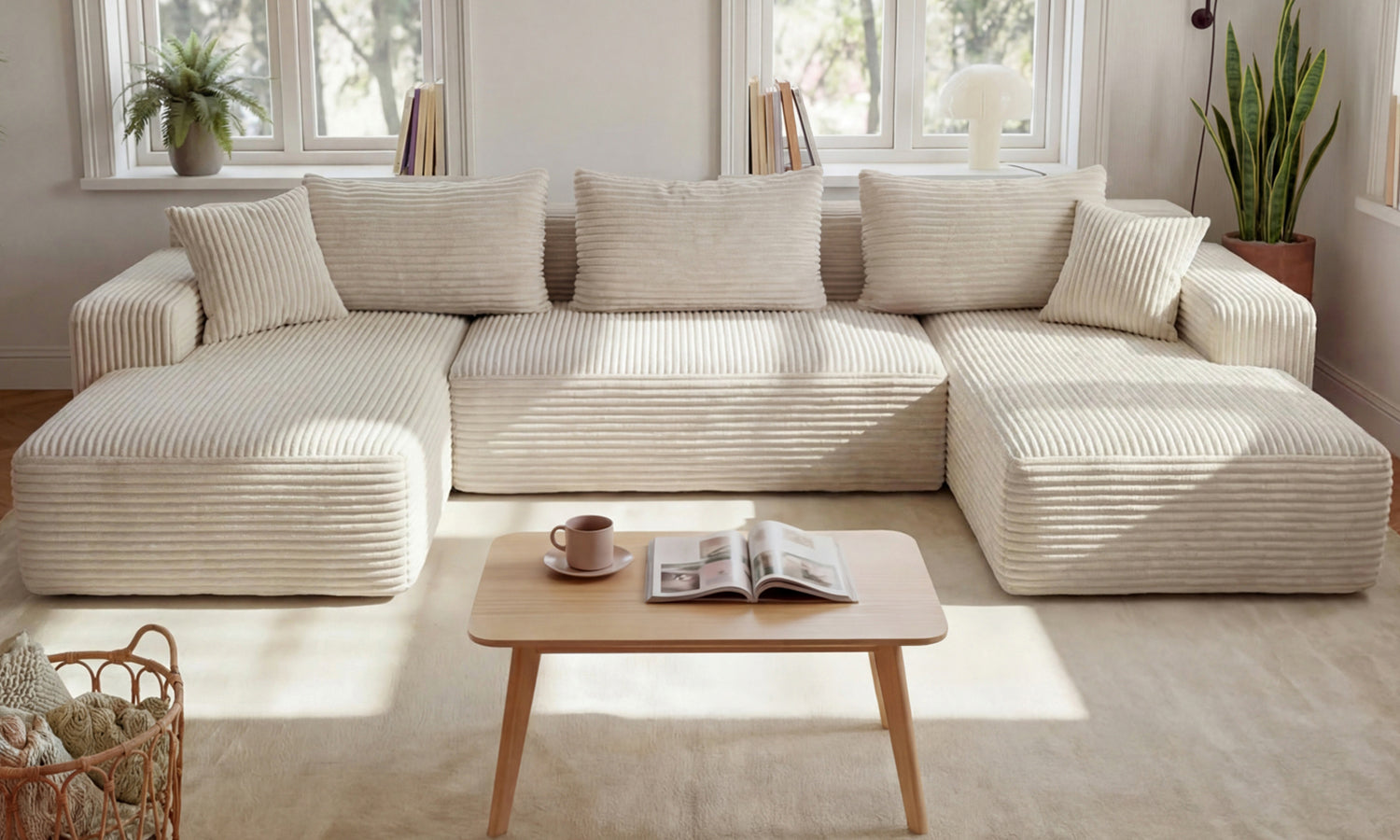
When we design high-end residential spaces, we treat furniture as architecture on a smaller scale. Utilizing individual modular sofa pieces allows us to break the grid. Unlike a standard L-shape, buying separate modules lets you create a "conversation pit" U-shape for media rooms or a linear, double-sided arrangement for open-concept lofts.
The primary advantage here is the ability to manipulate negative space. In a smaller apartment, utilizing armless individual couch pieces reduces visual bulk, making the ceiling feel higher and the flow less obstructed. Conversely, in expansive great rooms, we can use corner pieces to anchor the arrangement while leaving the perimeter open for traffic flow.
Material Integrity and "Dye Lot" Risks
One critical aspect often overlooked when sourcing sectional pieces sold separately is the dye lot. If you plan to purchase a core setup now and add an ottoman or corner chair next year, be aware that fabric batches change. A "Charcoal Velvet" from 2023 may have a slightly different undertone than the 2024 batch.
Fabric Performance
Since these modules are often rearranged, they suffer more friction on the sides than standard sofas. I always recommend high-performance fabrics with a Wyzenbeek rub count of over 50,000. Tightly woven chenilles or commercial-grade polyesters maintain their structure better than loose linens, which can sag on the corners of sectional couch individual pieces.
Ergonomics and Visual Balance
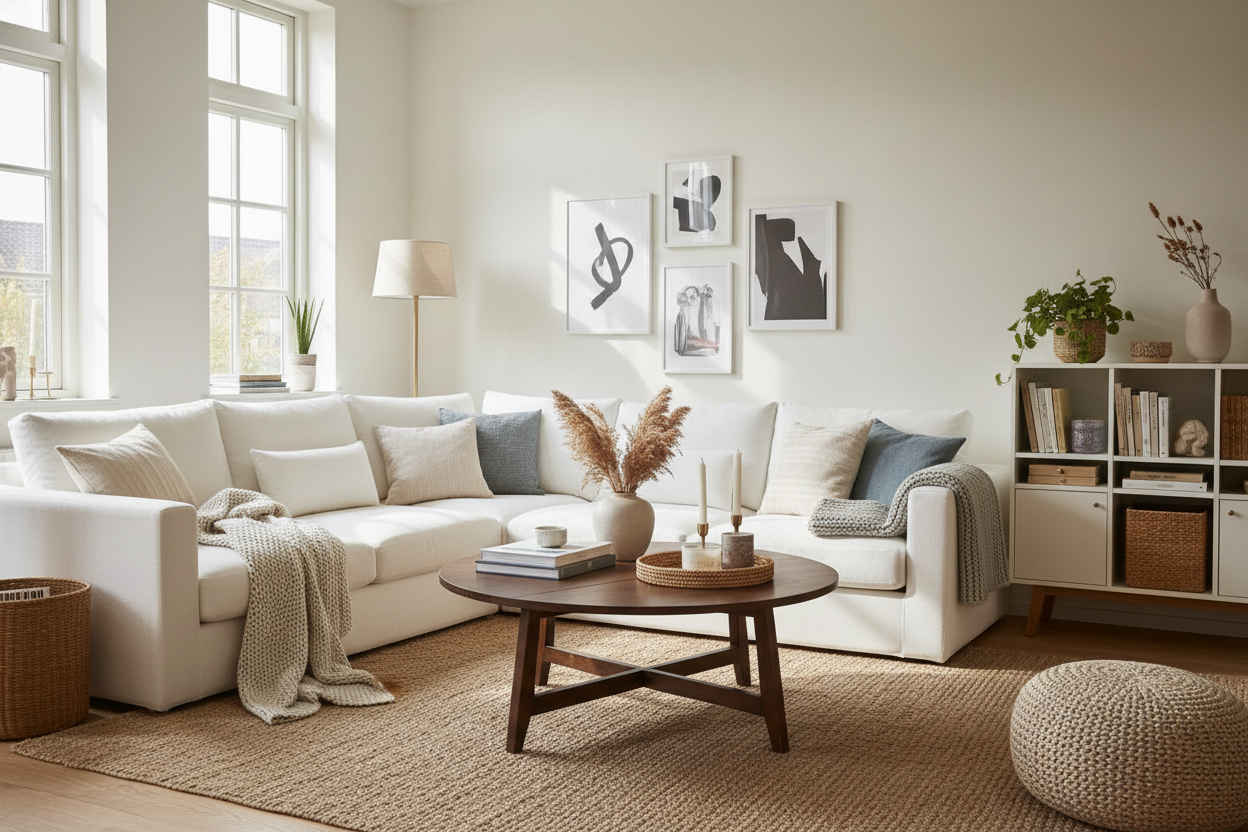
A common pitfall with modular furniture is the "boxy" look. To elevate the aesthetic, focus on the silhouette. If your modules are square and heavy, pair them with round coffee tables or organic accent chairs to soften the room's geometry. Furthermore, pay attention to the seat height. Because many individual pieces are designed for a low-slung, lounge aesthetic, they can sometimes be difficult for taller guests or older family members to exit gracefully. Always test the "sink" factor of the cushions.
Lessons from My Own Projects
I learned the hard way about the importance of floor grip during a project in a Tribeca loft. We installed a stunning, low-profile set of individual sectional pieces on polished concrete floors. It looked magazine-ready until the clients actually sat down. Without the friction of a rug, the lightweight armless modules began to drift apart immediately, creating annoying gaps between the cushions.
We had to retroactively install heavy-duty rubber non-slip pads on every single leg. Since then, I never specify these pieces for hard surfaces without checking the connector strength and the leg material first. Another detail I've noticed is that the corner piece always wears out faster than the rest because everyone naturally gravitates toward the arm support. In my own home, I rotate the armless center pieces every six months to ensure the foam density remains consistent across the entire sofa.
Final Thoughts on Curation
Investing in separate modules is an investment in future-proofing your home. Whether you move to a larger house or downsize to a city apartment, these pieces adapt with you. Focus on quality frames and neutral fabrics, and you will build a seating landscape that endures.
Frequently Asked Questions
How do I keep individual sectional pieces from sliding apart?
If the manufacturer's connectors aren't holding, you can purchase aftermarket universal sectional brackets. For hard floors, placing the furniture on a high-pile rug or using textured rubber furniture grippers is essential to stop the drift.
Can I mix different colors of individual modular sofa pieces?
Absolutely. A "tuxedo" look—where the base or corner pieces are a dark shade and the center pieces are lighter—is very chic. However, ensure the fabric texture remains the same (e.g., all velvet or all linen) to maintain a cohesive design language.
Are individual couch pieces suitable for small apartments?
Yes, they are often better than standard sofas because you can forego bulky arms. An armless arrangement saves 10-15 inches of horizontal space, maximizing seating area without overcrowding the room.

Leave a comment
This site is protected by hCaptcha and the hCaptcha Privacy Policy and Terms of Service apply.