

















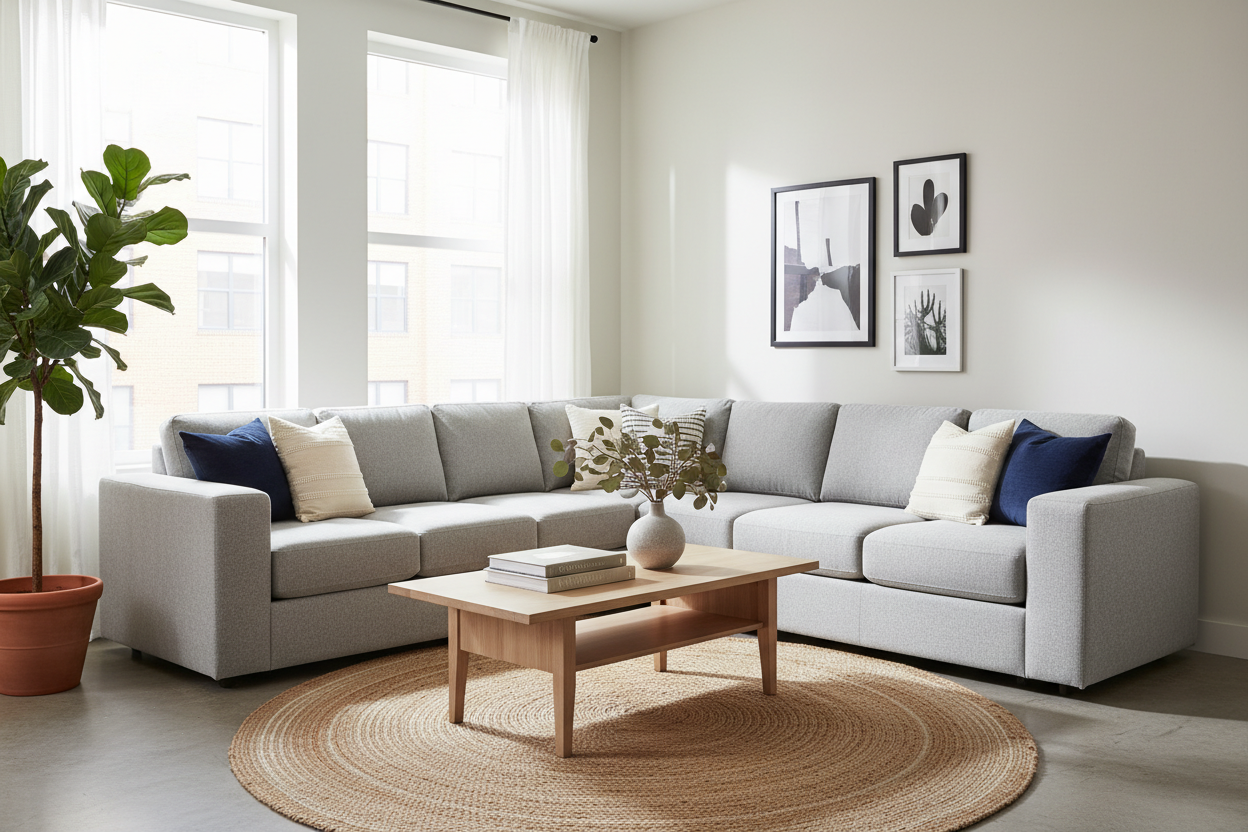
You have likely faced the dilemma: your living space has evolved, perhaps you have moved to a larger apartment or your family has grown, but your furniture feels stagnant. Rather than discarding a perfectly good foundation, the savvy design move is to leverage modularity. This is where the ikea couch extension shines, bridging the gap between a starter sofa and a permanent, high-end sectional arrangement.
Quick Decision Guide: Before You Buy
If you are looking to expand your current setup or hack a new configuration, keep these critical factors in mind to ensure structural integrity and visual harmony:
- Series Compatibility: Verify the model generation. IKEA updates dimensions slightly over the years (e.g., the old Karlstad vs. the new Landskrona); they are rarely cross-compatible.
- Connection Hardware: Ensure you have the specific C-clamps or bolts required to link the new module to the existing frame to prevent sliding.
- Fabric Dye Lots: New covers may look crisper and more vibrant than your existing ones. Consider replacing all slipcovers simultaneously for a seamless look.
- Traffic Flow: Adding a chaise or corner unit significantly alters the footprint. Ensure you maintain at least 30 inches of walking path around the extension.
Decoding the Modular Ecosystem
The beauty of a modular system lies in its ability to adapt to your lifestyle. When we discuss extending a sofa, we are usually looking at adding an ikea modular chair (a single seat section) or a chaise lounge to an existing loveseat or three-seater. This approach allows you to curate a bespoke silhouette without the lead times of custom furniture.
Achieving Visual Balance
When you add an extension, you alter the visual weight of the room. A common error I see is attaching a heavy, deep chaise to a visually light, leggy sofa. To maintain equilibrium, ensure the arm heights align perfectly. If you are working with a loveseat sectional ikea setup, consider placing the extension on the side of the room with less visual clutter—away from entryways—to anchor the space effectively.
Material Selection and Durability
The finish you choose dictates both the aesthetic and the longevity of the piece. For high-traffic family rooms, an ikea microfiber sectional setup is often the most pragmatic choice. Microfiber mimics the soft hand of suede but offers superior stain resistance and durability compared to standard cotton weaves.
However, from a design perspective, texture is paramount. If your extension makes the sofa look too uniform or "blocky," break up the mass with textured throw pillows or a contrasting throw blanket. The goal is to make the extension look intentional, not like an afterthought.
Scaling for Compact Interiors
Not every extension requires a massive footprint. In urban apartments, creating an ikea mini sectional is a brilliant way to maximize seating without overwhelming the square footage. By removing an armrest and adding an open-ended ottoman or a corner section, you create a "social corner" that invites conversation.
This layout works exceptionally well in open-plan spaces where you need to define the living area separate from the dining zone. The back of the sofa acts as a low wall, creating a subtle room divider that preserves sightlines.
Lessons from My Own Projects: The "Dye Lot" Trap
I want to share a specific challenge I encountered while renovating a client's loft in Brooklyn. We decided to extend their two-year-old Söderhamn sofa by adding a corner section. On paper, it was a perfect match—same series, same color code.
However, once we clamped the new module to the old one, the difference was glaring. The existing fabric had undergone subtle UV fading from sunlight exposure, and the foam in the seat cushions had softened and compressed about half an inch. The new extension sat higher and looked significantly darker.
The fix? We couldn't just replace the fabric. We actually had to unwrap the new cushion foam and walk on it (yes, literally) to break down the stiffness so it would match the "sit" of the older pieces. We also ended up purchasing a full set of third-party linen covers to mask the color variance. If you are extending a piece you have owned for more than a year, anticipate these subtle inconsistencies.
Conclusion
Extending your sofa is about more than just adding seating; it is about reimagining how you interact with your home. whether you are building a sprawling lounge area or a compact reading nook, focus on the flow and the tactile experience. With the right planning, your modular upgrade can look like a high-end custom commission.
Frequently Asked Questions
Can I mix different IKEA series to create a custom sectional?
Generally, no. Seat heights, depths, and connection mechanisms vary significantly between series (e.g., trying to attach a Kivik chaise to a Finnala sofa). It is best to stick to one family or use a standalone ottoman if you need to mix styles.
How do I clean an IKEA microfiber sectional extension?
Microfiber is incredibly resilient. For spot cleaning, use a damp cloth with a mild water-based solvent. Avoid saturating the fabric, as water rings can form. Most IKEA covers are removable and machine washable, but always check the specific tag for temperature guidelines to prevent shrinking.
Is an IKEA mini sectional suitable for sleeping guests?
While not a dedicated sleeper sofa, many modular configurations are deep enough to serve as a guest bed, especially if you remove the back cushions. Series like the Söderhamn are particularly popular for this due to their deep seat depth and flat surface.


Leave a comment
This site is protected by hCaptcha and the hCaptcha Privacy Policy and Terms of Service apply.