

















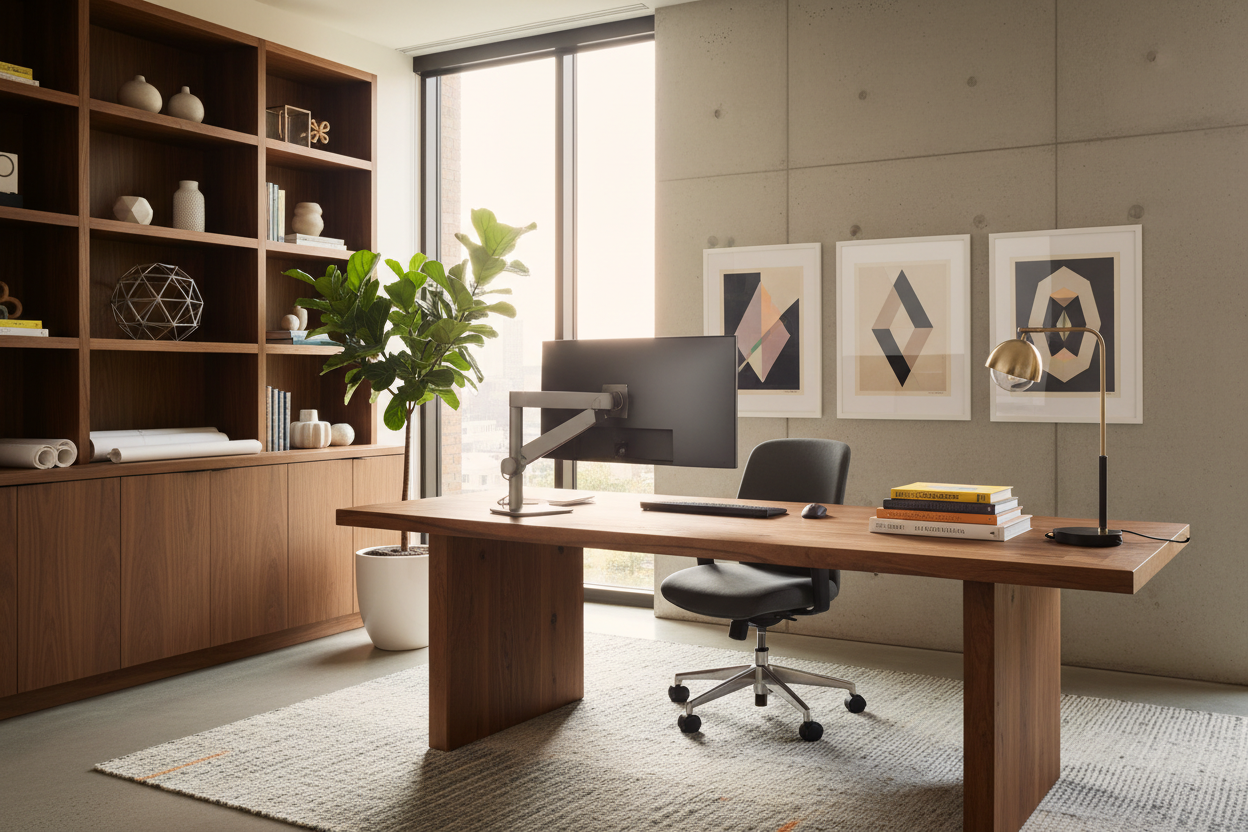
Many homeowners treat their workspace furniture as an afterthought, repurposing a dining table or buying the first flat-pack option they see. This is a missed opportunity. A curated design work desk does more than hold your laptop; it anchors your room's aesthetic and dictates your physical comfort for eight hours a day. Whether you are carving out a niche in a studio apartment or outfitting a dedicated study, the right piece balances architectural beauty with rigorous functionality.
Key Features to Look For
- Surface Material: Look for durability against heat (laptops) and liquids (coffee). Solid wood or high-pressure laminate often outperforms glass.
- Ergonomic Height: The standard is 29 to 30 inches, but adjustable options are superior for long-term health.
- Cable Management: Integrated grommets or hidden channels are essential for maintaining a clean visual line.
- Leg Clearance: Ensure the apron (the bar under the surface) doesn't restrict your thigh movement or chair armrests.
Choosing the Right Material for Longevity
As a designer, I always start with material selection because it dictates the desk's tactile experience. For home working desk ideas that require warmth and gravitas, walnut or white oak are premier choices. They develop a patina over time that adds character.
However, if you are looking for modern desk design ideas that feel lighter in a room, consider tempered glass or lacquered finishes. Be warned: while glass minimizes visual weight—making a room feel larger—it is high maintenance regarding fingerprints and dust. For a home office table design that doubles as a crafting area, avoid softwoods like pine, which dent easily under the pressure of a ballpoint pen.
Balancing Aesthetics and Function
The Executive vs. The Minimalist
Your choice of silhouette should reflect your workflow. Executive desk design ideas traditionally feature a heavy, dual-pedestal base with ample storage. These command attention and work best as a floating focal point in the center of a room. Conversely, unique home office desk ideas often lean toward sculptural, trestle, or Parsons styles. These are visually lighter but often lack drawers, necessitating a separate credenza for storage.
Space Planning and Layout
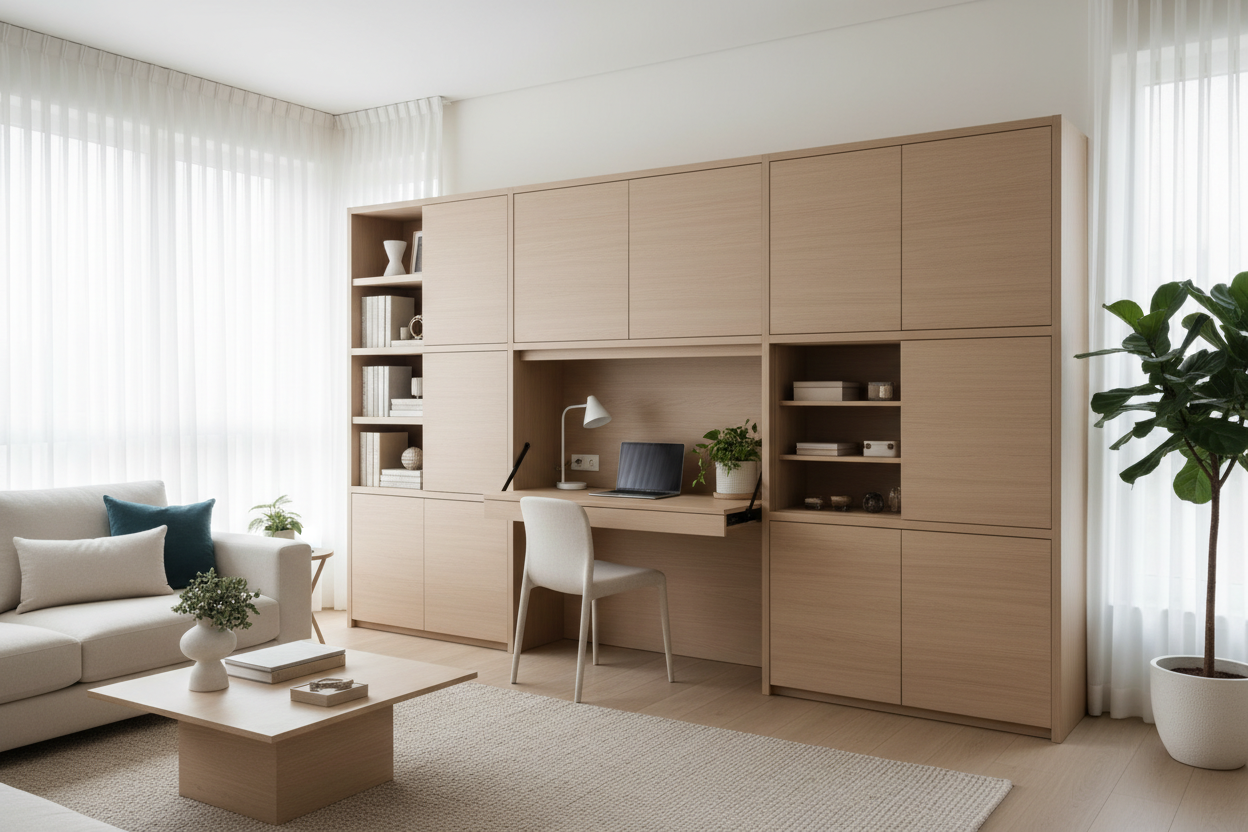
The placement of your furniture is just as critical as the piece itself. When exploring at home office desk ideas, try to position the desk perpendicular to a window. This maximizes natural light without creating the glare on your screen that occurs when the window is behind you. If you are tight on square footage, look for desk design for home layouts that utilize vertical space, such as secretary desks or wall-mounted ladder units.
My Personal Take on design work desk
I learned a hard lesson early in my career regarding texture. I once specified a stunning, wire-brushed oak desk for a client who did a lot of handwritten sketching. While the desk looked incredible in photos, the textured grain made it impossible to draw a straight line or write smoothly on a single sheet of paper without a blotter. It was a functional failure despite being an aesthetic triumph.
Another detail I always check now is the "knee-knock" factor. I recently tested a sleek, mid-century modern replica where the drawers were too shallow, and the support bar underneath hit my knees every time I swiveled my chair. Now, I physically sit at every desk I recommend to clients to ensure the clearance accommodates crossed legs and standard chair heights. It is these unpolished, practical realities that determine if a desk is actually livable.
Conclusion
Investing in a high-quality desk is an investment in your productivity and your home's atmosphere. By prioritizing material integrity and ergonomic fit over fleeting trends, you create a workspace that invites you to sit down and focus. Explore these work desk design ideas and select a piece that feels like a permanent part of your home's architecture.
Frequently Asked Questions
What is the ideal depth for a home office table?
For a standard laptop setup, 24 inches is sufficient. However, if you use multiple monitors or require space to spread out papers, look for home office table ideas with a depth of at least 30 inches to prevent eye strain.
How do I maintain a solid wood desk?
Dust regularly with a microfiber cloth and use a coaster for all beverages. Every 6 to 12 months, apply a high-quality furniture wax or oil to nourish the wood and protect it from drying out or cracking.
Can I use a dining table as a desk?
Yes, this is a common design pivot. However, dining tables are often slightly higher (30 inches) than ergonomic desks (28-29 inches). You may need an adjustable chair or a footrest to maintain proper posture.

Leave a comment
This site is protected by hCaptcha and the hCaptcha Privacy Policy and Terms of Service apply.