

















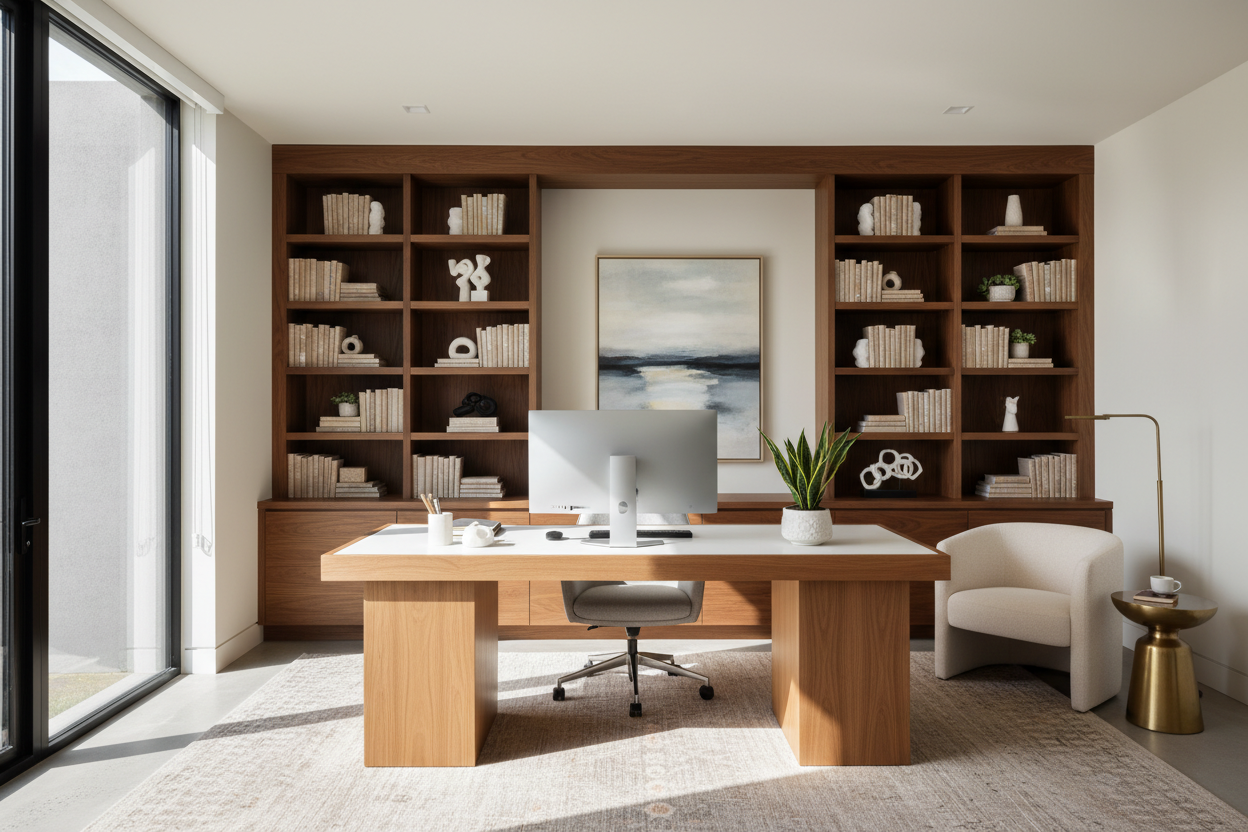
We have all experienced the fatigue of working in a makeshift environment—the dining table that hurts your back or the spare corner with poor lighting that strains your eyes. The distinction between a space where you merely work and a space that works for you lies in intentional planning. When we approach the concept of design and office integration, we aren't just selecting a desk; we are curating an ecosystem for focus.
Whether you are tackling a corporate retrofit or simply trying to figure out how to design an office space at home, the principles of ergonomics, visual balance, and material durability remain constant. This guide will walk you through the professional process of creating a workspace that marries sophisticated aesthetics with rigorous functionality.
Key Features to Look For
Before tearing down walls or purchasing a task chair, consider these core pillars of successful office space design. These elements define the longevity and comfort of your workspace.
- Ergonomics & Posture Support: Look for adjustable lumbar support, seat depth, and monitor height capabilities.
- Material Durability: Distinguish between solid hardwoods (longevity) and high-pressure laminates (scratch resistance).
- Lighting Layers: Ensure a mix of ambient (overhead) and task lighting (focused) to reduce eye strain.
- Acoustics: Consider soft furnishings or acoustic panels to dampen echo, especially in minimalist designs.
- Traffic Flow: Maintain at least 36 inches of clearance behind desks for comfortable movement.
Space Planning: The Foundation of Good Office Design
When designing an office, the layout is the skeleton upon which everything else rests. A common error I see when homeowners attempt to "design my office" is pushing all furniture against the walls. This creates a "dead zone" in the center of the room and often leaves the user facing a blank wall.
The Command Position
In professional workplace office design, we often utilize the "command position." Orient your desk so you have a view of the door but aren't directly in line with it. This reduces subconscious anxiety and allows you to manage interruptions. If you are designing an office building suite or a small study, floating the desk in the center of the room (if space permits) anchors the area and elevates the aesthetic instantly.
Zoning Your Workflow
Effective design of office space requires zoning. Create a distinct "active zone" for computer work and a "passive zone" for reading or reviewing documents. This might mean placing a comfortable lounge chair in a corner with a floor lamp. This physical separation helps mentally switch gears between deep focus and creative contemplation.
Materiality and Texture: Beyond the Look
The tactile experience of your office setup design is just as vital as the visual. When acting as an office decorator for high-end clients, I emphasize materials that age gracefully.
Solid Wood vs. Veneer vs. Laminate
If you want a designed office that exudes authority, solid wood (walnut or oak) is the gold standard. It creates a warm, organic silhouette and can be refinished. However, for high-traffic surfaces where you might be sketching or using markers, a high-quality matte laminate or Fenix material offers superior resistance to micro-scratches and fingerprints. Avoid cheap thermofoils; they tend to peel at the edges within a few years.
Lighting: The Unsung Hero of Design Work Office Spaces
You cannot have a good office design without addressing light. Relying solely on a ceiling can creates harsh shadows that induce fatigue. To properly design your office, you need to layer light.
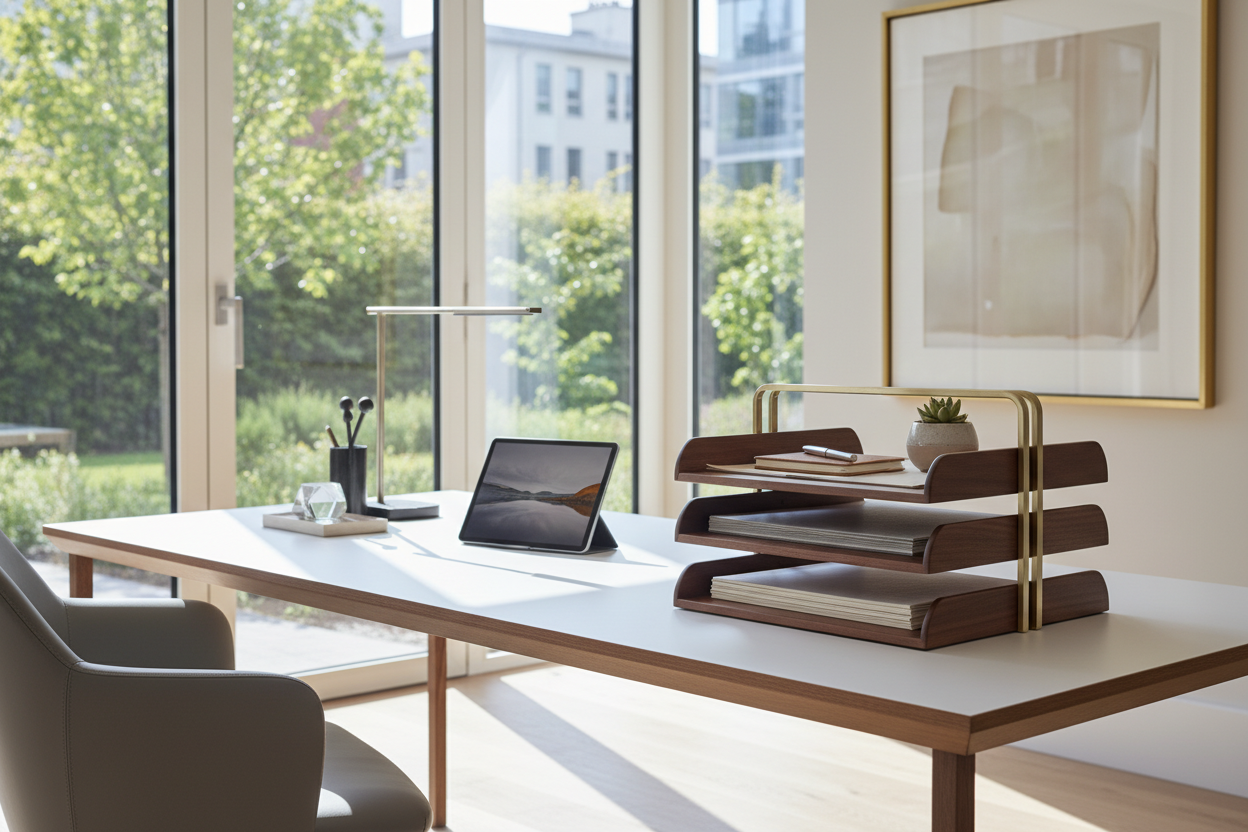
Start with a high CRI (Color Rendering Index) overhead fixture to mimic natural daylight. Supplement this with an articulated task lamp. From a styling perspective, the lamp acts as functional jewelry for the desk. Brass or matte black finishes can add a necessary contrast to wood grain surfaces.
Lessons from My Own Projects: The "Cable Chaos" Reality
I want to share a candid realization from a project I completed last year in a downtown loft. The client wanted a floating glass desk—an absolute stunner visually. We nailed the design of office aesthetics perfectly. However, three days after installation, the client called me in frustration.
The issue? Cables. With a glass desk and nowhere to hide the wires for the monitor, laptop, and lamp, the beautiful silhouette looked like a spaghetti factory. It was a functional failure. I had to go back and custom-install a floor-mounted power monument and use clear cable spines to manage the cords.
My personal take on design and office layouts is this: Never buy a desk without flipping it over or inspecting the back. If it doesn't have a dedicated wire management trough or grommets, you are signing up for a cluttered look. Real life involves chargers and ethernet cables; your furniture must accommodate that reality, not fight it.
Conclusion
Whether you are looking to design office workspace environments for a team or a private study for yourself, remember that the best spaces evolve. Start with a solid layout, invest in touch-points (chair and desk surface), and ensure your lighting supports your eyes. A well-executed office isn't just about impressive decor; it's about creating a container for your best work.
Frequently Asked Questions
How much space do I actually need to design a office at home?
Ideally, you need a minimum of 60 to 70 square feet to accommodate a standard desk and chair comfortably. However, if you are designing my office in a closet or nook (a "cloffice"), you can work with depths as shallow as 24 inches, provided you use wall-mounted storage to keep the floor clear.
Is an office designer necessary for a single room?
You don't necessarily need a full office design build firm for a single room. However, consulting an office space designer or interior specialist can save you money on mistakes—like buying a desk that is too large for the doorway or a chair that scratches your hardwood floors.
How do I make a small office look bigger?
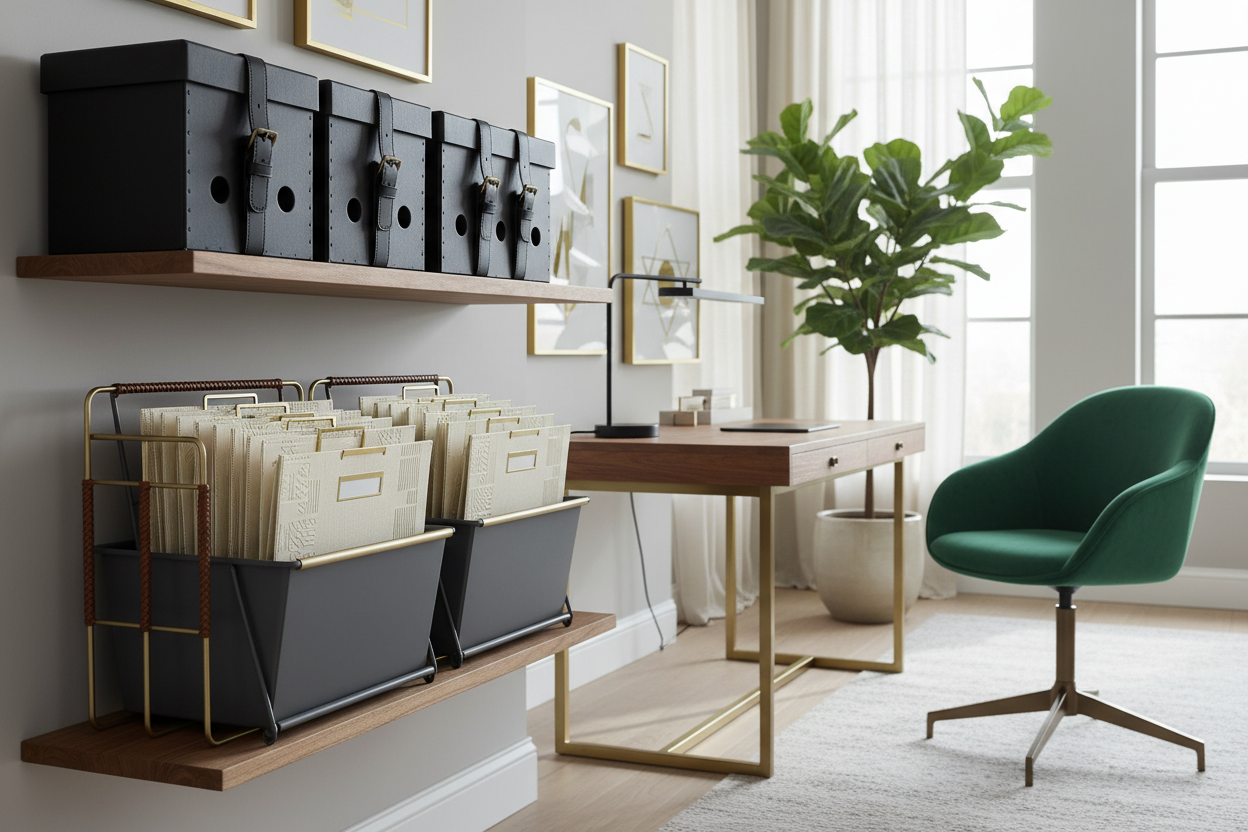
When designing an office space that is compact, utilize verticality. Tall bookcases draw the eye upward. Additionally, choosing a desk with "legs" rather than a solid block or pedestal base increases visible floor space, making the room feel airier and less congested.

Leave a comment
This site is protected by hCaptcha and the hCaptcha Privacy Policy and Terms of Service apply.