

















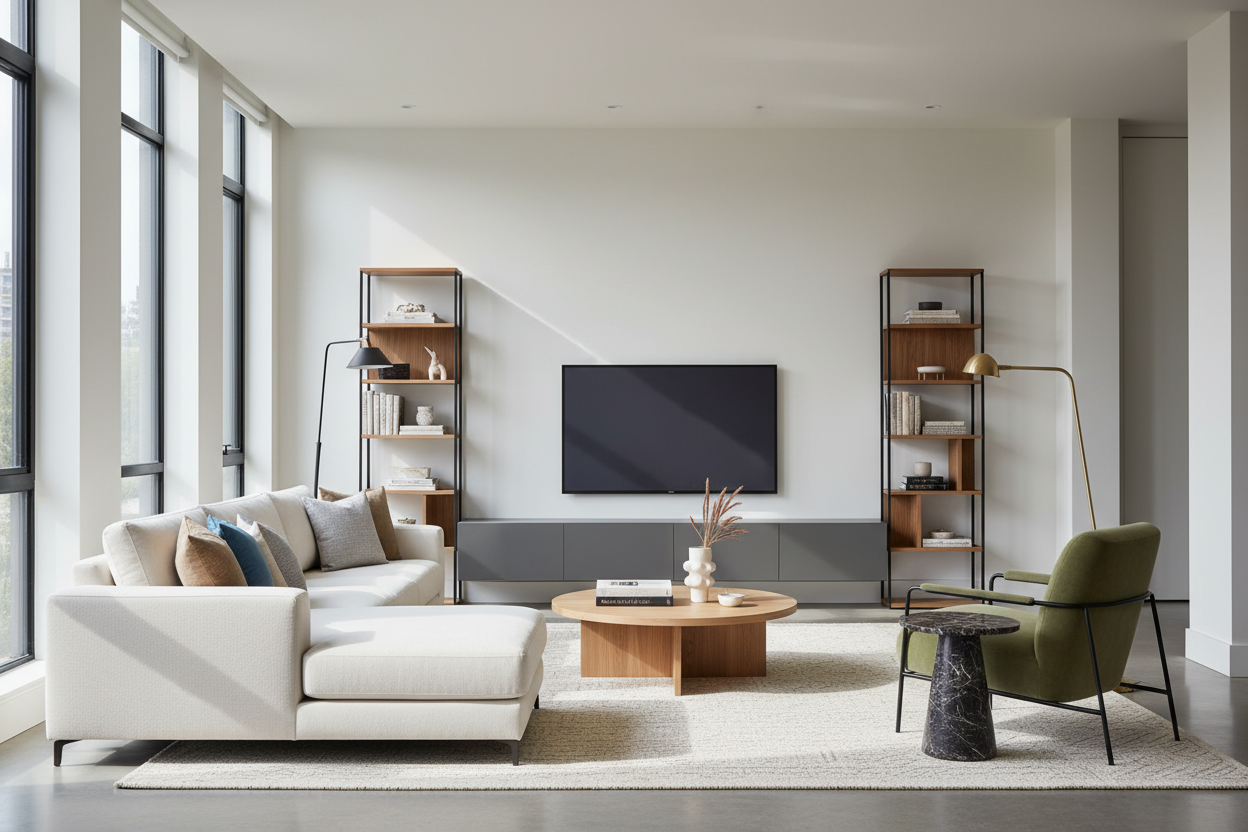
Walking into a showroom or browsing a high-end catalog can feel like learning a new language. Is that low-profile piece a credenza, a sideboard, or a buffet? Does your space require a sectional or a modular sofa? As an interior designer, I see homeowners hesitate constantly because they aren't confident in the terminology. Understanding correct living room furniture names is more than a vocabulary lesson; it is the foundation of communicating your vision and purchasing pieces that actually fit your lifestyle.
Quick Decision Guide: Key Selection Features
Before we dive into the glossary of specific pieces, use this checklist to evaluate any potential purchase. These are the core factors I use when curating a client's home:
- Scale and Proportion: Ensure the furniture silhouette doesn't overwhelm the room's square footage. A heavy Chesterfield sofa requires a larger visual footprint than a mid-century modern settee.
- Upholstery Durability: Look for double-rub counts over 30,000 for high-traffic areas. Performance velvets and top-grain leathers offer longevity.
- Joinery Techniques: Quality pieces use kiln-dried hardwood frames with mortise-and-tenon joinery, not staples or glue.
- Functionality: Define the piece's primary role. Is it for lounging (deep seat depth) or formal conversation (upright back)?
The Anchor Pieces: Primary Seating Names
The seating arrangement dictates the flow of the room. When discussing the names of living room furniture with a vendor, precision matters.
The Sofa vs. The Sofa Bed vs. The Settee
While often used interchangeably, these have distinct design implications. A standard sofa typically seats three or more people. A settee is a narrower seat, usually for two, with a more upright posture and visible legs—perfect for small alcoves but often too stiff for a primary TV-watching zone. If you are looking for dual-functionality, a sleeper sofa (or sofa bed) hides a mattress within the frame, though be warned: the mechanism adds significant weight and can alter the seat comfort.
Sectionals and Modulars
For larger open-concept spaces, a sectional provides the necessary weight to ground the room. A chaise sectional includes an extended seat for lounging, while a modular sofa consists of individual blocks that can be reconfigured. This is a crucial distinction; if you move frequently, modular pieces offer far more versatility than a fixed L-shape frame.
Surface and Storage: Beyond the Coffee Table
A comprehensive list of furniture in living room designs must include the hard surfaces that provide utility and style.
The Console vs. The Credenza
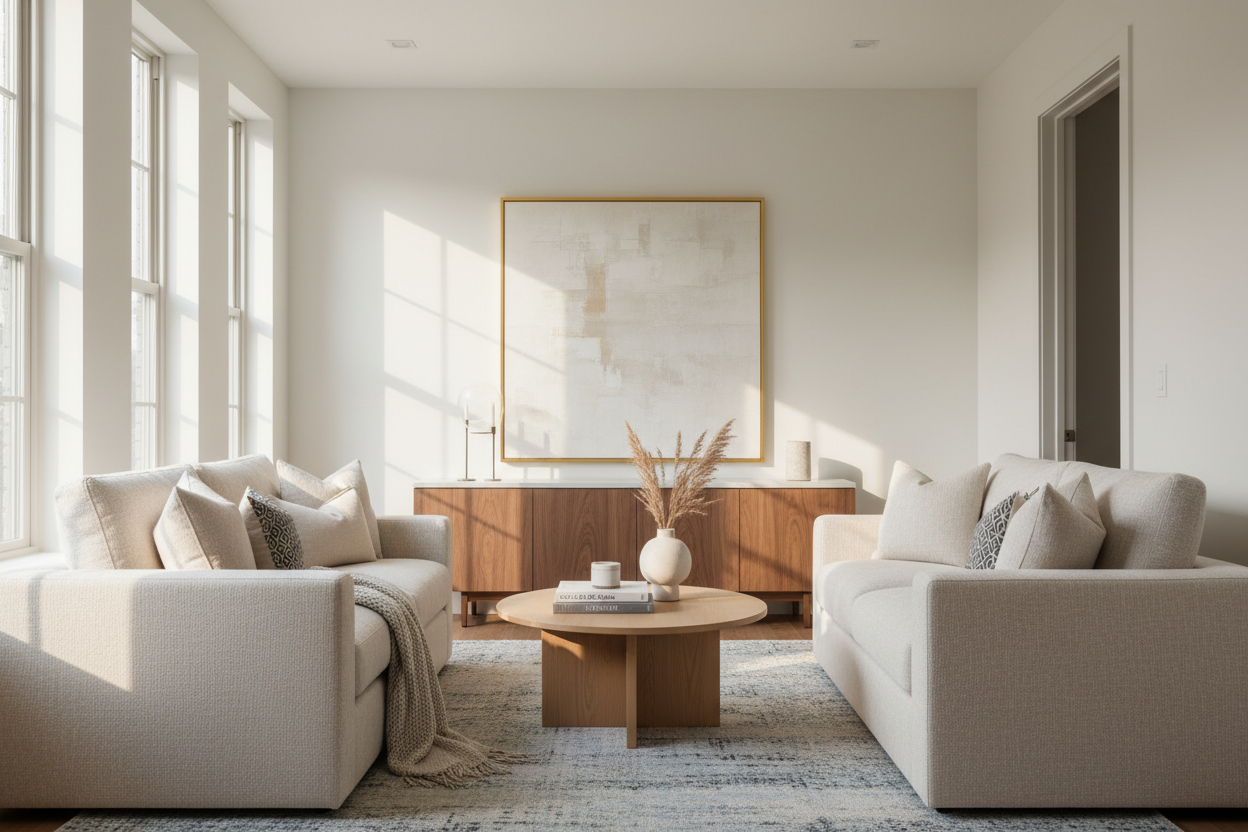
This is a common point of confusion. A console table is typically tall, narrow, and open, placed behind a floating sofa or in an entryway. Conversely, a credenza (or sideboard) is a low, long cabinet used for storage. In modern design, we often use a credenza under a mounted television to hide media components and anchor the wall, whereas a console would leave the wiring exposed.
Accent Tables
Layering is key to a luxury look. Beside the main seating, we place end tables or side tables. A nesting table is a brilliant solution for tight spaces, allowing you to expand surface area when entertaining guests and tuck it away afterward.
My Personal Take on Living Room Furniture Names
In my fifteen years of designing residential spaces, I’ve learned that the name on the tag doesn't always match the reality of living with the piece. I once specified a stunning "Belgian Track Arm Sofa" for a client. It looked impeccable in the renderings.
However, I learned a hard lesson about the term "bench seat" (a single long cushion) versus individual cushions. While the bench seat looked cleaner and more architectural, my client called me three months later. The fabric had developed a "puddle" or ripple in the center because there were no individual cushions to flip or rotate to distribute the wear. Now, when I discuss furniture names with clients, I don't just define the silhouette; I explain the maintenance reality. If you choose a bench seat sofa, you must be prepared to steam and dress it weekly. It’s these unpolished details that separate a showroom look from a livable home.
Conclusion
Mastering the lexicon of design empowers you to curate a home that feels intentional. Whether you are hunting for a vintage étagère or a custom modular sectional, knowing the correct terminology ensures you get exactly what your space requires. Don't just fill a room; compose it.
Frequently Asked Questions
What is the difference between an ottoman and a pouf?
An ottoman is generally a structured piece of furniture with a solid frame and legs, often used as a coffee table substitute or footrest. A pouf is essentially a solid cushion that sits directly on the floor without a rigid internal frame, offering a more casual aesthetic.
Is there a definitive list of living room furniture every home needs?
While there is no one-size-fits-all rule, a functional baseline includes: a primary seating vessel (sofa/sectional), a coffee table (or ottoman with a tray), at least one accent chair for conversation balance, and a media console or credenza for storage.
How do I choose between a side table and a C-table?
A standard side table sits next to the sofa arm. A C-table is designed with a cantilevered base that slides under the sofa, allowing the surface to hover over your lap. C-tables are superior for small spaces or for those who work on laptops in the living room.

Leave a comment
This site is protected by hCaptcha and the hCaptcha Privacy Policy and Terms of Service apply.