

















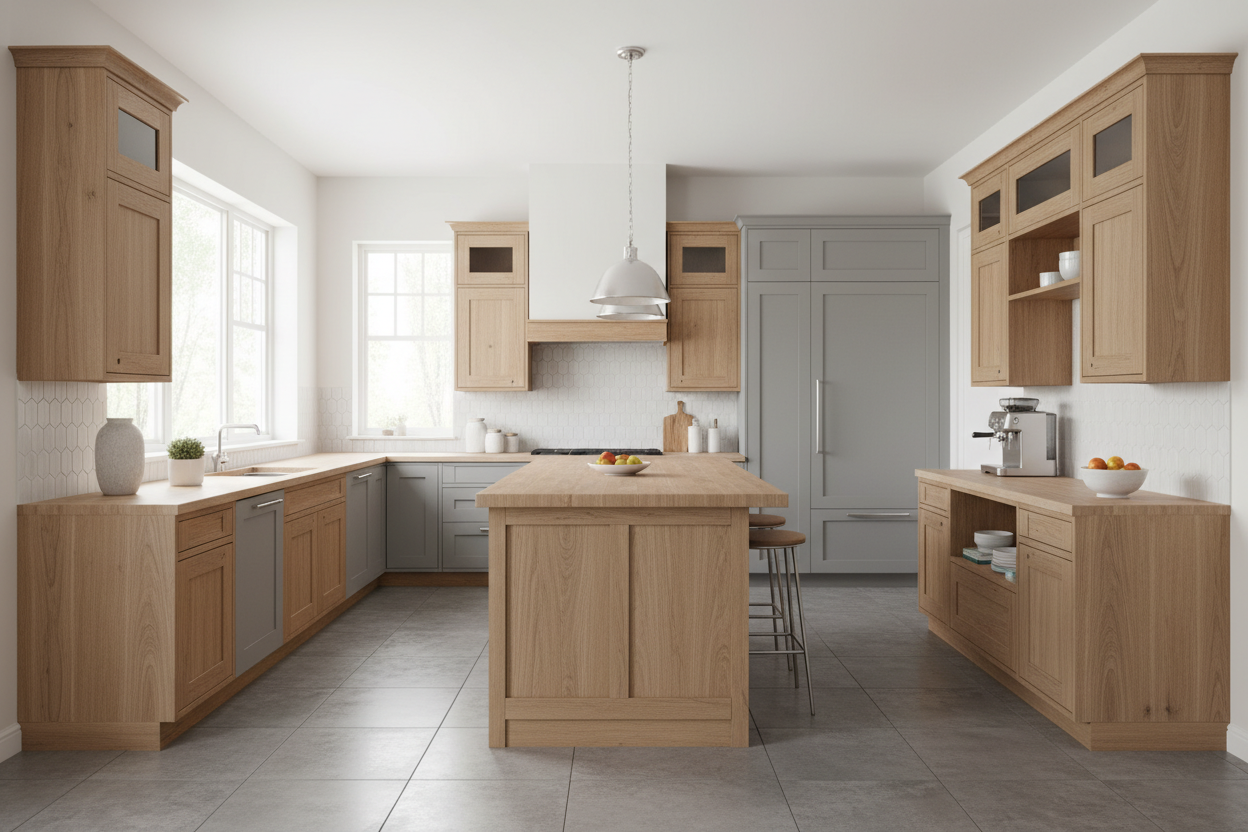
I remember walking into a client's kitchen last year where they'd installed Kraftmaid unfinished cabinets themselves. The boxes were solid, but the finish was patchy, the doors didn't align, and the whole space felt half-done. They'd been drawn to the customization promise but hadn't anticipated the reality. That's what we're tackling today: how to make these cabinets work for you, not against you.
Quick Takeaways
- Kraftmaid's construction quality is the hidden advantage—dovetail drawers and full-extension slides come standard.
- Finishing requires specific preparation; skipping steps leads to visible flaws.
- Plan for 36-inch walkways between cabinets and islands for functionality.
- Professional finishing often costs 30-50% of cabinet price but ensures durability.
- Unfinished cabinets need more maintenance than pre-finished options.
Why Kraftmaid Unfinished Cabinets Aren't Just a Blank Canvas
When you open a Kraftmaid unfinished cabinet box, you're getting more than raw wood. I've installed hundreds of cabinets, and what makes Kraftmaid stand out is their construction. They use ¾-inch plywood boxes with ¼-inch plywood backs—not particleboard. Their dovetail drawer boxes are ½-inch solid maple, and they include full-extension drawer slides as standard. This matters because even if you're finishing them yourself, you're starting with a quality foundation.
Their standard sizing fits North American kitchens perfectly. Base cabinets are 34½ inches tall (plus countertop), wall cabinets come in 12, 15, 18, 24, 30, and 36-inch heights. This standardization means you can mix unfinished with pre-finished cabinets if needed. I recently designed a kitchen where we used unfinished lowers with pre-finished uppers—the consistency in sizing made it seamless.
The Hidden Challenges Most Homeowners Don't Anticipate
The biggest surprise for clients is the finishing process. You can't just slap on paint. The wood needs proper sanding (start with 120-grit, finish with 220), cleaning, and priming. I've seen beautiful maple cabinets ruined because someone used the wrong primer. For techniques, I often reference guides like Choosing The Perfect Unfinished Makeup Vanity—the preparation principles are similar.
Hardware integration is another pitfall. Kraftmaid uses standard 35mm cup hinges, but if you're drilling holes yourself, measure twice. I keep a template for 3-inch center-to-center pulls. Also consider that unfinished cabinets don't come with adjustable shelves—you'll need to finish those separately. The time investment is real: finishing a 10x10 kitchen takes 40-60 hours of work, spread over a week.
Making Them Work in Your Actual Kitchen
Integration starts with your existing elements. If you have oak floors, consider matching the stain. I worked with a family who had quartz countertops with subtle gray veining—we stained the cabinets a light gray that picked up those tones. Functionality means thinking about daily use: place cabinets for pots and pans near the stove, dishes near the dishwasher.
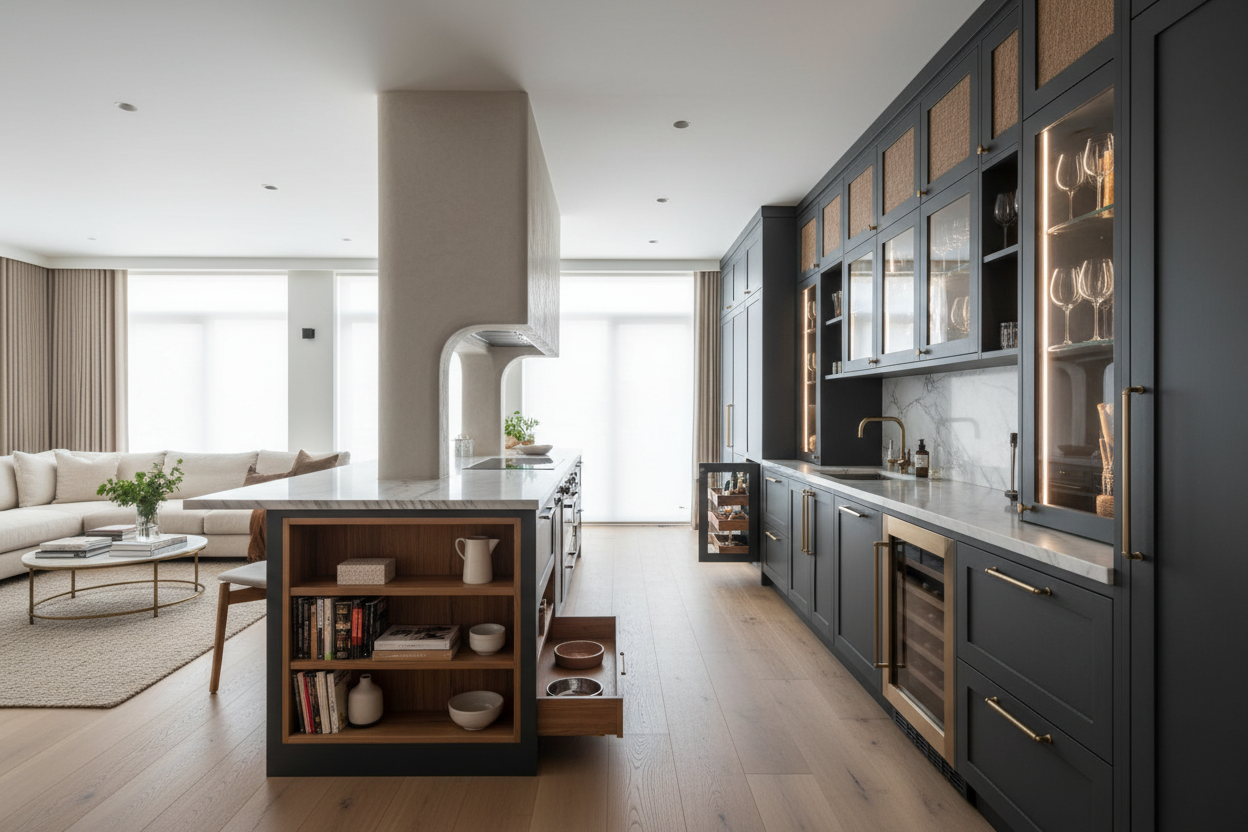
For storage solutions, consider complementing with specialized units. I often suggest checking a Pantry Cabinets Collection for inspiration on how to maximize vertical space. In a recent project, we paired unfinished base cabinets with a floor-to-ceiling pantry cabinet we finished to match—it created a custom look without custom prices.
The Professional Finish vs. DIY Approach
Here's my honest take: unless you have finishing experience, hire a professional. A pro uses spray equipment that applies even coats, knows how to handle grain raise, and can complete a kitchen in 3-4 days. DIY typically takes 2-3 weeks of evenings and weekends. Cost-wise, professional finishing runs $75-$150 per cabinet door, plus $50-$100 per drawer front. For a typical kitchen, that's $2,000-$4,000.
I tried finishing cabinets myself early in my career. The brush marks were visible, the stain was uneven in corners, and within a year, wear spots appeared. Now I work with a finisher who uses conversion varnish—it's more durable than polyurethane and dries harder. The difference in longevity is significant.
Long-Term Considerations Beyond the Initial Project
Unfinished cabinets require more maintenance than pre-finished. The factory finish on pre-finished cabinets is typically catalyzed varnish applied in controlled conditions—it's more resistant to moisture and wear. With your finish, you'll need to re-coat high-use areas every few years. In a family kitchen, that means around the sink and on frequently opened drawers.
Different cabinet types need different approaches. For example, when considering Shoe Cabinets Collection for other rooms, note that kitchen cabinets face more moisture and temperature changes. Use a quality sealer on all surfaces, including interiors. I recommend water-based polyurethane for its low odor and quick drying, but oil-based provides slightly better protection.
Is the Creative Freedom Actually Worth It?
For some clients, absolutely. I worked with an artist who wanted a specific cerulean blue that no manufacturer offered. We achieved it with unfinished cabinets. For others, the customization isn't worth the effort. If you want a standard maple or cherry finish, Kraftmaid's pre-finished options might be better.
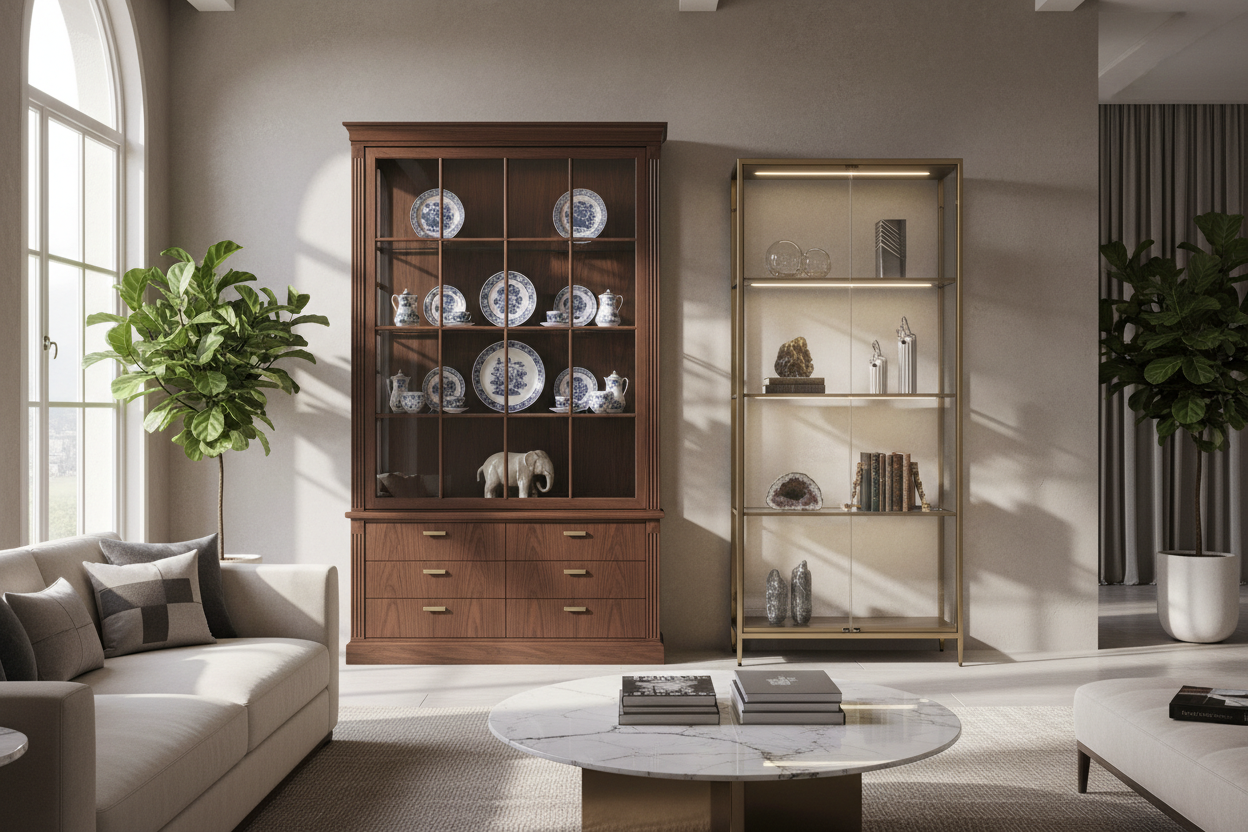
Consider your kitchen type. In a busy family kitchen where spills happen daily, the durability of factory finishes might outweigh customization. For a showpiece kitchen or when matching existing furniture, unfinished makes sense. Look at how professional finishing elevates functionality in pieces like a Reception Desk With Display Cabinets—the same principles apply to kitchens.
Frequently Asked Questions
How long do unfinished cabinets last compared to pre-finished?
With proper finishing and maintenance, they can last just as long—20+ years. The difference is in the maintenance schedule. Pre-finished might need touch-ups after 10 years; your finish might need them after 5-7.
Can I mix unfinished and pre-finished cabinets?
Yes, if they're from the same line. Kraftmaid's sizing is consistent. I often do this with island cabinets (unfinished for a contrast color) and perimeter cabinets (pre-finished for durability).
What's the actual time commitment for finishing?
For a 10x10 kitchen: 8-10 hours for prep (sanding, cleaning), 4-6 hours per coat (stain plus 2-3 topcoats), with drying time between. Total active time: 20-30 hours over 5-7 days.
Do I need special tools?
Beyond basic sanders and brushes, a tack cloth for dust removal is essential. For best results, consider renting a spray system ($50-$100/day) or hiring the spraying out.

Leave a comment
This site is protected by hCaptcha and the hCaptcha Privacy Policy and Terms of Service apply.