



One of the most persistent challenges I encounter when designing urban apartments or multi-purpose family rooms is the battle against visual noise. Clutter kills the vibe of a room faster than poor lighting. This is usually the moment a client asks about the ikea sectional with storage. It is a piece that promises the holy grail of interior design: high functionality without sacrificing the floor plan. But as a designer who has specified high-end custom joinery and budget-friendly retail pieces alike, I know that buying from a big-box retailer requires a discerning eye. It is not just about buying a sofa; it is about curating a layout that works for your specific lifestyle.
Quick Decision Guide: What to Watch For
Before you commit to a purchase, review these critical factors to ensure the piece meets design standards and longevity requirements:
- Mechanism Quality: Test if the storage lid stays open on its own (gas-lift) or requires holding (spring-loaded). This affects daily usability.
- Fabric Durability: Look for removable, washable covers if you have pets or children. Check the weave tightness; looser weaves snag easier.
- Modular Flexibility: Can the chaise be moved to the left or right? This future-proofs your investment if you move homes.
- Cushion Density: Storage sections often have firmer seats than non-storage sections. Ensure the comfort level is consistent across the entire sofa.
Analyzing the Silhouette and Scale
In interior design, scale is everything. An ikea storage sectional can be deceptive in a showroom with 20-foot ceilings. In a standard living room, these pieces carry significant visual weight. When selecting a model, pay attention to the arm width. Wide, rolled arms consume valuable floor space without adding seating area. For tighter spaces, I always recommend a track arm or a sleek, modern profile to maintain open sightlines.
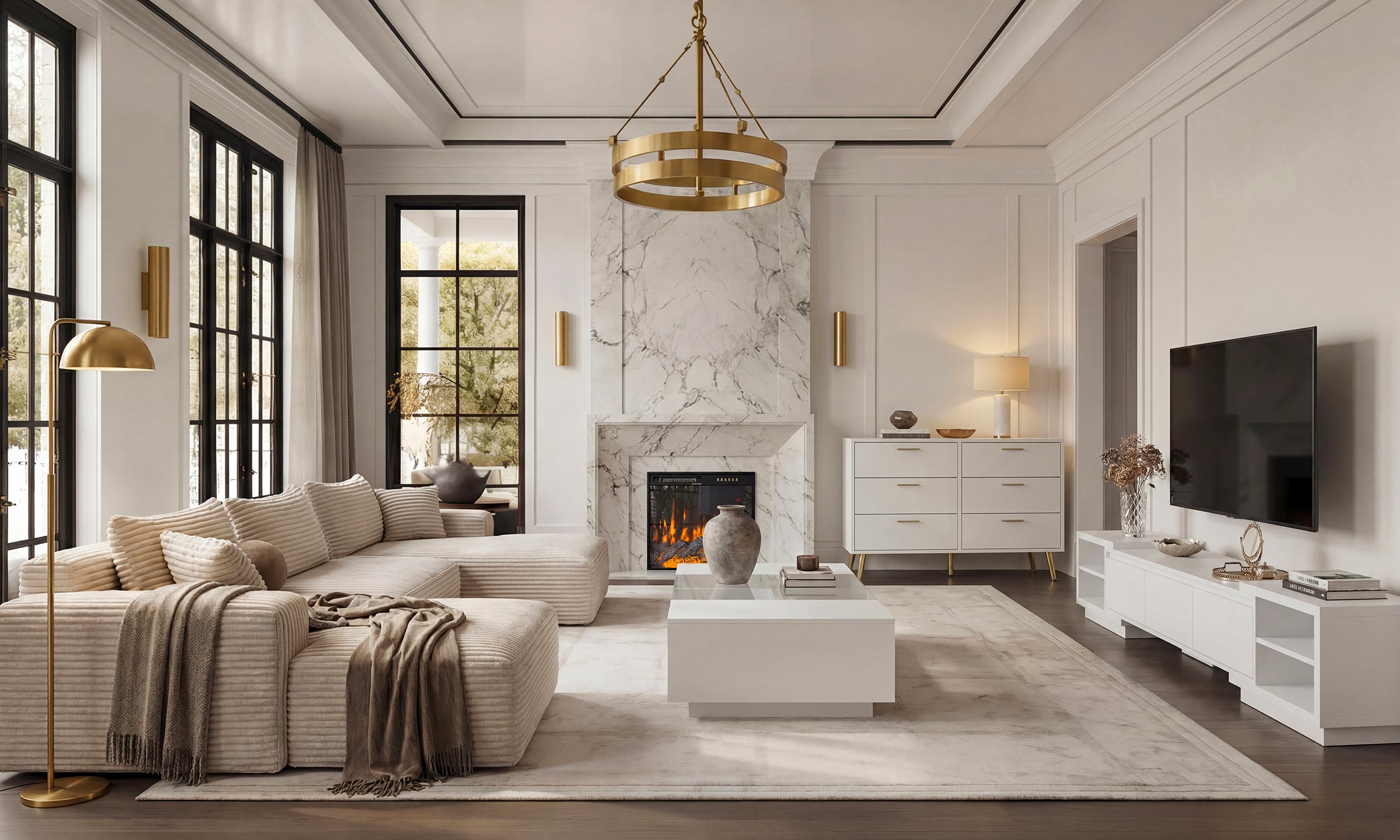
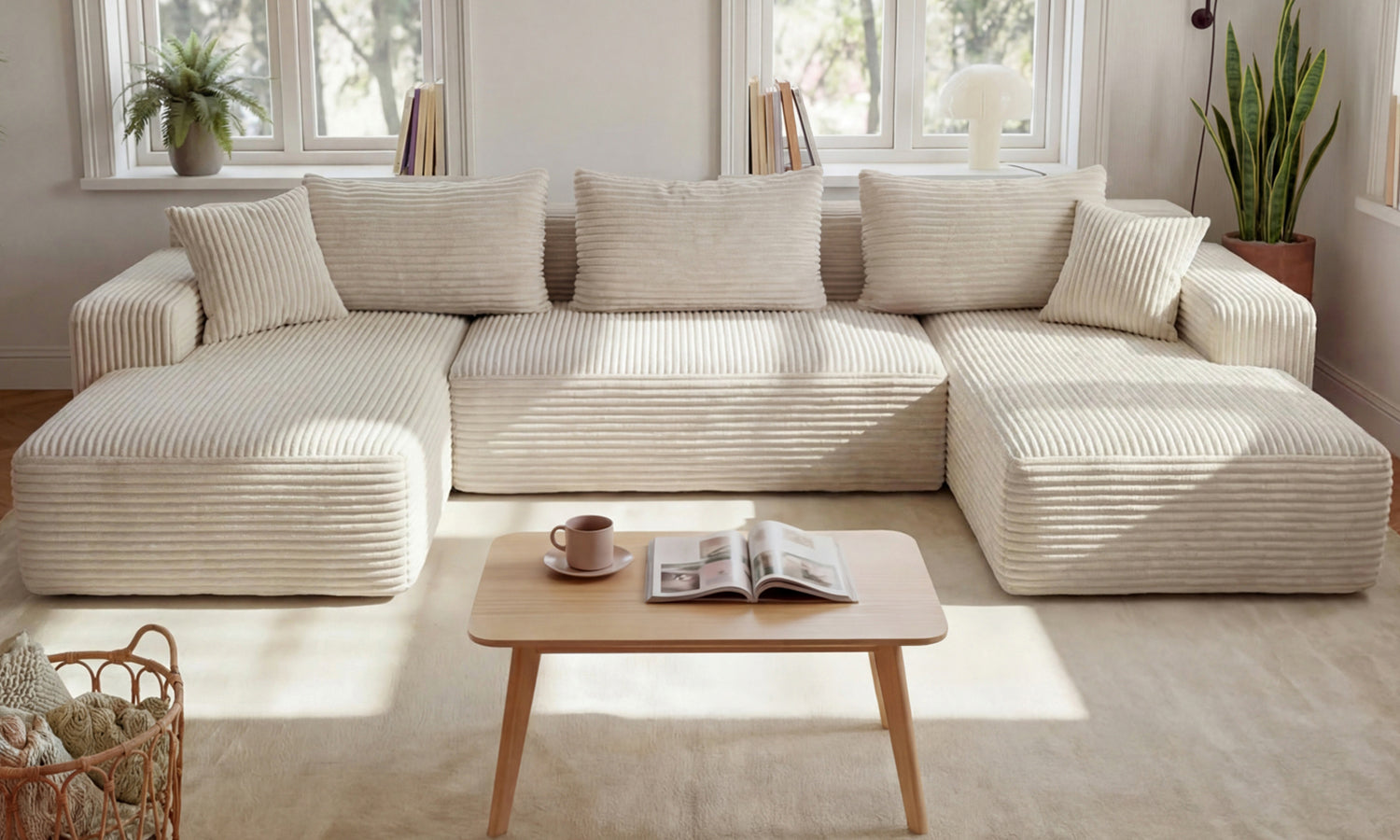
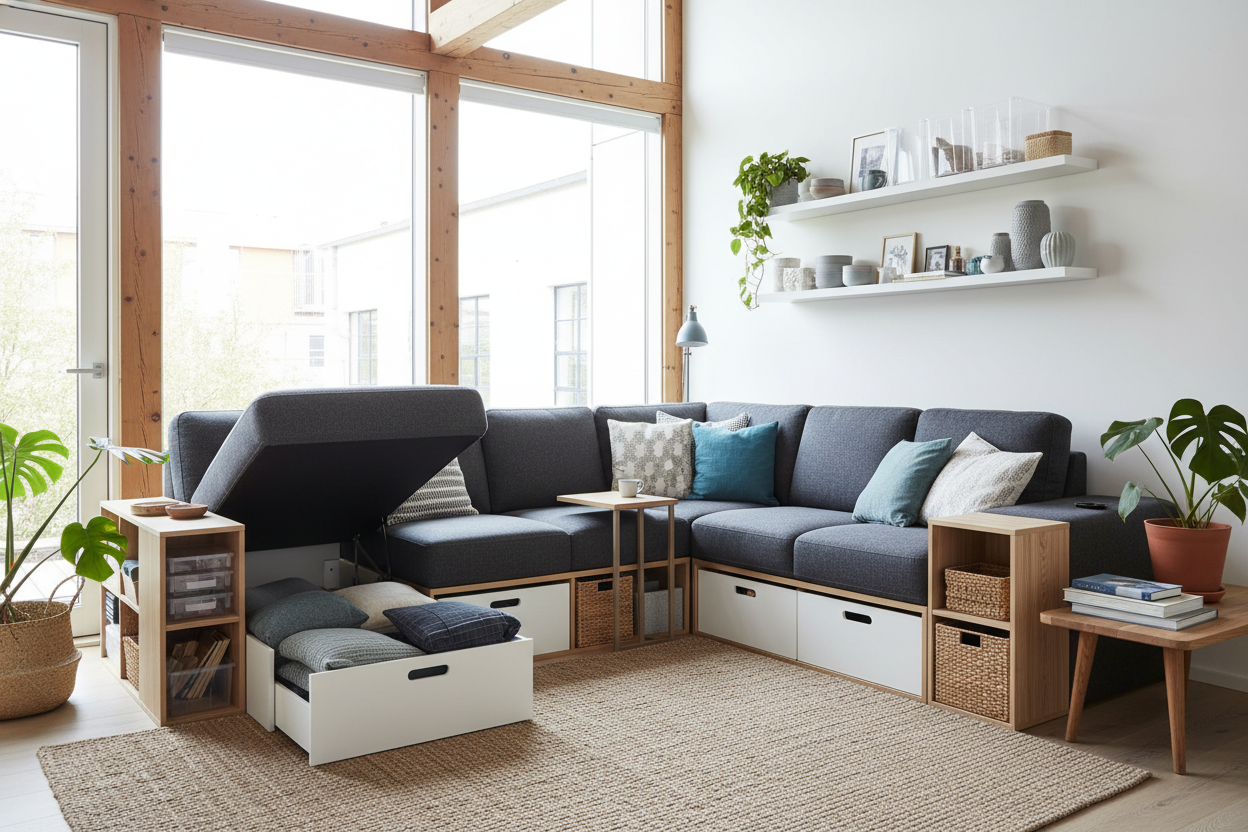
Furthermore, consider the configuration. An ikea l shaped couch with storage is excellent for defining a zone in an open-concept layout. It acts as a subtle room divider, separating the lounge area from the dining space without blocking light.
Materiality and Textile Selection
The difference between a piece that looks "budget" and one that looks "bespoke" often comes down to the textile. IKEA offers various covers, but not all are created equal. As a specialist, I advise leaning towards textured weaves like tweeds or heavy cotton blends rather than flat, synthetic polyesters. Texture adds depth and hides minor stains better than flat colors.
If the stock options feel underwhelming, consider the "semi-custom" route. There is a thriving market of third-party companies manufacturing high-end velvet, linen, and leather covers specifically for the ikea sectional couch with storage. Upgrading the slipcover is a designer hack that elevates the aesthetic value of the frame significantly.
Functionality: The Hidden Mechanics
The primary allure here is the hidden compartment. However, from an ergonomic standpoint, you must consider how you access it. The storage is typically located under the chaise lounge. In my practice, I advise clients to use this space for seasonal items—winter throws, guest bedding, or rotation pillows—rather than daily essentials. The mechanism, while generally robust, is not designed for the wear and tear of being opened ten times a day.
My Personal Take on the IKEA Sectional with Storage
I want to step away from the technical specs and share a candid observation from a project I managed last year. We installed a popular sleeper-storage hybrid in a client's guest suite/home office. Visually, it was perfect. However, here is the detail the catalog won't tell you: The "thud" factor and the fabric drag.
When you close the storage chaise, if you aren't careful, it drops with a significant, hollow bang that resonates through the floor—something to be mindful of if you have downstairs neighbors. Secondly, after about six months of use, I noticed the fabric on the front of the storage drawer (the pull-out section) started to pill and drag slightly because of friction against the rug when being pulled out. My advice? If you choose a model with a pull-out sleeper section, ensure you use a low-pile rug or leave enough clearance. It’s a small nuance, but it saves your flooring and the sofa fabric in the long run.
Conclusion
Ultimately, an IKEA sectional with storage is a formidable tool in a designer's arsenal when budget and space constraints collide. It offers a structured aesthetic and practical utility that is hard to beat at its price point. By paying attention to the silhouette, upgrading the textiles where possible, and understanding the mechanical limitations, you can integrate this piece into a sophisticated, cohesive home design.
Frequently Asked Questions
How difficult is the assembly for these storage sectionals?
Assembly is generally involved due to the lifting mechanisms. It is significantly more complex than a standard sofa. I highly recommend having a second person to assist with aligning the storage hinges and the chaise attachment to avoid stripping the screws.
Can I change the side of the storage chaise later?
Most current IKEA models are modular, meaning the chaise (and the storage underneath) can be mounted on the left or right side. However, always verify the specific product manual, as switching it later requires partial disassembly.
Is the storage compartment ventilated?
Generally, these compartments are not actively ventilated. To prevent any musty odors, especially if storing linens, I recommend placing a small moisture absorber or cedar blocks inside the compartment along with your items.


Leave a comment
This site is protected by hCaptcha and the hCaptcha Privacy Policy and Terms of Service apply.