
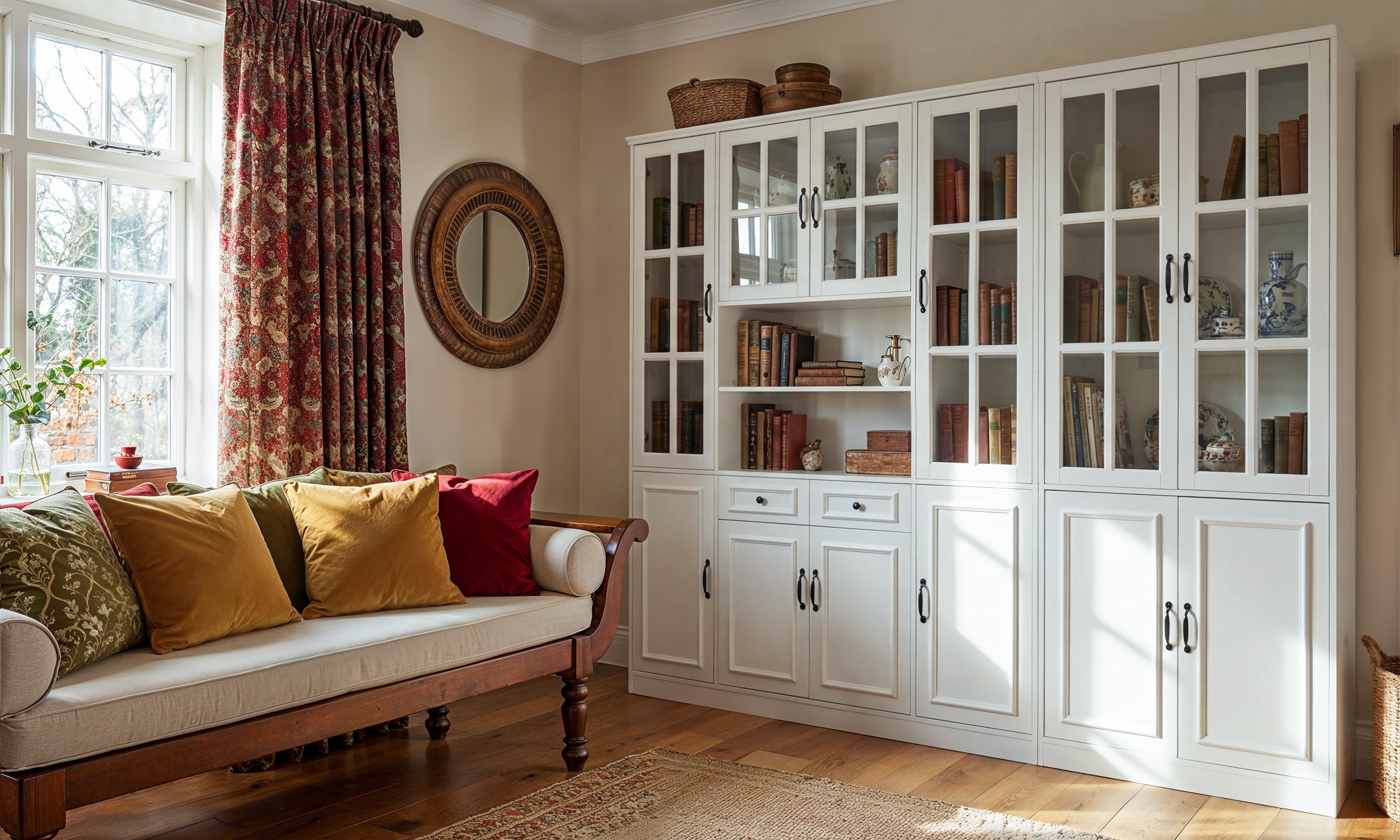
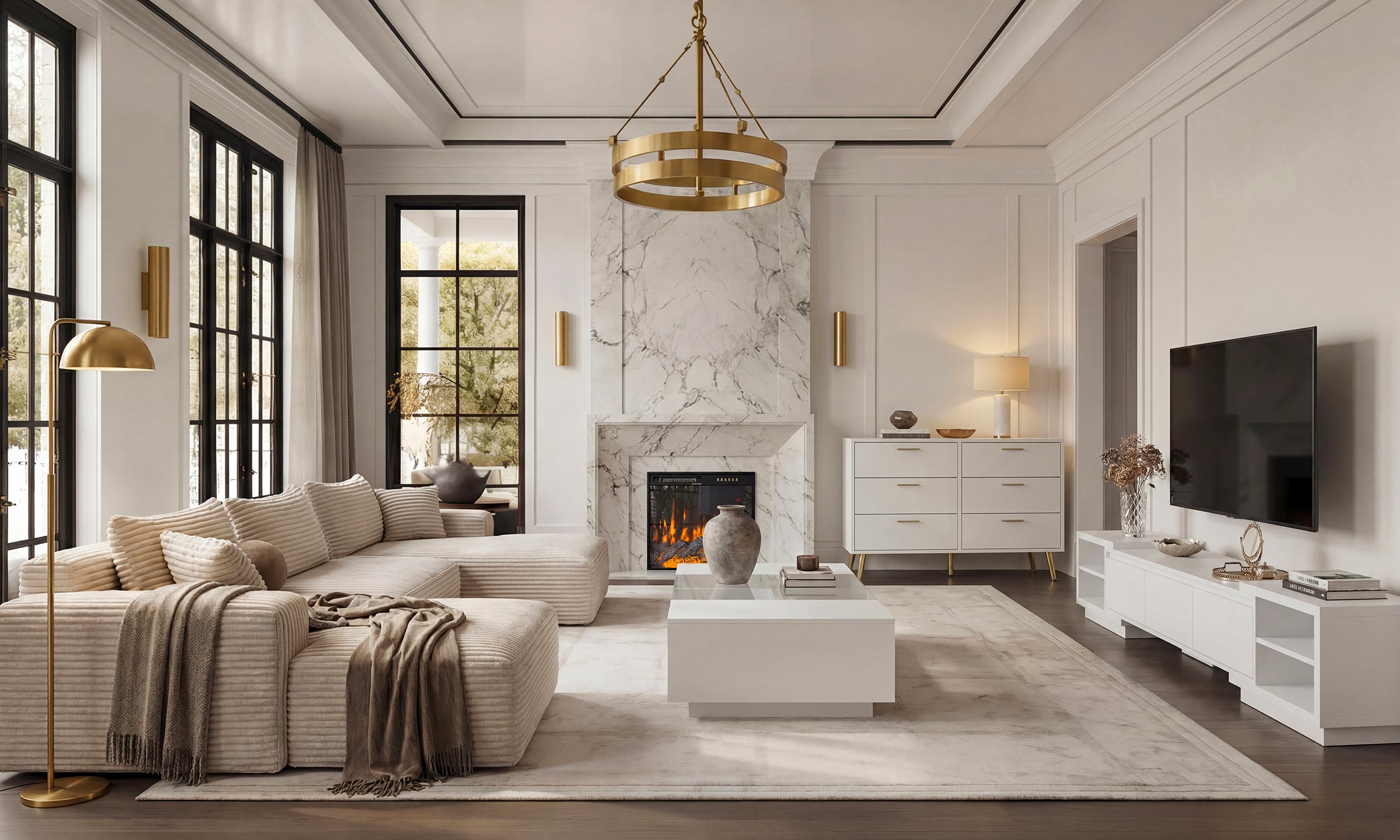



You measure, you browse, and eventually, you settle. This is the frustrating cycle many homeowners and professionals face when outfitting a workspace. You find a desk with the right silhouette but the wrong finish, or a storage unit that fits the wall but lacks the cable management you desperately need. When off-the-shelf options force you to compromise on workflow or aesthetics, office furniture custom design becomes the only logical solution to bridge the gap between mere utility and sophisticated interior architecture.
Quick Decision Guide: Key Factors for Bespoke Pieces
- Material Integrity: Decide between solid wood (heavier, durable) vs. architectural veneers (stable, consistent grain).
- Ergonomic Customization: Ensure desk heights and chair clearances are tailored to your specific body measurements, not industry averages.
- Integrated Tech: Look for built-in wireless charging and hidden cable channels to maintain visual minimalism.
- Lead Times: Custom joinery typically requires 8-12 weeks; factor this into your renovation timeline.
Defining the Scope: Materiality and Finish
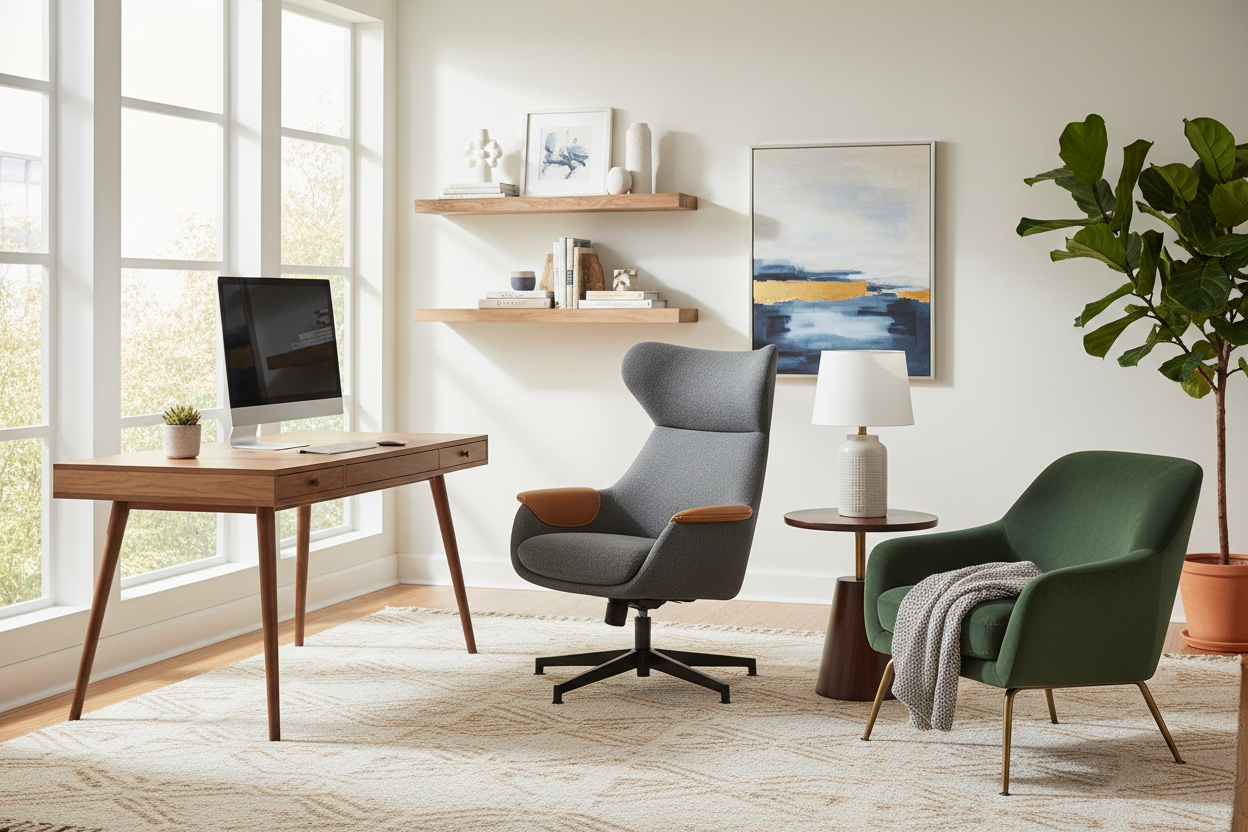
As a designer, the first conversation I have with a client isn't about style—it's about tactile experience. When you opt for bespoke solutions, you control the sensory details. For executive desks or primary workstations, I often recommend high-grade veneers over solid wood slabs for large surfaces. Veneers offer better stability against humidity changes, preventing the warping that often plagues solid timber in climate-controlled offices.
However, the edges matter. Demand solid wood edging or high-impact ABS on your custom pieces. This protects the vulnerable points from chair knocks and ensures the longevity of the investment.
Space Planning and Visual Weight
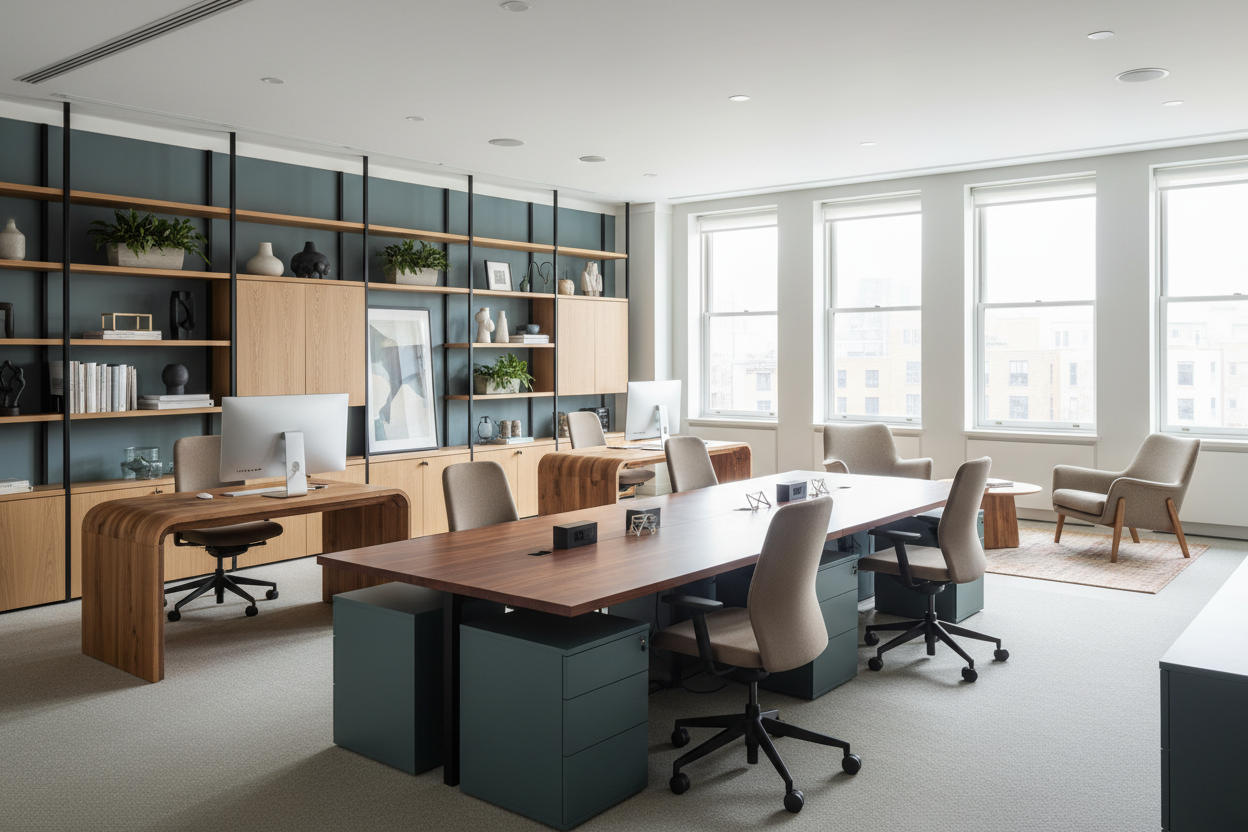
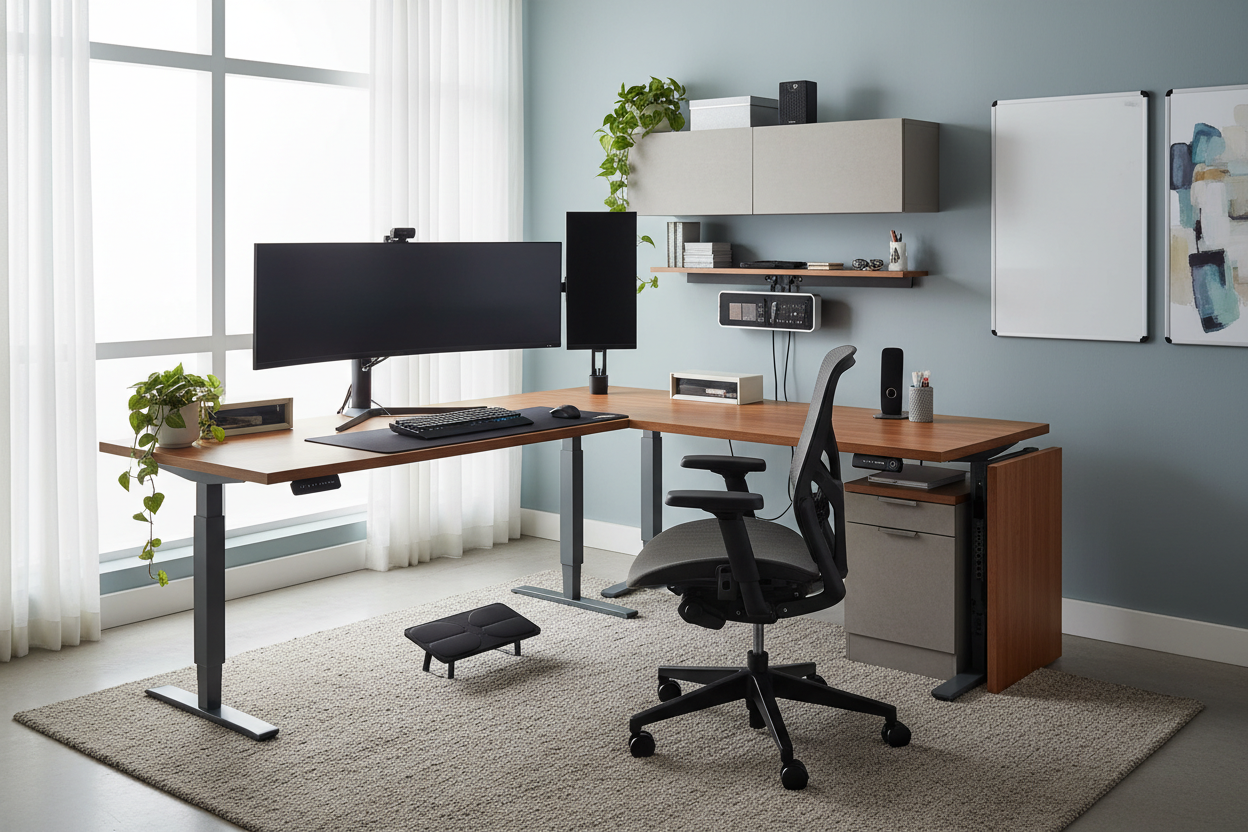
The greatest advantage of going custom is the ability to manipulate the visual weight of the room. In smaller home offices, a heavy, dark mahogany desk can suffocate the space. With custom fabrication, we can design a piece with a floating top and slender steel legs to increase the perception of floor space.
The Silhouette of Function
Consider the "reach zone." Standard furniture assumes a standard arm length. Custom millwork allows us to curve the desktop or position drawers exactly where your hand naturally falls. This ergonomic precision reduces strain and keeps your focal point clear of clutter.
Integration of Technology
Nothing ruins a sleek, modern aesthetic faster than a nest of black wires. Mass-produced furniture often treats cable management as an afterthought—a plastic grommet in the corner. In custom design, we route channels internally through the legs or modesty panels. We can recess power strips directly into the surface with matching material lids, ensuring the technology serves the design rather than dominating it.
Lessons from My Own Projects
I want to share a specific mistake I made early in my career so you don't have to. I once designed a stunning, high-gloss lacquered custom desk for a client who signed a lot of paperwork. It looked incredible in the rendering and on installation day. However, within two weeks, the client called me. The high-gloss finish was a nightmare for fingerprints and showed micro-scratches from his watch clasp every time he moved his arm.
Since then, I have a strict rule: high-touch surfaces must be matte, satin, or oil-rubbed. I now specifically ask clients if they wear bracelets or heavy watches. It’s a small, unpolished detail that you won't find in a brochure, but it dictates whether your beautiful custom furniture remains beautiful six months down the line.
Conclusion
Investing in custom furniture is an investment in your daily performance. It removes the friction between you and your work environment. Don't settle for a space that barely fits; create one that is tailored to your exact movements and style.
Frequently Asked Questions
How much more expensive is custom office furniture compared to retail?
generally, you can expect to pay 30% to 50% more than high-end retail. However, this cost includes design fees, higher quality materials, and perfect spatial fitting, which often negates the need for replacement in the near future.
Can I take built-in custom furniture with me if I move?
Freestanding custom pieces (desks, credenzas) are movable. However, built-in joinery is usually fixed to the wall. If you plan to move soon, ask your designer for "fitted" furniture, which looks built-in but is actually modular and detachable.
What is the best wood for a custom desk top?
Walnut and White Oak are industry favorites for a reason. They are hard enough to resist denting but have a grain structure that hides minor wear. Avoid softwoods like Pine, which will mar easily under the pressure of a pen.

Leave a comment
This site is protected by hCaptcha and the hCaptcha Privacy Policy and Terms of Service apply.