


















Designing a professional workspace involves a delicate balancing act between fiscal responsibility and aesthetic integrity. Clients often approach me with a common dilemma: they want the sleek, modern silhouette of a high-end showroom but are working with a startup budget. This is usually where the conversation shifts to ikea contract furniture. While often dismissed by purists as merely residential, the brand's push into the B2B sector has introduced pieces that claim to meet rigorous commercial standards. But does it actually hold up to the daily grind of a 9-to-5 environment?
Key Features to Look For in Commercial Grade Pieces
Before filling your cart, you must distinguish between their standard residential items and their business-rated lines. Here is what qualifies a piece for professional use:
- ANSI/BIFMA Certification: Look for products tested for stability, durability, and safety standards specific to commercial environments.
- Martindale Cycle Rating: For upholstery, aim for fabrics tested to 30,000+ cycles to withstand heavy daily traffic without fraying.
- Warranty Duration: Genuine commercial lines (like the BEKANT or IDÅSEN series) typically carry a 10-year guarantee, unlike the standard 1-year residential warranty.
- Material Composition: Prioritize powder-coated steel and melamine finishes over standard foil-wrapped particleboard for scratch resistance.
Decoding the Quality: Standard vs. Commercial
There is a massive structural difference between a desk meant for a teenager's homework and ikea commercial office furniture engineered for forty hours of weekly use. When specifying for a project, I always steer clients toward the IDÅSEN and TROTTEN collections. These lines utilize reinforced steel underframes and thicker veneers that resist the inevitable coffee spills and aggressive typing.
In a commercial setting, the "wobble factor" is the enemy of productivity. Lower-tier residential desks often lack the cross-bracing required for stability. Contract-grade options usually feature telescoping legs and heavier base plates, ensuring the surface remains static even when loaded with dual monitors and heavy peripherals.
Ergonomics and Employee Wellbeing
Aesthetics draw people in, but ergonomics keep them there. When sourcing ikea business office furniture, the focus must shift to the human form. The human body was not designed to remain static. Consequently, the rise of sit-stand desks in the contract market is non-negotiable for modern layouts.
Regarding seating, the MARKUS and JÄRVFJÄLLET chairs are staples in budget-conscious fit-outs. From a design perspective, they offer decent lumbar support and mesh backrests for thermal comfort. However, one must be critical of the seat pan depth; ensure it is adjustable enough to accommodate the diverse heights of your team or family members sharing a home office.
Creating a Cohesive Visual Identity
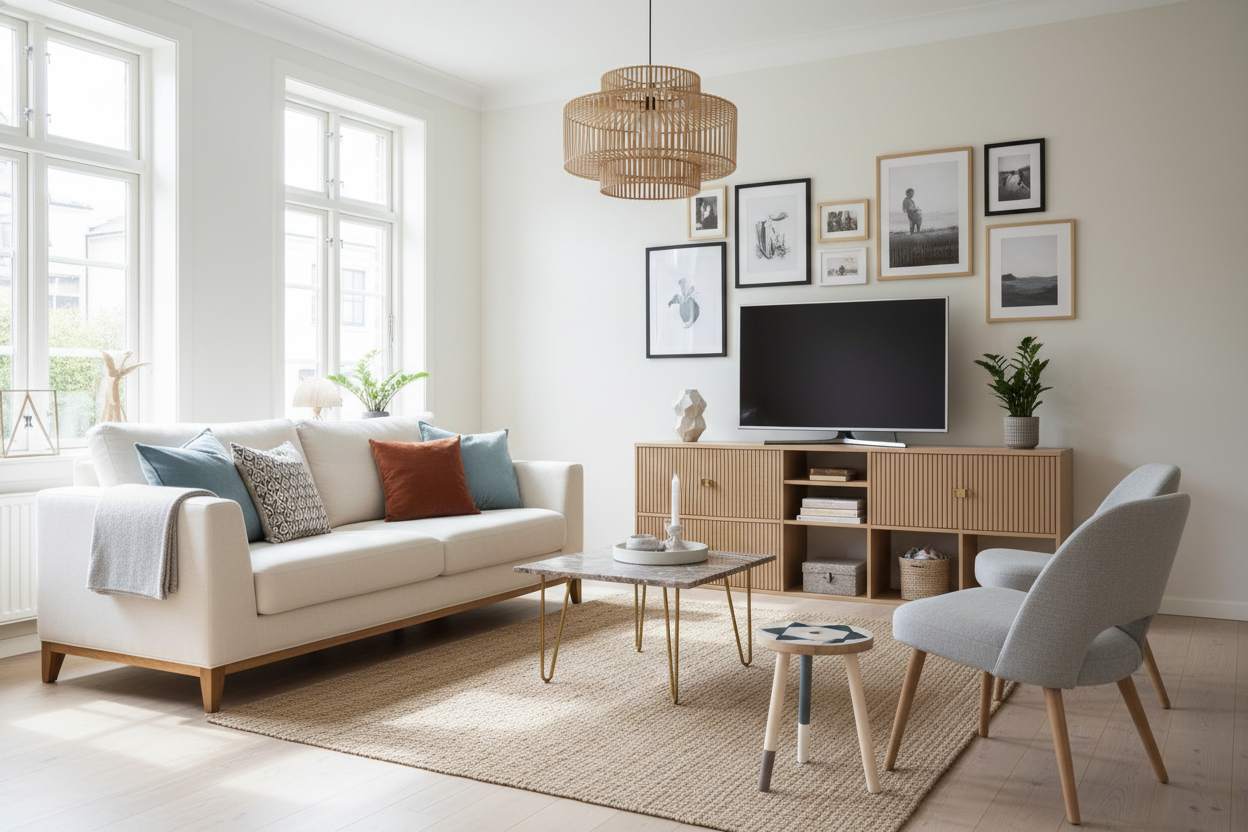
The danger with flat-pack furniture is that a space can quickly begin to look generic. To avoid the "showroom catalog" look, you must curate rather than collect. Mix textures and finishes. If you utilize a bank of white melamine desks, offset the clinical feel with acoustic panels in warm wool textures or introduce biophilic elements like large potted plants to soften the hard lines.
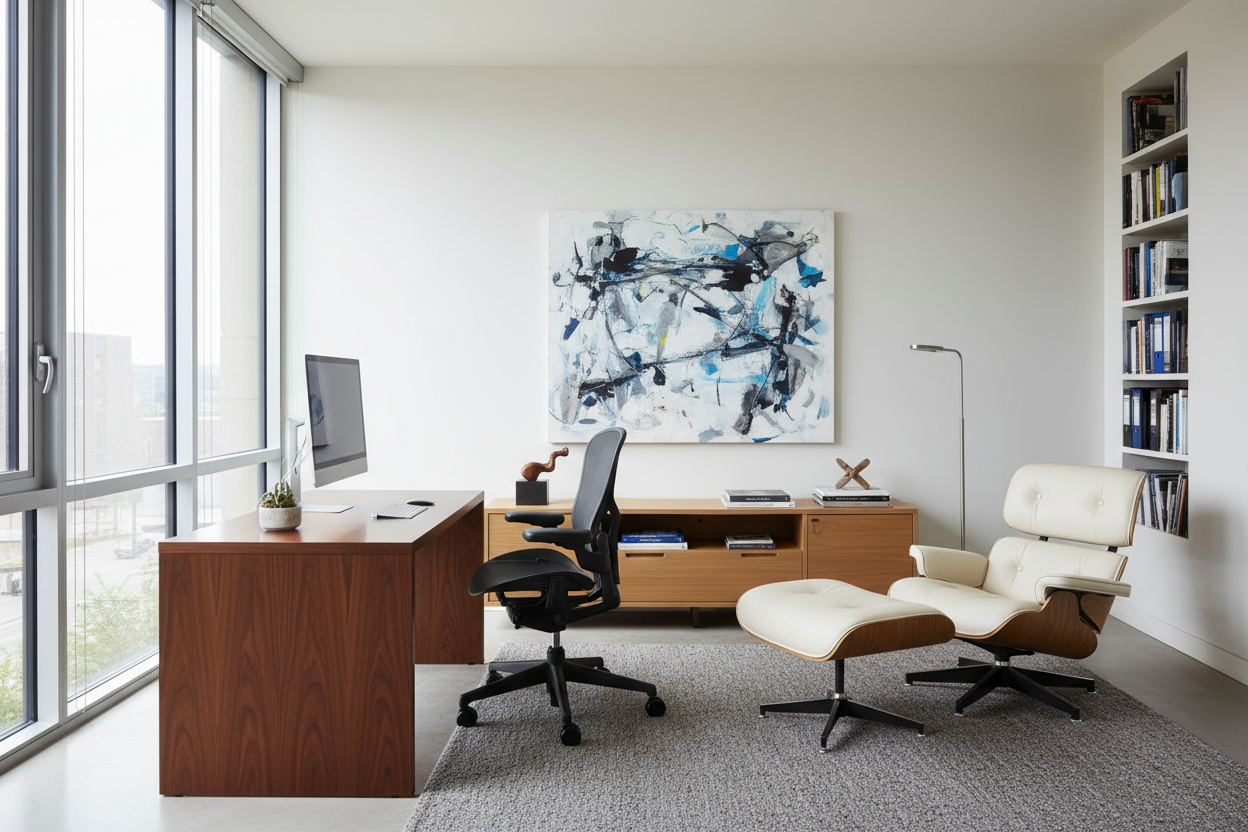
Lighting also plays a pivotal role. Contract furniture often has a minimalist, utilitarian profile. You can elevate the perceived value of these pieces by layering ambient and task lighting. A well-placed architectural floor lamp can make a budget-friendly lounge chair look like a piece of Italian design.
My Personal Take on IKEA Contract Furniture
I want to be transparent about a lesson I learned the hard way during a fit-out for a boutique graphic design studio in 2019. We specified a dozen of the lower-tier swivel chairs to save on the budget, thinking the aesthetic matched the mood board perfectly.
Within fourteen months, the faux leather on the armrests began to peel aggressively—not from abuse, but simply from the friction of sleeves rubbing against the desk edge and the UV exposure from the south-facing windows. It looked unprofessional and messy. Conversely, the GALANT file cabinets we installed in that same project are still pristine today, despite being kicked and bumped daily. The takeaway? Trust the hard surfaces (metal, melamine, glass) implicitly, but be incredibly selective and skeptical when it comes to soft goods and upholstery. If you buy the seating, opt for the fabric weaves over the synthetic leathers; they age with much more dignity.
Conclusion
Equipping a workspace doesn't require a heritage furniture budget to achieve a professional result. By selectively sourcing high-grade contract pieces and mixing them with thoughtful decor, you can build an office that commands respect and endures daily wear. Focus on the specs, not just the price tag, and your space will work as hard as you do.
Frequently Asked Questions
What is the difference between IKEA residential and business furniture?
The primary difference lies in the testing standards. Business lines are tested for higher weight capacities, stability, and flammability to meet strict commercial codes (like ANSI/BIFMA), whereas residential furniture is tested for lighter, domestic use.
Can I use IKEA business furniture in my home office?
Absolutely. In fact, it is often recommended. Using commercial-grade desks and chairs in a home office ensures greater longevity and better ergonomic support, which is crucial if you work from home full-time.
Which IKEA series is best for durability?
For storage and desks, the IDÅSEN and BEKANT series are widely considered the most durable due to their metal construction and high-quality veneers. For seating, the HATTEFJÄLL and JÄRVFJÄLLET offer superior foam density and adjustability compared to entry-level models.

Leave a comment
This site is protected by hCaptcha and the hCaptcha Privacy Policy and Terms of Service apply.