

















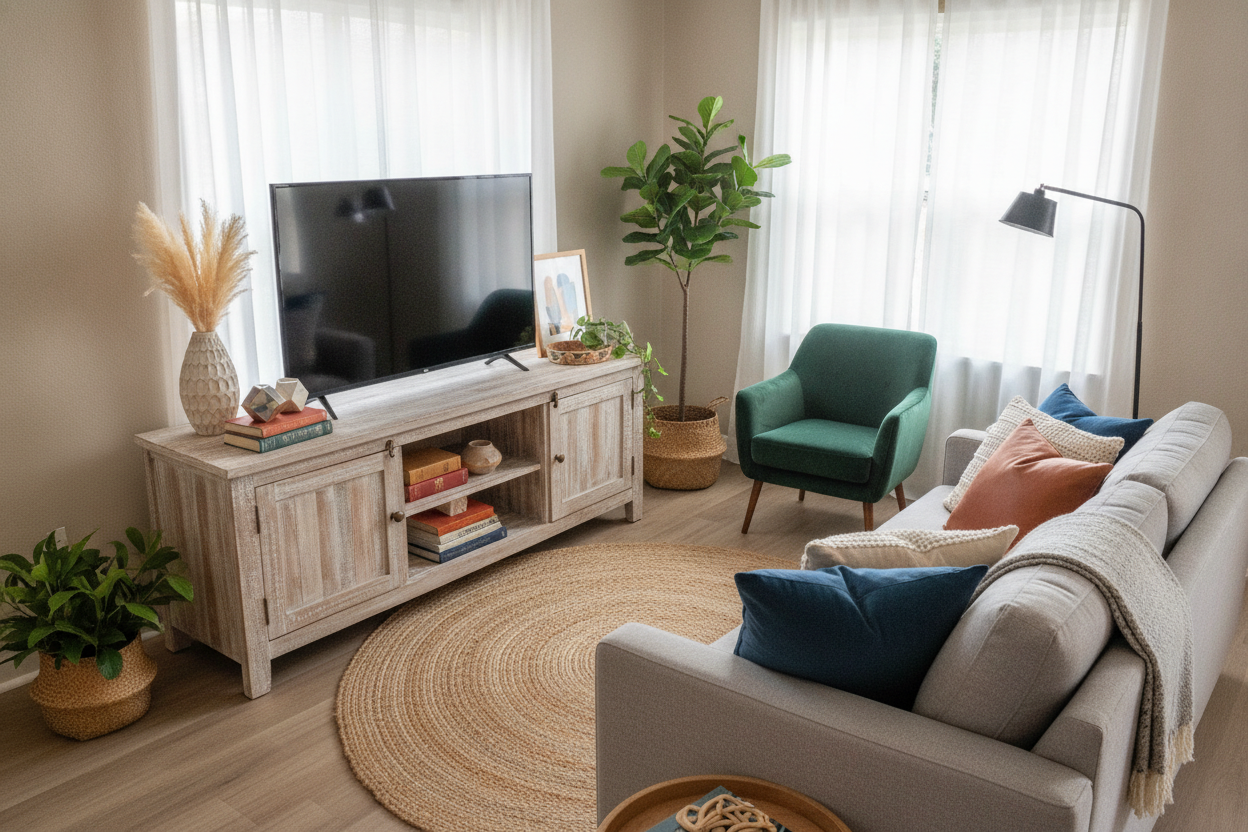
I have spent far too many Saturdays wandering the aisles of Ross Dress for Less, dodging abandoned hangers and smelling that specific 'discount store' candle scent. You go in for a pack of socks and end up staring at a ross tv stand that costs less than a fancy dinner. It looks decent enough under those harsh fluorescent lights, but will it actually hold your 65-inch OLED without snapping like a twig?
- The Wobble Test: Give the floor model a firm shove; if it sways, keep walking.
- Size Matters: Most Ross inventory is sized for 40-50 inch screens, not your home theater beast.
- Hardware Check: Look for missing screws or handles before you leave the store.
- Veneer Reality: Assume it is particle board, not solid oak, and treat it accordingly.
The Thrill (and Chaos) of the Discount Home Section
Shopping at Ross is basically a contact sport. You are navigating a maze of mismatched throw pillows and oversized wall clocks just to find the one corner where they keep the furniture. It is hit or miss—mostly miss. One day there is a sleek mid-century console; the next, it is just three plastic rolling carts and a dented ottoman.
You have to be ready to commit on the spot. Unlike a traditional furniture store, that stand won't be there in an hour. I once saw a decent farmhouse-style unit, went to grab a cart, and by the time I got back, a college student was already dragging it toward the registers. It is a chaotic way to shop, but the $80 price tag makes the adrenaline rush feel justified.
3 Crucial Checks Before Buying a Ross TV Stand
First, do the wobble test. I’m serious. Put your hand on the top surface and give it a shake. If the joints groan or the whole thing leans more than half an inch, the cam locks are either cheap or poorly installed. You don't want your expensive electronics resting on a foundation of prayer and thin glue.
Second, check for missing hardware. Many Ross pieces are floor models or 'last-one' items that have been bumped around. Ensure the handles are actually attached and that the magnetic catches for the doors work. Replacing a weirdly-sized proprietary screw is a nightmare you don't want.
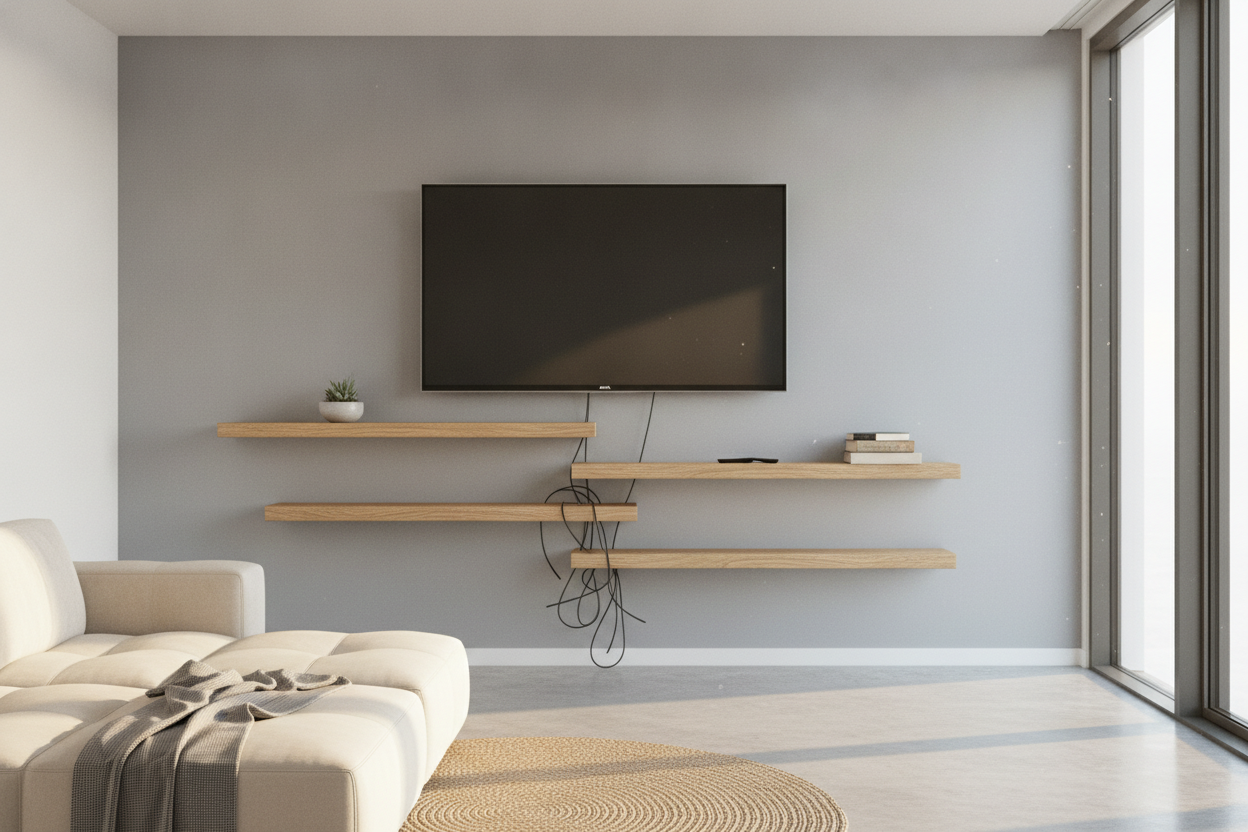
Third, look for the cable management holes. If the back panel is solid, you are going to be drilling through cheap veneer later, which usually ends in tears and splinters. A good stand should have at least one or two pre-cut circles for your HDMI cables and power cords.
The Major Drawbacks of the Bargain Hunt
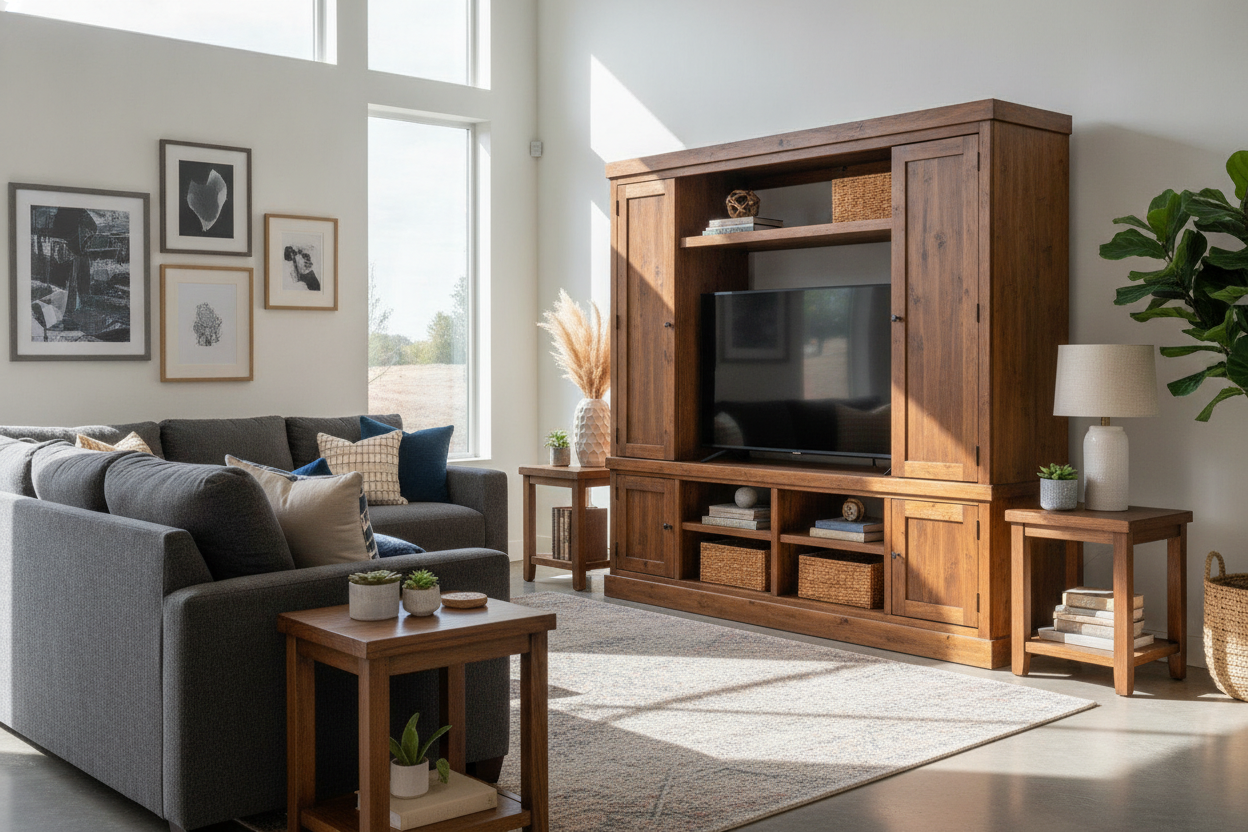
The biggest issue is that you get what you get. If you need a specific walnut finish to match your existing coffee table, you probably won't find it here. Most of these stands are built for smaller setups. If you have a massive 75-inch screen, you are much better off to browse standard tv stands online where you can actually filter by weight capacity and width.
Also, consider the 'move factor.' Cheap 15mm particle board does not handle being moved between apartments very well. If you unscrew those legs once, the holes often strip, leaving you with a lopsided mess. If a leg snaps six months from now, don't bother looking for a replacement part—Ross does not have a warehouse of spares.
Upgrading a Cheap Stand So It Doesn't Look Like One
The easiest way to make a $79 stand look like a $400 boutique find is to ditch the hardware. Swap those generic silver plastic knobs for heavy brass or matte black pulls from a hardware store. It is a ten-minute fix that completely changes the vibe of the piece.
I also like to stack a few thick art books on the bottom shelf to hide any unsightly gaps or scuffs in the finish. It helps you balance both style and daily function without making your living room look like a dorm room. A little bit of styling goes a long way in distracting the eye from the fact that the wood grain is actually a high-res sticker.
When to Skip the Store and Buy Online Instead
If you are a student or moving into a 'starter' apartment for a year, a Ross find is a total win. But if you own your home and want something that survives a move or a toddler, skip the hunt. You will save yourself the headache of a lopsided shelf by getting something like a mid-century modern tv stand with slatted doors. It is better to pay for peace of mind than to watch your TV slowly lean to the left.
Personal Experience: The Veneer Blister
I once bought a 'solid wood' stand at Ross that turned out to be heavy MDF with a very convincing laminate on top. It looked great for three months until I spilled a glass of water on it. The 'wood' bubbled up like a blister within twenty minutes. I learned my lesson: always check the edges for peeling veneer before buying, and never, ever skip the coasters.
FAQ
Does Ross deliver furniture?
No. You better have a friend with a truck or a very spacious hatchback. Most items are sold as-is and you are responsible for getting them out the door and into your house.
Can I return furniture to Ross?
Yes, usually within 30 days, but keep the receipt and the tags. Just be warned: dragging a fully assembled TV stand back through those narrow aisles and waiting in the 'Returns' line is its own circle of hell.
Is the wood real?
Rarely. Most furniture at this price point is MDF or particle board covered in a laminate veneer. It looks like wood, but it won't age like wood.

Leave a comment
This site is protected by hCaptcha and the hCaptcha Privacy Policy and Terms of Service apply.