

















I have spent thousands of dollars on desks that looked like mid-century masterpieces in professional photos but felt like cramped folding tables the moment I actually sat down to work. I used to pick furniture based on the grain of the wood or whether the legs matched my bookshelf, completely ignoring the one part of the furniture I actually touch for eight hours a day. I was shopping for a sculpture, not a tool.
The reality is that the working surface of a desk is the most important piece of real estate in your home. If that surface is too shallow, too rough, or too cluttered, your productivity will tank regardless of how 'aesthetic' your Instagram-worthy office looks. I learned this the hard way after three failed setups and a lot of unnecessary back pain.
Quick Takeaways
- Depth is more important than width for monitor ergonomics.
- Avoid 'rustic' textures if you actually plan on writing or using a mouse without a pad.
- A 30-inch depth is the gold standard for modern setups.
- Vertical storage is the only way to save your usable surface area.
The Expensive Mistake We All Make Shopping for Desks
We shop for desks the way we shop for art. We look at the silhouette, the hardware, and the 'vibe.' But you don't work on the legs or the side panels. You work on the top. I once bought a stunning mahogany vintage piece that looked incredible in my corner nook, but it was so narrow I had to keep my coffee on the floor. It was a $600 coaster.
Most people underestimate how much physical force a desktop takes. You're leaning on it, sliding a mouse across it, and occasionally spilling lukewarm tea on it. If you choose a surface based purely on looks, you're going to end up with a 'working' area that is actually working against you. I've had beautiful wood veneers peel off within six months because they couldn't handle the heat from a laptop.
Depth vs. Width (Why You Always Feel Cramped)
People love to brag about having a 60-inch wide desk, but width is often a vanity metric. If your desk is 60 inches wide but only 20 inches deep, you are going to feel claustrophobic. When shopping for a new writing computer desk, emphasize checking the depth measurement first to ensure it fits a keyboard and monitor comfortably.
A shallow desk is a recipe for disaster. It forces your monitor right into your face and leaves no room for your forearms to rest on the surface. I’ve found that anything under 24 inches is basically a hallway console table masquerading as a workspace. If you can't fit a standard keyboard and a large monitor base with at least six inches of breathing room, keep looking.
The Monitor and Keyboard Trap
Modern monitors are getting bigger, which means they need to be further away from your eyes. If your desk is too shallow, you'll end up hunching back to see the whole screen or straining your neck. This is the posture trap. You need enough depth so that your elbows aren't hanging off the edge of the world while you type. A deep surface allows your arms to be supported, which takes the literal weight of the world off your shoulders.
Texture Matters: The Problem With 'Rustic' Wood
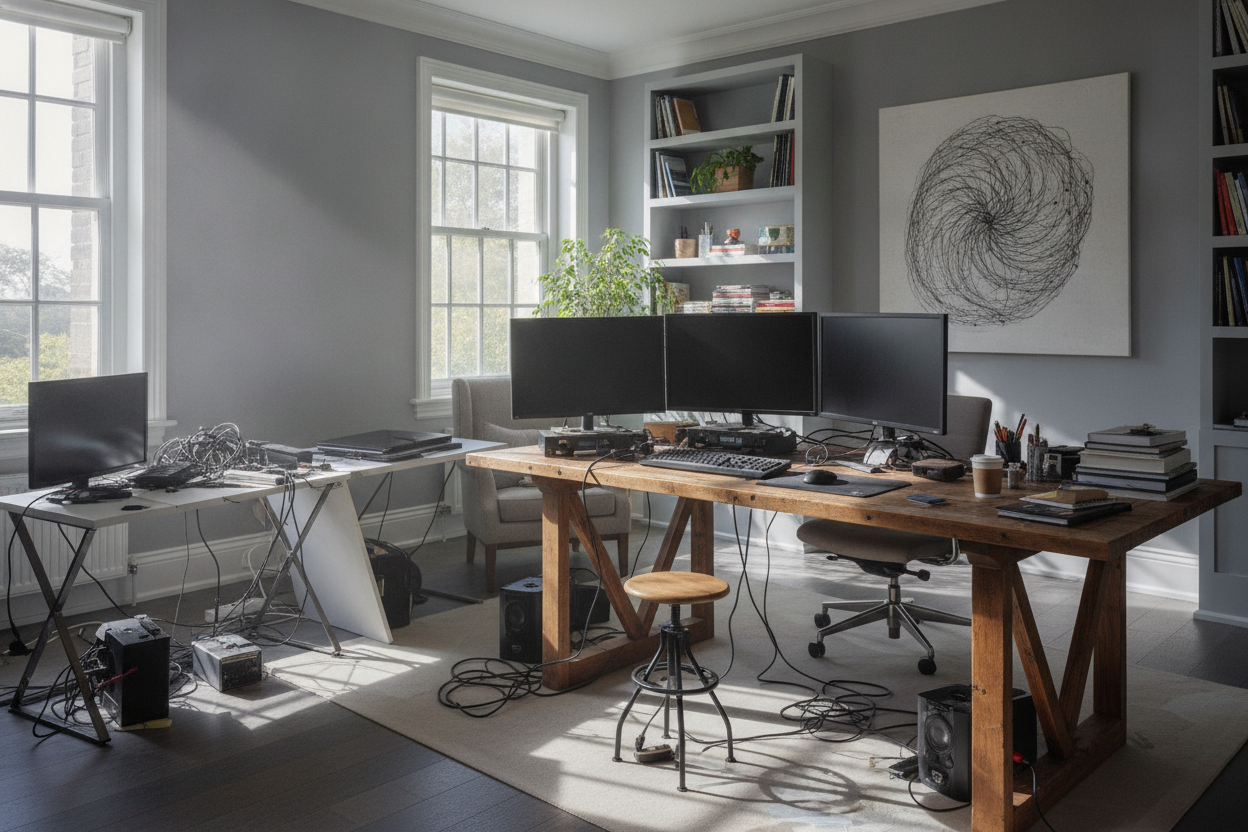
I fell for the 'reclaimed wood' trend hard. My desk had literal grooves, knots, and 'character' marks in it. It looked like it belonged in a high-end cabin. Then I tried to actually use it. Writing a single thank-you note on a piece of paper became a game of minesweeper—one wrong move and my pen would poke through the paper into a 100-year-old wood knot.
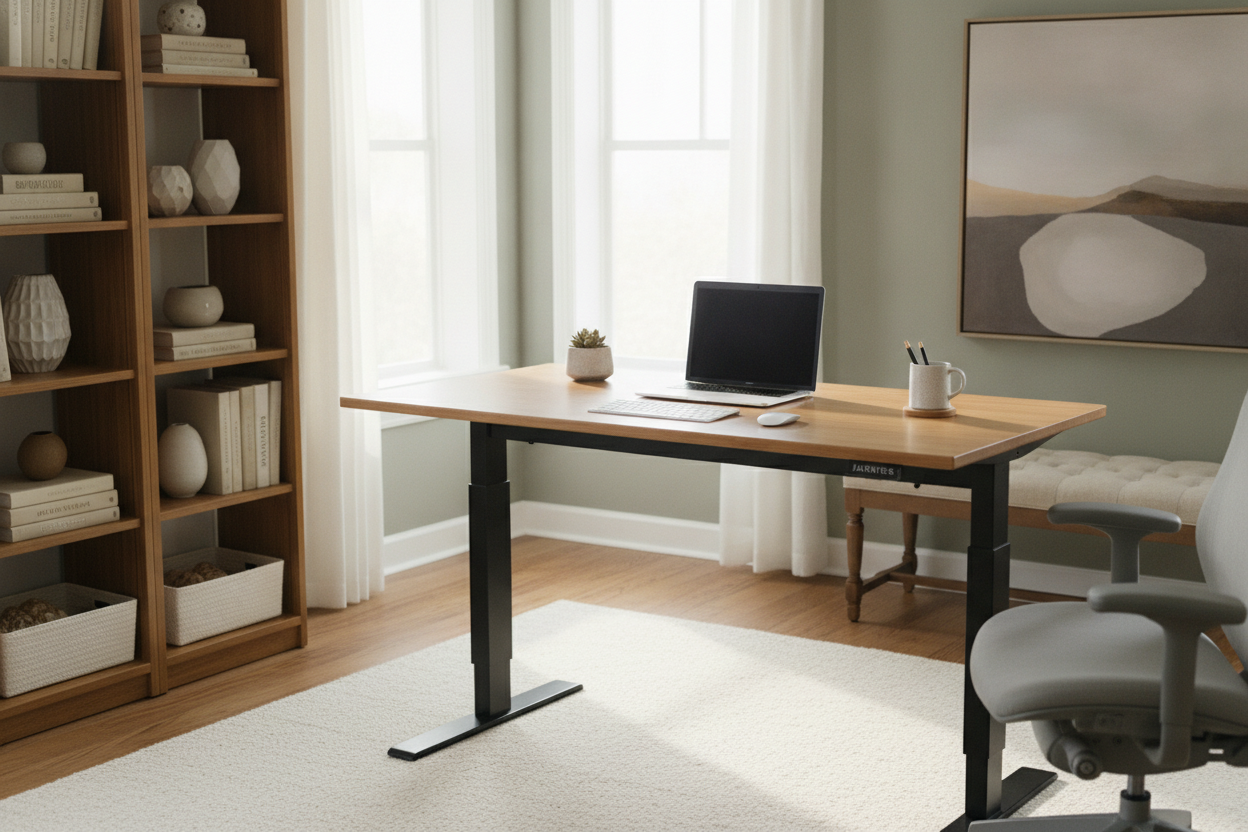
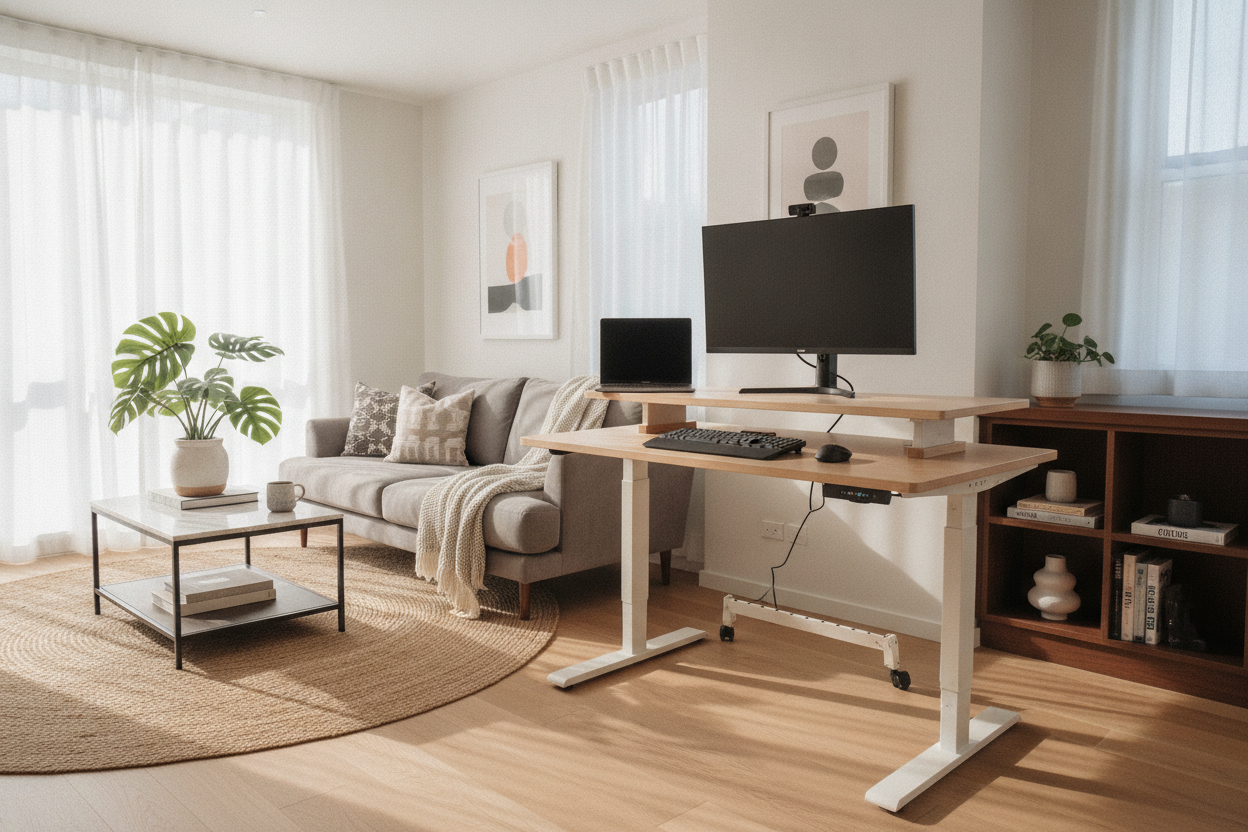
Texture isn't just about writing, either. Optical mice hate uneven surfaces. A modern sit stand up desk usually features the perfectly smooth, continuous surface required for optical mice and writing. If you buy a desk with a 'distressed' finish, you’re just signing up to buy a giant desk mat to cover up the very thing you paid for. Save yourself the headache and go for a smooth laminate or a finished hardwood.
Stop Using Your Primary Space for Storage
Clutter creep is real. We start with a laptop, and three weeks later, the surface is covered in staplers, half-empty notebooks, and charging cables. If you cover your desk in lamps and papers, you lose the functionality of the surface. I’ve started using a desk bin organizer to keep pens and miscellaneous items off the main working area, and it changed my life.
If your room is small, don't try to cram a giant wide desk in there. Instead, look for verticality. A computer desk with hutch solves surface clutter by moving all your reference materials vertically. This keeps your 'strike zone'—the area where your hands actually move—completely clear for work. You want your desk to feel like a cockpit, not a junk drawer.
Personal Experience: The Glass Desk Disaster
I once bought a glass-top desk because I thought it would make my small apartment feel 'airy.' It was the biggest mistake of my professional life. It was freezing cold in the winter, it showed every single fingerprint, and my mouse wouldn't work without a pad. I eventually got so frustrated with the smudges that I covered the entire 'invisible' desk with contact paper. I learned my lesson: the surface needs to be tactile and functional, not just pretty to look at from across the room.
FAQ
What is the best depth for a home office desk?
Aim for 30 inches. It gives you enough room for a large monitor, a keyboard, and space to rest your arms. 24 inches is the absolute minimum for comfort.
Is a real wood surface better than laminate?
Real wood feels better and lasts longer if it's high quality, but high-pressure laminate is actually more durable for heavy daily use and resists scratches and coffee rings better.
How do I fix a desk that is too shallow?
You can buy a clamp-on keyboard tray or a monitor arm. A monitor arm is a lifesaver because it lifts the screen off the surface, giving you back about 6 inches of usable space.

Leave a comment
This site is protected by hCaptcha and the hCaptcha Privacy Policy and Terms of Service apply.