

















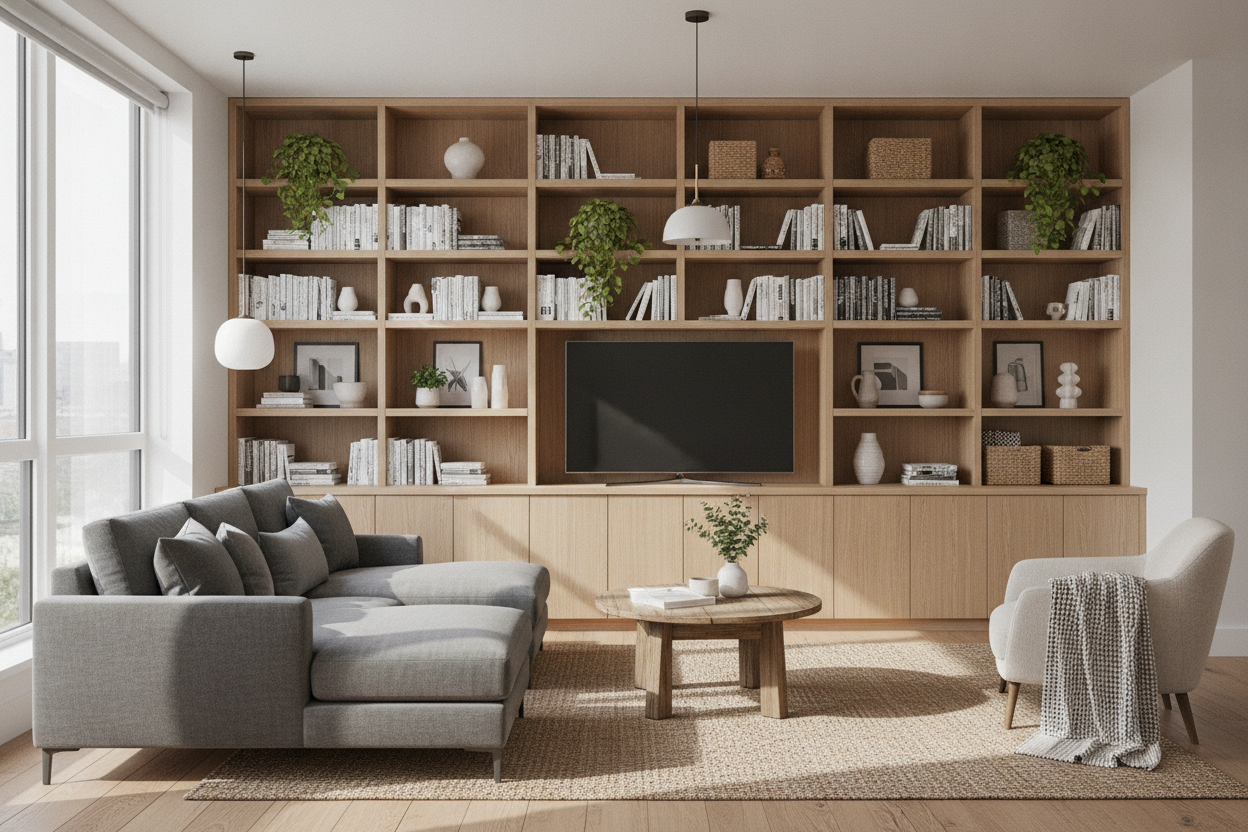
I spent three years staring at a 55-inch TV perched on a low-slung, mid-century console that cost more than my first car. It looked great in the catalog, but in my actual living room, it was a disaster. The wall above it felt cavernous and empty, while the floor around it was a tangled nest of HDMI cables and dust bunnies. I finally hit my breaking point and swapped the minimalist stand for a massive media bookcase. It was the smartest furniture pivot I’ve ever made.
- Vertical storage utilizes the dead space above your TV for books and decor.
- Closed lower cabinets are non-negotiable for hiding ugly routers and gaming gear.
- Adjustable shelves prevent your electronics from being trapped in cramped cubbies.
- Framing the screen with objects makes it look like a design choice, not a black altar.
The Problem With Standard TV Consoles (They Kind of Suck)
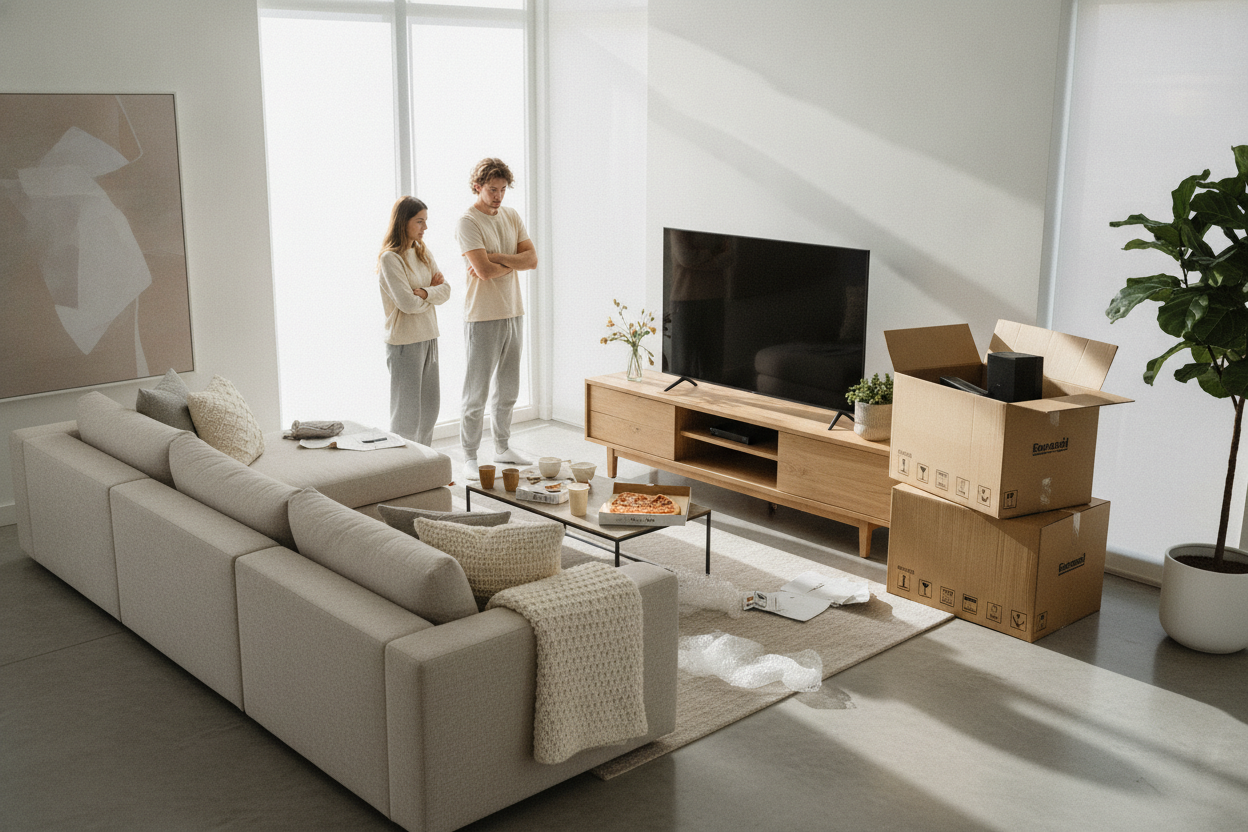
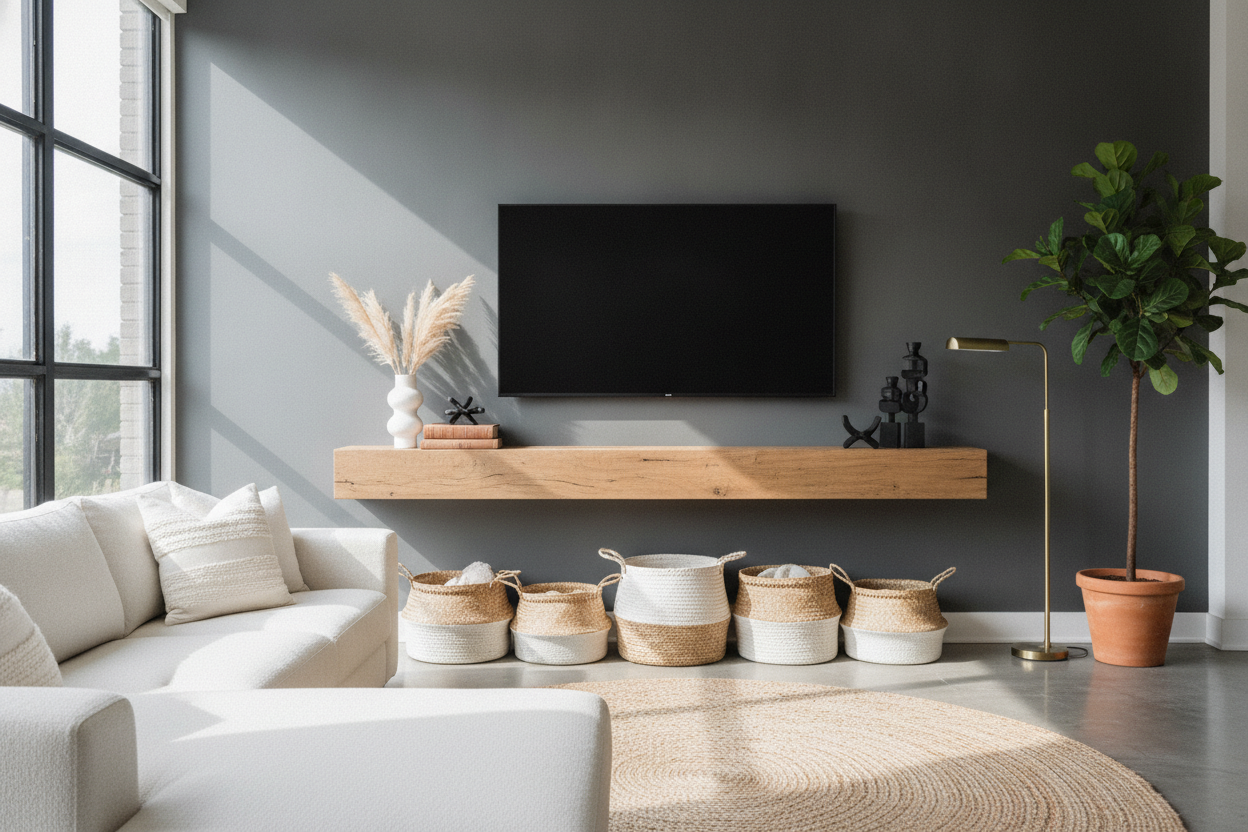
Standard TV consoles are usually about 18 to 22 inches high. That’s fine for your neck, but it leaves about six feet of drywall screaming for attention. I tried the whole gallery wall around the TV thing, and it just looked cluttered and desperate. Plus, most low consoles have open backs or flimsy cardboard panels that do nothing to hide the glowing lights of a router or the chunky silhouette of a gaming console. They are dust magnets that provide zero actual storage for anything other than a couple of remotes and a stray coaster.
In a small apartment, you can't afford to waste vertical real estate. When I had a low stand, I had to buy separate bookshelves anyway, which just ate up more floor space. It felt like my furniture was fighting for dominance instead of working together.
Why a Media Bookcase Completely Changes the Room's Vibe
When you switch to a media storage bookcase, you're changing the architecture of the room. Instead of a floating screen, you have a built-in look. It grounds the space. By surrounding the TV with physical objects—actual paper books, ceramics, maybe a trailing Pothos—the screen stops being the only thing your eyes land on. It is much less like a shrine to Netflix and more like a curated library that happens to have a screen in it.
It’s a lot like choosing storage for your books; you want something that feels substantial enough to hold the weight of your life without leaning or bowing under pressure. A tall unit draws the eye upward, making your ceilings feel higher than they actually are. It turns a boring wall into a focal point that actually serves a purpose.
Hiding the Ugly Tech: The Secret is Closed Bottoms
Let's talk about the tech. My old stand had these cable management holes that were about the size of a nickel. I had to choose between my soundbar and my PlayStation because both wouldn't fit. This is why I tell everyone to look for a bookcase with doors for your home. You need a junk drawer for your electronics.
The bottom 30 inches of your unit should be solid doors. Period. This hides the power strips and the tangled mess of wires that no amount of Velcro ties can truly fix. A piece like the 78.7 H X 31.5 Standard Storage Bookcase is a great example—it gives you that height for visual drama but keeps the messy stuff tucked away behind closed doors. You can shove your router, your extra controllers, and those manuals you'll never read again behind those doors and never think about them until you need to reset the Wi-Fi.
The 'Adjustable Shelf' Rule You Can't Ignore
If you buy a unit with fixed shelves, you will regret it. I promise. Tech changes. One year you have a slim streaming stick, the next you’ve inherited a vintage receiver that’s 10 inches tall. You need adjustable shelf storage to make this work long-term. I once bought a gorgeous oak unit with fixed 12-inch cubbies, only to realize my center-channel speaker was 12.5 inches. I ended up having to saw a shelf out like a barbarian. Don't be me. Check the peg holes before you buy; you want options every two inches or so.
How to Style Around the Screen Without Making It Cluttered
Styling a media unit is different than styling a standard library. You have to account for the glare factor. If you pack the shelves right next to the screen with shiny glass vases or bright white objects, they’re going to distract you during a dark movie scene. Stick to the 60/40 rule: 60% books (vertical and horizontal stacks) and 40% objects. Keep the stuff closest to the TV matte and neutral. Save the colorful art for the top and outer edges where they won't compete with the action on screen.
Personal Experience: The Cable Fishing Nightmare
When I first set up my giant media unit, I made the mistake of pushing it flush against the wall before plugging anything in. I spent forty minutes on my stomach with a flashlight, trying to fish a power cord through a gap I couldn't see. Pro tip: plug everything into a high-quality power strip inside the cabinet first, then run one single cord out to the wall outlet. Also, check your floor trim. If you have thick baseboards, you'll need a unit with a cutout or you'll have a two-inch gap behind the shelves where your cat will definitely get stuck.
Will a tall bookcase make my small room look smaller?
Actually, usually the opposite. Drawing the eye upward makes the ceiling feel higher. A low, wide console can make a narrow room feel like a hallway, whereas a vertical unit adds depth.
How do I stop the shelves from sagging?
Look for shelves that are at least 3/4 of an inch thick. If you’re spanning more than 30 inches, you want solid wood or high-density MDF, not the cheap particle board that starts smiling at you after six months of holding heavy books.
Do I need to anchor it to the wall?
Yes. No exceptions. Especially with the weight of a TV and books. If you’re a renter, just patch the holes when you leave. It’s better than a crushed TV or a trip to the ER because the unit tipped when you opened a heavy door.

Leave a comment
This site is protected by hCaptcha and the hCaptcha Privacy Policy and Terms of Service apply.