


















Staring at a disjointed workspace kills creativity faster than a lack of coffee. Many homeowners treat their workspace as an afterthought, throwing together a spare table and a dining chair, only to wonder why they feel fatigued by noon. The secret to a high-functioning, inspiring environment isn't just about utility; it is the cohesive interplay of office decor furniture that dictates the room's energy.
Quick Decision Guide
If you are rushing to furnish your space, prioritize these four pillars to ensure your investment holds its value and aesthetic appeal:
- Ergonomics First: Never sacrifice lumbar support for a silhouette. Look for adjustable height and seat depth.
- Material Integrity: Opt for solid hardwoods or high-grade veneers over hollow-core laminates for longevity.
- Scale and Proportion: Ensure 36 inches of clearance behind your desk for chair movement.
- Lighting Layers: Combine ambient overhead lighting with focused task lighting to reduce eye strain.
Defining Your Aesthetic Narrative
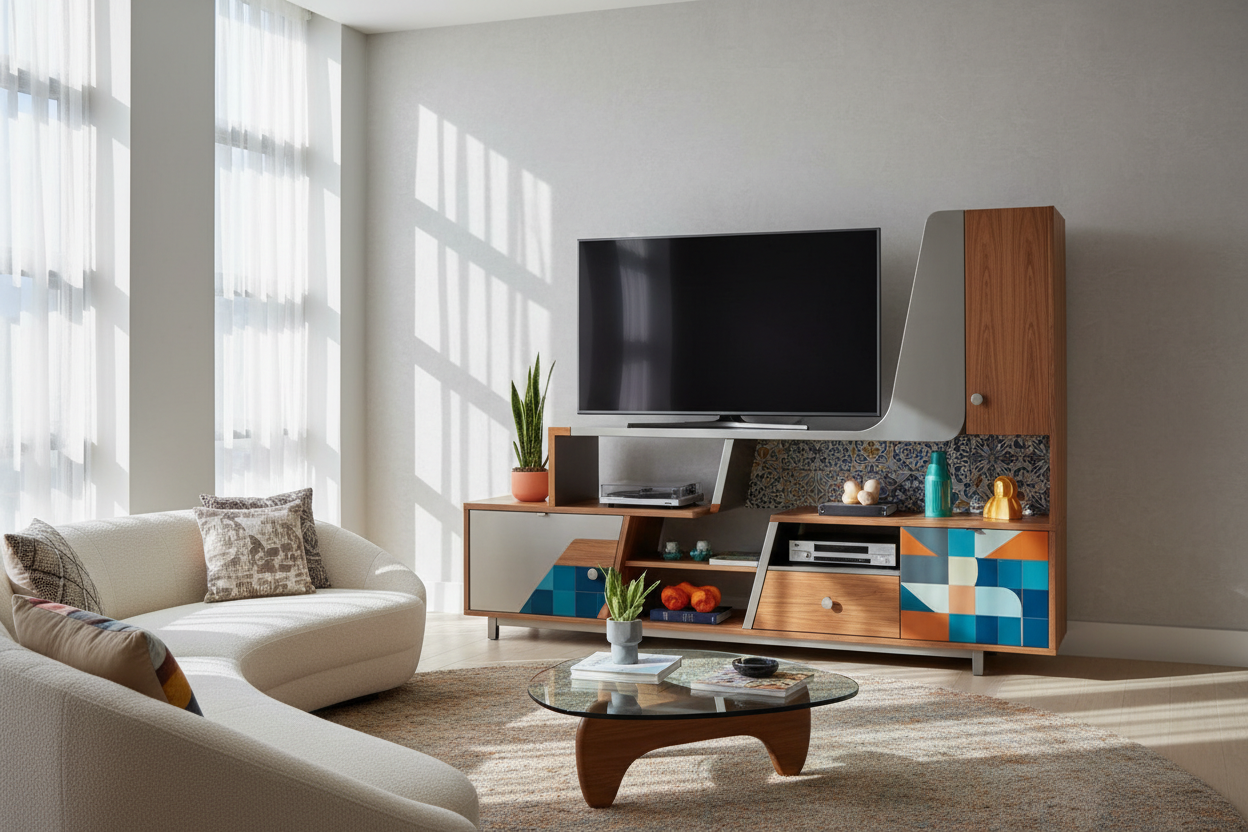
Successful design creates a dialogue between your architectural shell and the pieces you place within it. When curating office furniture and decor, you must decide on a visual language. Is it Mid-Century Modern with its tapered legs and walnut tones, or Industrial Chic featuring raw steel and distressed wood?
Avoid the "catalogue look" where everything matches perfectly. Instead, aim for curation. If your desk is a heavy, dark oak, pair it with a lighter, upholstered chair to break the visual weight. This contrast creates a sophisticated tension that makes the room feel designed, not just purchased.
Materiality and Texture
The tactile experience of your workspace is just as important as the visual one. In high-end design, we look at how materials age and interact.
Wood vs. Laminate
While high-pressure laminate is durable, it lacks the warmth and character of natural wood. For a luxury feel, seek out pieces with visible grain patterns. However, be mindful of the finish. A matte or satin finish is preferable for office furniture decoration as high-gloss surfaces can cause distracting glare under task lighting.
Textiles and Upholstery
Your office chair and guest seating offer the best opportunity to introduce texture. Leather (or high-quality vegan leather) confers authority and is easy to clean, while bouclé or velvet adds softness and acoustic dampening. Just remember that velvet requires more maintenance in a high-traffic zone.
The Art of Functional Styling
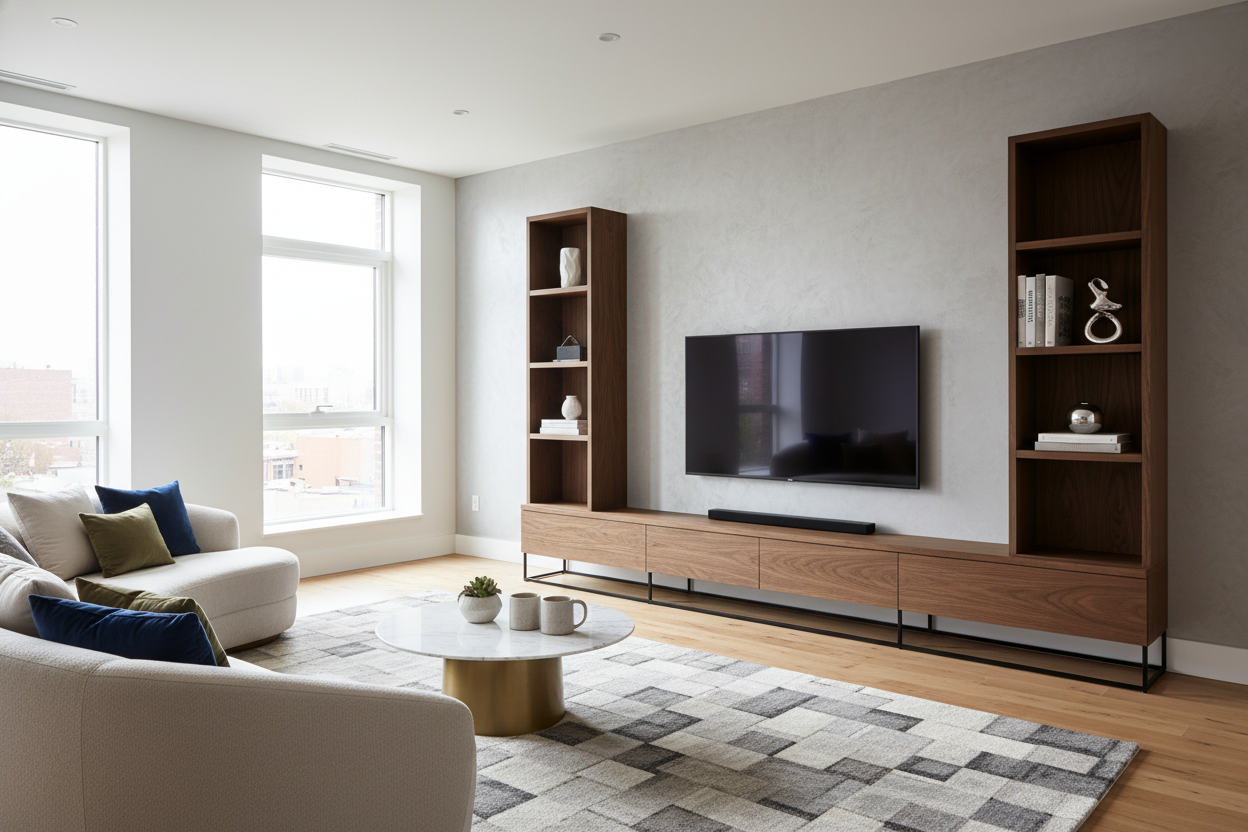
There is a fine line between a curated shelf and a cluttered mess. When arranging office furniture and decorations, utilize the rule of three. Group objects—such as a structural vase, a stack of books, and a sculptural paperweight—in odd numbers to create visual interest.
Furthermore, consider your storage as part of the decor. Open shelving requires discipline; if you cannot keep it tidy, opt for closed cabinetry with interesting hardware. The hardware acts as the "jewelry" of the room, elevating simple joinery into something bespoke.
My Personal Take on Office Decor Furniture
I learned a hard lesson early in my career regarding "form over function" with a client who insisted on a mirrored parson's desk. It looked stunning in the rendering—sleek, modern, and reflective.
However, within a week of installation, the client called me. The issue wasn't the look; it was the usability. The optical mouse wouldn't track on the glass surface without a pad (which ruined the aesthetic), and the cold surface was uncomfortable on their wrists during long typing sessions. Furthermore, every single fingerprint was visible, turning a chic piece into a constant cleaning chore.
Since then, I always advise clients to test the "touch" of a surface. If you are going to rest your arms on it for eight hours a day, materials like leather-topped desks or warm woods aren't just aesthetic choices—they are functional necessities for comfort.
Conclusion
Your office should be a space that invites focus and reflects your professional identity. By investing in quality materials, respecting ergonomics, and curating your accessories with intention, you move beyond simple utility into the realm of true design. Don't settle for a workspace that just works; create one that inspires.
Frequently Asked Questions
How do I mix different wood tones in my office?
The key is to keep the undertones consistent. You can mix a light oak with a dark walnut if both have warm undertones. Avoid mixing warm, reddish woods (like cherry) with cool, gray-washed woods, as this creates visual dissonance.
What is the best rug size for a home office?
Your rug should be large enough to anchor the desk and the chair. Ideally, when you pull your chair back to stand up, the casters should remain on the rug. A 5x8 or 6x9 rug is standard for most single-desk layouts.
Is it worth investing in a designer office chair?
Absolutely. A chair is the most critical piece of office furniture decoration regarding health. High-end chairs offer superior foam density that won't collapse after a year, along with essential adjustments for lumbar and arm support that prevent chronic back pain.

Leave a comment
This site is protected by hCaptcha and the hCaptcha Privacy Policy and Terms of Service apply.