

















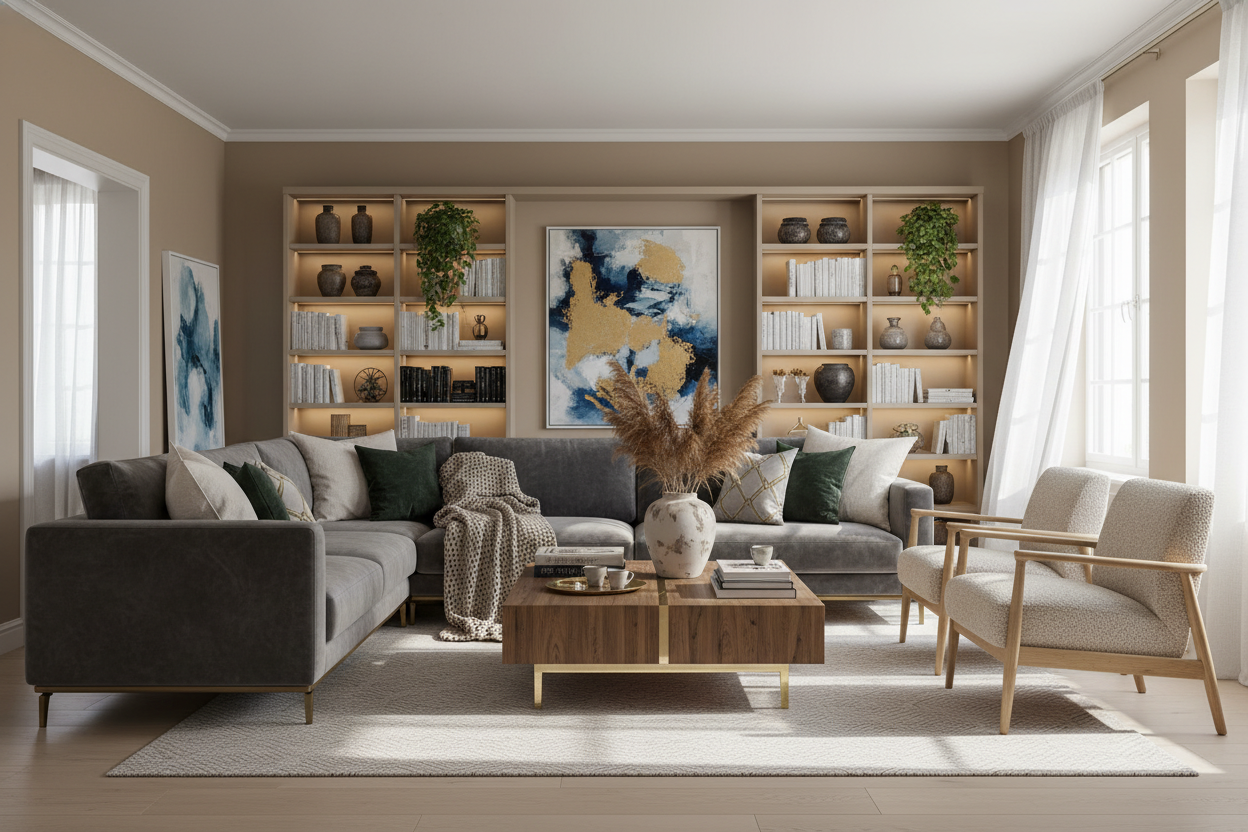
In the world of interior design, we often face a friction point: the desire for a curated, luxurious aesthetic versus the reality of a strict budget. Clients frequently assume that achieving a sophisticated living room requires bespoke Italian furniture, but that is a misconception. The truth is, ikea couches have evolved significantly. They have transitioned from temporary college solutions to foundational pieces that, when styled correctly, can anchor a room with elegance and durability. This guide explores how to select and elevate these pieces to rival showroom quality.
Quick Decision Guide: What to Look For
Before heading to the warehouse, use this checklist to ensure you select a piece that offers longevity and style:
- The 10-Year Warranty: Always check if the specific series carries IKEA’s 10-year guarantee. This usually indicates a solid wood and plywood frame rather than particleboard.
- Martindale Rub Count: If choosing a fabric cover, look for a count above 15,000 for general domestic use to ensure the weave won't pill or wear through quickly.
- Modularity: Prioritize series that allow you to change configurations (like the Vimle or Soderhamn) so the furniture adapts if you move homes.
- Slipcover Availability: Ensure the model has removable, washable covers. This is critical for maintenance and allows for aftermarket upgrades later.
Elevating the Silhouette: Beyond the Box
The primary giveaway of a budget-friendly couch from IKEA is often the legs. Standard issue legs tend to be blocky wood or generic metal cylinders that lack refinement. As a designer, my first recommendation is almost always to swap these out. Replacing stock legs with tapered mid-century walnut options or sleek brass hardware instantly changes the visual weight of the piece, making it feel lighter and more intentional.
When analyzing the sofa couch from IKEA options, pay close attention to the armrest width. A wide, low armrest (like on the Kivik series) provides a more grounded, contemporary look and doubles as extra seating during crowded gatherings. Conversely, slim track arms work best in tighter urban apartments where preserving floor space is essential for flow.
Textiles and Tactility: The "Touch" Test
A major differentiator in luxury furniture is the tactile experience. While a standard sofa from IKEA comes with durable polyester blends, the texture can sometimes feel flat. To combat this, focus on natural fiber blends available in their higher-tier ranges, such as cotton-linen mixes. These fabrics drape better and develop a softer patina over time.
The Power of Layering
To truly integrate an ikea sofa couch into a high-end design scheme, you must disrupt the uniformity. Do not rely solely on the matching scatter cushions provided. Introduce distinct textures—think boucle, velvet, or heavy knits—in your throw pillows. This breaks up the mass of the sofa and draws the eye to the styling rather than the furniture brand.
Space Planning and Layout
Placement dictates perception. A common mistake is pushing furniture flush against the wall. To create a sense of spaciousness, float your sofa. Even pulling it three inches off the wall creates a shadow line that suggests the room is larger than it is. If you are working with an open-plan space, use a console table behind the sofa to hide the back panel, which is often the least attractive angle of mass-produced furniture.
My Personal Take on IKEA Couches
I want to share a candid observation from a project I completed last year. We installed a white Soderhamn sectional in a client's sunroom. On paper, it was perfect—modern, low profile, and airy. However, during the installation, I noticed something the catalog photos don't show: the "slouch" factor.
Because the seat depth is quite generous and the back is low, you don't sit on it; you lounge in it. For my client, who enjoyed reading upright, this was an ergonomic mismatch. We solved it by sourcing high-density foam inserts to stiffen the back cushions and added oversized lumbar pillows. It taught me a valuable lesson: the foam density in these pieces is often softer than high-end brands. If you prefer a firm seat, be prepared to potentially upgrade the inner cushion fill after a year or two. It’s a small tweak that drastically changes the comfort level.
Conclusion
Achieving a luxury aesthetic is not about how much you spend, but how you curate. By choosing the right silhouette, upgrading the hardware, and layering quality textiles, you can transform a standard flat-pack item into a bespoke-feeling centerpiece. Trust your eye, prioritize the frame quality, and don't be afraid to hack the design to suit your life.
Frequently Asked Questions
How long do IKEA couches typically last?
With proper care, a higher-end series with a solid wood frame can last over 10 years. The cushions may need re-stuffing after 3-5 years of heavy use, but the structural integrity generally holds up well, especially on models with the 10-year warranty.
Can I make my IKEA sofa look like a designer brand?
Absolutely. The most effective method is purchasing a third-party slipcover from companies like Bemz or Comfort Works. These companies offer luxury fabrics like velvet and pure linen tailored specifically for IKEA models, completely disguising the original piece.
Is an IKEA sofa couch suitable for small apartments?
Yes, specifically modular series. These allow you to purchase exactly the number of seats that fit your square footage. Additionally, many models offer hidden storage under the seats, which is invaluable for compact living.

Leave a comment
This site is protected by hCaptcha and the hCaptcha Privacy Policy and Terms of Service apply.