

















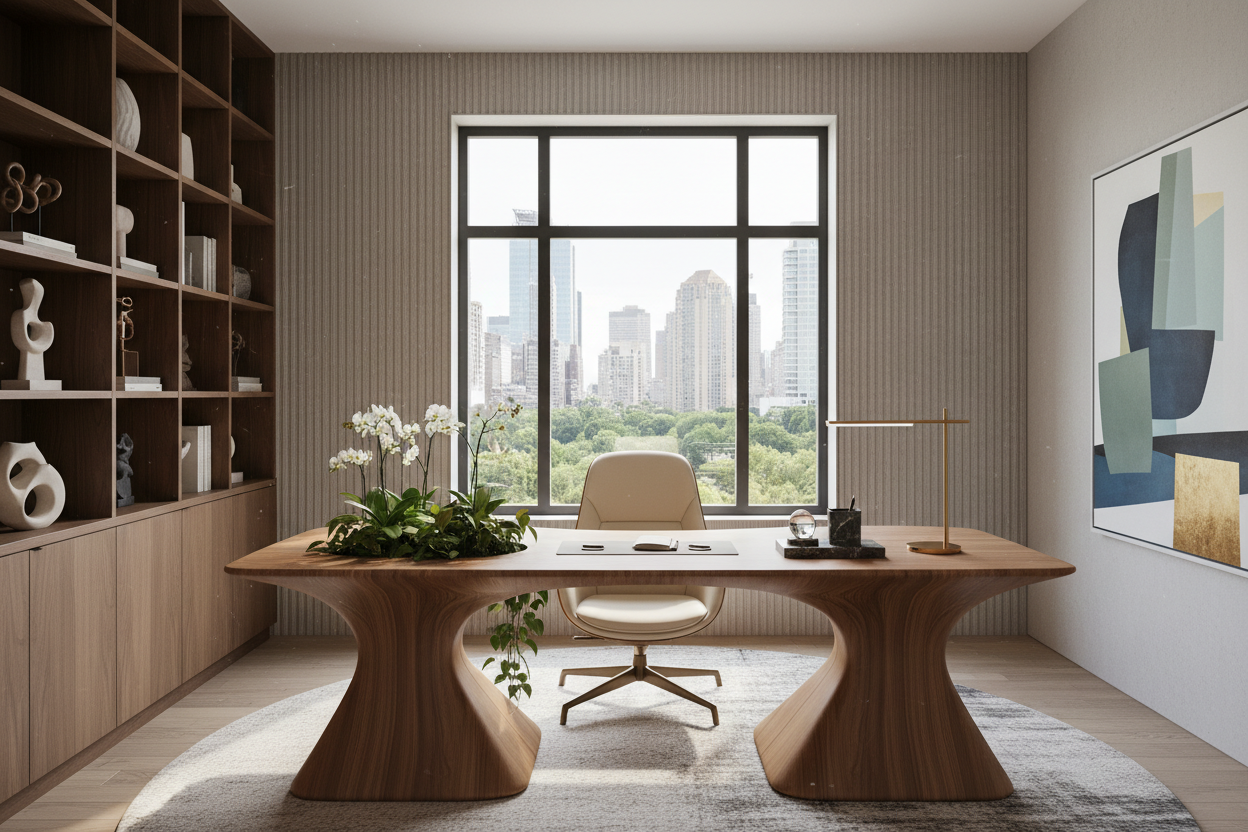
Most home offices suffer from a clinical, utilitarian atmosphere that stifles rather than stimulates. You walk in, and the furniture feels purely functional, lacking the character that defines the rest of your home. The solution lies in treating your workspace as a design opportunity rather than a corporate obligation. By prioritizing creative desk design, you can anchor the room with a piece that offers both ergonomic support and a sophisticated visual narrative.
Key Features to Look For
Before committing to a statement piece, consider these core elements to ensure your desk performs as well as it looks:
- Material Integrity: Prioritize solid hardwoods (walnut, oak) or high-grade composites over hollow-core laminates for longevity and tactile appeal.
- Integrated Tech Management: Look for innovative desk designs that conceal cords within legs or modesty panels to maintain visual silence.
- Silhouette & Scale: Ensure the desk's footprint allows for a 36-inch clearance behind for chair movement, while the shape (kidney, L-shaped, or floating) complements the room's flow.
- Surface Durability: If you write by hand or use heavy equipment, verify the finish is scratch-resistant and non-porous.
Moving Beyond the Rectangular Box
The standard rectangular desk often creates a rigid barrier in a room. To elevate the aesthetic, we need to explore innovative desk ideas that play with geometry. Organic shapes, such as kidney-shaped desks or soft-cornered triangles, improve flow in tighter spaces and soften the harsh lines typical of office equipment.
For a truly bespoke look, consider the structural base. Trestle legs add an architectural, industrial weight, while acrylic or lucite legs can make a heavy timber top appear to float, adding airiness to a cramped study.
Materiality and Texture: The Tactile Experience
When curating creative ideas for office desk setups, texture is often the overlooked variable. A glass top offers sleek modernity but can feel cold and clatter-prone. Conversely, a leather-wrapped writing surface provides a luxurious, silent tactile experience that ages beautifully, developing a patina over time.
Mixing Media for Visual Interest
The most successful creative office desk ideas often involve mixed materials. A blackened steel frame paired with a live-edge slab creates a tension between the industrial and the natural. This contrast turns the desk into a focal point, drawing the eye immediately upon entering the room.
Functionality Hidden in Plain Sight
A common misconception is that creative design sacrifices storage. This is false. The best creative ideas furniture desk manufacturers use hidden compartments. Look for push-to-open drawers that sit flush with the apron, maintaining a clean silhouette while keeping essential stationery within reach but out of sight. A clutter-free surface is essential for maintaining that luxury aesthetic.
Lessons from My Own Projects
I want to share a specific realization from a project I completed last year in a high-rise apartment. We installed a stunning, sculptural desk with a high-gloss, black lacquer finish. It looked incredible in the portfolio photos—sleek, reflective, and expensive.
However, three weeks later, the client called. The issue wasn't the look; it was the reality of living with it. That high-gloss finish acted like a mirror for every single fingerprint, dust mote, and micro-scratch from their laptop base. It became a source of anxiety rather than productivity. I learned then to always push for satin or matte finishes on high-touch horizontal surfaces, or to insist on a custom leather blotter integrated into the design. It’s these unpolished details—the maintenance of the finish—that determine if a desk is actually livable.
Conclusion
Your desk is more than a surface for your laptop; it is the command center of your intellectual life. By choosing a design that balances architectural interest with material warmth, you create a space that pulls you in. Invest in quality, watch the proportions, and don't be afraid to let the desk be the most beautiful object in the room.
Frequently Asked Questions
What is the ideal height for a creative desk design?
While standard desk height is between 28 to 30 inches, ergonomics should dictate your choice. If you fall outside average height ranges, look for adjustable legs or pair a standard desk with a highly adjustable task chair to ensure your elbows sit at a 90-degree angle.
How can I fit a creative desk into a small apartment?
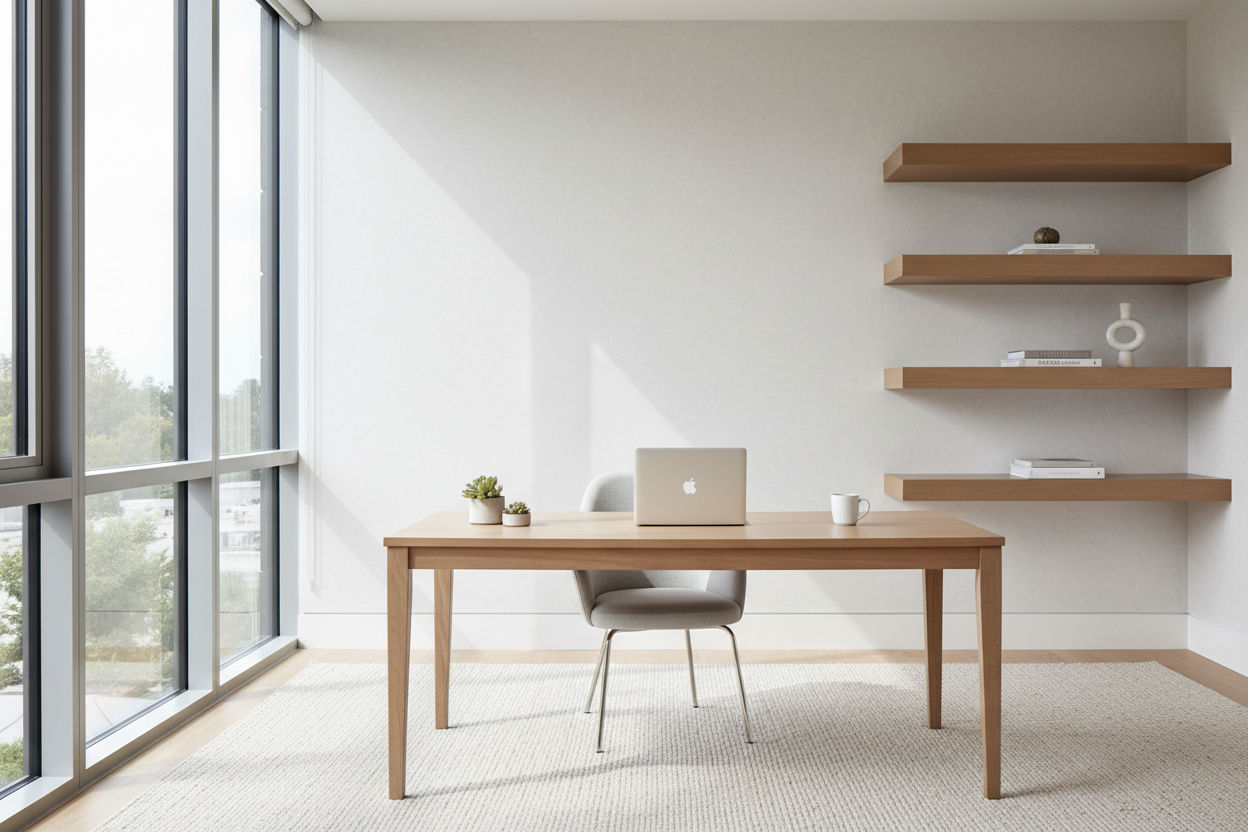
For compact spaces, look into wall-mounted floating desks or ladder-style leaning desks. These innovative desk designs utilize vertical space and keep the floor area open, making the room feel larger while still providing a dedicated work zone.
Does a glass desk require special maintenance?
Yes. While visually light, glass shows oils and dust easily. I recommend keeping a microfiber cloth and a streak-free cleaner in a nearby drawer. Additionally, always use coasters and felt pads under equipment to prevent scratching the tempered surface.

Leave a comment
This site is protected by hCaptcha and the hCaptcha Privacy Policy and Terms of Service apply.