

















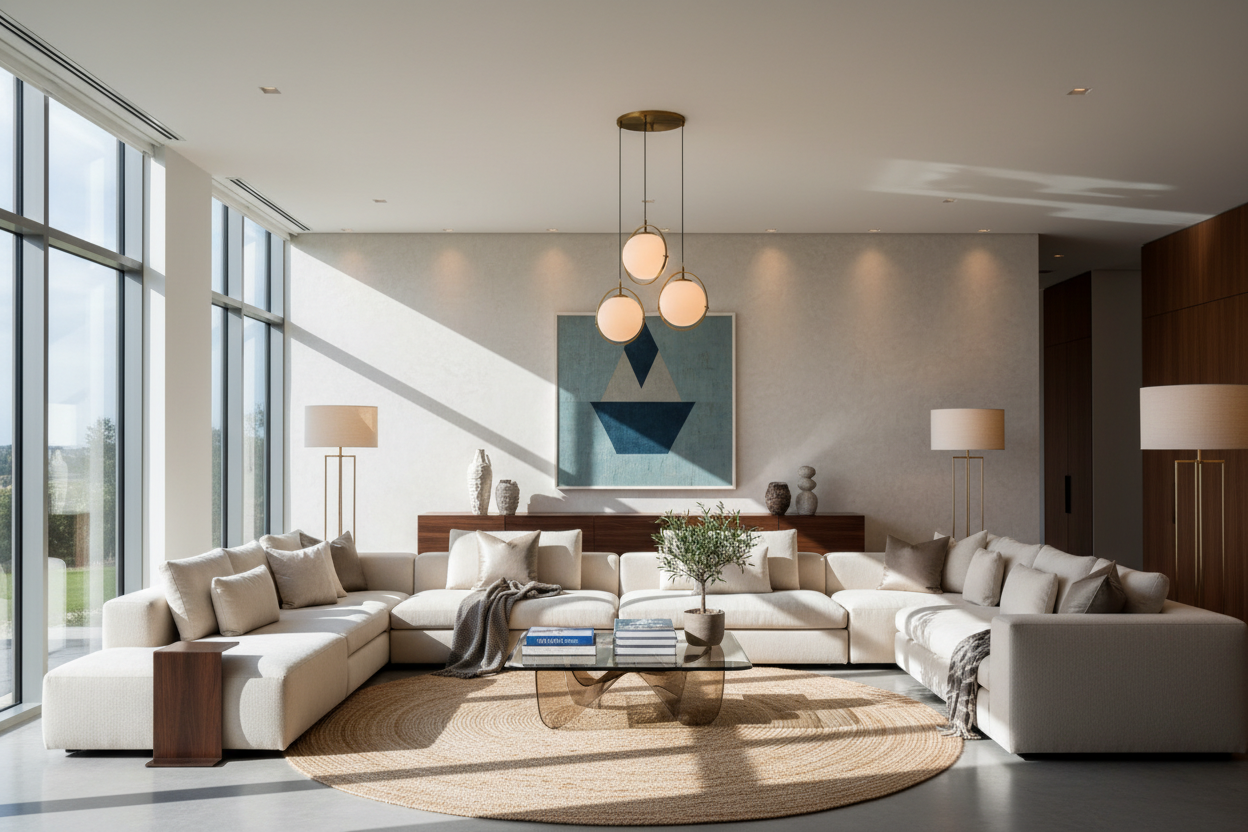
You have selected the perfect velvet sofa, the rug is hand-knotted wool, and the paint color is bespoke. Yet, something feels flat. The culprit is almost always the lighting scheme. As an interior designer, I see this constantly: homeowners rely solely on the grid of recessed cans installed by the builder, creating harsh shadows and a clinical atmosphere. Mastering the lighting of house interiors is not just about buying expensive fixtures; it is about sculpting space with illumination.
Key Principles for Home Lighting
- Layering is Non-Negotiable: Never rely on a single source. Combine ambient, task, and accent lighting.
- Color Temperature Matters: Stick to 2700K-3000K for living spaces to avoid the sterile "hospital" look.
- Scale and Proportion: A fixture that is too small will look cheap; one that is too large will overwhelm the room.
- Dimming Capabilities: The ability to control intensity is the difference between a cafeteria and a dining room.
- CRI (Color Rendering Index): Look for high CRI (90+) bulbs so your furniture colors look true to life.
The Architecture of Light: Understanding the Three Layers
When providing home lighting advice, I always start with the holy trinity of illumination. If you skip one, the room will feel incomplete.
1. Ambient Lighting
This is your base layer—the general illumination that lets you walk around without tripping. However, lighting your home exclusively with ambient light (like a single ceiling flush mount) creates a flat, uninspired look. Think of this as the canvas upon which we paint with other lights.
2. Task Lighting
Functionality is key. This is the light directed at a specific workspace. In a kitchen, this is under-cabinet lighting illuminating your prep surface. In a reading nook, it’s a floor lamp with a directional shade. The best lights for house functionality are those that prevent eye strain while performing specific activities.
3. Accent Lighting
This is the jewelry of the room. It adds drama and highlights architectural features or art. Proper lighting here might be a picture light over a canvas or LED tape tucked into a cove. This layer creates depth and mood, transforming good lighting for home interiors into great design.
Choosing the Right Color Temperature
One of the most common mistakes in lighting choices is mixing color temperatures. Light is measured in Kelvins. For residential spaces, I strictly advise staying between 2700K (warm white) and 3000K (soft white). Anything higher (4000K-5000K) reads as blue and cold, which is terrible for relaxation. The best lighting home environments can offer is consistent; ensure every bulb in a single room matches in temperature.
Fixture Selection: Material and Scale
When selecting the best house lighting fixtures, consider the visual weight. A heavy iron chandelier demands a substantial dining table, while a delicate glass pendant pairs well with airy, modern furniture.
Material Integrity: I often steer clients toward natural materials that patina over time. Unlacquered brass, hand-blown glass, and alabaster diffuse light beautifully. Avoid cheap plastics or acrylics that can yellow over time. When considering lighting in the home, remember that the fixture looks different when off than when on. A solid metal shade pushes light down (dramatic), while a linen shade diffuses it outward (soft).
Room-by-Room Lighting Tips
Living Room
Avoid the "Swiss cheese" ceiling of too many recessed lights. Instead, use table lamps and floor lamps to bring the light down to human scale. This is the best indoor lighting strategy for conversation areas.
Kitchen
Lighting a home kitchen requires high functionality. Ensure your pendants over the island are hung roughly 30 to 36 inches above the counter. If they are too high, you lose the visual connection; too low, and they obstruct views.
Lessons from My Own Projects
I want to share a specific failure from early in my career that taught me everything about "glare." I specified these stunning, oversized clear glass globe pendants for a client's kitchen island. They looked incredible in the catalog and architectural renderings.
However, once installed with standard clear filaments, they were blinding. At eye level, the filament burned the retina, making it uncomfortable to sit at the island. I had to scramble to find silver-tipped bulbs (which deflect light upward) and eventually swapped them for frosted bulbs to diffuse the glare.
The lesson? Lighting tips for home renovation aren't just about the fixture's silhouette; you must consider the light source's interaction with the human eye. Now, whenever I use clear glass, I ensure it's on a strictly controlled dimmer or positioned well above eye level. It’s a practical nuance that separates a showroom display from a livable home.
Conclusion
Lighting the house is an art form that balances utility with emotion. By layering your sources, paying attention to color temperature, and investing in quality dimmers, you can elevate even the most modest furniture. Don't be afraid to experiment; sometimes moving a floor lamp six inches to the left changes the entire shadow play of a room.
Frequently Asked Questions
What is the best lighting for a house with low ceilings?
Avoid low-hanging pendants that make the room feel smaller. Opt for flush mounts or semi-flush mounts that hug the ceiling but still offer decorative flair. Uplighting from floor lamps can also bounce light off the ceiling, making the room feel taller.
How do I determine the right size chandelier for my dining table?
A general rule of thumb for lighting advice for home dining areas is that the fixture should be one-half to two-thirds the width of the table. This ensures the light feels grounded to the furniture rather than floating aimlessly in space.
Is smart lighting worth the investment?
Absolutely. Smart bulbs allow you to adjust the warmth and brightness throughout the day, mimicking natural circadian rhythms. Being able to program "scenes" (e.g., "Dinner Party" vs. "Cleaning Mode") is one of the best home lighting tips for modern living.

Leave a comment
This site is protected by hCaptcha and the hCaptcha Privacy Policy and Terms of Service apply.