

















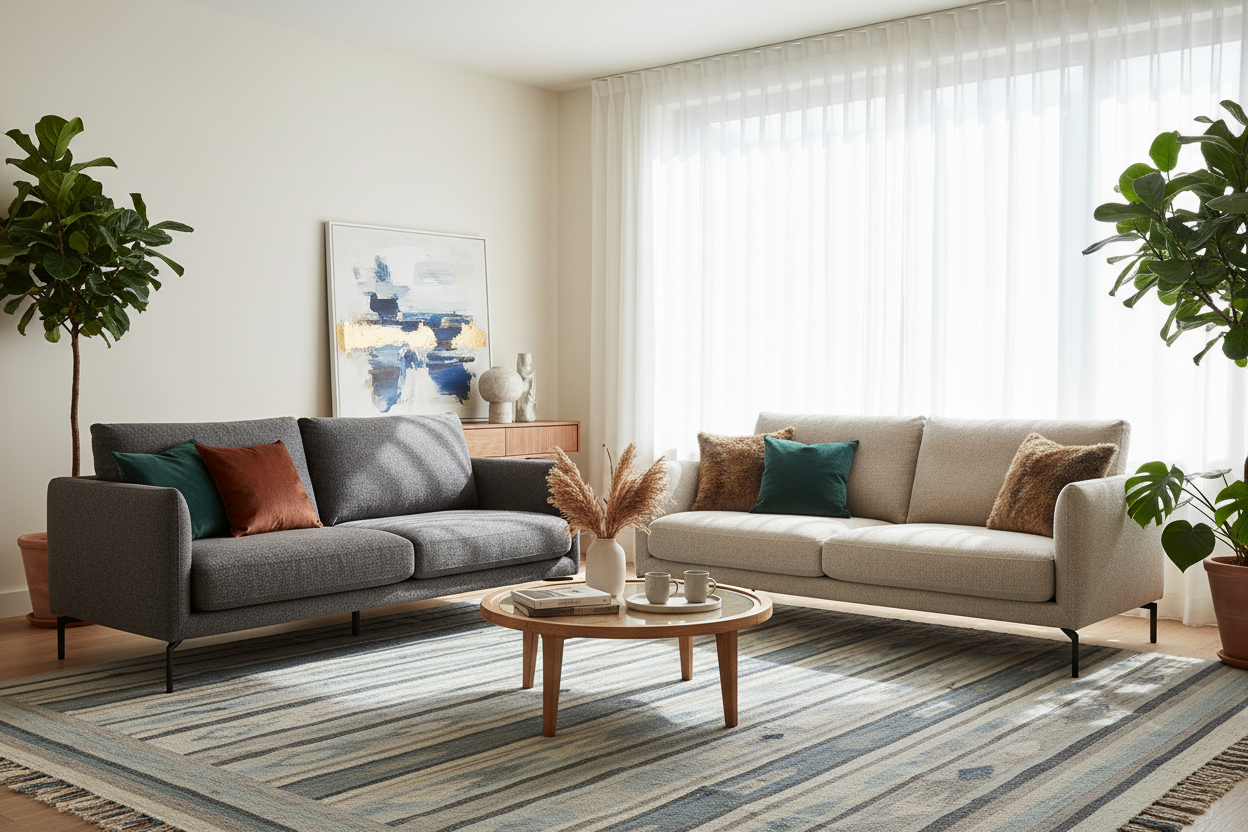
One of the most frequent dilemmas I encounter when consulting with clients is the tension between budget constraints and aesthetic ambition. There is a pervasive myth in interior design that you must spend a fortune to achieve a curated, sophisticated living room. That is simply not the case. The market has evolved, and finding affordable couches and sofas that offer both durability and style is entirely possible if you know exactly what to inspect before you buy.
Key Features to Look For
Before you commit to a purchase, use this checklist to ensure you aren't sacrificing longevity for a lower price point. These are the non-negotiables for high-value furniture:
- Frame Construction: Look for kiln-dried hardwood or furniture-grade plywood. Avoid particle board or stapled cardboard, which warp easily.
- Cushion Density: Aim for high-resiliency foam with a density rating of at least 1.8. Anything lower will flatten within months.
- Suspension System: Sinuous springs (S-shaped wire) are the industry standard for decent support. Webbing alone often leads to sagging.
- Fabric Durability: Check the 'rub count' or Martindale test score. For daily use, you want a fabric rated above 15,000 double rubs.
Decoding Material Quality and Textures
When sourcing a couch affordable enough for a strict budget, the textile choice is where you can cheat the look of luxury. In my experience, inexpensive linens often wrinkle aggressively and look messy. Instead, opt for performance velvets or tightly woven tweeds. These materials catch the light beautifully and hide the fact that the piece didn't cost a fortune. Texture adds depth to a room, preventing the 'flat' look common with cheaper, printed cottons.
The Silhouette and Scale
A common error is ignoring the visual weight of the piece. High-end furniture usually features thoughtful proportions. When evaluating reasonable priced couches, avoid overstuffed, 'marshmallow' styles which tend to look dated and cheap. Instead, look for clean lines, tailored piping, and legs that lift the frame off the floor. This 'negative space' underneath the sofa creates an illusion of airiness, making your room feel larger and the furniture piece more deliberate.
Checking the Joinery
While you might not be able to tear the sofa apart in the showroom, you can test the joinery. Lift one front corner of the sofa about six inches off the ground. The other front leg should lift almost immediately. If the other leg stays on the floor while you are lifting, the frame has too much flex and is likely held together with weak staples rather than dowels or corner blocks.
My Personal Take on Affordable Couches and Sofas
I want to share a specific lesson from a staging project I managed last year. We sourced a stunning mid-century modern style sofa that was incredibly budget-friendly. Visually, it was a ten out of ten—sleek lines, beautiful cognac color. However, during the install, I noticed the 'wood' legs were actually plastic with a wood-grain sticker.
It looked fine from a distance, but the moment we slid it across the rug, one leg buckled slightly because the threading was misaligned. We fixed it with washers and better screws, but it was a reminder: hardware is often where manufacturers cut costs. If you buy a budget piece, flip it over immediately. Tighten every bolt, and if the legs feel hollow or flimsy, consider swapping them out for solid wood aftermarket legs. It’s a $40 upgrade that adds years to the sofa's life and stability.
Conclusion
Curating a beautiful home doesn't require a blank check; it requires a discerning eye. By focusing on structural integrity and selecting fabrics that mimic high-end textiles, you can secure a centerpiece for your living room that stands the test of time. Trust your tactile sense, check the specs, and buy the best frame your budget allows.
Frequently Asked Questions
How can I make an affordable couch look more expensive?
The easiest trick is to swap out the stock throw pillows. Budget sofas often come with matching, underfilled pillows that cheapen the look. Replace them with down-filled inserts and covers in contrasting textures like wool or heavy linen.
What is the best fabric for affordable sofas if I have pets?
Microfiber and tight-weave synthetic velvets are excellent choices. They are often snag-resistant against claws and can be easily wiped down. Avoid loose weaves like boucle or linen, which trap hair and pull easily.
How long should I expect a budget-friendly sofa to last?
With daily use, a well-chosen budget sofa (in the $500–$1,000 range) should maintain its structure and comfort for about 3 to 5 years. Regular maintenance, such as rotating cushions and vacuuming fabric, can extend this lifespan significantly.


Leave a comment
This site is protected by hCaptcha and the hCaptcha Privacy Policy and Terms of Service apply.